

Ear, Nose & Throat (ENT) Health
Is Tinnitus Caused by Ageing or Inflammation?
by Dr Ker Liang, Aglow ENT Centre

Young woman with tinnitus on yellow background
You’re reading quietly… and then you notice it again: a ringing, buzzing, or “eee” sound that no one else seems to hear.
That sound is tinnitus. It can be annoying, distracting, and sometimes worrying—especially if it affects sleep.
A common question is: Is tinnitus just part of ageing, or is it caused by inflammation?
The answer is: it can be either, and sometimes a mix of both. The key is learning what “type” of tinnitus you have, because that guides what to do next.
What Exactly Is Tinnitus?
Tinnitus is not a singular condition but a symptom of an underlying health issue. It is one of the most common health conditions, affecting approximately 10% to 15% of the adult population worldwide. While it is more prevalent among older adults, tinnitus can affect individuals of any age, including children.
Tinnitus presents as a range of sounds perceived by individuals without any external source. These sounds can vary widely:
- Ringing: Often described as a high-pitched, bell-like tone, this is one of the most common forms of tinnitus.
- Buzzing: This may sound like a low, constant hum, similar to the noise of electrical appliances.
- Hissing: A sound akin to steam or white noise, sometimes fluctuating in intensity.
- Whistling: A high, sharp “wee-wee” sound, like a kettle or distant whistle.
- Humming / “engine”: A low, steady droning sound, like a fridge or engine idling.
- Whooshing (heartbeat-like): A rhythmic “whoosh-whoosh” that follows your pulse.
For many older adults, tinnitus is not dangerous, but persistent tinnitus can lead to significant stress, anxiety, and difficulty in focusing on daily tasks, as the constant noise interferes with mental clarity and rest.
Ageing: The Most Common Background Cause
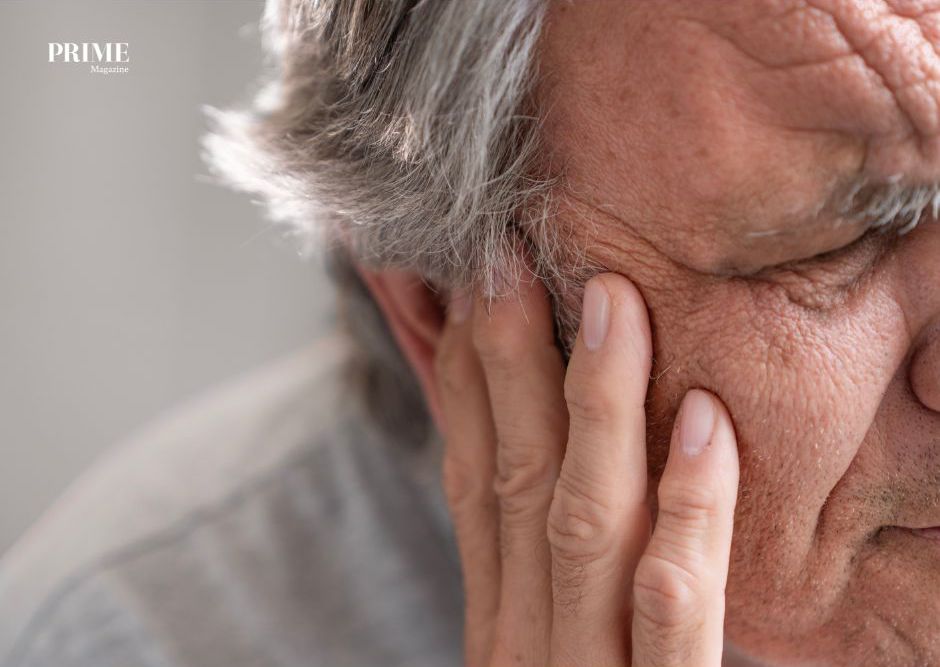
Old man with tinnitus
As we grow older, the ear’s hearing system can become less sensitive—much like eyesight changing over time. Tiny sensory cells in the inner ear may gradually weaken. When hearing becomes less sharp, the brain sometimes “fills in the silence,” and tinnitus may appear.
Signs tinnitus may be linked to ageing-related hearing change:
- Starts gradually over months or years
- Often affects both ears
- You also notice hearing is not as clear, especially in noisy places
- The sound is often steady (ringing or hissing)
This is why a hearing test is often one of the most helpful first steps.
Inflammation: A Possible Trigger (Especially When It Starts Suddenly)
Inflammation means irritation and swelling in tissues. Around the ear, inflammation can come from things like:
- A cold, flu, or sinus congestion
- Middle ear infection or outer ear infection
- Pressure problems between the nose and ear (Eustachian tube issues)
- Jaw joint strain (TMJ), teeth grinding, or neck tension
Inflammation can temporarily affect pressure, fluid, or nerve sensitivity—making tinnitus more noticeable.
Signs tinnitus may be linked to inflammation or congestion:
- Starts suddenly, especially after a cold
- Ear feels blocked, full, or uncomfortable
- Tinnitus comes and goes, depending on congestion or pressure
- There may be ear pain, fever, or discharge (which needs medical attention)
The good news: when inflammation is the main driver, tinnitus may improve once the underlying issue settles.
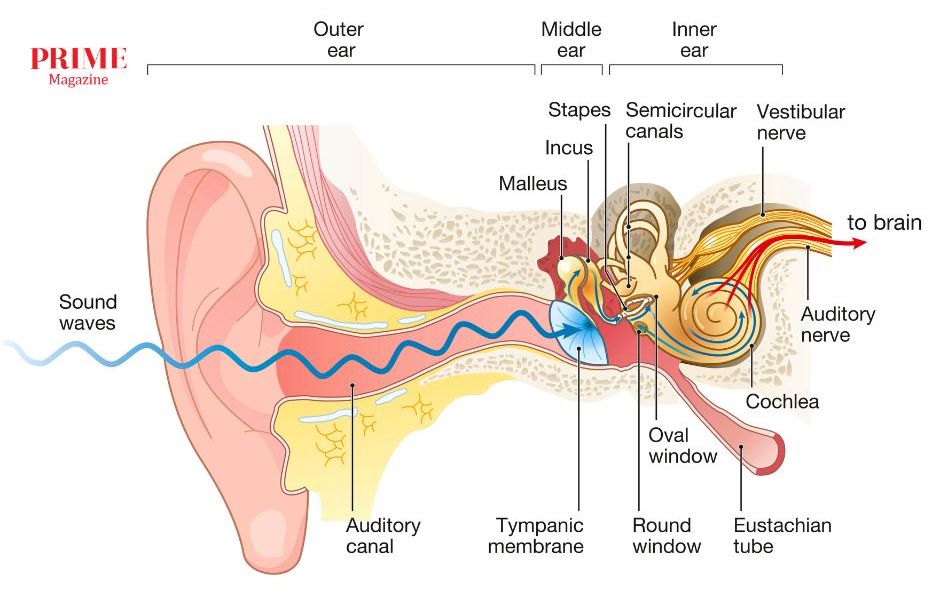
Distinguishing Types of Tinnitus (Quick Guide)
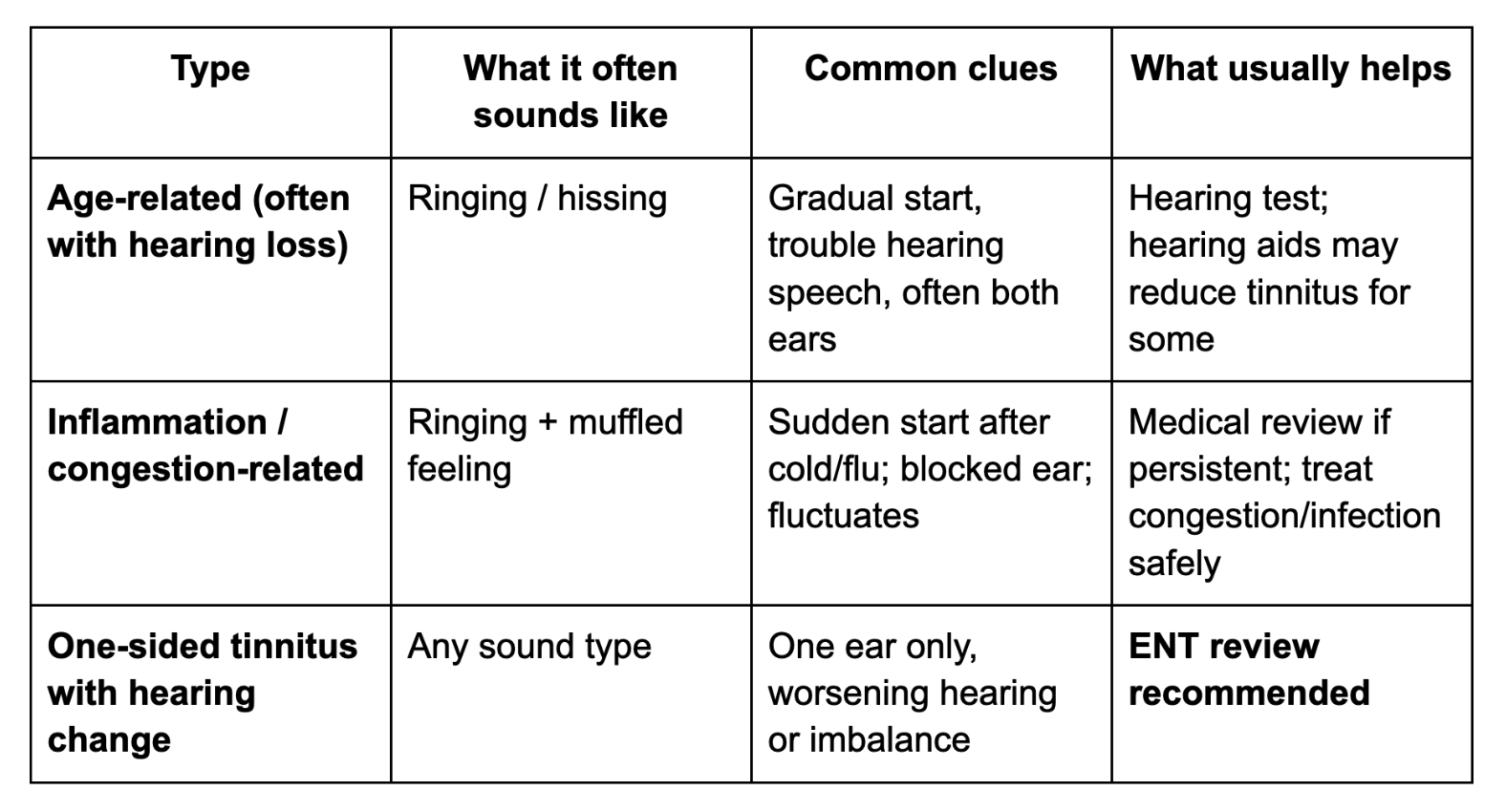
Distinguishing Types of Tinnitus (Quick Guide)
When Tinnitus Should Be Checked Soon
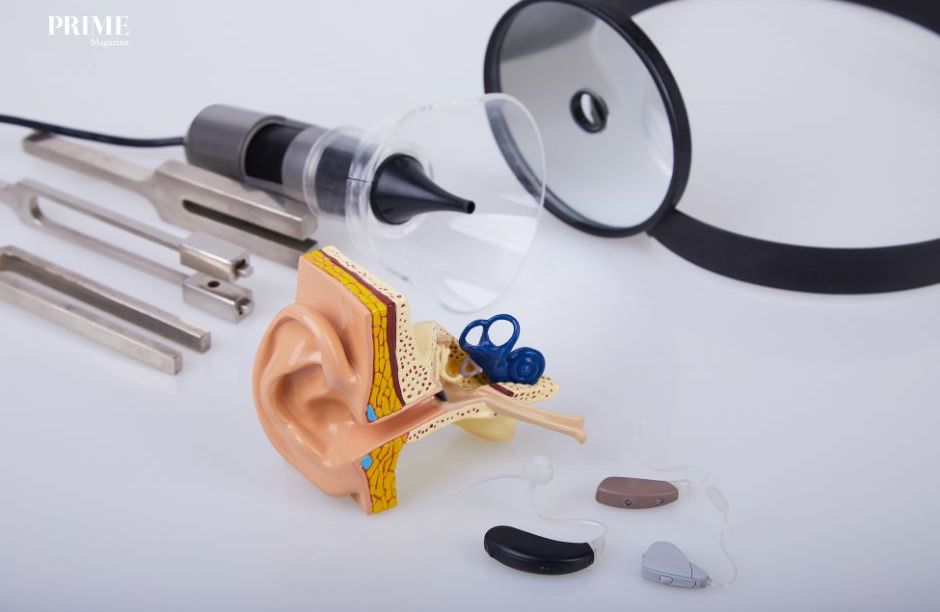
Medical instruments for ENT
Make an appointment promptly if you notice:
- Sudden hearing loss (hours to 1–2 days)
- Tinnitus in one ear only that doesn’t settle
- Dizziness/vertigo, imbalance, or falls
- Ear pain, discharge, fever
- Heartbeat-like “whooshing” tinnitus (pulsatile)
- New facial weakness, numbness, or severe headache
Most cases are still treatable or manageable—but these signs deserve proper evaluation.
What You Can Do at Home

1) Don’t sit in complete silence
Silence makes tinnitus feel louder. Try gentle background sound:
- Soft radio talk
- A fan
- Nature sounds
- Calm music at low volume
2) Protect your ears from loud noise
But avoid wearing earplugs all day unless needed—too much “sound blocking” can make tinnitus more noticeable.
3) Check your hearing
If hearing has dropped, hearing aids can help some people by bringing real sound back in—so the brain doesn’t “turn up” internal noise.
4) Support better sleep
Tinnitus often feels worse when you’re tired. Keep routines simple:
- Same sleep time daily
- Background sound if tinnitus disturbs sleep
- Avoid heavy late-night meals
5) Look out for common triggers
Tinnitus can feel louder when you’re stressed, sleep-deprived, or after too much caffeine, smoking, or salty foods. You don’t have to cut everything out—just notice what affects you and adjust gradually.
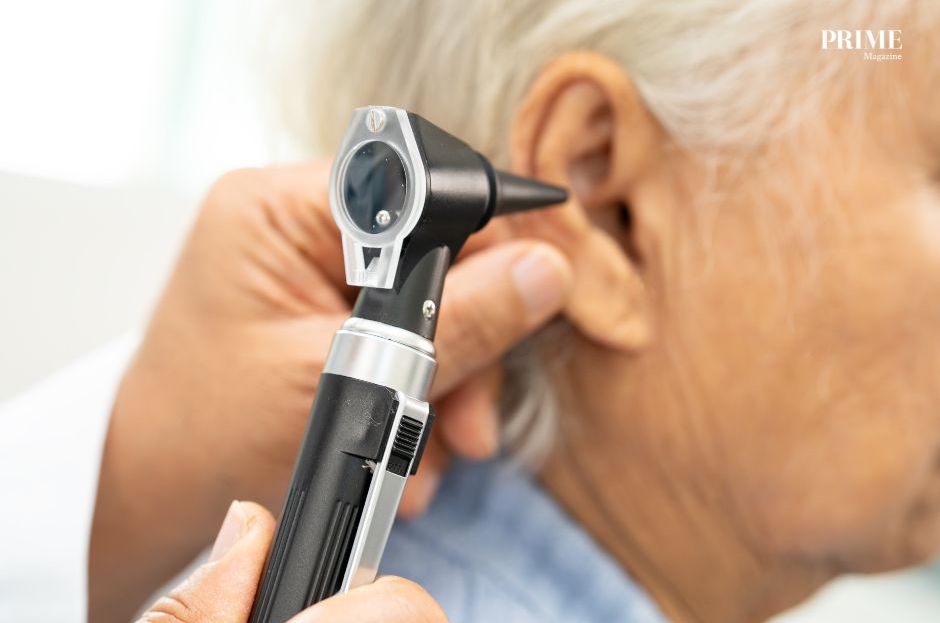
Ear checkup
Summary
Tinnitus can feel different from person to person, because it has many possible causes and many ways of presenting. While there isn’t a single “cure” at present, the right mix of medical care and practical coping strategies can greatly reduce how intrusive it feels in daily life. With better understanding, appropriate support from an ENT specialist, and steady symptom management, many people find they can live well and stay confident—even with tinnitus. PRIME







Leave A Comment