

Oral Health & Dentistry
Gum Disease Symptoms: How to Spot the Warning Signs and Stages of Periodontal Disease
by Dr Raymond Lim – B9 Dental Centre
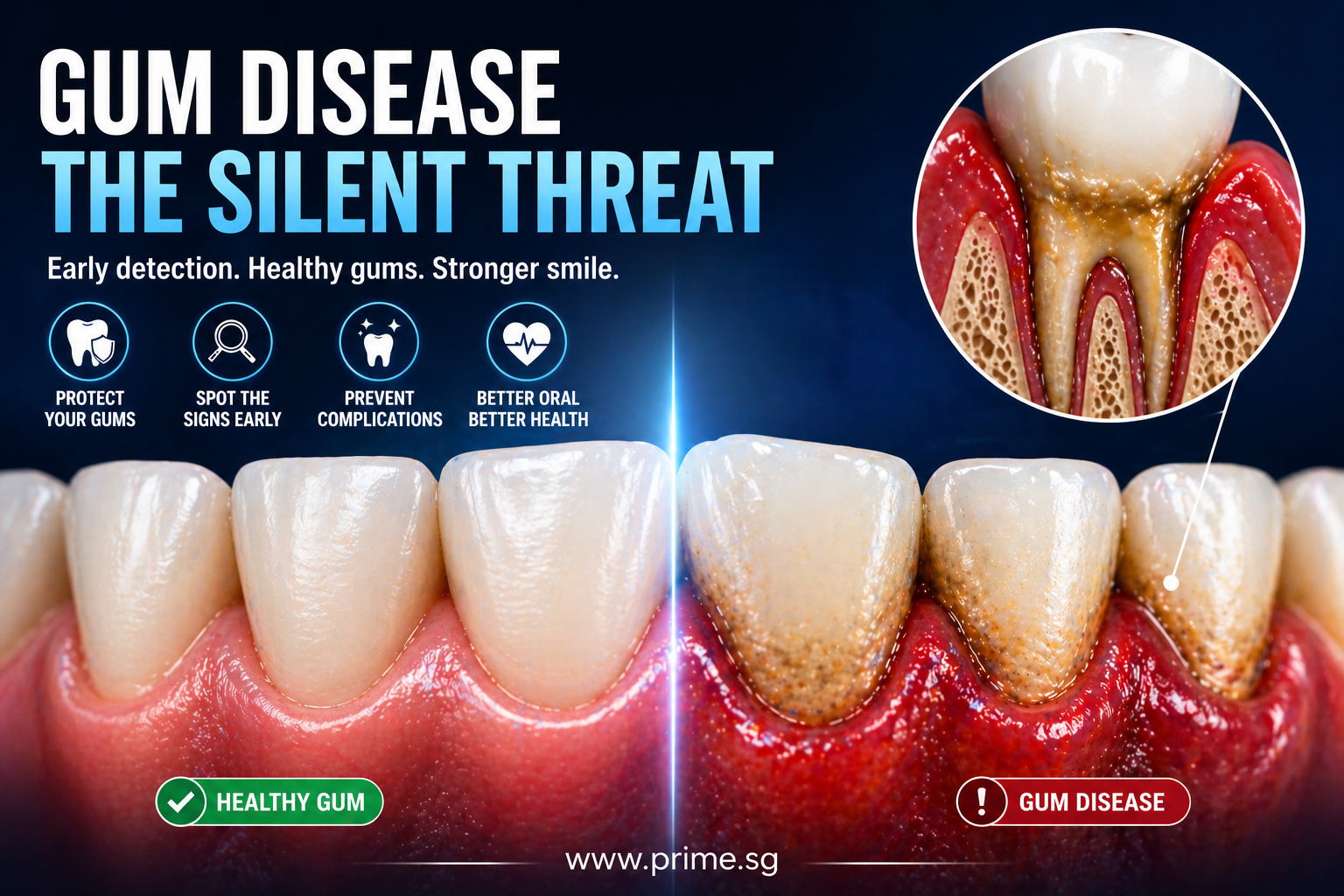
Gum Disease Symptoms and Healthy vs Diseased Gums Comparison
Gum disease, also known as periodontal disease, is a prevalent oral health problem that affects millions of people worldwide. According to the World Health Organisation (WHO), periodontal disease, a common form of gum disease, affects approximately 19% of the global adult population, equating to over one billion cases worldwide. Often termed the “silent disease,” it involves inflammation and infection of the gums due to plaque accumulation on the teeth, which can be triggered by various environmental factors. If left untreated, it can lead to serious complications.
Understanding the symptoms of gum disease is crucial for early detection and intervention. This article (divided into parts) will delve into what gum disease is, its symptoms (both early and advanced), causes, risk factors, treatment options, and preventive measures. By recognising the signs early, you can take proactive steps to maintain your oral health and overall well-being.
ADVANCED SYMPTOMS
As gum disease progresses, the symptoms of gum disease become more severe. They include:
- Receding gums: Gums may pull away from teeth, exposing more of the tooth or its root and creating pockets that trap food particles.
- Formation of pockets between teeth and gums: These pockets can trap food and bacteria, leading to further infection.
- Loose teeth: Advanced gum disease can lead to tooth mobility due to loss of supporting bone.
- Painful chewing: Discomfort while eating can occur as the condition worsens; this may deter individuals from
eating properly.
Other advanced symptoms of gum disease may include loss of supporting bone, persistent pain, pus discharge, changes in bite, cardiovascular disease, diabetes, and systemic health issues. If you experience any of these advanced symptoms, it is crucial to seek dental care immediately. The longer you wait, the more difficult treatment may become.
CAUSES AND RISK FACTORS
Understanding the causes of gum disease is essential for prevention. The primary cause is usually plaque buildup on teeth due to poor oral hygiene practices. However, several other factors can contribute to its development, including:
- Smoking or tobacco use: This significantly increases the risk of gum disease by impairing blood flow to gums and reducing healing capacity.
- Hormonal changes: Events such as pregnancy or menopause can make gums more susceptible to inflammation due to hormonal fluctuations.
- Certain medical conditions: Diabetes, heart disease, and autoimmune diseases can affect gum health by compromising the immune system or blood flow.
- Medications: Some drugs reduce saliva flow (which protects gums), increasing susceptibility to gum infections.
- Nutritional deficiencies: A diet low in vitamins (especially vitamin C) can weaken gum tissue and impair healing.
STAGES OF GUM DISEASE
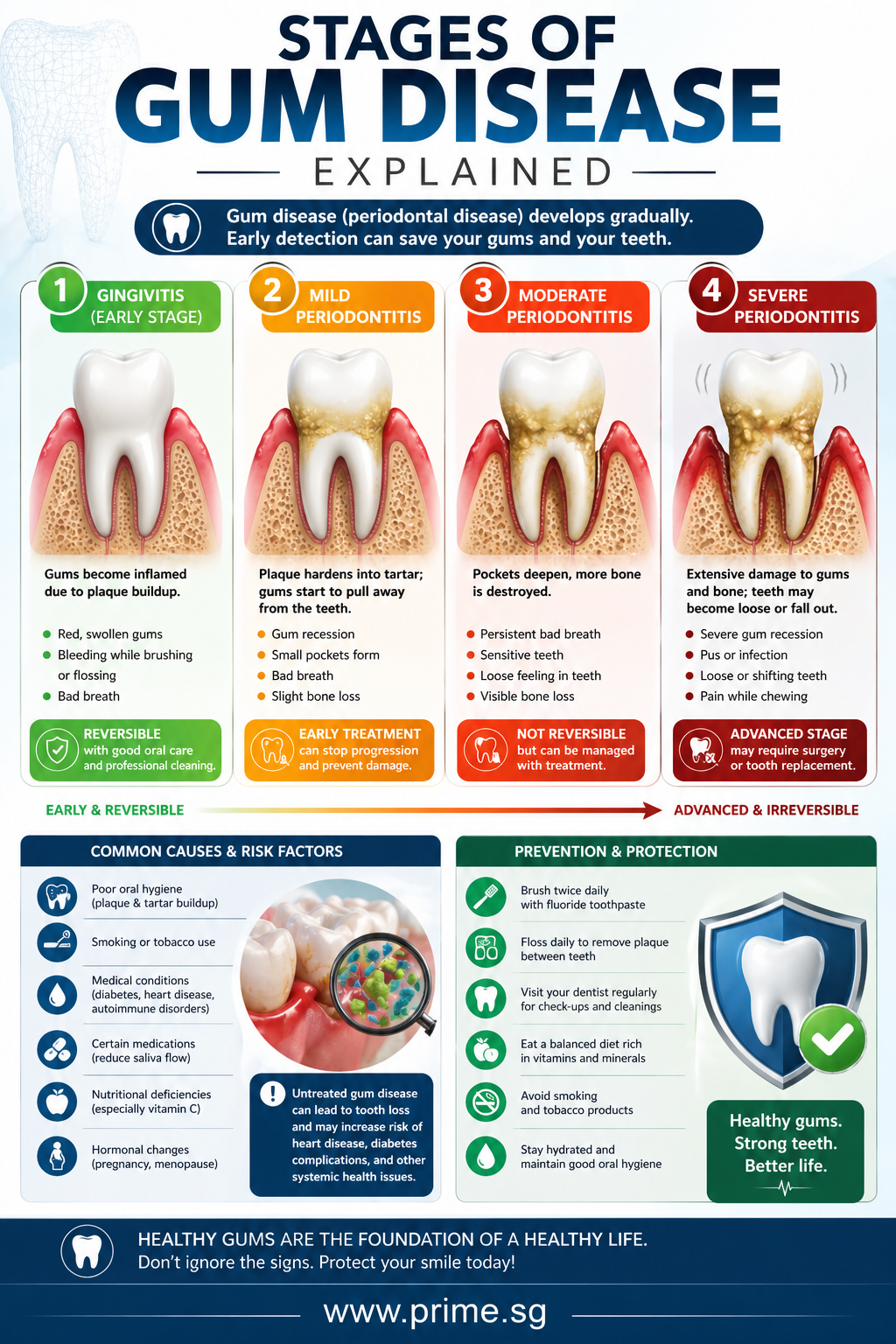
Gum disease progresses through several stages, including:
- Gingivitis: The earliest stage characterised by inflammation and bleeding. At this point, damage is usually reversible with proper care.
- Mild Periodontitis: Increased inflammation with some loss of bone support around teeth; pockets begin to form.
- Moderate Periodontitis: More significant bone loss occurs; symptoms become more pronounced, including persistent bad breath and sensitive teeth.
- Severe Periodontitis: Extensive damage occurs; teeth may become loose or fall out due to significant loss of supporting structures. PRIME









Leave A Comment