

Orthopaedic Health Series
Non-Surgical Scoliosis Treatment: Can Surgery Be Avoided?
by Dr Kevin Lau – ScolioLife
Non-surgical scoliosis treatment is often the first option considered for children and adults diagnosed with scoliosis. A scoliosis diagnosis can be worrying, especially for parents concerned about whether their child may eventually require surgery.
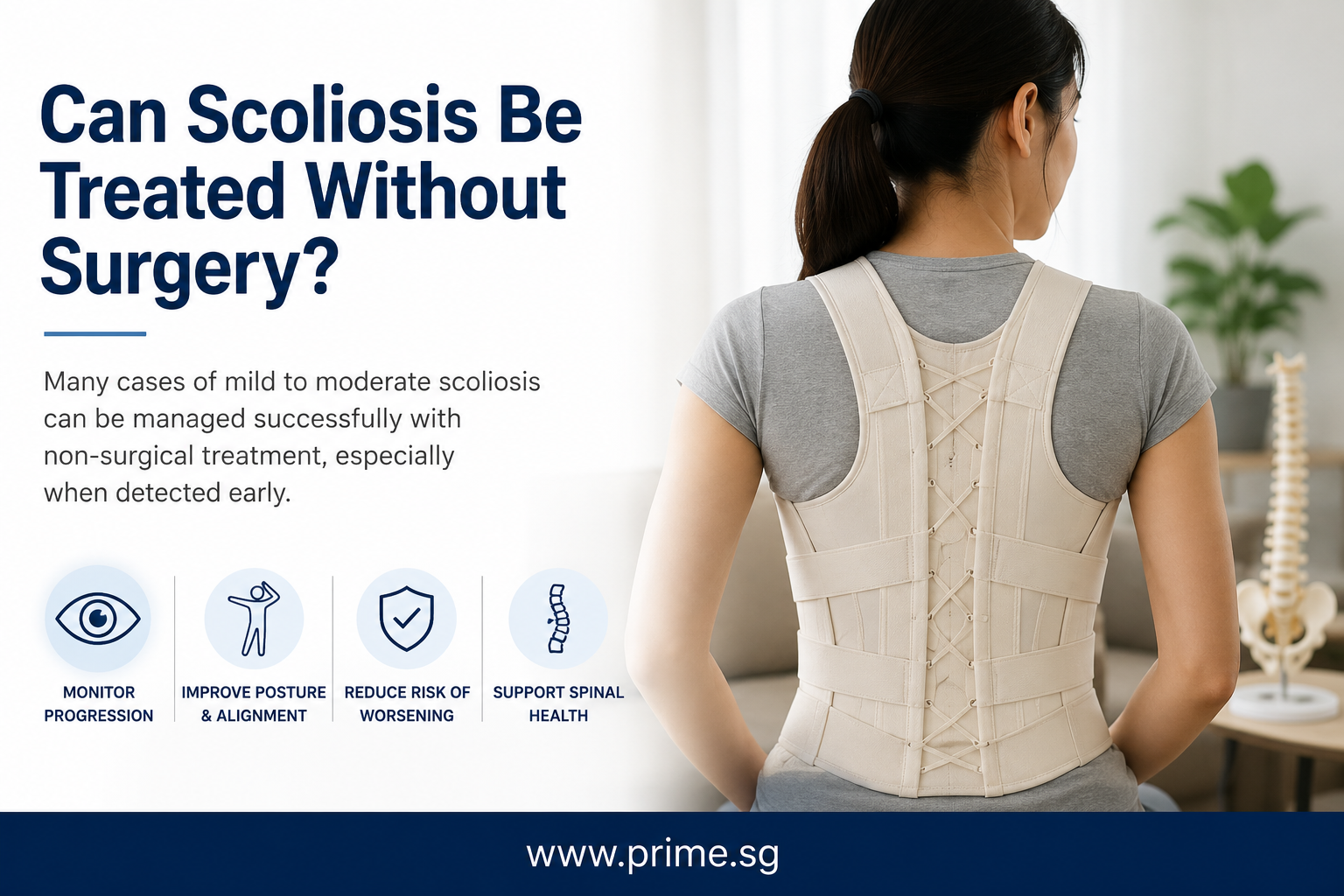
Can scoliosis be treated without surgery? Many cases of mild to moderate scoliosis can be managed with personalised non-surgical treatment, including monitoring, bracing and rehabilitation.
The reassuring news is that surgery is not the only treatment option for scoliosis. In fact, many individuals with mild to moderate scoliosis can be managed successfully through conservative, non-surgical approaches, particularly when the condition is detected early and monitored appropriately.
While surgery may be recommended for certain severe or progressive spinal curves, many patients benefit from personalised treatment plans that focus on monitoring, rehabilitation, bracing, and improving overall spinal function.
Understanding the full range of available treatment options can help patients and families make informed decisions about their spinal health.
Understanding the Goals of Scoliosis Treatment
One of the most common misconceptions about scoliosis treatment is that every intervention aims to completely straighten the spine.
In reality, treatment goals vary depending on the individual.
Factors such as age, curve severity, growth potential, symptoms, lifestyle, and overall health all influence treatment decisions. Depending on the patient’s circumstances, the goals of treatment may include:
- Monitoring curve progression
- Reducing the risk of further worsening
- Improving posture and spinal alignment
- Supporting muscular balance and function
- Enhancing quality of life
- Maintaining mobility and physical activity
- Minimising the need for more invasive treatments
Because scoliosis affects each person differently, treatment should always be tailored to the individual’s specific needs.
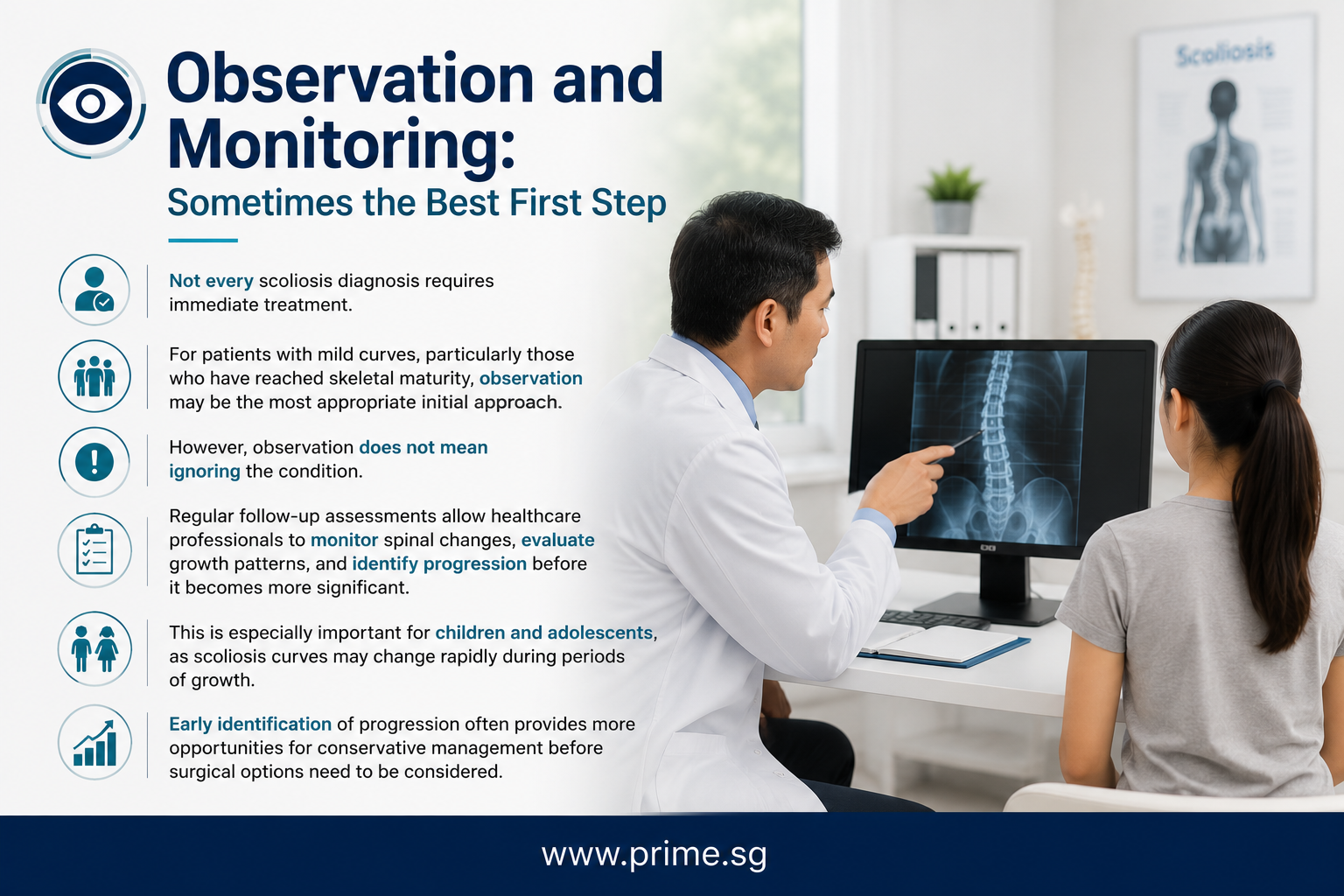
Regular observation and monitoring help detect scoliosis progression early, allowing timely decisions about personalised treatment and ongoing spinal care.
Observation and Monitoring: Sometimes the Best First Step
Not every scoliosis diagnosis requires immediate treatment.
For patients with mild curves, particularly those who have reached skeletal maturity, observation may be the most appropriate initial approach.
However, observation does not mean ignoring the condition.
Regular follow-up assessments allow healthcare professionals to monitor spinal changes, evaluate growth patterns, and identify progression before it becomes more significant.
This is especially important for children and adolescents, as scoliosis curves may change rapidly during periods of growth.
Early identification of progression often provides more opportunities for conservative management before surgical options need to be considered.
When Should You Seek Medical Advice?
Parents and adults should consider seeking a scoliosis assessment if they notice:
- Uneven shoulders
- One shoulder blade appearing more prominent than the other
- One hip sitting higher than the other
- A visible curve in the spine
- A rib hump when bending forward
- Clothing hanging unevenly on the body
Early assessment can help determine whether monitoring or treatment may be beneficial.
Why a Personalised Assessment Matters
Scoliosis is far more complex than a single measurement on an X-ray.
Two patients with identical Cobb angles may require very different treatment plans.
A comprehensive scoliosis assessment may consider:
- Curve type and location
- Skeletal maturity
- Growth potential
- Postural balance
- Functional movement patterns
- Muscle asymmetries
- Lifestyle factors
- Symptoms and quality of life concerns
This broader understanding allows treatment to be tailored to the individual rather than based solely on the degree of spinal curvature.
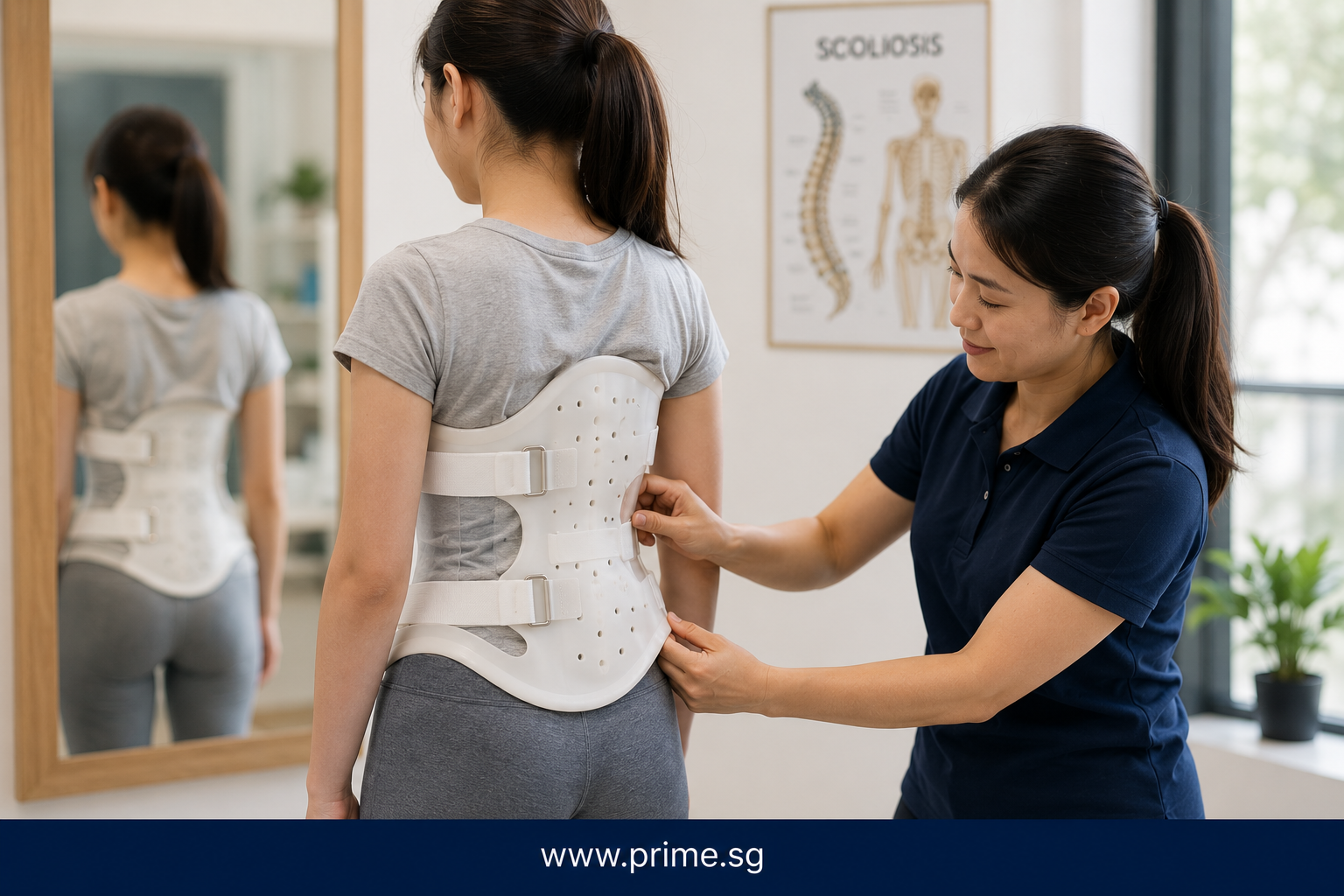
A properly fitted scoliosis brace, combined with regular monitoring and rehabilitation, can play an important role in helping manage spinal curve progression during growth.
Bracing: More Than Simply Supporting the Spine
Bracing remains one of the most widely recognised non-surgical scoliosis treatment options.
For growing adolescents with curves that show a risk of progression, a brace may be recommended as part of a broader management plan.
The primary aim of bracing is to help manage progression during periods of growth.
Success often depends on several factors, including:
- Early intervention
- Appropriate brace design
- Consistent wear
- Growth status
- Patient compliance
Importantly, bracing is rarely a standalone solution. It often works best when combined with education, regular monitoring, rehabilitation, and active patient participation.
The Growing Role of Scoliosis-Specific Rehabilitation
Over the past two decades, scoliosis-specific rehabilitation programmes have gained increasing attention within conservative scoliosis care.
Unlike general exercise programmes, scoliosis-specific rehabilitation is designed to address the unique characteristics of an individual’s spinal curvature.
These programmes may focus on:
- Postural awareness
- Breathing mechanics
- Spinal stabilisation
- Muscular balance
- Movement retraining
- Functional activities
The objective is not simply to exercise more but to improve body awareness and help the body adapt more effectively to the spinal curvature.
Because every scoliosis pattern is unique, rehabilitation programmes are typically customised to the individual’s needs.
Scoliosis in Adults
Although scoliosis is commonly diagnosed during childhood and adolescence, adults can also develop spinal curvature or experience progression of existing curves.
For some adults, scoliosis may contribute to discomfort, reduced mobility, postural changes, or functional limitations.
Conservative management may help support posture, mobility, function, and overall quality of life in selected adult patients. Treatment recommendations will vary depending on the individual’s symptoms, spinal alignment, and overall health.
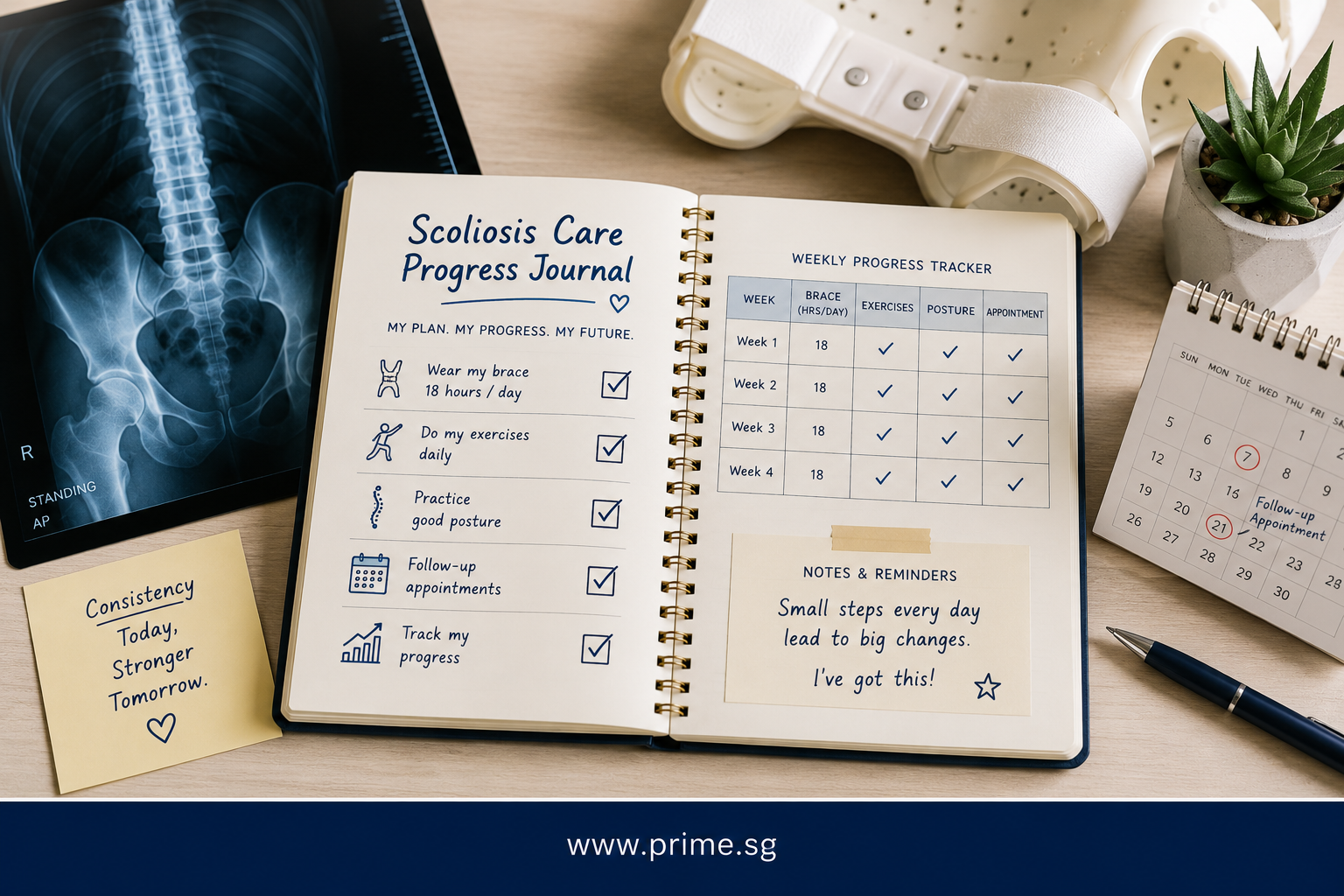
Consistent brace wear, rehabilitation exercises and regular follow-up appointments are key components of successful non-surgical scoliosis treatment and long-term spinal health.
Why Compliance Matters
One of the most overlooked factors in scoliosis management is patient compliance.
Even the most carefully designed treatment plan may have limited effectiveness if recommendations are not followed consistently.
Whether it involves attending appointments, wearing a brace as prescribed, performing rehabilitation exercises, or maintaining regular follow-up assessments, patient participation plays an important role in long-term outcomes.
Successful scoliosis management is often a partnership between healthcare professionals, patients, and their families.
Is Surgery Ever Necessary?
While conservative management can be highly effective for many patients, surgery remains an important treatment option in selected circumstances.
Some spinal curves continue to progress despite appropriate conservative care. Others may reach a severity where surgical evaluation becomes necessary.
The decision to consider surgery depends on multiple factors, including:
- Curve magnitude
- Progression rate
- Skeletal maturity
- Symptoms
- Functional limitations
- Overall patient goals
For this reason, scoliosis management should not be viewed as a choice between conservative care and surgery. Rather, it is a continuum of care in which different options may become appropriate at different stages.
Successful scoliosis management begins with early detection, personalised care and consistent monitoring. Many patients with mild to moderate scoliosis can benefit from non-surgical treatment approaches tailored to their individual needs.
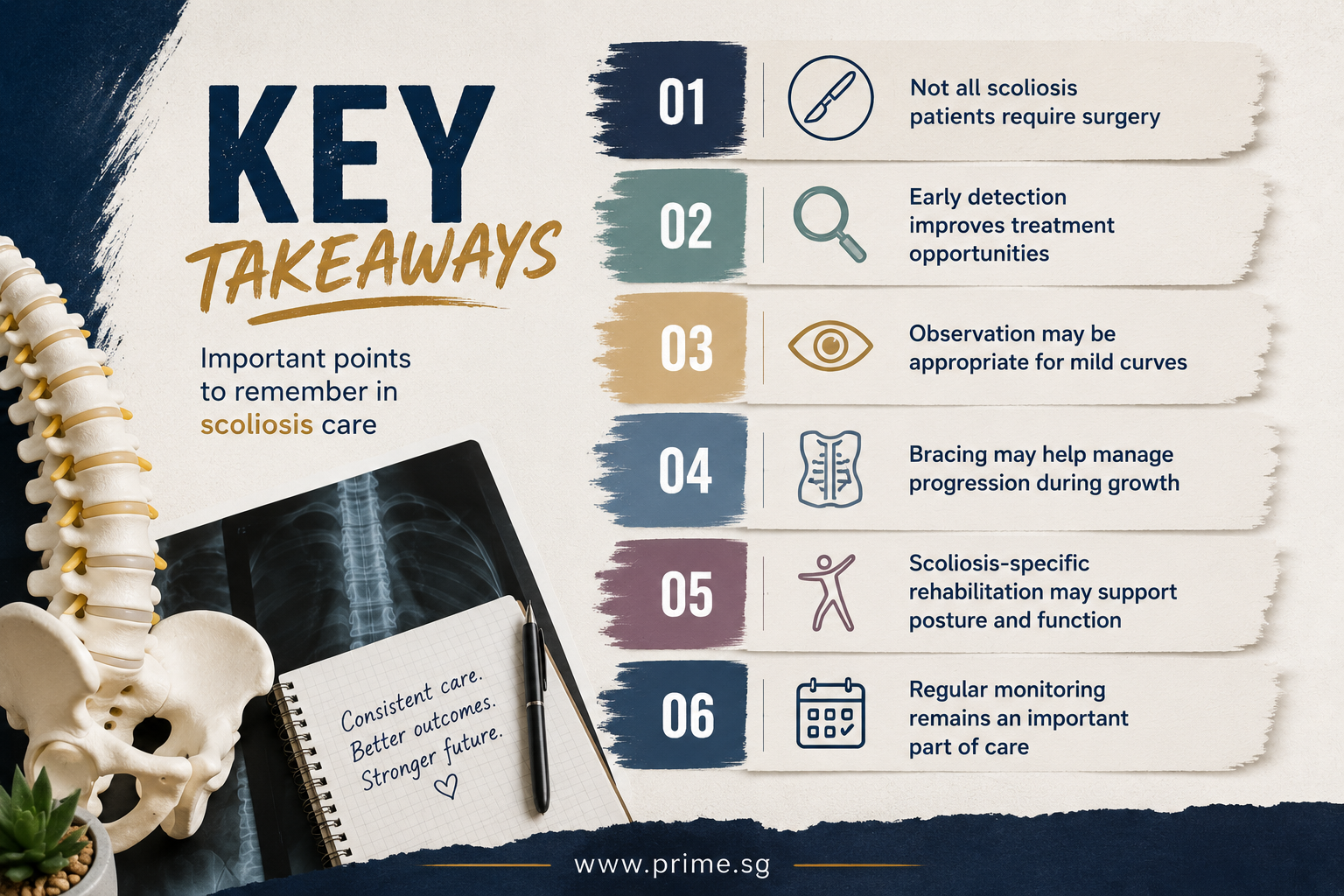
Key Takeaways
- Not all scoliosis patients require surgery
- Early detection improves treatment opportunities
- Observation may be appropriate for mild curves
- Bracing may help manage progression during growth
- Scoliosis-specific rehabilitation may support posture and function
- Regular monitoring remains an important part of care
The Bottom Line
A scoliosis diagnosis does not automatically mean surgery is inevitable.
Many patients can benefit from conservative management strategies that include observation, monitoring, bracing, scoliosis-specific rehabilitation, and personalised care plans.
Early assessment remains one of the most important factors in scoliosis management. The earlier changes are identified, the greater the opportunity to monitor progression and explore appropriate treatment options before more invasive interventions become necessary.
For patients and families navigating a scoliosis diagnosis, understanding the full spectrum of treatment options is often the first step towards making informed and confident decisions about spinal health.





Leave A Comment