
Weight Management & Metabolic Health
Endoscopic Sleeve Gastroplasty (ESG) for Weight Loss
by Dr Melvin Look – PanAsia Surgery Group
Obesity is a significant public health concern worldwide. Modern diets and sedentary lifestyles have led to obesity rates tripling over the past five decades. Obesity increases the risk of diabetes, high blood pressure, abnormal cholesterol levels and heart disease.
Understanding Body Fat
Body fat, or adipose tissue, serves an important role in storing energy for times when food intake is low. However, when calorie intake consistently exceeds what the body expends, fat storage increases beyond healthy limits. Over time, this imbalance can contribute to obesity and its related health effects.
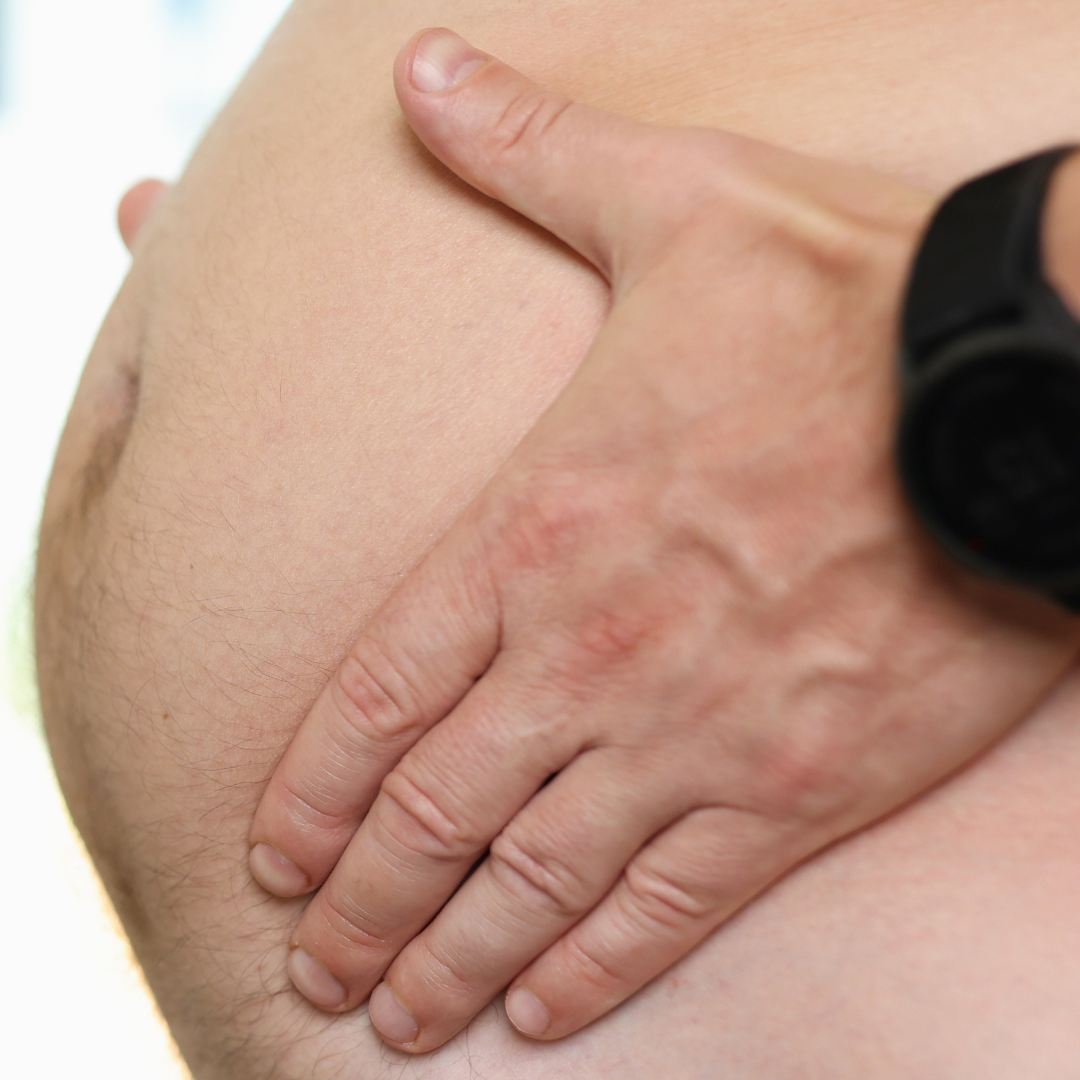
Weight management involves more than appearance, with care tailored to each person’s health and needs.
Weight Management Challenges
Weight reduction typically involves reducing caloric intake and increasing physical activity. However, maintaining long-term weight loss through lifestyle modification alone can be difficult for many individuals. Factors such as metabolism, appetite regulation, social habits, and emotional well-being influence weight control.
Pharmacological options, such as glucagon-like peptide-1 (GLP-1) receptor agonists, have recently gained attention for their role in managing obesity. While these medications can support weight loss, they may cause side effects and require medical supervision.
For individuals with severe obesity, bariatric surgery has been the standard treatment. Surgeons use minimally invasive techniques to perform gastric bypass and sleeve gastrectomy. These procedures can produce substantial, sustained weight loss and improve metabolic conditions. These procedures, however, carry the usual surgical risks and require a period of recovery. They are generally recommended for individuals with a Body Mass Index (BMI) above 32–37 kg/m².
Individuals with a lower BMI (27–32 kg/m²) may not qualify for surgery but may still face health challenges related to excess weight. In such cases, doctors may consider less invasive options as part of a wider weight management plan.
Endoscopic Sleeve Gastroplasty (ESG)
Endoscopic Sleeve Gastroplasty (ESG) is a minimally invasive endoscopic procedure that reduces the size of the stomach without the need for incisions. Under general anaesthesia, the doctor passes a flexible endoscope through the mouth into the stomach. A special suturing device allows the doctor to fold and stitch the stomach wall, reducing its volume by approximately 70–80%.
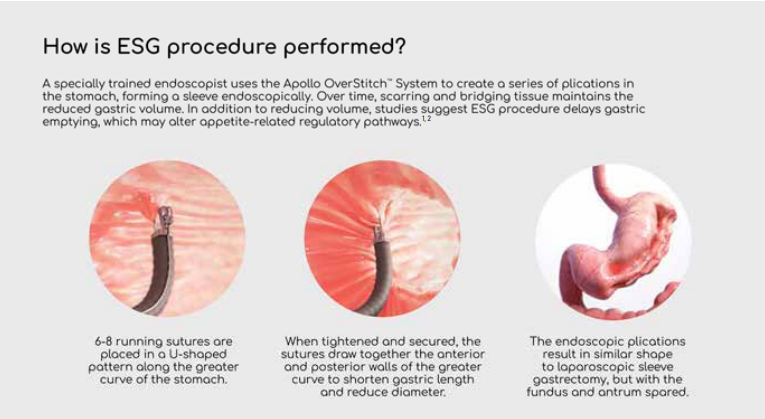
During ESG, a specialist places and tightens sutures inside the stomach to reduce its size without external incisions.
By decreasing stomach capacity and delaying gastric emptying, ESG promotes earlier satiety and helps individuals consume smaller portions comfortably. The procedure usually takes about an hour. Some individuals may experience mild abdominal discomfort, nausea, or bloating, which typically resolve within a few days. Most are able to resume regular activities after a short recovery period.
After the procedure, patients follow a gradual eating plan, starting with liquids before moving to soft and then solid foods over several weeks.
Compared with surgical options such as Laparoscopic Sleeve Gastrectomy (LSG), ESG generally involves less downtime and no external scars. The effects can last several years and, if necessary, the sutures can be adjusted or reversed endoscopically.

Safety and Effectiveness
ESG is approved by the U.S. Food and Drug Administration (FDA) and has been performed internationally with an established safety record. Clinical studies have shown that participants may achieve approximately 15–20% total body weight loss within one to two years after the procedure — corresponding to roughly 50% of excess weight loss.
ESG works best alongside a comprehensive weight management plan that includes dietary changes, physical activity and behavioural support.

A personalised weight management plan considers overall health, lifestyle and suitable treatment options.
Disclaimer:
This article provides general information and does not replace medical advice. Speak to a qualified healthcare professional for a personal assessment before considering weight management treatment. PRIME












Leave A Comment