
Digestive & Gut Health
Traveller’s Diarrhoea Prevention: Symptoms, Causes and How to Avoid It
PRIME
Traveller’s diarrhoea prevention is an important concern for many travellers. Changes in food, water, climate and hygiene practices can upset the digestive system and lead to illness during a trip. Traveller’s diarrhoea is one of the most common travel-related health problems, but with the right precautions, travellers can reduce the risk and enjoy a healthier journey.
Many travellers have experienced it before — sudden stomach cramps, repeated trips to the bathroom and the frustration of missing out on planned activities. Fortunately, you can reduce the risk by taking a few simple precautions.

Smart packing for a smoother journey. 🧳
What Is Traveller’s Diarrhoea and Why Prevention Matters
Traveller’s diarrhoea occurs when people consume food or water contaminated with harmful bacteria, viruses or parasites.
The most common cause worldwide is a bacterium called enterotoxigenic E. coli (ETEC). Other germs such as Salmonella, Shigella, Campylobacter, viruses like norovirus, and parasites such as Giardia can also cause the illness.
Travellers often face a higher risk because their bodies are not used to the local microbes found in food and water. Even food that locals tolerate well may cause digestive upset in visitors.
Studies estimate that 30–70% of travellers visiting higher-risk regions develop traveller’s diarrhoea.
Higher-risk destinations include:
-
Parts of Asia
-
Africa
-
The Middle East
-
Mexico
-
Central and South America
Symptoms to Watch For
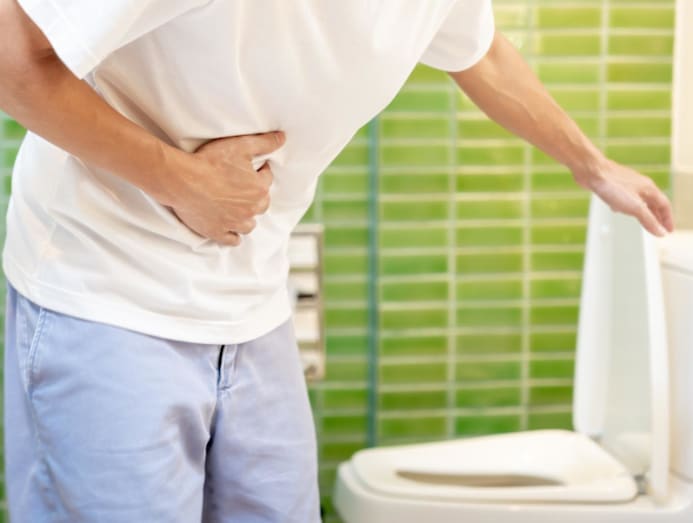
Stomach cramps are a common symptom of traveller’s diarrhoea.
Symptoms usually appear within a few hours to a few days after consuming contaminated food or water.
The most common symptom is loose or watery stools, usually occurring several times a day.
Other symptoms may include:
-
Stomach cramps
-
Nausea or vomiting
-
Fever
-
Bloating
-
Excessive gas
-
Loss of appetite
-
An urgent need to pass stool
Most cases improve within three to five days. However, severe cases can lead to dehydration, especially if vomiting or fever occurs.
Travellers should seek medical help if they experience:
-
Severe or persistent diarrhoea
-
High fever
-
Blood in the stool
-
Signs of dehydration such as dizziness or weakness
How Can Traveller’s Diarrhoea Be Prevented?

Proper handwashing with soap and water is one of the most effective ways to prevent infections and reduce the risk of traveller’s diarrhoea.
Although traveller’s diarrhoea is common, simple habits can help reduce the risk.
Choose food carefully
Eat food that is freshly cooked and served hot. Avoid raw or undercooked meat, seafood and eggs.
Drink safe water
Choose sealed bottled water whenever possible. Avoid ice cubes unless you know they come from safe water.
Be careful with raw foods
Raw vegetables and salads may have been washed with unsafe water. Fruits that you peel yourself, such as bananas or oranges, are usually safer.
Wash your hands often
Wash your hands with soap and water before eating. When this is not possible, use an alcohol-based hand sanitiser.
Support gut health
A healthy gut may help the body cope better with unfamiliar foods during travel. Some travellers take probiotic supplements before and during their trips.
Supporting Digestive Health While Travelling
Some travellers consider probiotic supplements as part of their travel health preparations.
DUOLAC Travel is a probiotic supplement designed for travellers. It contains heat-treated Lactobacillus acidophilus and a proprietary ingredient known as Prolac-TT™, which is designed to support gut microbial balance.
DUOLAC products also use a dual-coating technology, intended to help probiotic ingredients survive the acidic environment of the stomach so they can reach the intestines.
While probiotics are not a guaranteed prevention for traveller’s diarrhoea, some studies suggest they may help support digestive health and gut balance during travel.
As with any supplement, travellers should consult a healthcare professional if they have underlying health conditions or concerns.
Travel Smart and Stay Healthy
Traveller’s diarrhoea remains one of the most common illnesses affecting travellers. However, careful food choices, good hygiene and proper preparation can greatly reduce the risk.
By staying mindful of what you eat and drink and supporting your digestive health, you can focus on enjoying your trip instead of dealing with stomach problems.
A little preparation can make a big difference in keeping your journey comfortable and memorable.