

Film directors are often described as the true authors of cinema. Beyond guiding performances and shaping narratives, they define tone, visual language and emotional impact. Across film history, certain directors have transformed the medium itself, redefining how stories are told and how audiences experience them.
While many directors have created memorable films, only a select few have fundamentally changed cinema. These filmmakers did more than succeed commercially or critically. They pushed boundaries, developed new techniques and left behind bodies of work that continue to influence generations. This article pays tribute to ten of the greatest directors of all time — visionaries whose legacies transcend genre, culture and era.
AKIRA KUROSAWA
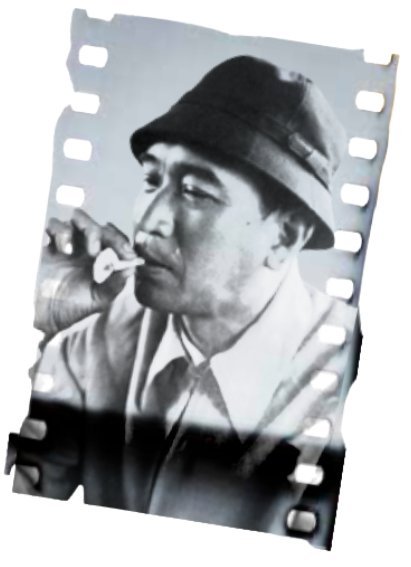
Akira Kurosawa’s, the human drama and heroism visionary
The Visionary of Human Drama and Heroism
Akira Kurosawa stands as one of the most influential figures in global cinema. His work bridged Eastern and Western storytelling traditions, introducing international audiences to the depth and power of Japanese filmmaking.
Signature Style and Themes
Kurosawa explored universal themes such as honour, justice and moral conflict. His stories often examined the tension between individual choice and social responsibility, presented through richly layered characters. These humanist narratives allowed his films to resonate across cultures.
Movement played a central role in his storytelling. Through dynamic camera work and the use of natural elements like rain and wind, Kurosawa transformed action into emotional spectacle. Films such as Seven Samurai, Yojimbo and Rashomon introduced techniques that reshaped cinematic language.
Lasting Influence
Despite facing funding challenges later in life, Kurosawa continued to create landmark films, including Ran, his interpretation of King Lear. In 1990, he received an Academy Award for Lifetime Achievement, affirming his enduring influence on world cinema.
Must-Watch: Seven Samurai (1954)
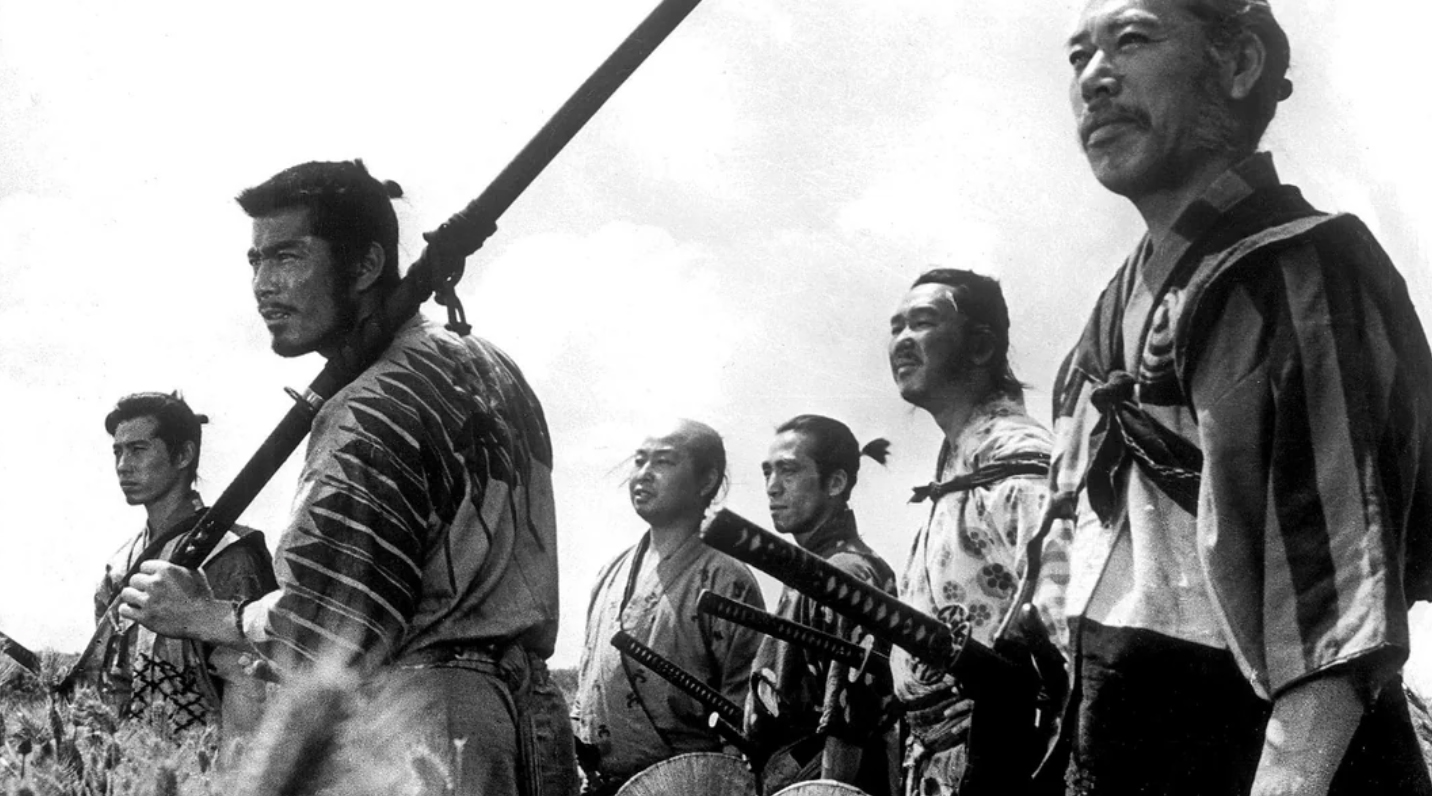
Seven Samurai (1954)
This epic tale of samurai warriors hired to defend a village from bandits is not only one of Kurosawa’s finest achievements, but also one of the most influential films ever made. It laid the blueprint for the modern action team film and inspired countless adaptations, including The Magnificent Seven. More than just a battle saga, Seven Samurai is a profound meditation on heroism, sacrifice and the social order.
ALFRED HITCHCOCK
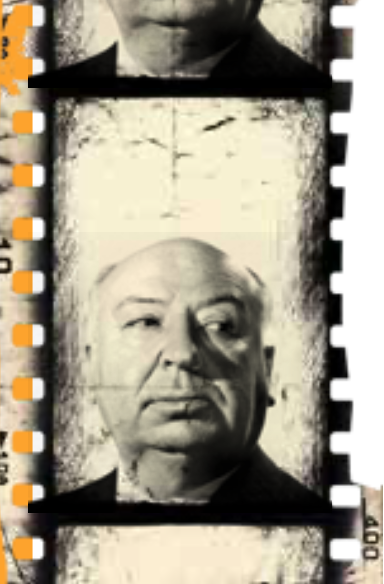
Alfred Hitchcock, the master of suspense
The Master of Suspense
Alfred Hitchcock transformed suspense into a precise cinematic art form. Over a career spanning six decades, he directed more than 50 films that remain essential viewing for audiences and filmmakers alike.
Signature Style and Themes
Hitchcock meticulously designed every scene to control tension and emotion. Through framing, editing and camera movement, he created anxiety without relying on excessive dialogue. Many of his stories revolve around ordinary individuals caught in extraordinary circumstances.
He also popularised the “MacGuffin” — a plot device that motivates characters while remaining secondary to the emotional core of the story. This concept has since become foundational to modern storytelling.
Lasting Influence
Hitchcock pioneered visual techniques such as the subjective camera and the dolly zoom, most famously used in Vertigo. His work continues to shape thrillers and psychological dramas today.
Must-Watch: Vertigo (1958)
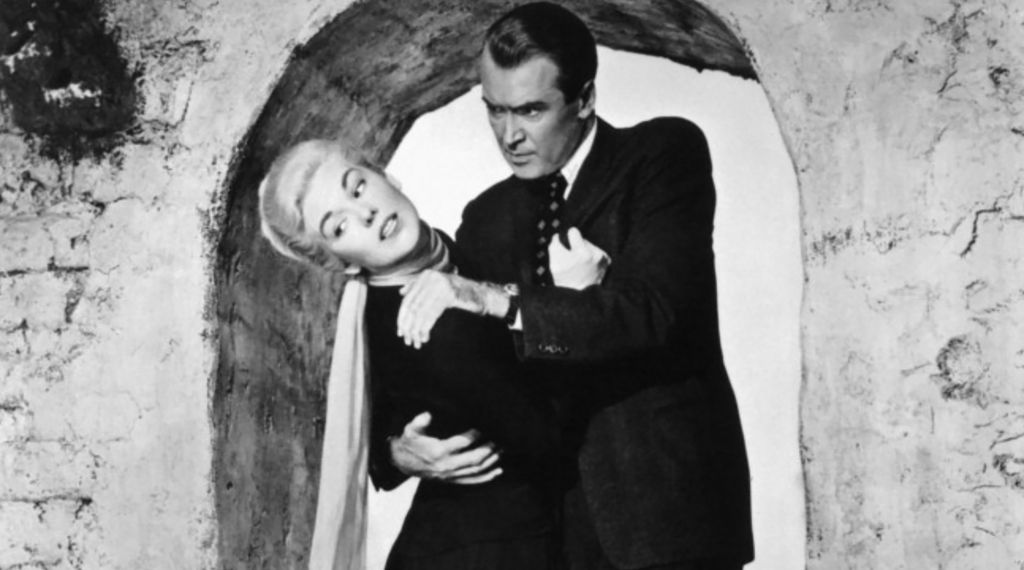
Vertigo Movie 1958 by Alfred Hitchcock
Though initially met with mixed reviews, Vertigo is now hailed as Hitchcock’s masterpiece and one of the greatest films of all time. Vertigo is a haunting exploration of obsession, memory and identity, anchored by a powerful performance from James Stewart. The film’s use of colour, camera techniques and Bernard Herrmann’s eerie score combine to create a mesmerising psychological experience.
Stanley Kubrick
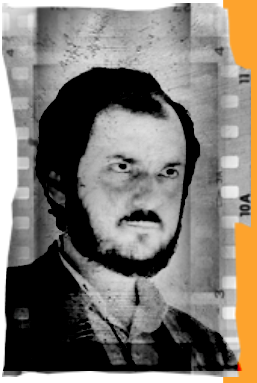
Stanley Kubrick, the architect of cinematic worlds
The Architect of Cinematic Worlds
Stanley Kubrick was known for his uncompromising vision and obsessive attention to detail. His films demand patience and engagement, rewarding viewers with profound intellectual and emotional depth.
Signature Style and Themes
Kubrick moved seamlessly across genres, from science fiction to war, horror and historical drama. His work frequently examined power, institutional control and the fragility of human reason. Every element — from lighting to set design — served a precise purpose.
Technical Innovation
Kubrick pushed cinematic technology forward, most notably in 2001: A Space Odyssey. Its groundbreaking visual effects redefined how space could be portrayed on screen.
Must-Watch: 2001: A Space Odyssey (1968)
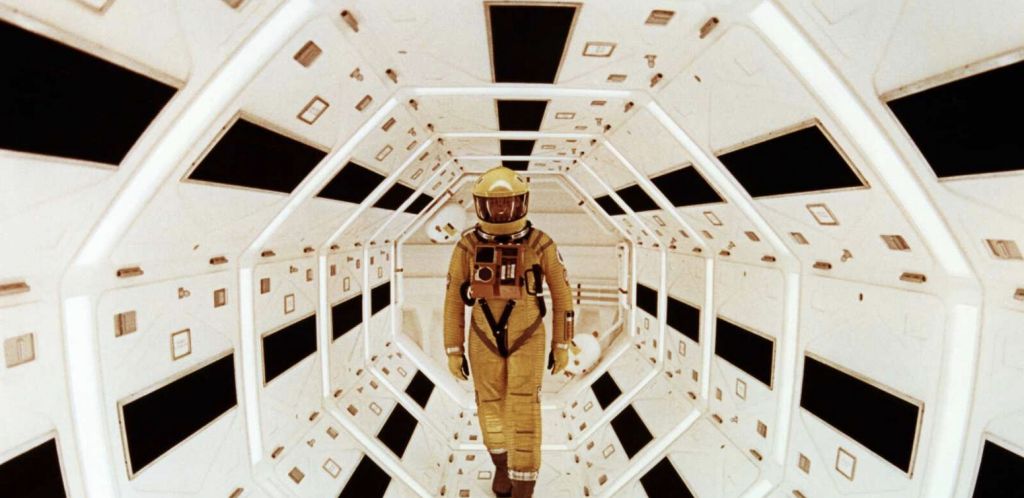
A Space Odyssey (1968)
More than a film, 2001: A Space Odyssey is an experience – a visual and auditory symphony that ponders the origins and future of human consciousness. With minimal dialogue and maximal ambition, Kubrick used cinema to explore humanity’s place in the cosmos. Its influence on science fiction and visual storytelling is immeasurable, and it remains one of the most audacious artistic achievements in any medium.
MARTIN SCORSESE

Martin Scorsese, the chronicler of moral struggle and American identity
Chronicler of Moral Conflict and Identity
Martin Scorsese has spent more than five decades exploring the complexities of morality, violence and faith. His films offer unflinching portraits of ambition, guilt and redemption.
Signature Style and Themes
Scorsese combines intellectual depth with kinetic energy. Rapid editing, long tracking shots and carefully curated soundtracks drive his narratives. Music often functions as a storytelling device, shaping mood and meaning.
His characters grapple with internal conflict and moral ambiguity. Rather than offering judgement, Scorsese allows their choices to unfold with brutal honesty.
Legacy Beyond Film
In addition to directing, Scorsese is a passionate film preservationist. His advocacy has helped restore countless cinematic classics, ensuring their survival for future generations.
Must-Watch: Goodfellas (1990)
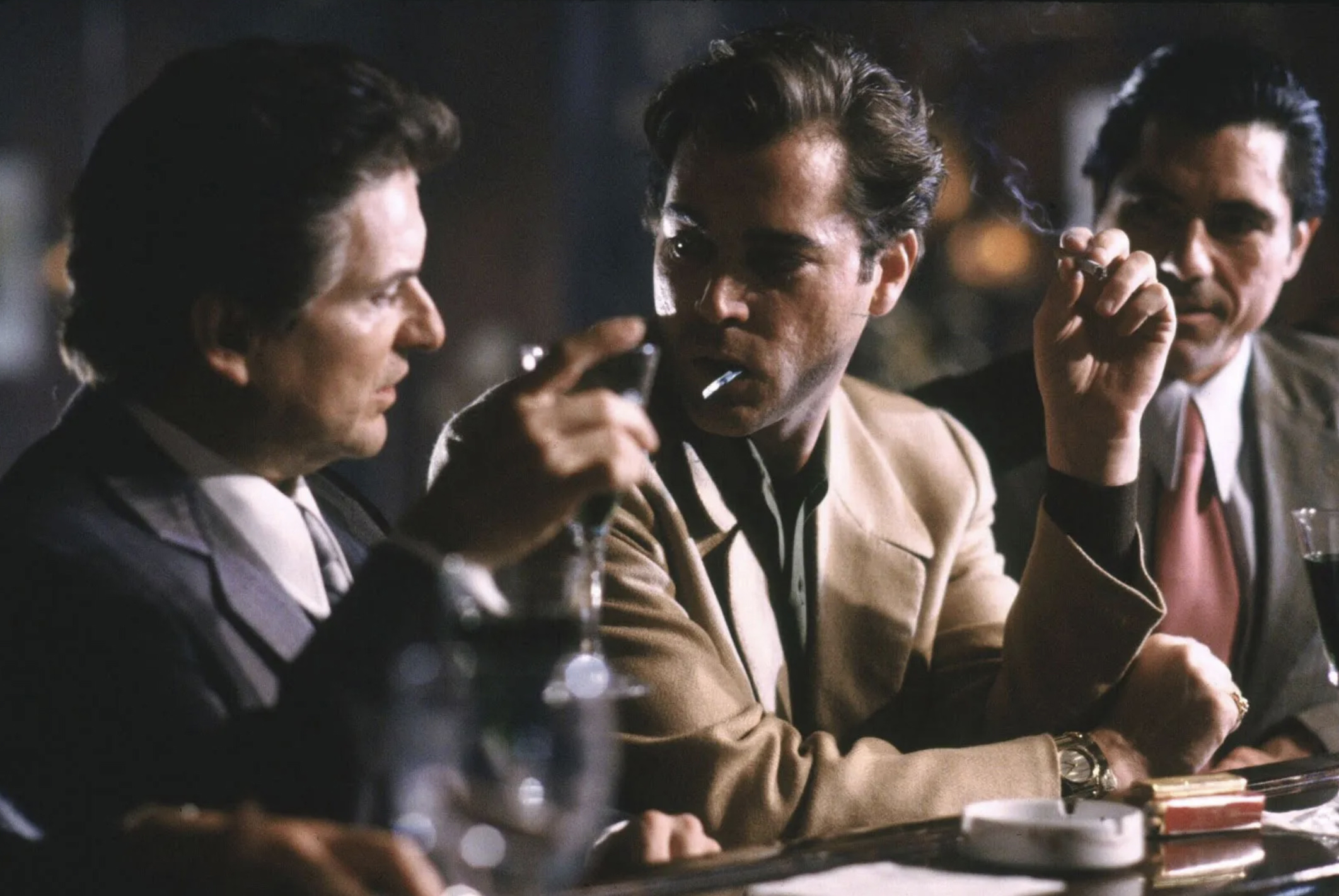
Martin Scorsese Great Movie Director.
Goodfellas, Scorsese’s gangster opus, is not just a crime story – it is an operatic dive into the seduction and rot of power. Through the rise and fall of Henry Hill, this gangster classic presents a dazzling and terrifying world where loyalty, betrayal and hubris collide. Its fast-paced editing, iconic use of music, and career- defining performances (especially from Joe Pesci and Ray Liotta) make it a masterclass in filmmaking.
ORSON WELLES
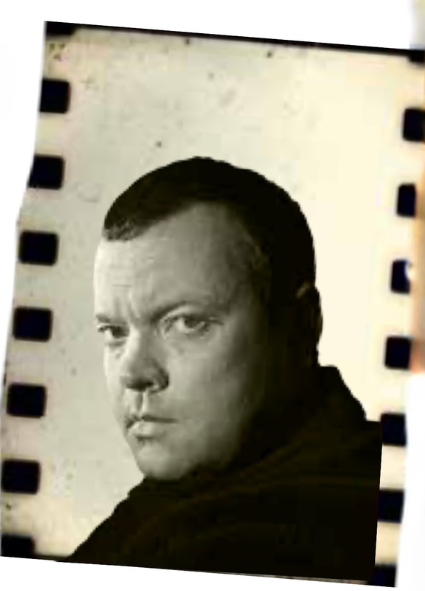
Orson Welles, the revolutionary who changed cinema
The Revolutionary Who Changed Cinema
Orson Welles reshaped filmmaking with astonishing confidence at a young age. His debut, Citizen Kane, redefined narrative structure and visual storytelling.
Innovation and Influence
Through deep focus, non-linear storytelling and bold cinematography, Welles introduced a new cinematic language. His collaboration with cinematographer Gregg Toland proved especially influential.
A Career of Experimentation
Despite ongoing battles with studios, Welles continued to experiment with form throughout his career. Films such as Touch of Evil and F for Fake showcase his relentless creativity.
Must-Watch: Citizen Kane (1941)

Citizen Kane Movie by Orson Welles (1941)
When it comes to Welles’ signature work, it is hard to go beyond Citizen Kane. Everything about Citizen Kane was groundbreaking. The fractured timeline, the unreliable narration, the visual boldness and the psychological complexity of Charles Foster Kane all marked a departure from the conventions of Hollywood storytelling. The movie is not just a historical curiosity; it is still riveting, provocative and rich with meaning. Watching it is like witnessing the birth of modern cinema.
INGMAR BERGMAN
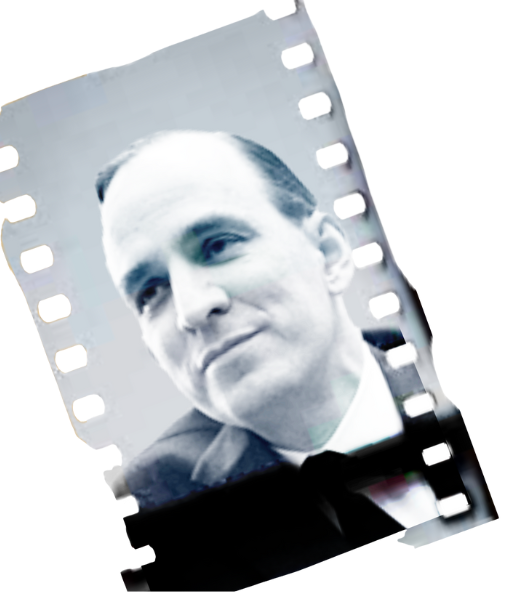
Ingmar Bergman, the poet of existential angst
The Poet of Existential Inquiry
Ingmar Bergman explored the emotional and philosophical depths of the human experience. Though often labelled bleak, his films are deeply concerned with connection, love and meaning.
Signature Style and Themes
Bergman examined faith, loneliness and identity through intimate storytelling. His collaborations with cinematographer Sven Nykvist produced some of cinema’s most striking imagery.
Emotional Intimacy
Through close-ups and restrained performances, Bergman revealed inner lives with remarkable clarity. His films remain challenging yet profoundly human.
Must-Watch: The Seventh Seal (1957)
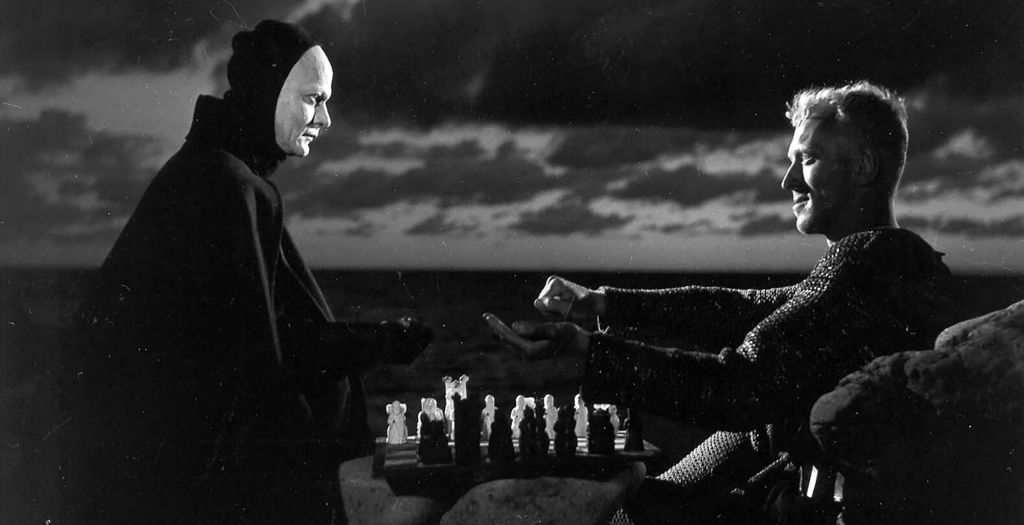
The Seventh Seal (1957)
Bergman’s most iconic film, The Seventh Seal, remains one of the most visually and philosophically arresting works in cinema. The image of a knight playing chess with Death on a desolate beach is one of the most enduring metaphors in film history. But beyond that famous scene lies a profound meditation on faith, fear and the search for grace in a world plagued by suffering and doubt.
STEVEN SPIELBERG
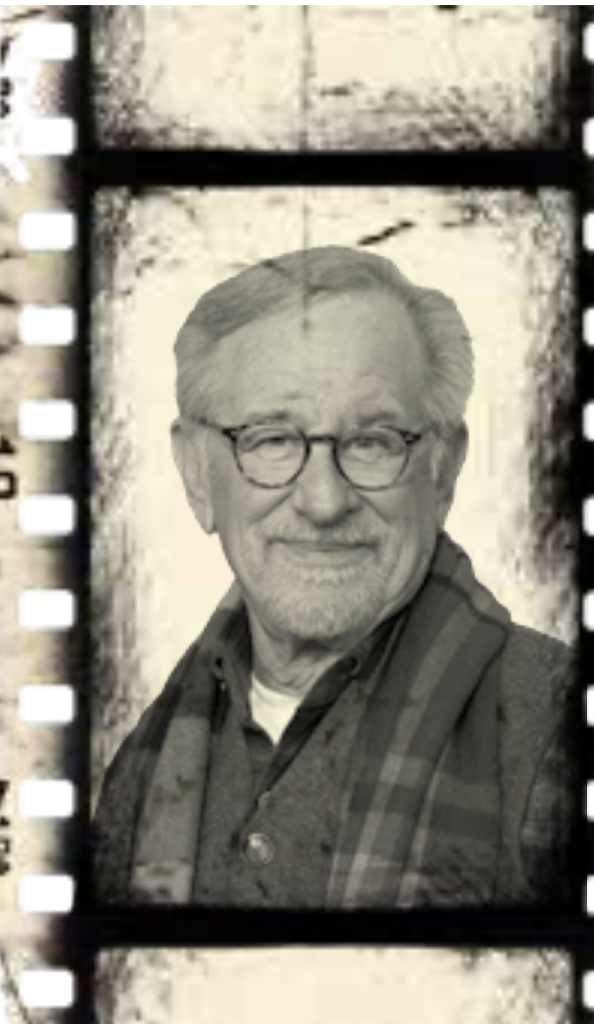
Steven Spielberg, the storyteller of blockbuster imagination
The Storyteller of Global Imagination
Steven Spielberg shaped modern blockbuster cinema while also creating powerful historical dramas. Few directors have achieved such balance between popular appeal and artistic depth.
Signature Style and Themes
Spielberg’s visual language fosters awe, empathy and emotional connection. His use of the long take and expressive close-ups draws viewers into moments of wonder or fear.
Cultural Impact
From Jaws to Jurassic Park, Spielberg transformed Hollywood’s approach to spectacle. Films like Schindler’s List revealed his capacity for moral gravity and restraint.
Must-Watch: Schindler’s List (1993)
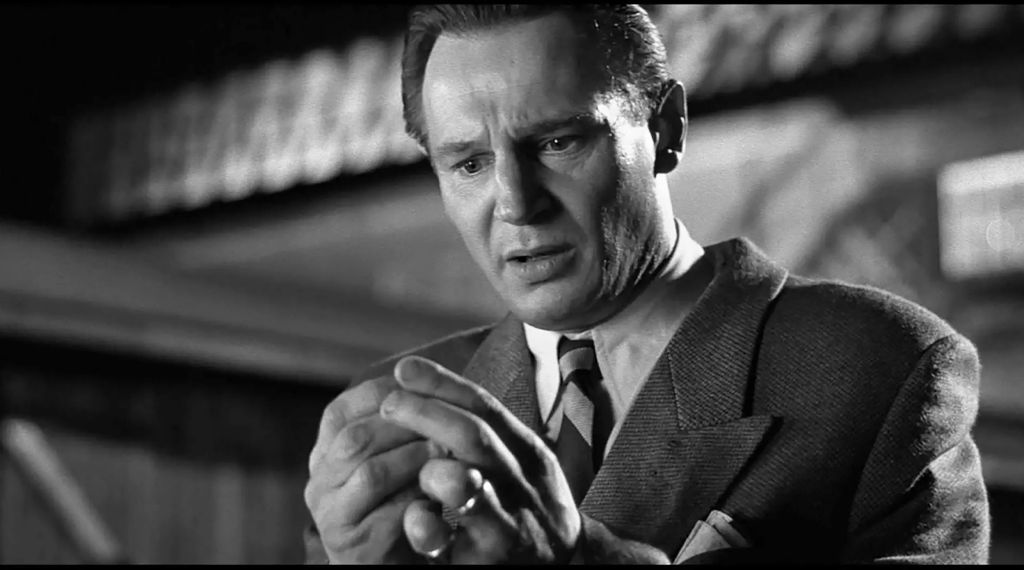
Schindler’s List (1993)
This stark, haunting chronicle of Oskar Schindler’s efforts to save Jews during the Holocaust is Spielberg at his most emotionally and historically profound. Shot largely in black and white, the film is both intimate and epic, offering a visceral portrayal of inhumanity and redemption. It marked a turning point in Spielberg’s career, showcasing the depth and seriousness behind his commercial success and cementing his legacy as a director of conscience.
FEDERICO FELLINI
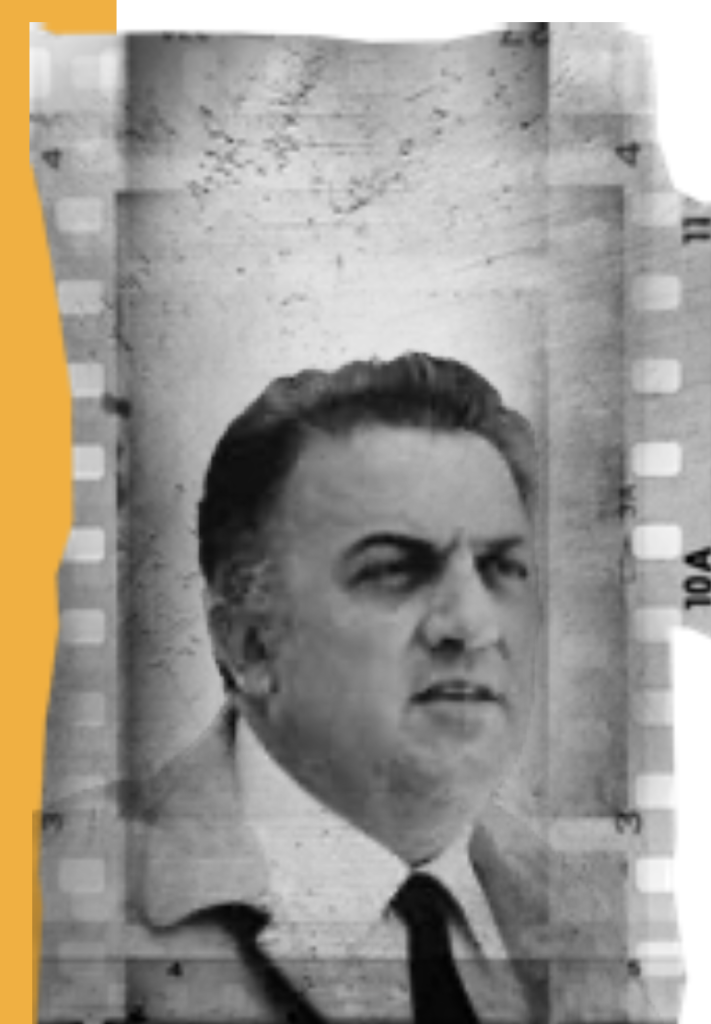
Federico Fellini, the maestro of memory and dreams
The Maestro of Memory and Dreams
Federico Fellini turned cinema into a dreamlike exploration of memory, identity and desire. His work blends autobiography with fantasy in visually extravagant ways.
Artistic Evolution
Starting in Italian Neorealism, Fellini gradually embraced surrealism and symbolism. Films like 8½ reflect the creative struggle itself.
Lasting Influence
Fellini’s imaginative freedom inspired generations of filmmakers, including Martin Scorsese, who continues to cite his influence.
Must-Watch: 8½ (1963)

8-1/2 (1963) by Federico Fellini
This is perhaps the definitive film about filmmaking, creativity and personal paralysis. Marcello Mastroianni stars as a director overwhelmed by the pressures of his art, his past, and the many women in his life. Blurring fantasy and reality with breathtaking fluidity, 8½ is both dazzling and soul-searching – a dream rendered with clarity. It remains one of the most influential and imitated films in history.
ANDREI TARKOVSKY
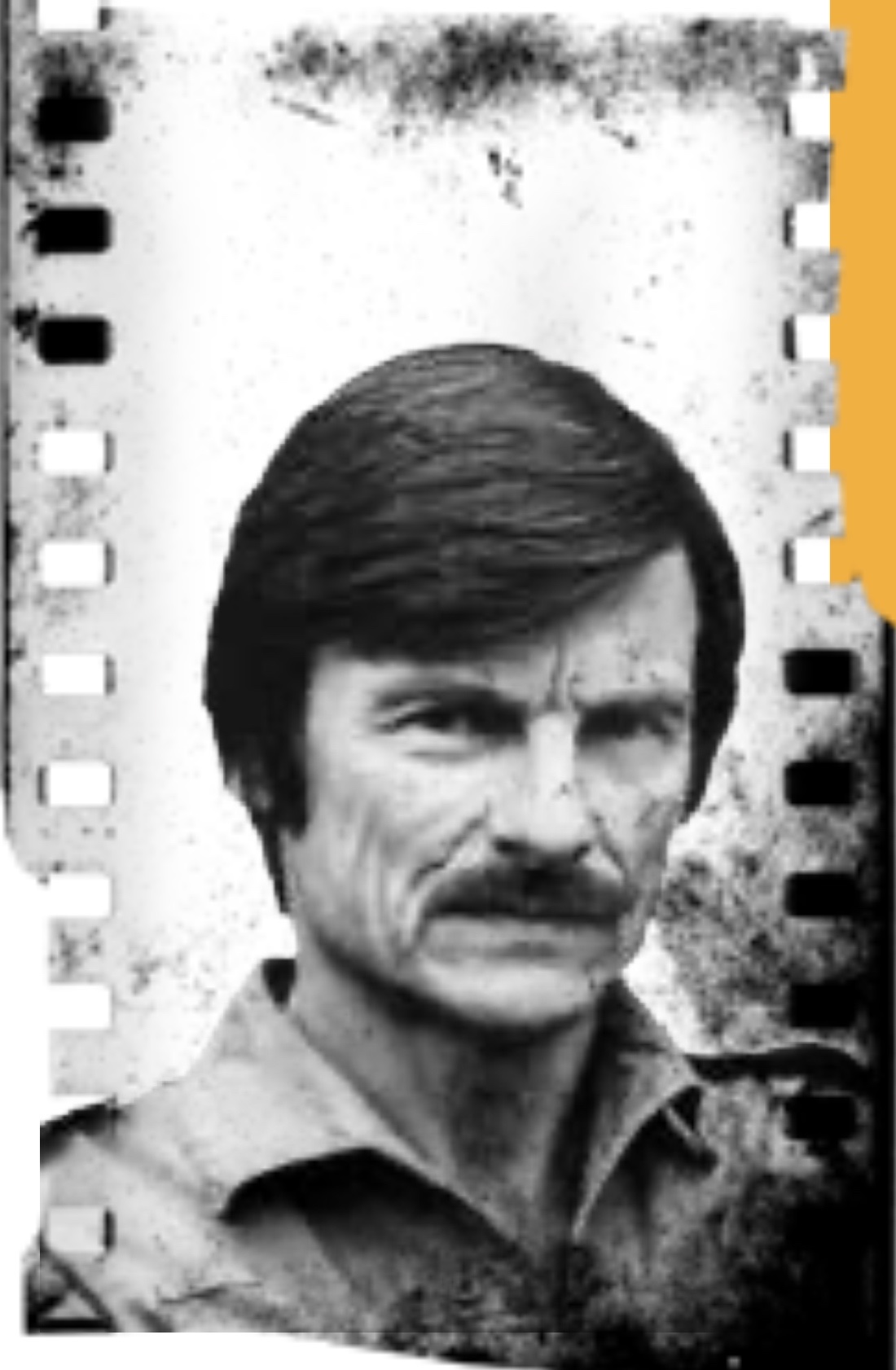
Andrei Tarkovsky, the philosopher of cinema
The Philosopher of Cinema
Andrei Tarkovsky viewed film as a spiritual and philosophical medium. His work invites contemplation rather than passive viewing.
Signature Style and Themes
Long takes, minimal editing and natural elements define Tarkovsky’s aesthetic. Time unfolds slowly, allowing emotion and memory to surface organically.
Spiritual Inquiry
His films explore suffering, faith and redemption without prescribing answers. Works like Stalker challenge audiences to reflect inwardly.
Must-Watch: Stalker (1979)
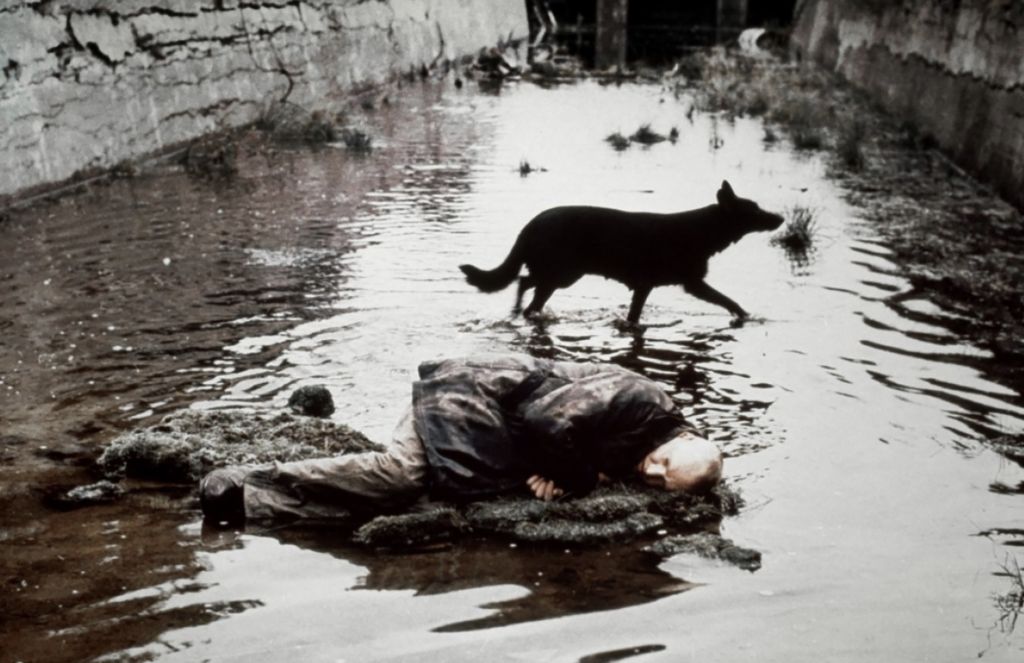
Stalker (1979)
In Stalker, a writer and a scientist are led by a mystical guide into the forbidden “Zone,” where it is said one’s deepest wishes may come true. But the journey is not about finding answers – it is about confronting one’s self. Sparse in action but dense with philosophical meaning, Stalker is a hypnotic and haunting meditation on faith, desire and human frailty. It is slow cinema at its most powerful.
QUENTIN TARANTINO
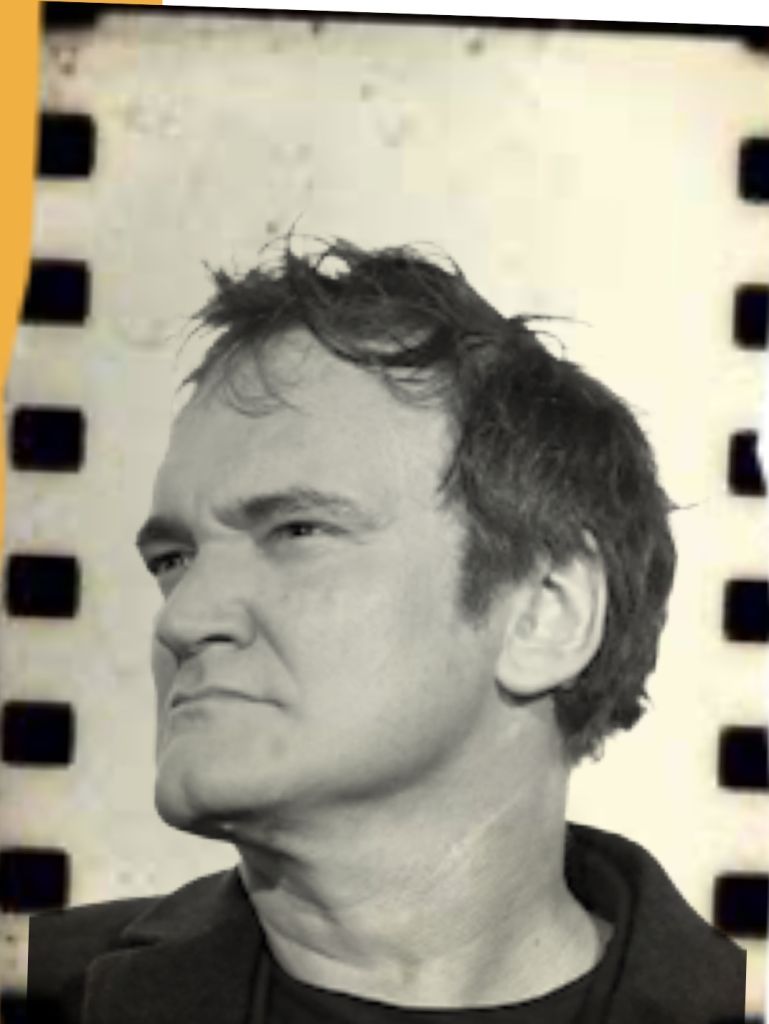
Quentin Tarantino, the alchemist of postmodern pop culture
The Alchemist of Postmodern Cinema
Quentin Tarantino reshaped contemporary filmmaking through bold storytelling and genre fusion. His films blend homage with innovation.
Narrative Style
Non-linear structures, stylised dialogue and sharp tonal shifts define his work. Beneath the surface energy lies meticulous structure and emotional intent.
Cultural Influence
Tarantino has revived interest in overlooked genres and inspired a new generation of filmmakers to embrace personal vision.
Must-Watch: Pulp Fiction (1994)
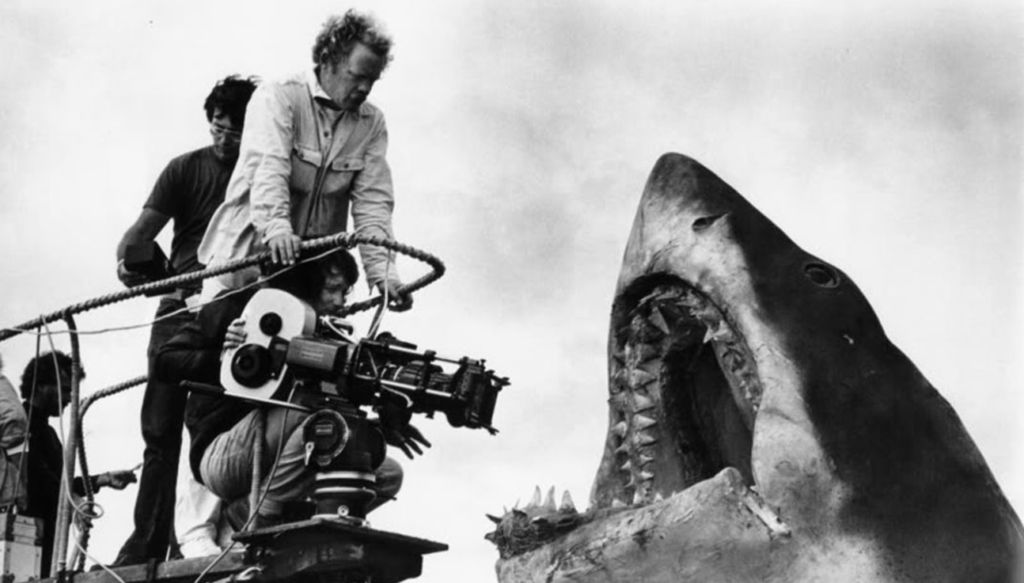
Pulp Fiction, (1994)
Tarantino’s breakthrough film changed the landscape of independent cinema. Its non-linear narrative, unforgettable characters and endlessly quotable dialogue made it an instant classic. Pulp Fiction is not just cool – it is subversive, funny and oddly profound. Its influence on the structure and tone of modern movies cannot be overstated. Pulp Fiction is both a love letter to cinema and a redefinition of it.
A TAPESTRY OF VISION AND INFLUENCE

Quentin Tarantino, Pulp Fiction (1994)
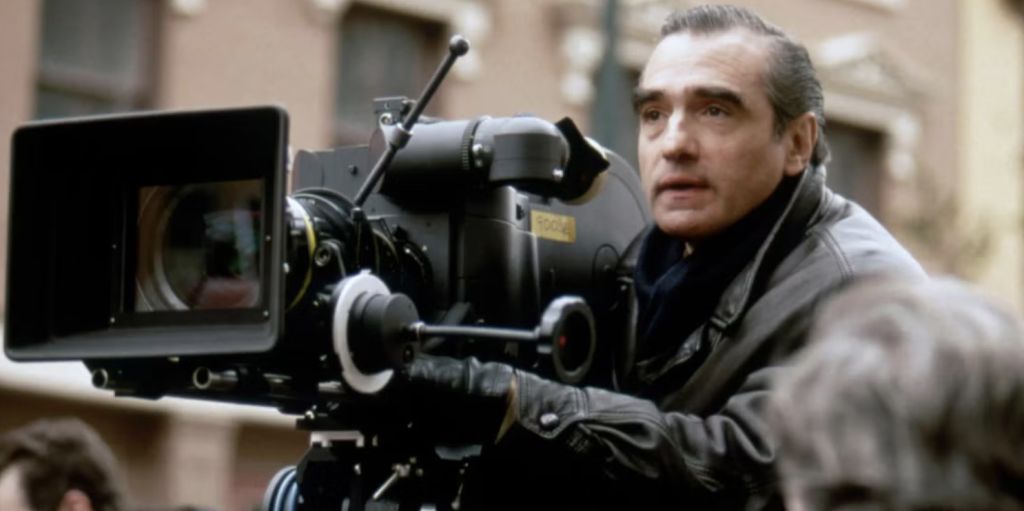
Quentin Tarantino
Greatness in cinema takes many forms. These ten directors represent the vast potential of film as art, language and emotional experience. While their styles differ, each reshaped how stories are told on screen.
As cinema continues to evolve, their influence endures. In every innovation and bold creative risk, traces of these masters remain — guiding, challenging and inspiring storytellers around the world. PRIME









Leave A Comment