Ageing, Longevity & Retirement
What Nobody Tells You About Retiring in Singapore
PRIME
Retirement in Singapore is often viewed as a financial milestone — a time to finally slow down after decades of work and responsibility. But beyond CPF savings, retirement plans and healthcare concerns lies another reality many Singaporeans are unprepared for: the emotional transition of leaving behind a career, routine and identity that may have shaped most of adult life.
For decades, life in Singapore often follows a familiar rhythm.
Study hard. Work hard. Build a career. Raise a family. Save for retirement.
Then one day, almost without warning, the structure that shaped your life for forty years quietly disappears.
No more Monday morning rush. No packed MRT rides into the CBD. No overflowing inbox waiting at 8am. No meetings, deadlines or work calls filling the day.
For many Singaporeans, retirement is imagined as freedom — a long-awaited reward after years of responsibility and routine. Yet when the moment finally arrives, the experience can feel surprisingly unfamiliar, disorienting and emotionally complex.
Because while financial planning receives much of the attention, the emotional reality of retirement is something far fewer people talk about.
And for some, the hardest part of retirement is not money.
It is identity.
How Retirement In Singapore Is Changing
Singaporeans are living longer, staying healthier later into life, and rethinking what ageing means altogether. Many continue working beyond traditional retirement age — not always because they have to, but because work continues to provide structure, meaning, social connection and a sense of relevance.
At the same time, rising living costs, healthcare concerns and longer life expectancy have changed how people think about retirement financially.
But beyond practical concerns lies another reality that is harder to quantify.
For decades, work often becomes deeply tied to self-worth. Careers shape daily routines, social circles, personal achievements and even identity itself.
When that suddenly changes, retirement can feel less like a permanent holiday and more like stepping into unfamiliar territory.
Some retirees describe the first few months as liberating. Others quietly struggle with feelings they never expected — restlessness, loneliness, anxiety, boredom or a lingering sense of emotional emptiness.
And many are caught off guard by just how much of their identity had been built around being needed.
The Silence After A Lifetime Of Noise
Not physical silence — but emotional silence.
After years of packed schedules and constant obligations, the days can suddenly feel unusually still.
For some Singaporeans, this stillness is deeply uncomfortable.
There are no urgent emails to answer. No colleagues calling. No projects demanding attention. No immediate sense of purpose driving the day forward.
Even relationships at home may shift unexpectedly. Couples who once spent most of their lives apart during working hours suddenly find themselves sharing the same space every day. Family dynamics change. Adult children become more independent. Social circles may shrink.
Many retirees discover that work had quietly provided more than just income.
It provided routine.
Structure.
Recognition.
Conversation.
Momentum.
Without those things, some begin asking difficult questions they never had time to confront before.
Who am I without my career?
What am I working towards now?
What gives my life meaning moving forward?
These are not financial questions.
They are deeply human ones.
Why Many People Delay Retirement In Singapore
It is perhaps no surprise then that many Singaporeans continue working well beyond retirement age.
Some do so out of financial necessity. Others simply do not feel emotionally ready to stop.
For many, work represents familiarity and continuity in a rapidly changing world.
There is also the fear — often unspoken — of becoming irrelevant.
In a society that strongly values productivity and achievement, retirement can sometimes feel psychologically unsettling. People who once led teams, managed businesses or built successful careers may struggle with the idea of slowing down.
Particularly among men, career identity can become so deeply intertwined with self-worth that retirement feels less like rest and more like loss.
Yet increasingly, attitudes are beginning to evolve.
The newer idea of retirement is no longer centred purely around stopping work altogether. Instead, many Singaporeans are redefining retirement into something more flexible and personal.
Some choose part-time consulting work. Others mentor younger professionals, volunteer, travel, learn new skills or pursue passions that were long postponed during their working years.
Retirement today is becoming less about withdrawal from life — and more about redesigning it.
The Health Impact Of Retirement And Ageing
Without the structure of daily work, routines around exercise, sleep, meals and social interaction can shift dramatically.
Some retirees become less physically active without realising it. Others experience increased isolation, which research has increasingly linked to poorer mental and cognitive health later in life.
On the other hand, retirement can also become an opportunity for healthier living.
Many finally have time to prioritise sleep, exercise, medical check-ups, hobbies, friendships and emotional wellbeing. Some rediscover joy in slower routines that were impossible during their busiest working years.
The difference often lies in whether retirement is approached passively — or intentionally.
Experts increasingly emphasise that successful ageing is not simply about financial preparedness, but emotional, physical and social preparedness as well.
In other words, preparing for retirement is not only about asking:
“How much money do I need?”
It may also require asking:
“What kind of life do I want to wake up to each day?”
Life After Retirement In Singapore Can Be Meaningful
For many Singaporeans today, it is becoming something else entirely.
A transition.
A reinvention.
A second adulthood.
Some use retirement to reconnect with neglected relationships. Others finally explore creative passions, spirituality, travel or community work. Many begin focusing on health and wellbeing in ways they never could while constantly rushing through working life.
There is also a growing recognition that purpose does not disappear once careers end.
It simply changes form.
The truth is that retirement can feel unsettling precisely because it forces people to confront questions that busy working lives often allow us to avoid.
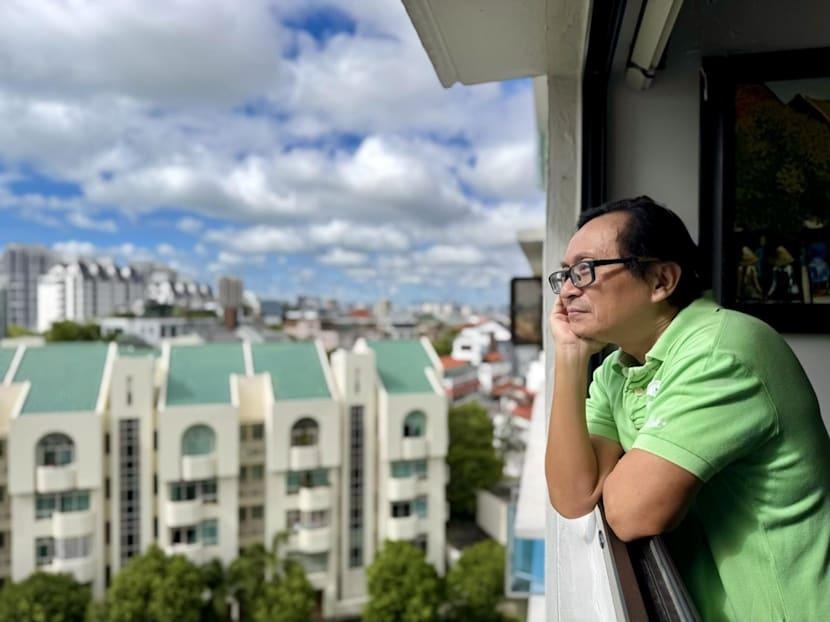
For many Singaporeans, retirement brings not only freedom, but also quiet moments of reflection about identity, purpose and the next stage of life.
Questions about meaning.
Identity.
Ageing.
Mortality.
Fulfilment.
Yet hidden inside those questions may also be the possibility of growth.
Because retirement, at its best, is not simply about leaving work behind.
It is about discovering who you are when work is no longer the thing defining you.
And perhaps that is the part nobody really tells you about retiring in Singapore.









Leave A Comment