Pain Management & Rehabilitation
Understanding pain, improving physical function and supporting recovery, mobility and quality of life.
1. Introduction
Pain is an important signal that something may be affecting the body, but persistent pain can become a health condition in its own right.
Pain may arise from injuries, inflammation, nerve damage, musculoskeletal disorders or other medical conditions.
Some pain is temporary and improves as the body heals. Other pain persists for months or longer and may affect sleep, mobility, mood and everyday activities.
Pain management involves identifying possible causes, relieving symptoms and improving function.
Rehabilitation helps people regain or maintain physical abilities following injury, surgery, illness or functional decline.
For adults aged 40 and above, appropriate pain management and rehabilitation can play an important role in maintaining independence and quality of life.
2. Why It Matters
Persistent pain can interfere with walking, working, sleeping and participating in social activities.
It may also contribute to reduced physical activity, muscle weakness, anxiety and low mood.
Pain is not always proportional to the amount of tissue damage. Chronic pain can involve changes in how the nervous system processes pain signals.
Effective care often requires more than medication alone.
Depending on the condition, treatment may involve physiotherapy, exercise, education, psychological support, medication or specialist procedures.
Rehabilitation is particularly important after major illness, surgery, stroke, fractures and prolonged inactivity.
The goal is not always complete elimination of pain, but meaningful improvement in comfort, mobility, function and participation in daily life.
3. Common Conditions
Chronic Musculoskeletal Pain
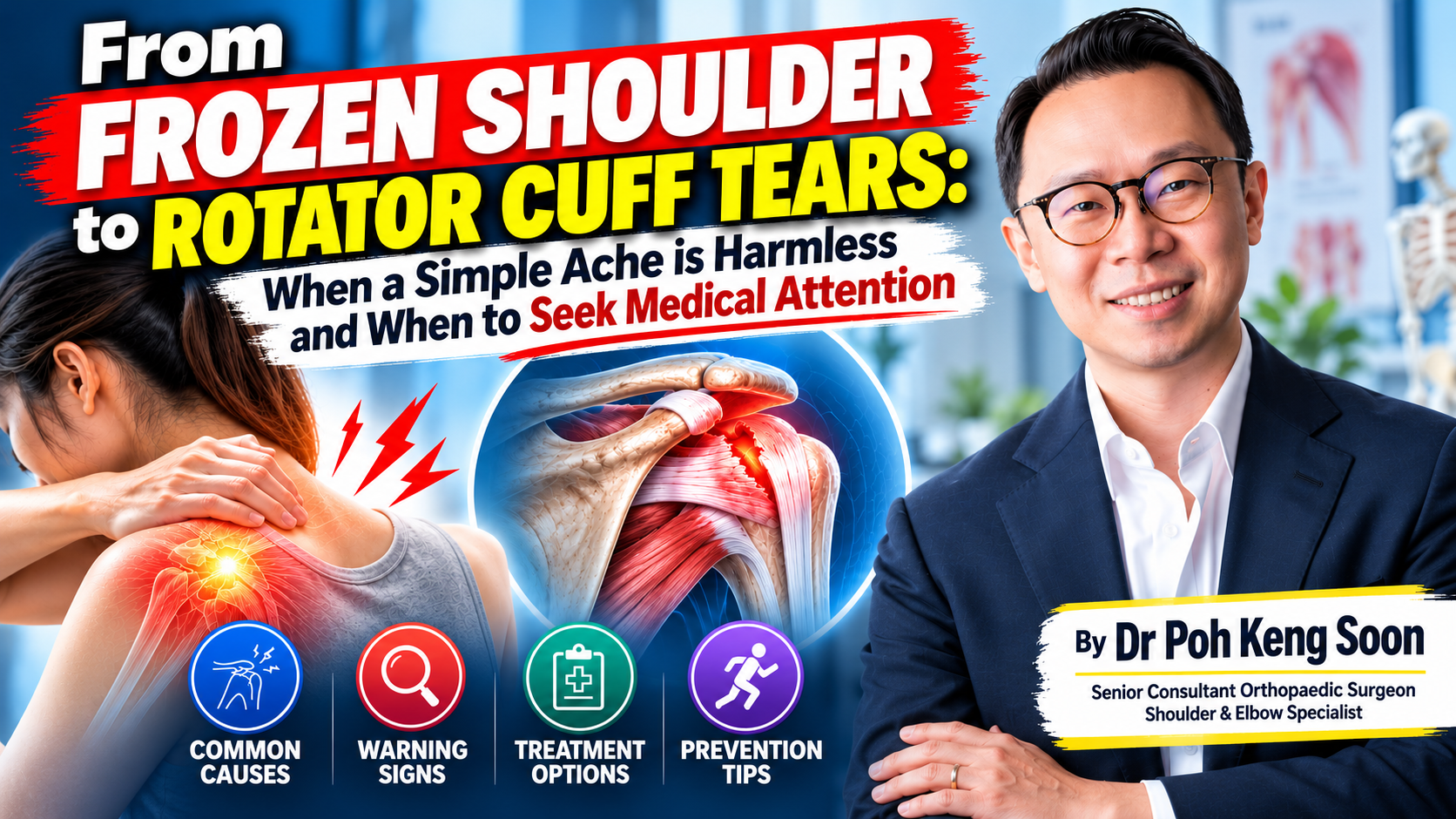
Chronic musculoskeletal pain affects muscles, joints, bones or surrounding tissues. Common examples include persistent back pain, neck pain and pain associated with osteoarthritis.
Neuropathic Pain
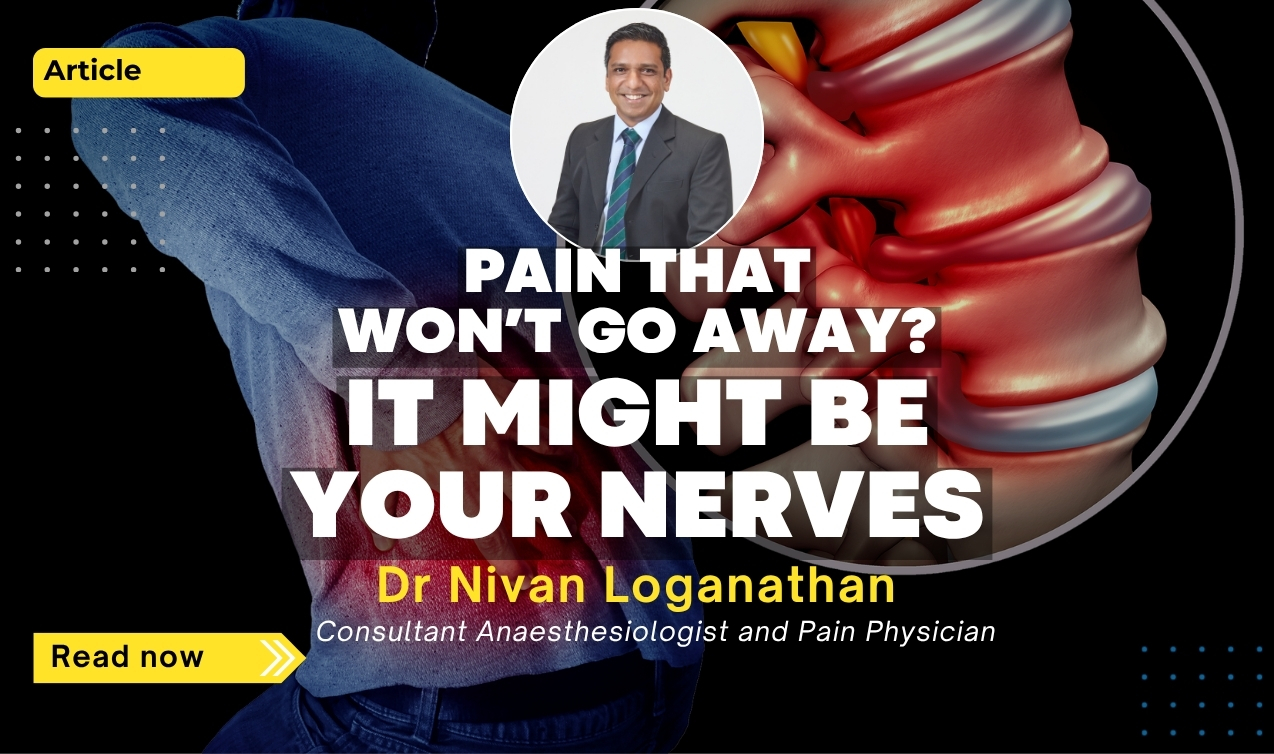
Neuropathic pain results from injury or disease affecting the nervous system. It may cause burning, shooting pain, tingling or electric-shock-like sensations. Diabetes and certain nerve conditions are possible causes.
Chronic Lower Back Pain
Lower back pain is common and may result from several factors, including muscular strain, degenerative changes or nerve irritation. Most cases do not indicate serious spinal disease, but certain warning signs require urgent assessment.
Post-Surgical and Post-Injury Rehabilitation
Rehabilitation after surgery or injury aims to restore movement, strength and function. Recovery programmes may include progressive exercises, mobility training and strategies for returning safely to everyday activities.
Stroke Rehabilitation
Stroke rehabilitation may involve physiotherapy, occupational therapy, speech therapy and other specialised services. Treatment focuses on improving function, communication, independence and participation.
Persistent Widespread Pain
Conditions such as fibromyalgia may cause widespread pain, fatigue, sleep disturbance and difficulties with concentration. Management often requires a coordinated approach tailored to the individual’s symptoms and needs.
4. Signs & Symptoms
Pain and functional problems may present as:
- Persistent back, neck or joint pain.
- Burning, tingling or shooting sensations.
- Muscle stiffness or weakness.
- Difficulty walking or climbing stairs.
- Reduced range of movement.
- Pain that disrupts sleep.
- Difficulty returning to activities after injury or surgery.
- Reduced balance or coordination.
- Fear of movement because of pain.
- Persistent pain accompanied by fatigue or emotional distress.
Pain symptoms should be assessed in context.
New weakness, loss of bladder or bowel control, or numbness around the groin associated with back pain requires emergency assessment.
5. Prevention & Healthy Living
Remain Appropriately Active
For many musculoskeletal conditions, suitable movement and gradual activity are preferable to prolonged bed rest.
Build Strength and Mobility
Individually appropriate strengthening, flexibility and balance exercises can support physical function.
Use Medication Safely
Pain medicines can provide relief but may have risks, particularly with long-term use. Discuss suitable options with a healthcare professional, especially if you have kidney, liver, stomach or cardiovascular conditions.
Follow Rehabilitation Plans
Physiotherapy and other rehabilitation programmes work best when exercises and activity progression are tailored to the individual’s condition.
Support Sleep and Emotional Wellbeing
Poor sleep, stress and persistent pain can influence one another. Addressing these factors may improve overall pain management.
Avoid Unverified Treatments
Be cautious about treatments promising immediate or permanent cures for chronic pain.
6. When to Seek Medical Advice
Consult a healthcare professional if pain persists, worsens, interferes with daily activities or does not improve with appropriate self-care.
Assessment is particularly important when pain follows a significant injury or is accompanied by unexplained weight loss, fever or neurological symptoms.
Seek urgent medical attention if you experience:
- New loss of bladder or bowel control with back pain.
- New numbness around the groin or saddle area.
- Sudden or progressive limb weakness.
- Severe pain following major trauma.
- A hot, swollen joint accompanied by fever.
- Sudden chest pain or symptoms suggesting a heart attack.
In Singapore, call 995 if you suspect a life-threatening emergency.
Appropriate pain management and rehabilitation can help people regain confidence, improve mobility and maintain independence.