
Oral Health & Dentistry
All You Need to Know About Gum Disease (Part 3)
by Dr Raymond Lim – B9 Dental Centre
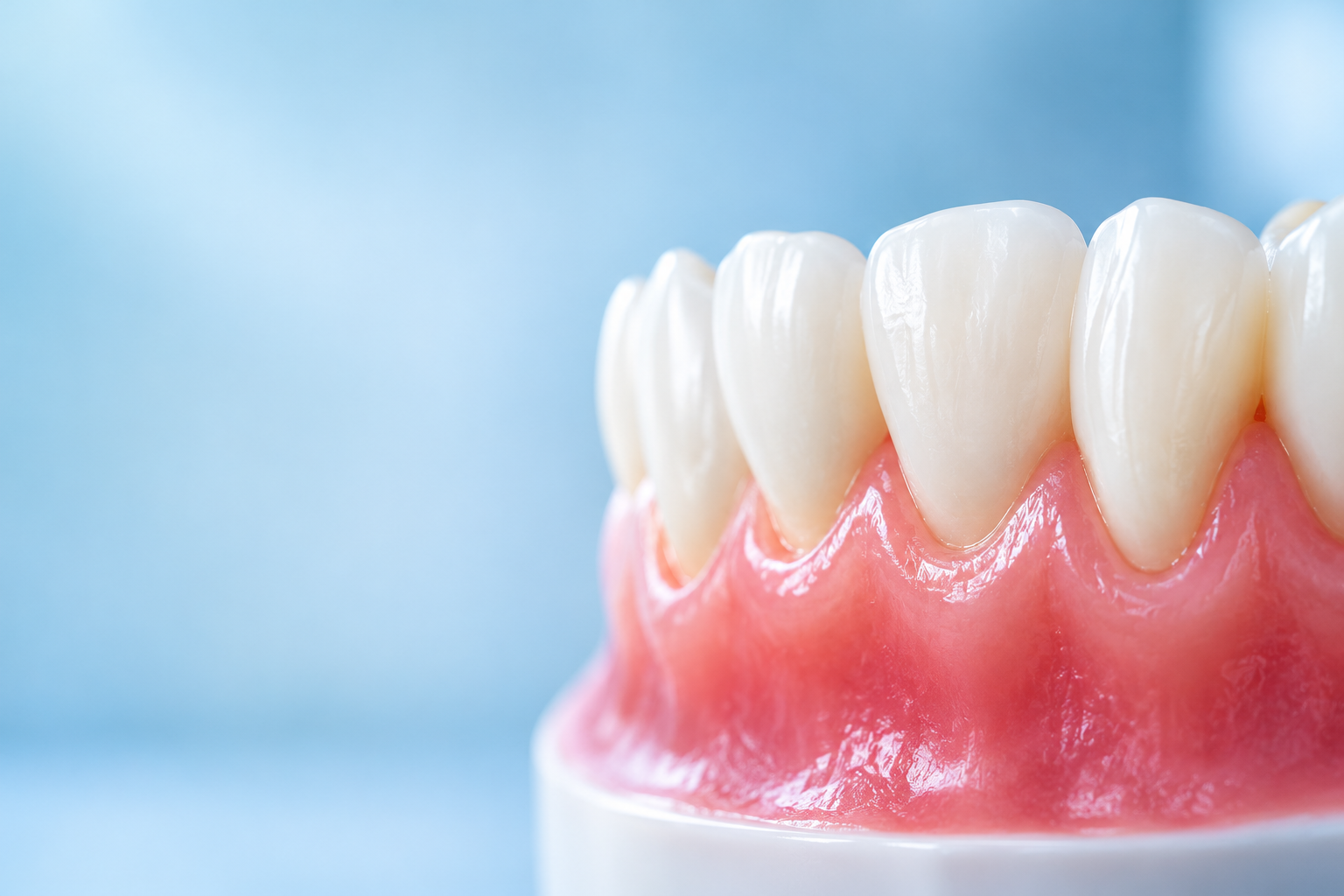
Healthy gums are the foundation of a healthy smile. Early diagnosis and proper treatment of gum disease can help prevent inflammation, bone loss and tooth loss.
Gum disease, also known as periodontal disease, is a prevalent oral health problem that affects millions of people worldwide. According to the World Health Organisation (WHO), periodontal disease, a common form of gum disease, affects approximately 19% of the global adult population, equating to over one billion cases worldwide. Often termed the “silent disease,” it involves inflammation and infection of the gums due to plaque accumulation on the teeth, which can be triggered by various environmental factors. It primarily involves the inflammation and infection of the gums, which can lead to serious complications if left untreated.
Understanding the symptoms of gum disease is crucial for early detection and intervention. This article (divided into parts) will delve into what gum disease is, its symptoms (both early and advanced), causes, risk factors, treatment options and preventive measures. By recognising the signs early, you can take proactive steps to maintain your oral health and overall well-being.
When to See a Dentist?
If you notice any symptoms of gum disease, especially bleeding gums or persistent, bad breath, it is time to consult a dentist. Regular dental check-ups are essential for monitoring oral health and catching potential issues early. It is recommended that adults visit their dentist at least twice a year for routine cleanings and examinations. During these visits, your dentist will assess your gum health using tools.
Diagnosis
Diagnosing periodontal disease typically involves six steps:
- Clinical Examination: Physical examination of the teeth and gums by the dentist to check for symptoms.
- Probing: Using a periodontal probe to measure the depth of gum pockets to identify any deep pockets indicating advanced disease.
- X-rays: Evaluation of bone loss and extent of periodontal disease using dental radiographs.
- Medical History Review: Discussing medical and dental history to identify risk factors and contributing conditions to disease.
- Bacterial Testing: Tests to diagnose the specific bacterial pathogens that cause the disease.
- Assessment of Tooth Mobility: Checking for any looseness or movement in the teeth.
Each stage requires different levels of intervention; consulting a periodontist for early detection is critical for effective treatment.
Treatment Options for Gum Disease
Effective gum infection treatment begins with professional care, including thorough gum treatment to address the underlying issues. Understanding how to treat gum disease is essential for successfully treating gum disease and maintaining long-term oral health.
Scaling and Root Planing
- Procedure: Scaling and Root Planing (SRP) is a deep cleaning method that removes plaque and tartar from below the gumline and smooths tooth roots.
- Technique: Dentists or hygienists use specialised instruments to clean the tooth surfaces and eliminate bacterial deposits, reducing inflammation and promoting gum healing.
- Sessions: Typically requires two to four visits, with local anaesthesia used for patient comfort.
- Aftercare: Patients may experience temporary discomfort and gum sensitivity.
- Benefits: Improves oral health by reducing pocket depths, decreasing gum bleeding and enhancing long-term periodontal stability. PRIME
You Might Also Like:
 Your Gums Matter | All You Need to Know About Gum Disease (Part 1) by Dr Raymond Lim
 Your Gums Matter All You Need to Know About Gum Disease (Part 2) By Dr Raymond Lim
 Q & A: Oral Cancer | Dr Raymond Lim
 The Tooth Wizard by Dr Raymond Lim
 Sugar & Smiles| Understanding How Diabetes Affects the Mouth and Gums (Part 2) by Dr Raymond Lim















Leave A Comment