

Urology & Urinary Health
10 Common Urology Questions Answered by a Urologist in Singapore
by Dr Fiona Wu – AARE Urocare
Let A Urologist Decipher What Your Urinary Symptoms May Be Trying to Say
Urinary symptoms are often misunderstood or ignored because many people assume they are simply part of aging, stress, or temporary discomfort. However, conditions affecting the bladder, kidneys, prostate, pelvic floor, and sexual health may significantly affect quality of life if left unaddressed.
Studies have shown that lower urinary tract symptoms become increasingly common with age, while conditions such as kidney stones, urinary tract infections, pelvic floor dysfunction, and erectile dysfunction may affect people of all genders across different life stages.
In this article, Dr Fiona Wu, Senior Consultant Urologist and Medical Director at AARE Urocare, answers some of the most common questions patients ask about urinary symptoms, kidney stones, prostate enlargement, pelvic floor disorders, and erectile dysfunction.

Dr Fiona Wu, Senior Consultant Urologist and Medical Director at AARE Urocare.
1. What are the early signs of prostate enlargement
Benign prostate enlargement, also known as benign prostatic hyperplasia (BPH), is one of the most common causes of urinary symptoms in older men.
Common symptoms include:
- Weak urine stream
- Difficulty starting urination
- Dribbling after urination
- Frequent urination at night
- Feeling of incomplete bladder emptying
Because symptoms often develop gradually, many men adapt to them over time and delay seeking medical attention. However, untreated prostate enlargement may contribute to urinary retention, bladder dysfunction, recurrent urinary tract infections, or worsening voiding difficulties.
Research suggests that prostate enlargement becomes increasingly common with aging, particularly in men above 50 years old.
2. Is prostate enlargement the same as prostate cancer
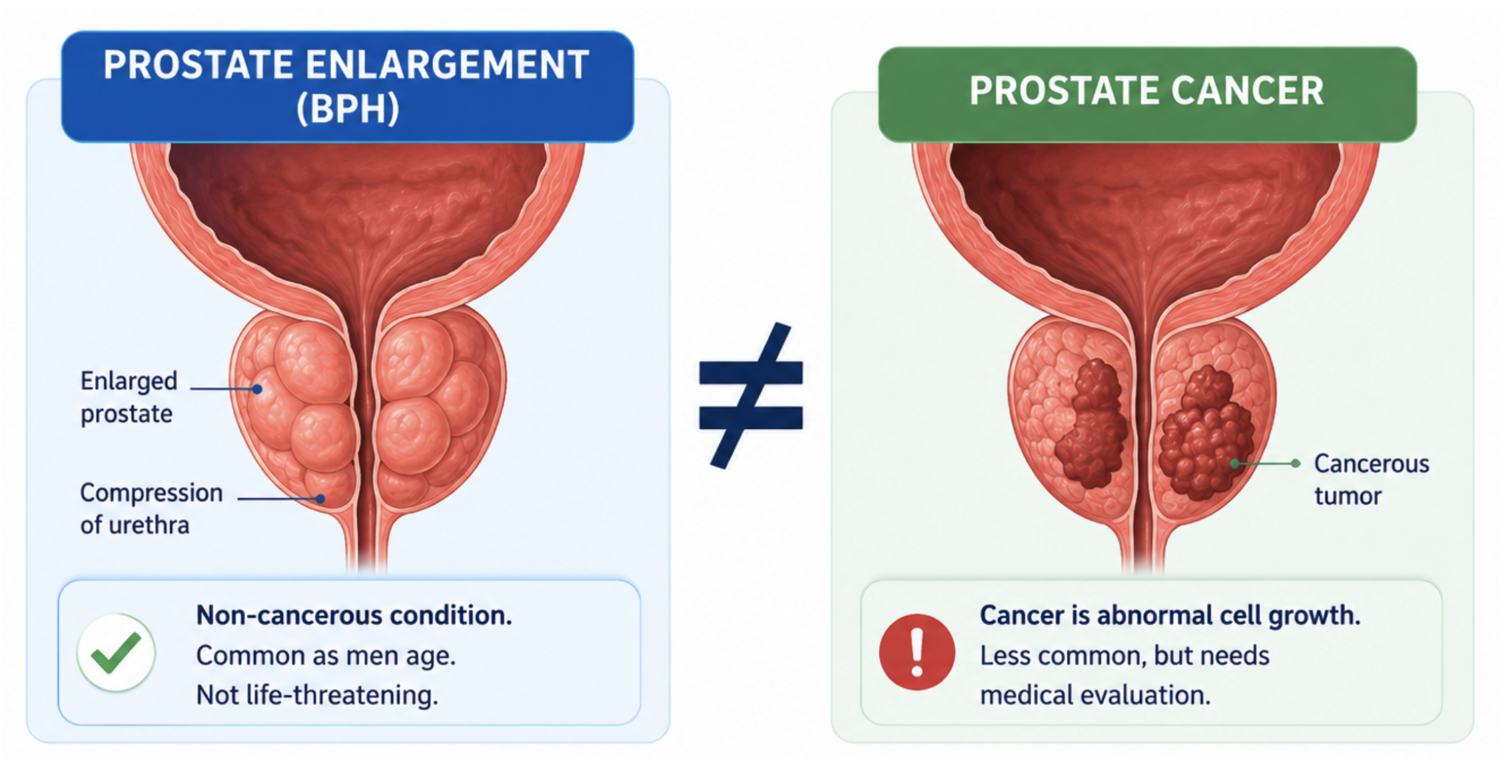
Benign prostate enlargement (BPH) and prostate cancer are different conditions. Urinary symptoms should be assessed to identify their underlying cause.
No. Benign prostate enlargement and prostate cancer are different conditions, although both affect the prostate gland and may sometimes cause overlapping urinary symptoms.
Benign prostate enlargement is non-cancerous and commonly related to aging. Prostate cancer involves abnormal cell growth within the prostate and may not always cause noticeable symptoms in its early stages.
Persistent urinary symptoms, blood in the urine, unexplained urinary changes, or concerns regarding prostate health should not be self-diagnosed without proper medical assessment.
Early evaluation may help determine whether symptoms are related to benign enlargement, inflammation, infection, or other underlying conditions.
3. How do I know if I have kidney stones
Kidney stones may sometimes remain silent until they move or obstruct urine flow.
Common kidney stone symptoms include:
- Sudden severe flank or lower back pain
- Blood in the urine
- Pain during urination
- Nausea or vomiting
- Urinary urgency or frequency
Small stones may sometimes pass naturally in urine, while larger stones may require treatment depending on their size, location, and associated symptoms.
Kidney stones are relatively common worldwide, and recurrence may occur if contributing factors such as hydration habits, dietary patterns, metabolic conditions, or urinary abnormalities are not addressed.
4. Why am I having difficulty passing urine or feeling like my bladder is not emptying fully
Difficulty passing urine, also known as voiding dysfunction, may occur due to:
- Enlarged prostate
- Bladder muscle dysfunction
- Nerve related conditions
- Urethral narrowing
- Pelvic floor dysfunction
Some patients may notice:
- Slow urine flow
- Straining during urination
- Hesitancy
- Dribbling after urination
- A sensation of incomplete bladder emptying
Voiding difficulties may affect people of both gender and should not automatically be dismissed as aging.
Some patients gradually adapt to slower urination over time without realising that the bladder may be working under increasing strain. In certain cases, persistent voiding problems may increase the risk of urinary retention, recurrent urinary tract infections, or bladder dysfunction if left unaddressed.
5. Are urinary leakage and bladder problems only common in older women
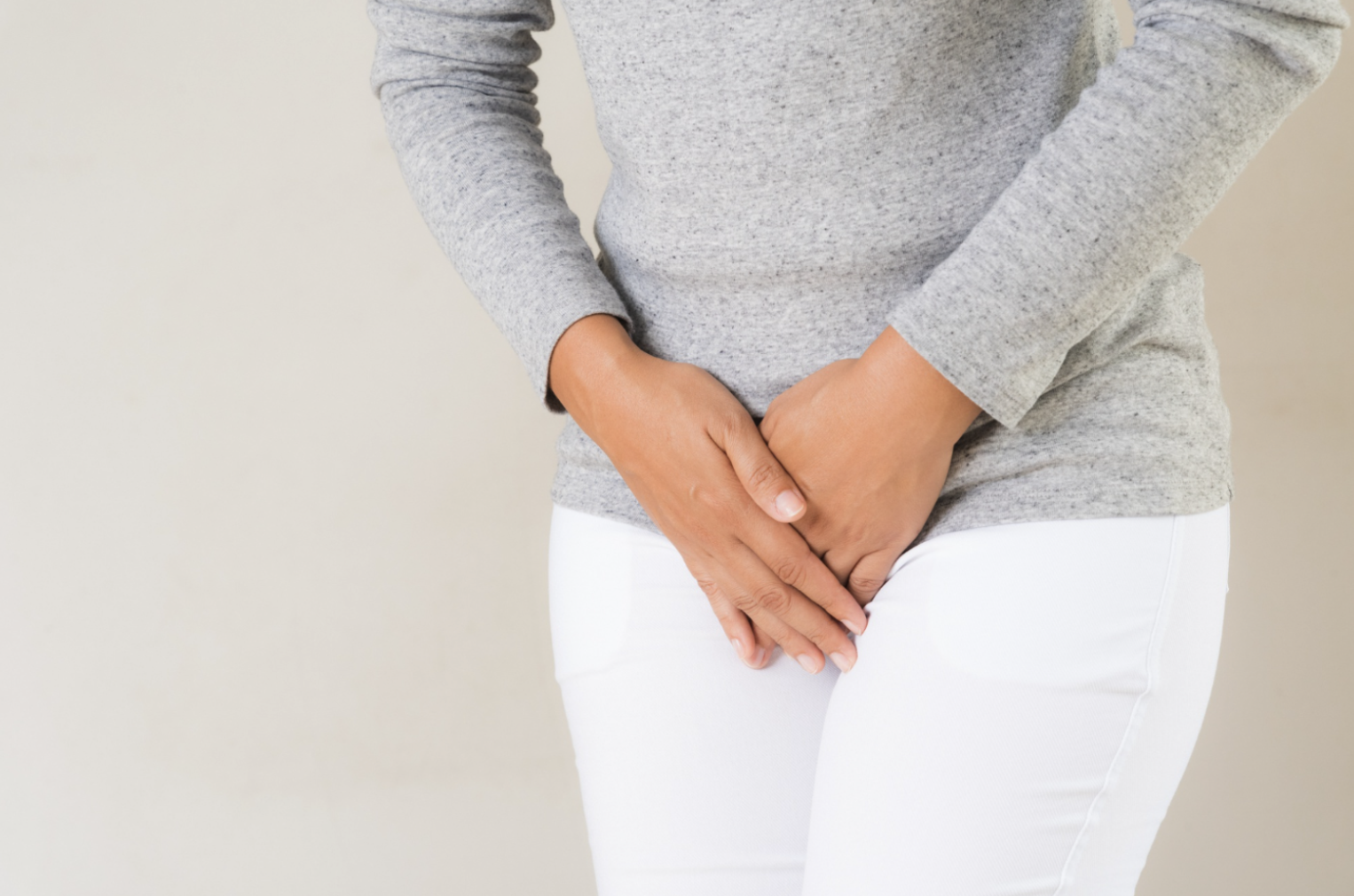
Urinary leakage and bladder concerns can affect women at different ages and should not simply be dismissed as part of ageing.
No. Women of different ages may experience urinary symptoms for different reasons.
Pregnancy, childbirth, pelvic floor strain, chronic constipation, obesity, hormonal changes, and even high impact physical activity may contribute to bladder symptoms or urinary leakage.
Some women may experience:
- Urinary leakage when coughing or sneezing
- Frequent urination
- Sudden urgency
- Difficulty holding urine
- Pelvic heaviness or discomfort
Many women delay seeking help because they assume these symptoms are “normal after childbirth” or simply part of aging. However, urinary symptoms may sometimes reflect underlying pelvic floor dysfunction, bladder overactivity, or prolapse related conditions that may benefit from proper assessment.
6. Is pelvic floor prolapse only caused by childbirth
No. While pregnancy and childbirth are recognised risk factors, pelvic organ prolapse may also occur due to aging, chronic constipation, repeated straining, obesity, menopause related tissue changes, or long-term increases in pelvic pressure.
Some women may experience:
- A sensation of heaviness or bulging
- Urinary leakage
- Difficulty emptying the bladder
- Pelvic discomfort
Pelvic floor disorders are relatively common but often underreported because many women feel embarrassed or assume the symptoms are unavoidable.
The severity of prolapse symptoms varies between individuals, and management depends on the degree of prolapse and its impact on daily activities and bladder function.
7. Is erectile dysfunction always caused by stress

Erectile dysfunction can affect confidence and relationships. Understanding its underlying causes is an important step towards getting appropriate help.
Not always. Erectile dysfunction (ED) may involve vascular, hormonal, neurological, metabolic, or psychological factors.
In some men, ED may also be associated with underlying health conditions such as:
- Diabetes
- Hypertension
- Cardiovascular disease
- Hormonal imbalance
Because erectile function involves multiple body systems, persistent ED symptoms should not be ignored or self-treated without proper evaluation.
Erectile dysfunction may also affect emotional wellbeing, self-confidence, and personal relationships, which is why assessment often goes beyond physical symptoms alone.
8. Can erectile dysfunction really be treated with surgery
There has been increasing public discussion surrounding surgical treatments for erectile dysfunction, but surgery is not the first line treatment for most men with ED.
Management depends on identifying the underlying cause. Many patients may improve with:
- Lifestyle modification
- Management of underlying medical conditions
- Medication
- Hormonal assessment where appropriate
- Non-surgical treatment approaches
Surgical options such as penile implants are typically reserved for carefully selected patients with more severe or treatment resistant erectile dysfunction.
According to Dr Fiona Wu, not every case of erectile dysfunction requires surgery, and proper assessment is important before deciding on any treatment approach.
9. Does cranberry juice prevent urinary tract infections
Cranberry products are commonly associated with urinary health, but they do not treat active urinary tract infections.
Some cranberry compounds have been studied for their potential role in reducing bacterial attachment in laboratory settings. However, clinical effectiveness varies between individuals, and cranberry juice alone should not replace proper medical assessment or treatment.
Persistent or recurrent urinary symptoms should not be self-managed with supplements or home remedies alone, especially if symptoms continue to recur.
10. Can constipation affect bladder health
Yes. Constipation and urinary symptoms are more closely connected than many people realise.
The bowel and bladder share the same pelvic space, so constipation may place pressure on the bladder and interfere with normal urinary storage and emptying.
Some patients with constipation may experience:
- Frequent urination
- Urinary urgency
- Recurrent urinary tract infections
- Incomplete bladder emptying
Long term straining may also gradually weaken pelvic floor support and contribute to worsening bladder control over time.
Managing bowel health through hydration, fibre intake, physical activity, and healthy bowel habits may help reduce pelvic pressure and support urinary function.
When should you see a urologist

Dr Fiona Wu uses a kidney model to explain a urological condition during a patient consultation.
Patients should consider medical assessment if they experience:
- Persistent urinary symptoms
- Blood in the urine
- Recurrent urinary tract infections
- Difficulty passing urine
- Kidney stone symptoms
- Erectile dysfunction
- Pelvic floor prolapse symptoms
Many urological conditions are manageable when identified early, but symptoms are often delayed because patients assume they are simply part of aging or lifestyle changes.
Medical Disclaimer
This article is for general educational purposes only and does not replace professional medical advice, diagnosis, or treatment. The suitability of any investigation or management approach must be determined by a licensed medical practitioner following an individual consultation.
Author

You Might Also Like:
 Protecting Your Prostate: Understanding Prostate Health by Dr Joe Lee
 An Upright Battle – Erectile Dysfunction by Dr Joe Lee
 Rear Agony – Piles: Protector or a Pain? Time to Debunk the Myths! by Dr Mark Wong Te Ching
 A Clean Bill of Health
 A Stone’s Throw Away: Kidney Stones and Their Role in Chronic Kidney Disease by Dr Nor Azhari Bin Mohd Zam




Leave A Comment