

Eye Health Series
Stress and the Eyes: How Modern Life Affects Your Vision
by Dr Khor Wei Boon – Singapore Eye & Vision

Chronic stress can distort perception and impact visual health, affecting eye comfort and clarity.
Modern life is often described as “stressful”, and few would disagree. Many of us work long hours, staring at computer screens or digital devices throughout the day and often into the night. Those caring for children and families face constant pressure from school activities, enrichment schedules, and hospital appointments.
When time is short, we often sacrifice sleep to carve out a little “me time”. Ironically, that may still not quiet the mind. We worry about the next day, which disrupts our sleep even further. Then a new day begins, and the cycle repeats.
Mental stress and prolonged screen exposure may worsen eye strain and tension headaches.
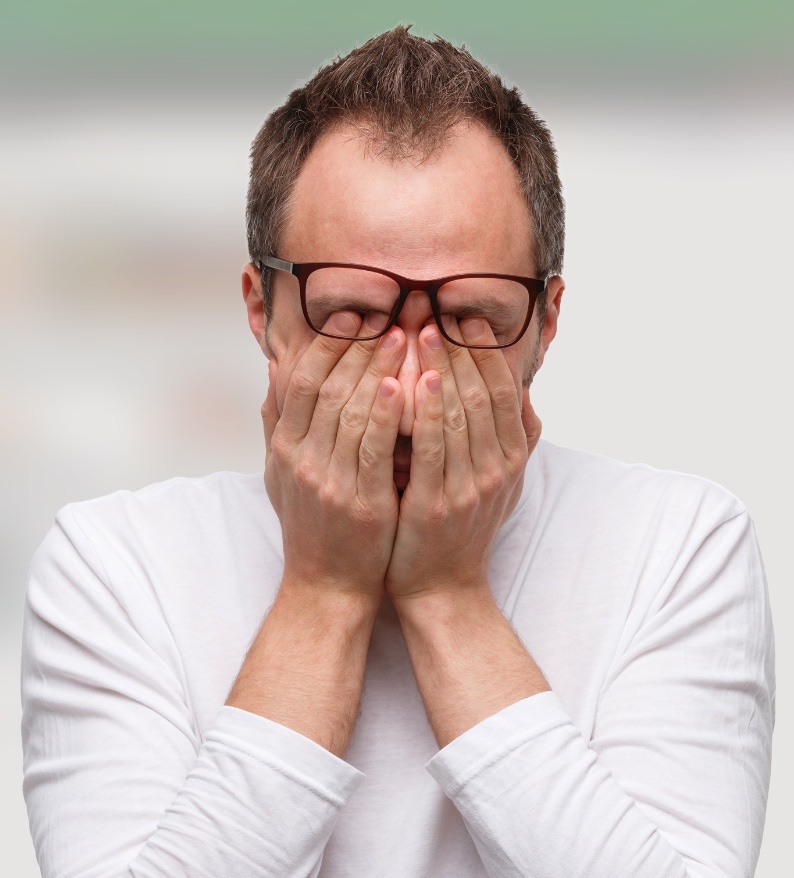
Mental stress and screen exposure may worsen eye strain and tension headaches.
THE STRESS RESPONSE AND OUR EYES
When the body is under stress, it activates the well-known “fight-or-flight” response. It releases hormones such as adrenaline and cortisol. The heart pumps harder and faster. Muscles tense. The senses heighten, and the body prepares for action.
Once the stressful situation passes, the body returns to its normal state. However, modern stress is often chronic. Living in constant tension can lead to harmful consequences. These include high blood pressure, heart disease, metabolic disorders such as diabetes, nerve and muscle problems, and psychological issues.
Researchers have not studied the effects of stress on the eyes as extensively. The good news is that stress does not appear to cause direct or permanent eye damage. However, we should not dismiss its impact.
Over the years, I have seen a steady increase in patients with visual complaints linked to work, fatigue, and lifestyle habits. Daily eye strain, blurry vision, irritation, and headaches can take a significant toll on health and function.
For adults in their 40s, the connection between stress and the eyes becomes particularly relevant. Vision already changes with age, and stress can magnify symptoms. These symptoms may feel uncomfortable and sometimes alarming.
For those in their 50s, 60s, and beyond, screen use has increased dramatically over the past decade. Handphones, tablets, and laptops now dominate work, communication, and leisure. Frequent device use places sustained demands on the visual system, especially at near distances.
COMMON VISION SYMPTOMS LINKED TO STRESS
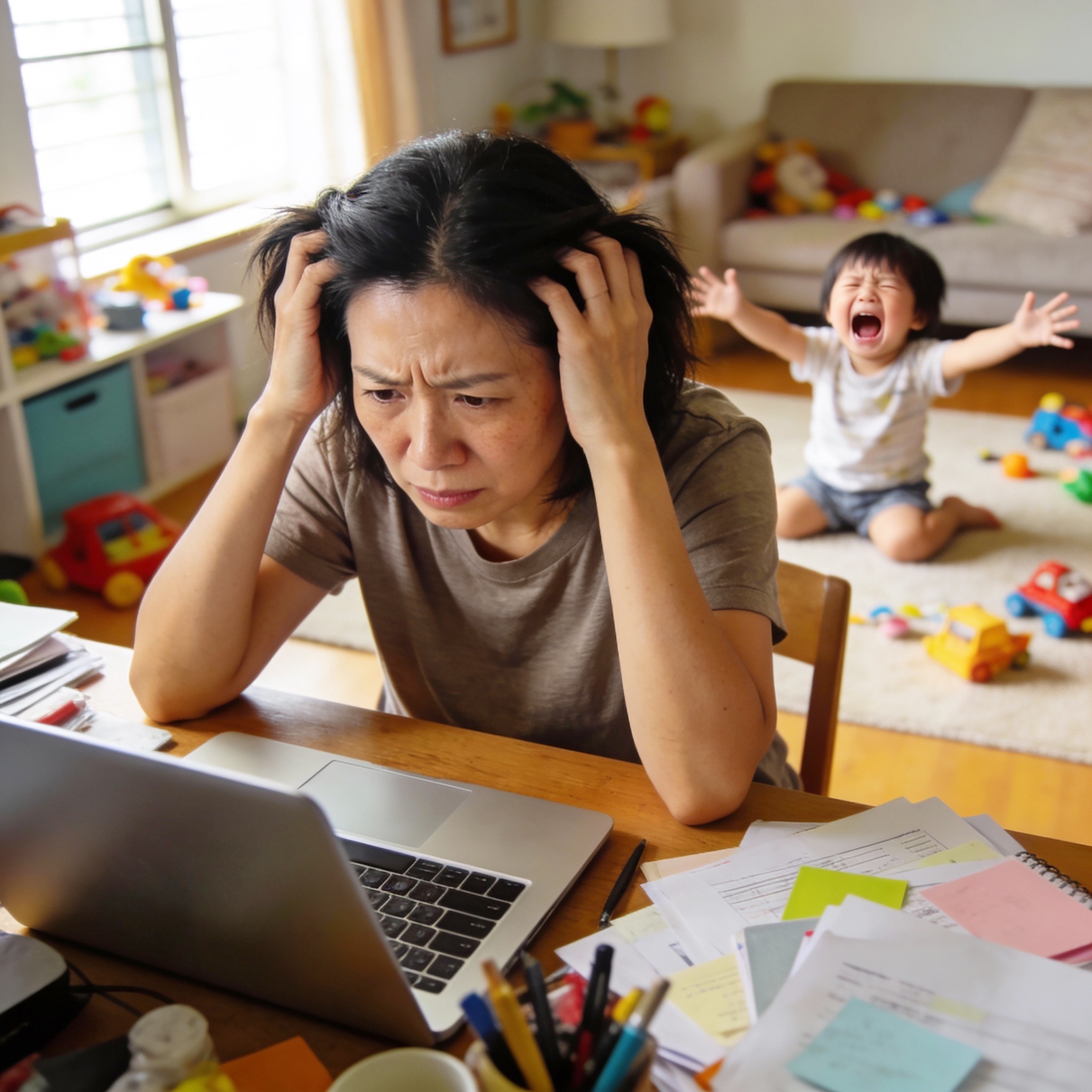
Work-life stress and digital overload can lead to eye strain and visual fatigue.
Many stress-related eye symptoms are not dangerous, but they can be distressing and interfere with daily activities. While terms such as “digital eye strain” or “computer vision syndrome” have been used to describe a collection of symptoms like dryness, fatigue, blurred vision, and headaches, these issues are not confined to the use of digital devices. They can also involve any type of prolonged near work, including reading of printed materials such as newspapers and books. Just as important are the physical and emotional stresses that one is subjected to, as well as the physical environment that we work and live in.
COMMON VISION SYMPTOMS LINKED TO STRESS
Work-life stress and digital overload can lead to eye strain and visual fatigue.
Many stress-related eye symptoms are not dangerous. However, they can be distressing and interfere with daily activities. Doctors use terms such as “digital eye strain” or “computer vision syndrome” to describe symptoms like dryness, fatigue, blurred vision, and headaches.
These issues are not limited to digital devices. They can occur with any prolonged near work, including reading printed materials such as newspapers and books. Physical and emotional stress also contribute. The work and home environment plays an important role.
EYE STRAIN AND FATIGUE
Eye strain and fatigue are common complaints. People often describe heavy, tired eyes, especially after reading, computer use, or prolonged concentration.
Reading or computer use requires the eyes to focus up close. This process is known as accommodation. During accommodation, tiny eye muscles shift focus from distance to near. When we spend long hours on near work, these muscles may feel tired and sore by the end of the day.
Eyestrain may feel worse in those experiencing presbyopia (“lau hua”). Ageing eyes gradually lose the ability to accommodate. It then takes more effort to focus on words and screens. This explains why the eyes tire more quickly during these activities.
When the accommodative muscles become exhausted, we may suddenly struggle to focus on objects in front of us. We often need to pause to allow the eyes to recover.
BLURRED OR FLUCTUATING VISION

Prolonged stress can contribute to blurred vision and difficulty focusing.
Prolonged stress may contribute to blurred vision and difficulty focusing.
Blurred or fluctuating vision can occur after long periods of near work. Fatigue of the accommodative muscles often causes this. However, the opposite can also occur.
Stress and prolonged accommodation may trigger spasms of these muscles, similar to a muscle cramp. In this situation, the muscles cannot relax. Patients may suddenly struggle to focus on distant objects, such as a clock on the wall or a tree outside the window. Fortunately, this usually improves after a few minutes of rest.
Some doctors believe stress hormones such as adrenaline may also play a role. These hormones enlarge the pupils, allowing more light into the eyes. At the same time, they relax the accommodative muscles. This combination may cause episodes of overly bright and unfocused vision.
DRY, IRRITATED EYES
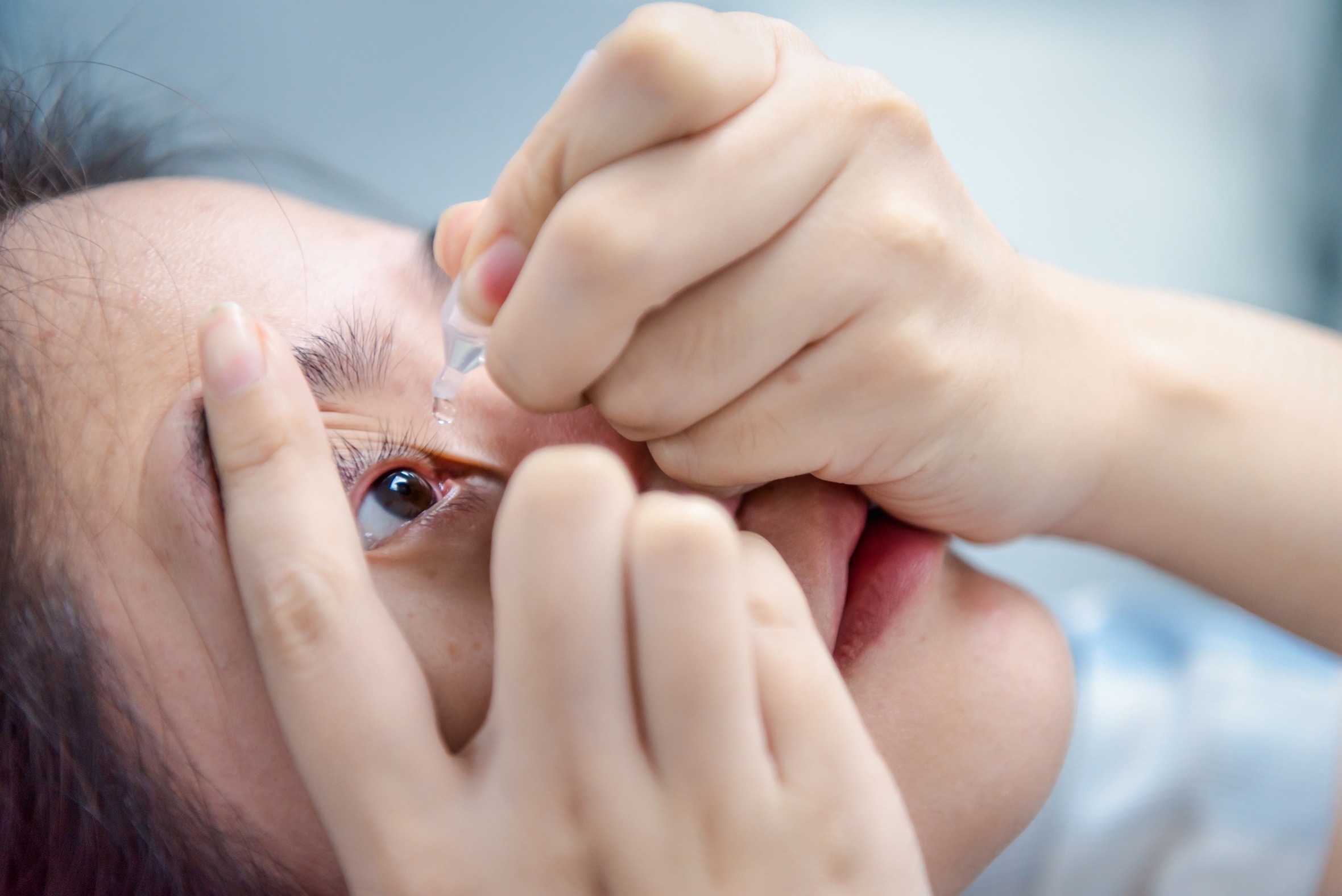
Stress-related dry eyes may cause irritation, redness, and blurred vision in adults.
Stress-related dry eyes may cause irritation, redness, and blurred vision.
Work and stress frequently contribute to dry, irritated eyes. When we feel tense, we blink less often. Tears then evaporate more quickly, causing stinging, burning, and grittiness.
Prolonged use of computers, handphones, and tablets also reduces blinking. This explains why dry eyes are common among office workers, students, and frequent digital device users.
The physical environment also plays a role. Air conditioning creates a cold, dry setting that increases tear evaporation. Drafty conditions, such as fans or air vents blowing toward the face, can worsen symptoms.
HEADACHES AND PRESSURE AROUND THE EYES
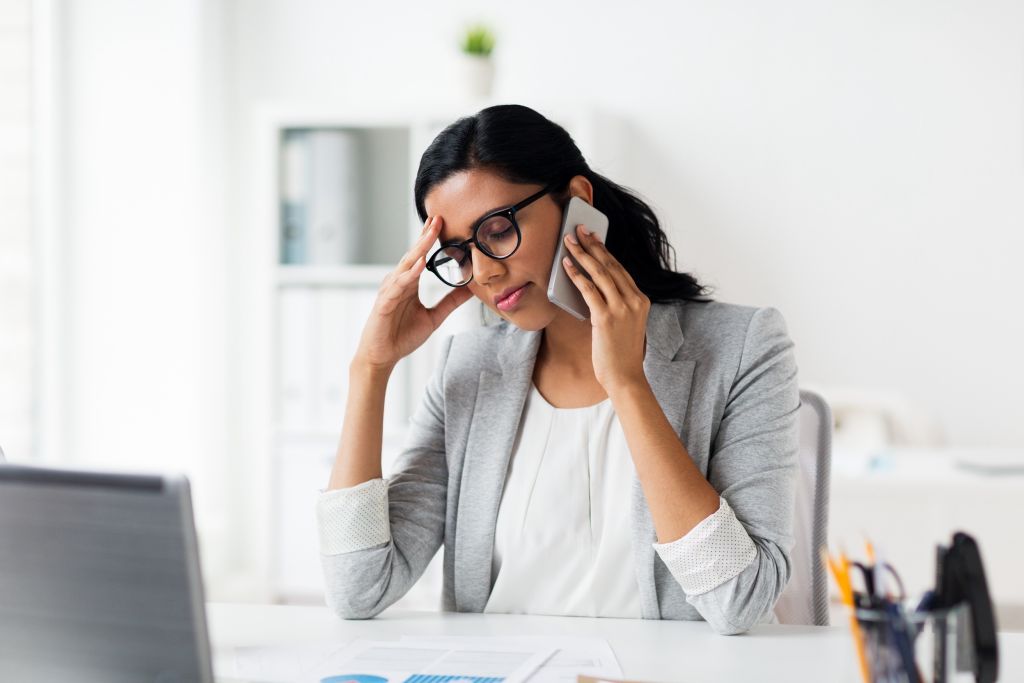
Digital stress and long working hours can trigger eye fatigue and reduced visual performance.
Digital stress and long working hours may trigger eye fatigue and reduce visual performance.
These symptoms often accompany fatigue and eyestrain. Tension-type headaches are common. They may feel like pressure around the eyes or temples, especially later in the day when both the eyes and body are tired.
Emotional stress, prolonged sitting, and poor ergonomics can create chronic muscle tension in the shoulders, neck, and back. This tension may lead to headaches.
Pressure around the eyes rarely indicates glaucoma. Stress can cause a temporary rise in eye pressure, but there is no evidence that stress alone increases glaucoma risk.
In fact, many patients do not recognise glaucoma early. Raised eye pressure is often painless. Damage to the optic nerve may occur long before diagnosis.
CONCLUSION
In the next part of this series, I will explore how stress may trigger or worsen eye conditions such as dry eye disease, eyelid twitching, and central serous chorioretinopathy (CSCR).
More importantly, I will discuss practical steps we can take to reduce stress-related eye symptoms. I will also highlight warning signs that should prompt an eye examination to rule out more serious conditions. PRIME
Author

You Might Also Like:
 Presbyopia (Lao Hua): Why Near Vision Gets Blurry After 40
 Glaucoma – The Silent Thief of Sight by Dr Annabel Chew
 5 Ways Diabetes Harms Your Eyes & 3 Ways to Protect Them by Dr Khor Wei Boon
 The Evil Eye: The Hidden Dangers of Social Media: An Ophthalmologist’s Perspective by Dr Khor Wei Boon
 Of Vision and Vacations! Unpacking the Ways that Travel Affects Your Eyes by Dr Khor Wei Boon




Leave A Comment