


Senior woman’s hands and finger showing vitamin b3
Vitamin B3 benefits have gained growing attention after new research linked niacin intake to a lower risk of early death and heart disease. A study published in Scientific Reports suggests that adults who consume adequate vitamin B3 may reduce their risk of all-cause and cardiovascular mortality. Vitamin B3, also known as niacin, is a water-soluble vitamin essential for energy production and overall health.
Niacin is a water-soluble vitamin that helps the body turn food into energy. When people do not get enough niacin, they may develop pellagra. This serious condition can cause skin rashes, diarrhoea, memory problems, and, in severe cases, death.
Foods That Are Rich in Vitamin B3
Many everyday foods provide good amounts of niacin. These include tuna, salmon, turkey, peanuts, and fortified foods. Some countries add niacin to wheat flour and cereals to prevent pellagra.
Other common foods, such as beef, pork, chicken, coffee, and tea, also contain niacin. Because of this wide food range, most people in Western diets consume niacin regularly.

Foods High In Niacin- Vitamin B3
Niacin and Heart Health: What We Know So Far
Doctors have long studied vitamin B3 benefits, especially for cholesterol and heart health. Research shows that niacin can lower “bad” LDL cholesterol and raise “good” HDL cholesterol.
However, studies on heart protection have shown mixed results. This issue is often called the “niacin paradox.” While niacin improves cholesterol numbers, it does not always reduce heart attacks or strokes. Some studies even suggest it may increase the risk of death in certain groups.

Vitamin B3 (niacin) benefits explained by doctors—supporting energy, heart health, and overall wellbeing.
What This New Study Looked At
Researchers designed this study to explore whether niacin intake affects the risk of death from all causes and from heart disease. They analysed data from 26,746 adults who took part in the US National Health and Nutrition Examination Survey between 2003 and 2018.
The researchers followed participants for an average of just over nine years.
How the Researchers Measured Niacin Intake
Participants reported what they ate during two separate 24-hour diet interviews. The researchers then grouped them into four categories based on average niacin intake.
They compared death rates across these groups. Additional checks, such as removing people with existing heart disease or cancer, confirmed the reliability of the results.
Key Findings From the Study
During the follow-up period, 3,551 participants died from all causes, including 1,096 deaths linked to heart disease.
People who consumed more niacin had a lower risk of death overall and from heart disease. Those with the highest niacin intake showed better outcomes than those with the lowest intake.
The researchers also found a dose-response relationship. As niacin intake increased, death risk decreased. However, the benefit stopped increasing once intake passed about 22.5 mg per day.
Who Benefits the Most From Niacin?
The protective effect of niacin appeared stronger in people without diabetes. In contrast, the benefit was weaker in those with diabetes.
When looking at heart-related deaths, some groups showed clearer benefits. These included older adults, women, non-Hispanic White individuals, smokers, and people without high blood pressure, diabetes, or heart disease.
People with higher niacin intake also tended to be younger and more educated. They were also more likely to smoke or drink alcohol.
Why Niacin May Reduce Mortality Risk
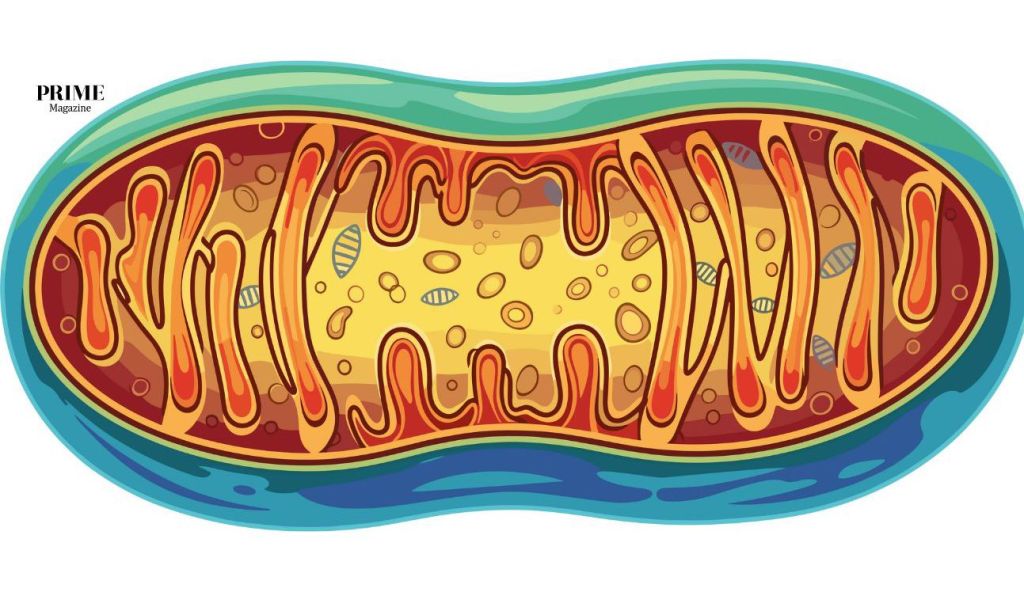
Niacin helps the body produce NAD, a compound essential for cell energy and repair. Higher NAD levels support healthy metabolism, improve mitochondrial function, and reduce inflammation and cell ageing.
Research also shows that niacin may help protect muscle health. It has reduced muscle loss in cancer patients receiving chemotherapy and improved muscle function in people with mitochondrial disorders.
Potential Risks and the Need for Balance
Niacin may lower heart risk partly by reducing fat breakdown and free fatty acid levels. However, some niacin by-products may trigger inflammation, which could increase heart risk in certain cases.
Previous studies also show that high niacin intake may raise blood sugar and reduce insulin sensitivity. This may explain why people with diabetes benefit less.
What This Means for Everyday Health
These findings highlight potential vitamin B3 benefits for longevity, particularly in non-diabetic adults. However, higher intake does not always mean better results.
More research is needed to understand who benefits most and how niacin works through both energy metabolism and cholesterol control. For now, getting niacin from a balanced diet remains the safest and most practical approach. PRIME







Leave A Comment