Cancer
Understanding cancer, the body’s immune defences and the importance of prevention, early detection and appropriate treatment.
1. Introduction
Cancer is a group of diseases in which abnormal cells grow uncontrollably and may invade nearby tissues or spread to other parts of the body.
It can develop in almost any organ, including the lungs, breast, colon, prostate and liver.
The immune system plays an important role in identifying and responding to abnormal cells. However, some cancer cells develop ways to avoid immune detection or suppress immune responses.
Advances in cancer research have led to treatments that use the immune system to help fight certain cancers. These treatments, known as immunotherapies, have become an important option for selected patients.
Cancer risk is influenced by several factors, including age, inherited genetic changes, lifestyle, environmental exposures and certain infections.
Understanding cancer and immune response can help individuals recognise potential warning signs, make informed screening decisions and better understand available treatments.
2. Why It Matters
Cancer is a major health concern in Singapore and becomes more common with increasing age.
Although not all cancers can be prevented, certain risk factors can be modified, and some cancers can be detected earlier through appropriate screening.
Early diagnosis may improve treatment options and outcomes for particular cancers.
The immune system’s relationship with cancer is also increasingly important in modern medicine.
Cancer immunotherapy can help the immune system recognise or attack certain cancer cells. However, it is not suitable for every cancer or every patient, and responses vary.
For adults aged 40 and above, understanding personal cancer risks, recognising persistent symptoms and discussing appropriate screening with healthcare professionals are important aspects of preventive care.
3. Common Conditions
Colorectal Cancer
Colorectal cancer develops in the colon or rectum. Symptoms may include persistent changes in bowel habits, blood in the stool, unexplained weight loss or anaemia. Screening can identify some cancers and precancerous growths before symptoms develop.
Breast Cancer
Breast cancer occurs when abnormal cells develop in breast tissue. Possible signs include a new breast lump, changes in breast shape, nipple changes or unusual discharge. Breast screening recommendations depend on age, individual risk and current clinical guidance.
Lung Cancer
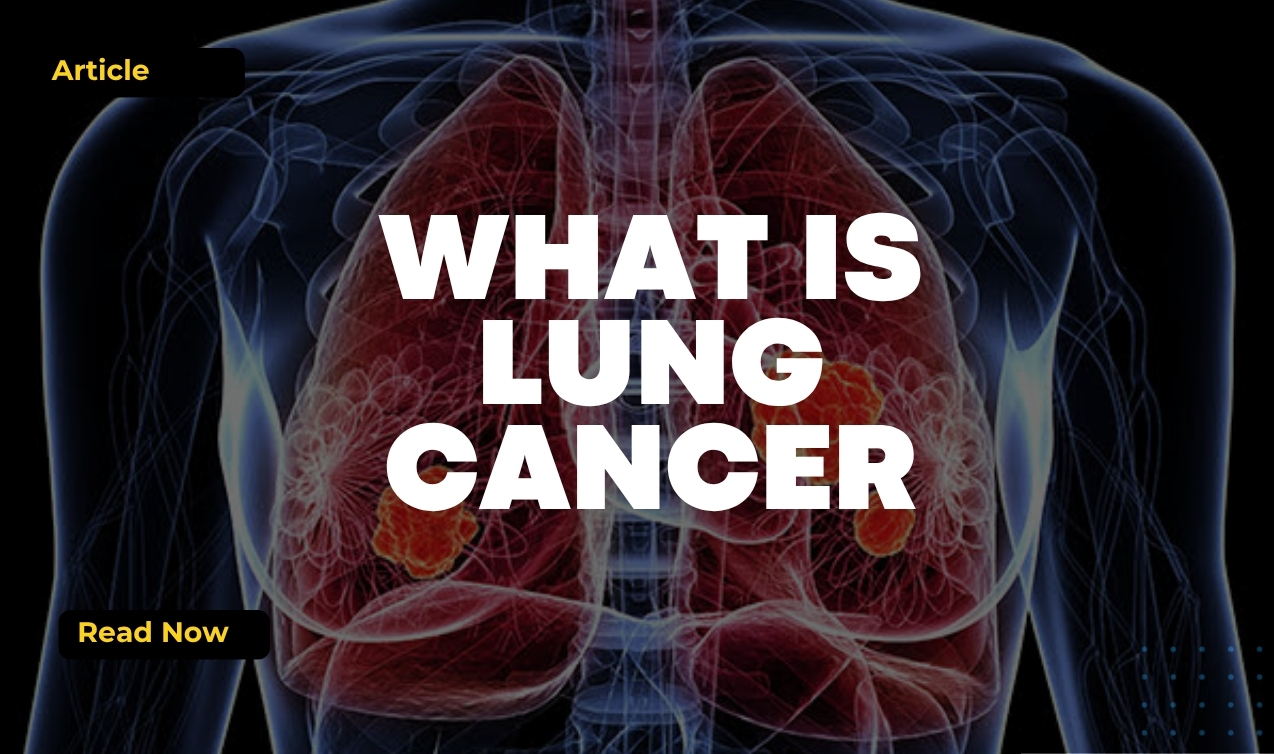
Lung cancer develops in lung tissue and may cause persistent cough, coughing up blood, breathlessness or unexplained weight loss. Smoking is a major risk factor, although lung cancer also occurs in people who have never smoked.
Prostate Cancer
Prostate cancer affects the prostate gland and becomes more common with age. Early disease often causes no symptoms. Prostate-specific antigen testing has potential benefits and harms, so screening decisions should be individualised rather than treated as universally necessary.
Liver Cancer
Liver cancer may develop in people with chronic hepatitis B or C infection, cirrhosis or certain other liver conditions. Symptoms may be absent in early stages. People at increased risk may require specialist-directed surveillance.
Cervical Cancer
Cervical cancer is strongly associated with persistent infection by certain high-risk types of human papillomavirus (HPV). HPV vaccination and appropriate cervical screening can reduce the risk of cervical cancer.
4. Signs & Symptoms
Cancer symptoms vary depending on the organ affected.
Possible warning signs include:
- Unexplained weight loss.
- Persistent fatigue.
- A new or enlarging lump.
- Unusual bleeding.
- Persistent changes in bowel or bladder habits.
- A cough that does not resolve.
- Difficulty swallowing.
- A sore or skin lesion that does not heal.
- Persistent unexplained pain.
- Changes in an existing mole or skin growth.
These symptoms can have many causes and do not necessarily indicate cancer.
However, persistent or unexplained changes should be medically assessed.
Screening is intended mainly for people without symptoms. Anyone with concerning symptoms should seek diagnostic medical assessment rather than wait for a routine screening appointment.
5. Prevention & Healthy Living
Avoid Tobacco
Smoking increases the risk of several cancers. Avoiding tobacco and second-hand smoke is an important preventive measure.
Limit Alcohol
Alcohol consumption increases the risk of certain cancers. Drinking less reduces alcohol-related cancer risk.
Maintain Healthy Lifestyle Habits
Regular physical activity, balanced nutrition and maintaining a healthy body weight can help reduce the risk of certain cancers.
Protect Against Cancer-Related Infections
Vaccination against hepatitis B and HPV can help prevent infections associated with particular cancers.
Participate in Appropriate Screening
Discuss recommended cancer screening with a healthcare professional. Screening decisions should consider age, family history, personal risk and the benefits and limitations of available tests.
Understand Cancer Immunotherapy
Immunotherapy includes treatments such as immune checkpoint inhibitors, which help the immune system respond to certain cancers.
These treatments can be effective for selected patients but may also cause immune-related side effects affecting organs such as the lungs, liver, bowel, skin and endocrine glands.
Treatment decisions require specialist assessment.
Avoid Unproven Cancer Treatments
Supplements, restrictive diets and alternative treatments should not replace evidence-based cancer care.
6. When to Seek Medical Advice
Consult a doctor if you notice persistent unexplained symptoms, a new lump, unusual bleeding or significant changes in your health.
People with a strong family history of cancer or known inherited cancer risk should discuss appropriate assessment and screening.
Seek urgent medical attention for:
- Significant uncontrolled bleeding.
- Severe breathlessness.
- Sudden neurological symptoms.
- Severe abdominal pain with significant illness.
- Fever or signs of serious infection during cancer treatment.
People receiving chemotherapy or other cancer treatments should follow their oncology team’s instructions about fever and infection.
In Singapore, call 995 for an emergency ambulance if you experience a life-threatening emergency.
Early assessment, appropriate treatment and supportive care can help improve outcomes and quality of life for people affected by cancer.