


Stressed man sitting on a sofa holding a glass of alcohol, highlighting the impact of drinking on mental and physical health.
The Rise of the Dry January Movement
In 2013, Alcohol Change UK launched the Dry January campaign. It encourages people to stop drinking alcohol for the entire month of January.
The movement has grown rapidly. In January 2025, Alcohol Change UK reported that about 200,000 people worldwide signed up for the challenge.
Researchers have long been interested in the health effects of a short break from alcohol.
Earlier studies suggested benefits such as higher energy levels and healthier body weight. These findings sparked further research into whether a single alcohol-free month can truly improve health.

Friends connecting and sharing moments together, highlighting healthier social habits beyond alcohol during Dry January.
New Study Examines the Impact of a One-Month Alcohol Break
A new study published in the journal Alcohol and Alcoholism explored this question further.
Researchers analysed data from 16 previously published Dry January studies involving more than 150,000 participants.
They examined:
-
Who took part in Dry January
-
What health changes participants experienced
-
Which factors helped people complete the challenge
The findings showed that even a short break from alcohol can bring measurable physical and psychological improvements.
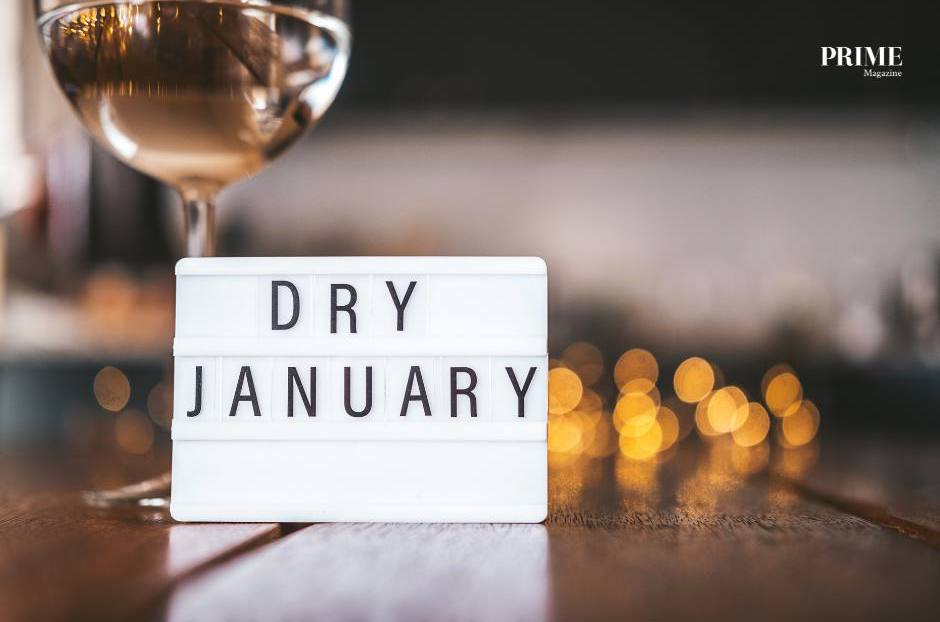
One month without alcohol can improve sleep, energy, and liver health.
Health Improvements Reported After One Month
Participants who stayed alcohol-free for the full month reported several health benefits.
These included:
-
Better sleep quality
-
Improved mood
-
Increased energy levels
-
Easier weight loss
-
Lower blood pressure
The results highlight the cumulative strain alcohol places on the body. Even moderate drinking can gradually affect sleep, metabolism, and mental well-being.
A one-month break can therefore act as a health reset. It allows the body time to recover and encourages people to reassess their drinking habits.

Friends enjoying an outdoor sunset hike, reflecting the healthier lifestyle benefits of going alcohol-free for a month.
Why Support Tools Increase Success
The study also identified factors that improved participants’ chances of success.
People who used Dry January support tools were more likely to complete the challenge. These tools included:
-
Mobile apps
-
Daily motivational emails or text messages
-
Online communities
Participants who used these resources were also more likely to continue drinking less after January.
This highlights an important principle of behaviour change. Willpower alone is rarely enough. Structured support and social accountability can make healthy habits easier to sustain.
How Alcohol Affects Sleep and Mental Clarity
One major benefit reported by participants was better sleep.
Alcohol can interfere with sleep in several ways. It suppresses REM sleep, especially during the first half of the night. REM sleep is important for memory, mood regulation, and mental recovery.
Alcohol may also worsen conditions such as sleep apnoea. In addition, it increases nighttime urination, which can interrupt sleep cycles.
When people stop drinking, sleep patterns often stabilise. Many participants reported feeling more refreshed and mentally clear during the day.
Social and Emotional Benefits of Drinking Less
Reducing alcohol intake can also improve social and emotional well-being.
Many participants reported feeling more present and engaged when spending time with friends and family.
Without alcohol, people may also discover new ways to relax and socialise. Activities such as exercise, outdoor events, or hobby groups often replace drinking occasions.
These changes can strengthen relationships and support a healthier lifestyle overall.
Practical Tips for Cutting Back on Alcohol
Experts say the most successful strategies involve planning and support, rather than relying solely on willpower. PRIME







Leave A Comment