

Anti-Ageing Series: A Doctor’s Guide to Healthy Ageing
Wilted and Weary: A GP’s Honest Guide to Fatigue, Stress and Ageing
by Dr Alan Liem, My Clinic
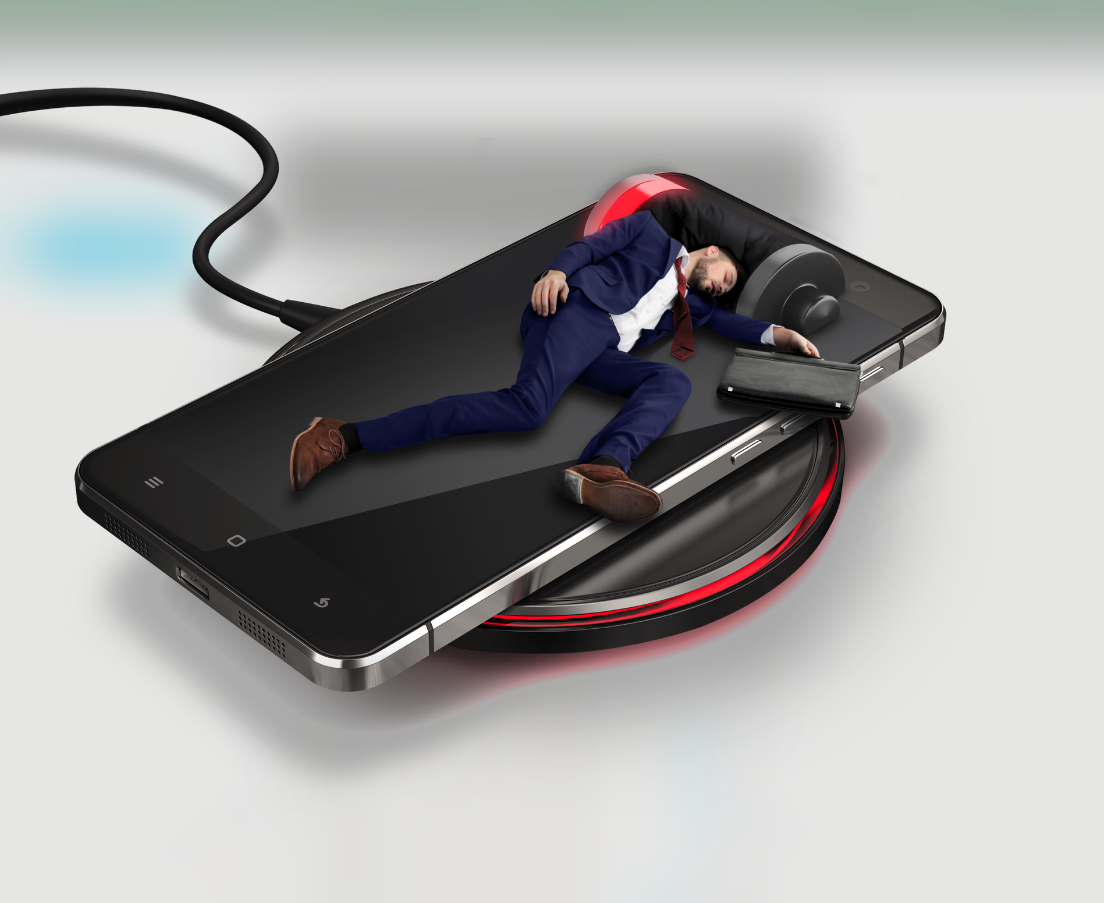
Man lying on smartphone charger (burnout concept)
In my clinic, the most common complaint I usually hear from patients is not about a specific pain or a nagging cough – it is more along the lines of: “Doc, I’m feeling wiped out.” People come in feeling like they are constantly running on empty. They catch every cold that goes around the office and feel brain fog. Most of them have come to accept this as the price they have to pay for living in a modern society – or simply something that comes as part of getting older. But this is what I tell my patients: Common does not mean normal. Just because everyone else is feeling exhausted does not mean you are supposed to feel exhausted as well.
EIGHT HOURS DOES NOT ALWAYS CUT IT

Sad melting emoji (fatigue illustration)
I often encounter patients who ask me: “I just don’t get it. I was in bed for eight hours last night. So why do I still feel like this?” My first question back to them is always: But were you actually sleeping? There is a massive difference between “horizontal time” and restorative sleep. If you were scrolling through emails until 11 p.m. or had a glass of wine to wind down, you might be unconscious when you slept, but your brain is not getting the deep, cellular cleanup it needs. In my experience, chronic stress does not just keep you awake, it “thins” your sleep. It leaves you feeling like you had worked a double shift even when you have not moved a muscle.
IT IS NOT ALWAYS MENTAL
While lifestyle is a major factor, I never want to dismiss physical factors. When someone tells me their fatigue feels “heavy” or “unbreakable,” I always start looking under the hood to find possible underlying causes. And it is surprisingly common to discover that a patient’s burnout is actually due to a silent iron deficiency or thyroid function that has slowed down. I also see a lot of people, especially those on restrictive diets or those who are in high-pressure jobs, running dangerously low on vitamin D or B12. Unfortunately, you cannot meditate your way out of a clinical nutrient deficiency, which is why getting bloodwork done is often our first step.
THE STRESS-SICK CYCLE

Sleep-deprived man showing signs of fatigue and poor sleep quality.
We talk a lot about the mind-body connection, but I see it in real-time through my patients’ immune systems. When you are chronically stressed, your body is essentially stuck in “emergency mode,” constantly pumping out cortisol. This is great if you have a real emergency to deal with, but if these levels stay chronically high because of a toxic boss or a financial worry, it eventually suppresses your immune response. This can affect your health in many ways – for example, it is the reason why you tend to get a massive flu the second you finally go on holiday. Your body was holding it together with stress hormones, but the moment you finally feel relaxed, the system actually crashes.
AGEING WITHOUT THE ACHE

Woman doing Hatha yoga asana Virabhadrasana 1 Warrior Pose outdoors on ocean beach on sunset. Kerala, India
I also often see patients in their 40s or 50s who come in feeling frustrated because their body is not what it used to be, and they can no longer do what they used to do. They are gaining weight around the body in new places or finding that recovery is taking twice as long as it used to. When such changes take place, it may be time to look at changing one’s lifestyle to manage these changes. Unfortunately, the mistake most people make is that they wait for a major symptom to occur before they contemplate changing their habits. I like to refer to midlife as the Maintenance Phase. When you are in your 20s, your body is like a new car. You can overuse it and it will still run. You can get away with minimal servicing. But by the time you hit your 40s, your car will not function the way it used to. If you do not change the oil and check the tires, it is eventually going to break down on the roads.
Healthy ageing is not about trying to stay young; it is about preserving your “functional hardware.” This means protecting your muscle mass and staying socially engaged. I have noticed that my loneliest patients often physically age faster than my most active, social ones. Isolation is as hard on the heart as high blood pressure.
THE QUICK FIX FALLACY
My patients also often bring up the topic of supplements. They would ask, “Doc, what pill can I take for my immune system?” I will be honest: if you are only sleeping four hours a night and living on caffeine, a vitamin C gummy is not going to save you. There is no remedy in a bottle. Immunity is built in the boring daily moments – a consistent sleep window, a 20-minute walk, as well as adequate vegetables and protein on your plate. Supplements are exactly what their name implies: they are a supplement to a foundation; they are not the foundation itself.
NON-NEGOTIABLES TO GOOD HEALTH
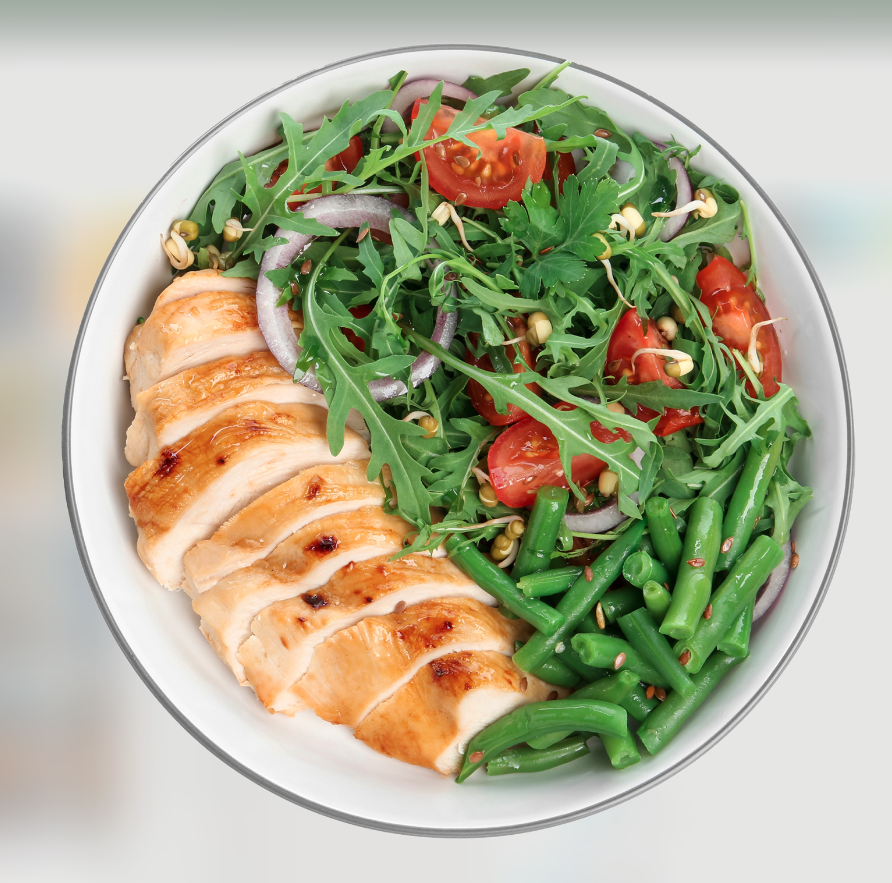
Healthy chicken salad bowl
If I could give every patient a simple cheat sheet to take home, it would be my five “non-negotiables.” They include: Protect Your Sleep: If you do not sleep, nothing else – not your diet nor your gym routine – can replace it. Move, But Do Not Make It a Chore: You do not need to able to run a marathon to be healthy; you just need to not be sedentary. Walk the dog, take the stairs, and keep the “rust” off your joints. Find a “Vent”: Stress is like steam in a pressure cooker. You need to have a vent that lets the pressure out so that the lid does not blow off. Engage in a hobby, or talk to a friend or a therapist if and when you feel pressured. Eat Real Food: Try to eat things that do not come in a crinkly plastic wrapper. Your gut (and your mood) will thank you.
Do the Baseline Checks: Do not try to guess. Get bloodwork done. It is much easier to fix a slight vitamin dip now than to manage a chronic disease ten years down the line.
SEE YOUR DOCTOR

Blood pressure monitor & stethoscope
The most important thing I want everyone to know is that you should not wait until you are actually feeling ill to see your doctor. Most of the best work we do in medicine happens before a diagnosis ever lands on a chart. If you feel “off,” trust your intuition. It is your body’s way of asking for a tune- up before the check engine light starts flashing warning signs. PRIME







Leave A Comment