

Celebrity & Culture
Rachel McAdams: A Career Built on Balance
PRIME

Rachel McAdams
How one of Hollywood’s most recognisable faces built a career on restraint, balance, and a refusal to play the fame game
Hollywood rewards spectacle. It elevates the bold, the loud, and the relentlessly visible. Yet Rachel McAdams has built a career that challenges those assumptions. She rose to global recognition quickly, stepped back deliberately, and returned with quiet confidence. Over more than two decades, she has shaped a body of work defined by consistency rather than chaos. Her choices reflect intention instead of impulse.
This slow, thoughtful approach has made her one of the most enduring talents of her generation. McAdams is recognisable worldwide, yet still manages to live part of the year in Toronto, far from the usual gravitational pull of Los Angeles. She cycles for errands, avoids social media, and rarely appears in tabloids. Those decisions offer clues to her longevity. They show a commitment to independence that stands in sharp contrast to the industry’s demands.
Her story, therefore, is not only about the roles she has played. It is also about the opportunities she turned down, the pauses she embraced, and the personal boundaries she has maintained. Each decision contributes to a larger design—a quiet architecture—that supports a stable and lasting career.
A Childhood Built on Discipline and Imagination
Growing Up in St. Thomas, Ontario
Rachel Anne McAdams was born on 17 November 1978 in London, Ontario. She spent her childhood in nearby St. Thomas, a small town that shaped her sense of stability. Her mother worked as a nurse; her father drove trucks. The household was modest, structured, and grounded in routine. As the eldest of three children, she learned early to take responsibility and support her younger siblings. Her sister eventually became a make-up artist, while her brother later pursued a career in fitness and wellness.
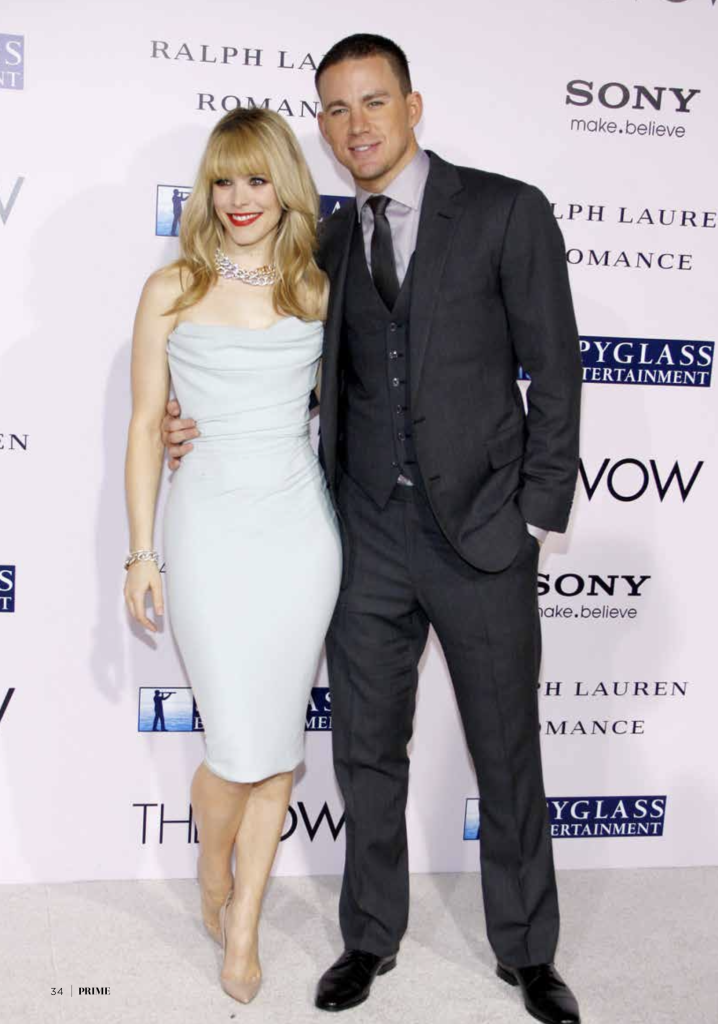
From a young age, McAdams balanced discipline and creativity. She began figure skating at four years old and trained several times a week. The sport required precision, concentration, and emotional control. Although she did not pursue skating professionally, the experience shaped her understanding of performance and movement. It taught her how to thrive under pressure and stay focused in front of an audience.
Discovering the Joy of Performance
Despite the demands of skating, McAdams remained drawn to storytelling. She enjoyed reading, creating small performances at home, and imagining new characters. This inclination found a formal outlet when she joined the Original Kids Theatre Company in London, Ontario. The programme exposed her to ensemble work, stage discipline, and creative collaboration. It also introduced her to a community of young performers who shared her enthusiasm.
Her talent became more evident during her teenage years. She appeared in school productions, and her performances earned recognition. One notable moment was an award at the Sears Ontario Drama Festival, a respected platform for young actors. The recognition encouraged her, even though she still viewed acting as an unlikely career. For someone from a small town without industry connections, the prospect seemed distant.
The Teacher Who Changed Everything
A turning point came during her final year of high school. McAdams planned initially to study cultural studies at the University of Western Ontario. A drama teacher, however, urged her to consider a future in theatre. That conversation forced her to rethink her plans. Instead of following a conventional academic path, she applied—at the last minute—to York University’s competitive theatre programme.
Her acceptance into the programme marked the first major pivot in her life. It also confirmed what her mentors had long believed: that she had the potential for a serious acting career.
Training at York University and Early Screen Work
Learning Technique Before Fame
York University’s theatre programme placed heavy emphasis on technique. Students studied movement, voice, classical text, contemporary drama, and on-camera performance. McAdams thrived in the environment. She performed in numerous productions, developed a strong work ethic, and gained confidence through repetition and practice.
She also worked in television during this time. Those early roles introduced her to the rhythms of film sets, where performances required subtlety and controlled energy. The contrast with theatre helped her appreciate the technical demands of acting for the screen.
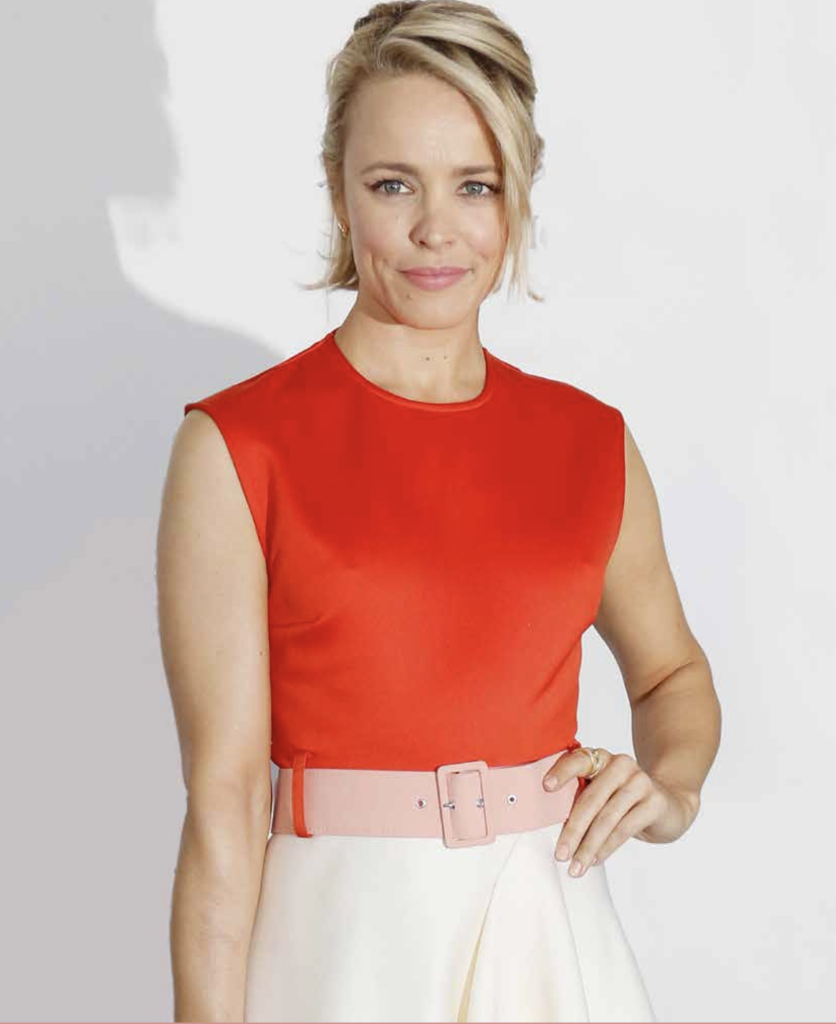
Rachel McAdams 07
Canadian Films and Industry Recognition
After graduating in 2001, McAdams appeared in several Canadian projects. Her role in Perfect Pie earned her a nomination for a major national award, and critics noted her emotional authenticity. In My Name Is Tanino, she gained experience working abroad and adapting to a different production culture.
These roles did not make her famous, but they built a strong foundation. They allowed her to develop range without the pressure of public scrutiny. They also positioned her for her eventual breakthrough in Hollywood.
The First Entry into Hollywood
Her Hollywood debut arrived with The Hot Chick in 2002. Even though the film was a broad comedy, McAdams’s performance stood out. She demonstrated sharp comedic timing and played confidently against the film’s eccentric premise. Reviewers took notice, and McAdams became part of a new wave of young actors gaining traction.
The stage was set for something larger.
The Double Breakthrough
The Double Breakthrough: Mean Girls and The Notebook
Regina George and an Immediate Cultural Landmark
Rachel McAdams’s career shifted dramatically in 2004. That year, she played Regina George in Mean Girls. The role demanded precision because the character could easily have slipped into cliché. Instead, McAdams crafted a performance that felt specific, sharp, and strangely human. Regina was manipulative and strategic, yet McAdams allowed glimpses of insecurity to appear. Those brief moments made the character far more memorable.
The film quickly became a cult classic. It also embedded Regina George into the vocabulary of a generation. Even now, references to the character remain common in pop culture. Because of McAdams’s performance, Regina became iconic instead of one-dimensional.
The Notebook and Global Recognition
Only months later, she appeared as Allie Hamilton in The Notebook. While the film’s premise was simple—a young couple fighting for love against family pressure and circumstance—the emotional intensity resonated with audiences. McAdams portrayed Allie with clarity and emotional transparency. She balanced youthful impulsiveness with mature vulnerability.
Her chemistry with Ryan Gosling amplified the film’s appeal. Their scenes carried weight and tenderness. Even critics who found the film sentimental acknowledged the strength of their partnership. As the movie gained worldwide attention, McAdams became one of the most recognisable faces of early-2000s romance cinema.
A Sudden Ascent
By the end of 2004, she had starred in two films that would define her early professional identity. That level of visibility could have accelerated her into near-constant exposure. Instead, McAdams remained cautious. She understood that momentum could be helpful, but she also recognised that immediate fame could distort choices and expectations.

Rachel McAdams 07
2005: A Year of Strategic Variety
Mastering Multiple Genres
The year 2005 allowed McAdams to demonstrate her versatility. She starred in three vastly different films: Wedding Crashers, Red Eye, and The Family Stone. Each project served a distinct purpose in expanding her range.
In Wedding Crashers, she grounded the film. Her character, Claire, was sincere, kind, and quietly humorous. The film’s energy was chaotic, yet McAdams brought emotional coherence to it.
In Red Eye, she shifted into thriller mode. The story unfolded largely within the confined space of an airplane. Because of that, every gesture mattered. She portrayed tension and resolve without melodrama.
In The Family Stone, she embraced sharpness and defensiveness. Her character, Amy, was guarded and occasionally abrasive. Yet McAdams revealed emotional layers that made Amy more relatable as the story evolved.
Rising Expectations
These performances solidified her status as Hollywood’s newest star. Reporters began describing her as the next Julia Roberts, and casting directors considered her for a number of high-profile projects. Nevertheless, she still approached her career with restraint, even as opportunities multiplied.
Choosing Absence at the Height of Fame
Turning Down the Expected Path
After an intense rise, McAdams made a decision that surprised nearly everyone watching her career: she stepped away. Offers continued to arrive, but she declined several major roles. Instead of accelerating harder into the Hollywood circuit, she took a deliberate pause.
She later explained that she felt overwhelmed. She recognised that the industry could easily shape her identity if she wasn’t careful. Because she valued authenticity and emotional clarity, she chose distance over momentum.
Returning to Toronto and Redefining Balance
During her hiatus, McAdams returned to Toronto. She surrounded herself with long-time friends, spent time with family, and reconnected with the quieter parts of her life. The pace was slower, and the routine was uncomplicated. She rode her bike through the city, attended plays, and enjoyed a low-profile daily rhythm.
The break gave her room to reflect on what she wanted from her career. It also reminded her that fame was not the primary goal; meaningful work mattered more.
Exploring Activism and Community Engagement
This period created space for activism. McAdams co-founded an eco-lifestyle website and promoted sustainable living. She volunteered in post-disaster recovery efforts and supported environmental advocacy groups. Although she participated in public campaigns, she avoided grandstanding. Her activism was practical and personal, shaped by everyday choices rather than public declarations.

Rebuilding Momentum with Purpose
Character-Driven Films and Subtle Roles
When McAdams returned to film in 2007, she approached her career differently. She selected roles with emotional depth and fewer commercial expectations. In Married Life, she played a young woman entangled in an affair with a married man. In The Lucky Ones, she portrayed a soldier returning from deployment and navigating the complexities of reintegration.
These roles offered nuance. They allowed her to break free from romantic lead stereotypes. They also showed her willingness to engage in stories grounded in realism and character development.
Balancing Art and Mainstream Appeal
By 2009, McAdams was ready to re-enter larger commercial projects. She appeared in State of Play as an ambitious journalist, in The Time Traveler’s Wife as Claire Abshire, and in Sherlock Holmes as Irene Adler.
Her portrayal of Irene Adler was particularly significant. The film was a global success, and McAdams demonstrated wit and intelligence opposite Robert Downey Jr.’s frenetic Sherlock Holmes. She held her own in action sequences and delivered humour with precision.
Morning Glory and a Renewed Spark
In 2010, she starred in Morning Glory, a workplace comedy that showcased her radiant energy. She played Becky Fuller, a young producer tasked with reviving a failing morning show. The role combined determination, chaos, and charm. Critics highlighted her ability to energise the film and carry its emotional centre.
2011–2014: A Period of Risk and Exploration
Collaborating with Distinctive Directors
The early 2010s tested McAdams’s artistic instincts. She worked with Woody Allen in Midnight in Paris, where she played Inez, a character whose realism grounded the film’s more whimsical elements. She collaborated with Terrence Malick in To the Wonder, embracing a restrained and poetic style. She also worked with Brian De Palma in Passion, exploring psychological intensity.
Maintaining Commercial Presence
During the same period, she appeared in The Vow, a romantic drama that performed strongly at the box office. In About Time, she brought warmth to a time-travel romantic comedy. Her role in A Most Wanted Man added seriousness to her portfolio, especially because she acted opposite Philip Seymour Hoffman in one of his final performances.
A Portfolio of Range
These projects demonstrated McAdams’s ability to move effortlessly between tone, genre, and style. She could shift from whimsy to tension, from emotional vulnerability to technical precision. That range contributed to her reputation as a reliable and intriguingly unpredictable actor.
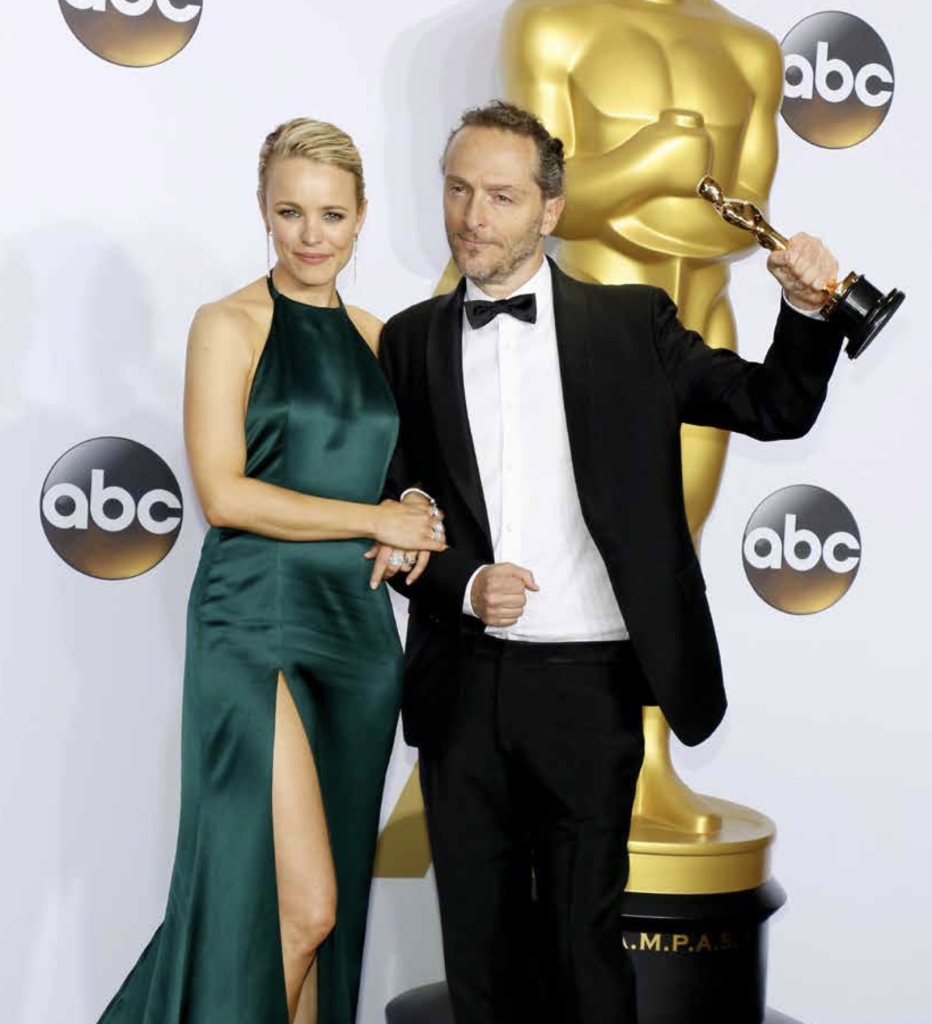
Rachel McAdams 07
2015: A Defining Year
Darker Characters and Complex Emotion
In 2015, McAdams explored roles with emotional weight. She appeared in Southpaw as the wife of a troubled boxer. She also joined True Detective as Detective Ani Bezzerides, a character marked by trauma and moral conflict. Her performance grounded the season and added emotional resonance to its darker themes.
The Restraint and Power of Spotlight
Her most celebrated performance came in Spotlight. McAdams played Sacha Pfeiffer, one of the reporters investigating the Catholic Church abuse scandal. The film required subtlety. It relied on quiet moments, long interviews, and persistent inquiry. McAdams portrayed Pfeiffer with careful balance—empathetic, composed, and resolute.
Spotlight won the Academy Award for Best Picture, and McAdams earned an Oscar nomination for Best Supporting Actress. The role affirmed her place among the most respected performers of her generation.
Expanding Reach Without Losing Identity
Doctor Strange and a New Chapter
In 2016, McAdams joined the Marvel Cinematic Universe as Dr Christine Palmer in Doctor Strange. Her character grounded the story’s fantastical elements. She brought relatability to scenes filled with visual spectacle. That contrast strengthened the film’s emotional core.
She later voiced alternate versions of Christine in the animated series What If…? and reprised the role in Doctor Strange in the Multiverse of Madness in 2022. Each iteration allowed her to explore different facets of the same character.
Contrasting Roles: Disobedience and Game Night
While working on Marvel projects, McAdams continued exploring both independent dramas and sharp comedic work. Her performance in Disobedience revealed a quieter, more introspective side. As Esti, a woman caught between religious duty and her own desires, McAdams delivered a portrayal marked by restraint, emotional precision, and vulnerability.
Her next major film moved in the opposite direction. In Game Night, McAdams leaned into brisk comedy and lively pacing. Showcasing playful timing and buoyant energy, the role revealed a lighter comedic side of McAdams. At the same time, audiences responded warmly to her chemistry with the ensemble, a dynamic that strengthened the film’s overall rhythm. As a result, the character’s lightness added momentum and contributed to the movie’s distinctive tone.
Eurovision: Warmth and Whimsy
A different project followed in 2020, when McAdams starred in Eurovision Song Contest: The Story of Fire Saga. This time, she played Sigrit Ericksdottir, an Icelandic singer chasing an unlikely dream. The film blended absurd humour with sincere emotion, and McAdams’s commitment to both tones anchored the story. Her performance earned particular praise for its warmth, generosity, and wholehearted charm.
Rebalancing Life After 2018
Motherhood and New Rhythms
McAdams welcomed her first child in 2018 and her second in 2020 with her partner, screenwriter Jamie Linden. She described motherhood as joyful and energising. She also emphasised her desire to protect her children’s privacy. That priority shaped her decisions regarding work. She became selective, choosing roles that aligned with her values and schedule.
Thoughtful Returns to the Screen
In 2023, McAdams appeared in Are You There God? It’s Me, Margaret. She played a mother navigating family life and cultural transition. Critics admired her performance for its emotional warmth and nuanced restraint.
Her selective approach reinforced her belief that acting should enhance life rather than dominate it.

Rachel McAdams
Broadway Debut in Mary Jane
A New Creative Challenge
In 2024, McAdams made her Broadway debut in Mary Jane, written by Amy Herzog. She played a single mother caring for a chronically ill child. The performance demanded emotional stamina and consistency. Theatre audiences witnessed her commitment firsthand, and critics responded with strong praise.
Recognition and a New Milestone
Her work earned her a Tony Award nomination for Best Actress in a Play. The nomination marked a new chapter in her career and confirmed her ability to move seamlessly between screen and stage.
The Upcoming Thriller Send Help
A Survival Story with Psychological Depth
McAdams will next star in Send Help, scheduled for release in January 2026. Directed by Sam Raimi, the film follows two colleagues stranded on a deserted island after a plane crash. The story blends survival tension with interpersonal conflict. McAdams plays Linda Liddle, a strategist forced to confront danger, scarcity, and buried grievances.
Continuing Growth and Adaptability
This project demonstrates McAdams’s ongoing appetite for roles that challenge her. Even after decades in the industry, she still embraces new genres and unexpected turn.
A Commitment to Meaningful Work
Rachel McAdams’s career is built on thoughtful choices. She selects roles that interest her, collaborates with directors she respects, and prioritises balance. She has never pursued visibility for its own sake. Instead, she allows her work to speak for itself.
A Deliberate Distance from Fame
Her personal boundaries remain clear. She avoids social media, maintains privacy, and focuses on her craft. That distance allows her to stay grounded even when her work gains global attention.
A Long Game Built on Restraint
Hollywood often encourages speed and spectacle. McAdams offers a different model. She has shown that longevity can come from patience, clarity, and self-awareness. Her career has evolved steadily, shaped by intention rather than impulse.
A Commitment to Meaningful Work
Rachel McAdams’s career is built on thoughtful choices. She selects roles that interest her, collaborates with directors she respects, and prioritises balance. She has never pursued visibility for its own sake. Instead, she allows her work to speak for itself.
A Deliberate Distance from Fame
Her personal boundaries remain clear. She avoids social media, maintains privacy, and focuses on her craft. That distance allows her to stay grounded even when her work gains global attention.
A Long Game Built on Restraint
Hollywood often encourages speed and spectacle. McAdams offers a different model. She has shown that longevity can come from patience, clarity, and self-awareness. Her career has evolved steadily, shaped by intention rather than impulse.
The Quiet Architecture of Stardom
Rachel McAdams’s journey challenges the conventional narrative of celebrity. She rose quickly but avoided burnout. She embraced opportunities but remained faithful to her values. She worked across genres, collaborated with acclaimed directors, and expanded into theatre with ease.
Her career is not defined by noise or spectacle. Instead, it is shaped by thoughtfulness and resilience. Each role, each pause, and each return reflects a deeper philosophy: that artistry deserves space, and life deserves balance.
In an industry that rewards constant visibility, McAdams has created a different blueprint. Her architecture is quiet, intentional, and enduring. It is a design built to last.
Author

You Might Also Like:
 Jet Li and the Evolution of Kungfu Cinema
 A Voice Across the World | Evergreen Idol Fei Xiang Makes a Triumphant Return in Creation of the Gods
 INCREDIBLE HUNK : BRAD PITT
 Scarlett Johansson’s Rise to Become the Highest-Grossing Actor in the World
 From Rom-Com Royalty to Scene-Stealing Villain: The Hugh Grant Reinvention That Hollywood Can’t Ignore



Leave A Comment