

Celebrity & Culture
Jet Li and the Evolution of Kungfu Cinema
PRIME
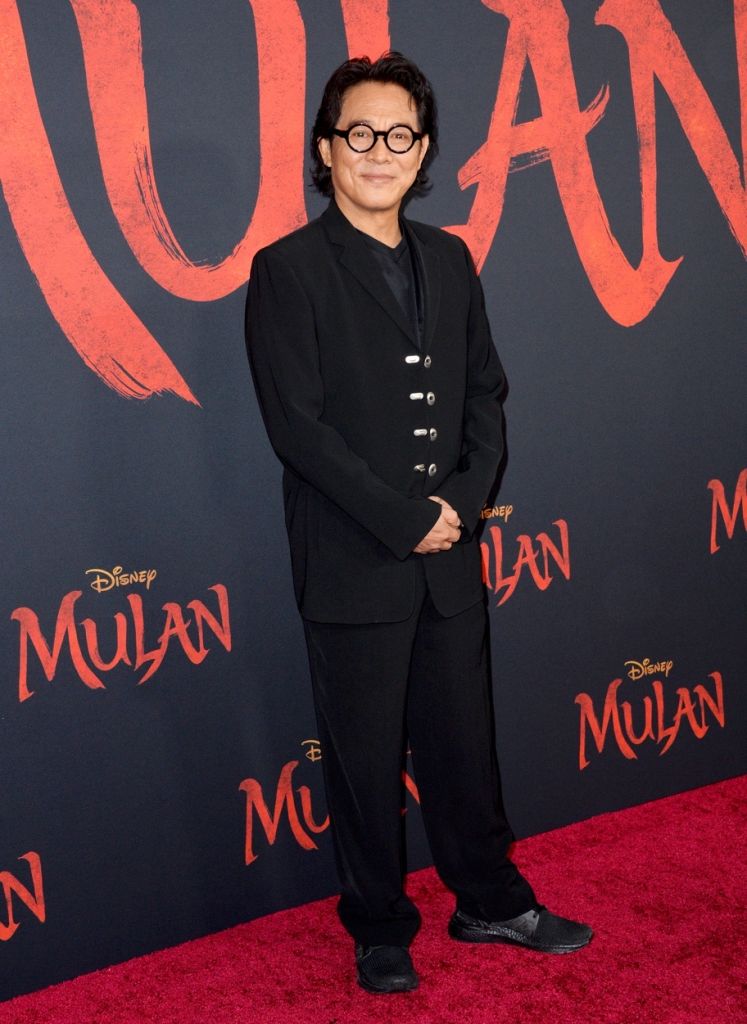
Jet Li at the world premiere of Disney’s Mulan, El Capitan Theatre, Los Angeles, September 2020.
Photo: Paul Smith/Featureflash
FROM WUXIA ROOTS TO MODERN KUNGFU CINEMA
Kungfu cinema did not begin with flying kicks or gravity-defying stunts. Instead, it evolved from earlier forms of Chinese entertainment such as Chinese opera, which often featured stylised movement inspired by martial arts.
In the 1920s and 1930s, Chinese filmmakers began spinning tales of wandering swordsmen, honour-bound knights-errant, and ghostly assassins. These stories drew heavily from China’s vast martial arts literary tradition. As a result, the earliest martial arts films became known as wuxia.
At the time, these films felt slow and theatrical. They relied on painted backdrops, exaggerated gestures, and rudimentary effects to convey moral worlds shaped by righteousness and revenge. Although wuxia films could appear gimmicky, they quietly laid the groundwork for what would later become one of Asia’s most influential cultural exports.
Over time, Kungfu films began to eclipse wuxia in popularity. By the 1970s, Hong Kong had emerged as the genre’s creative powerhouse.
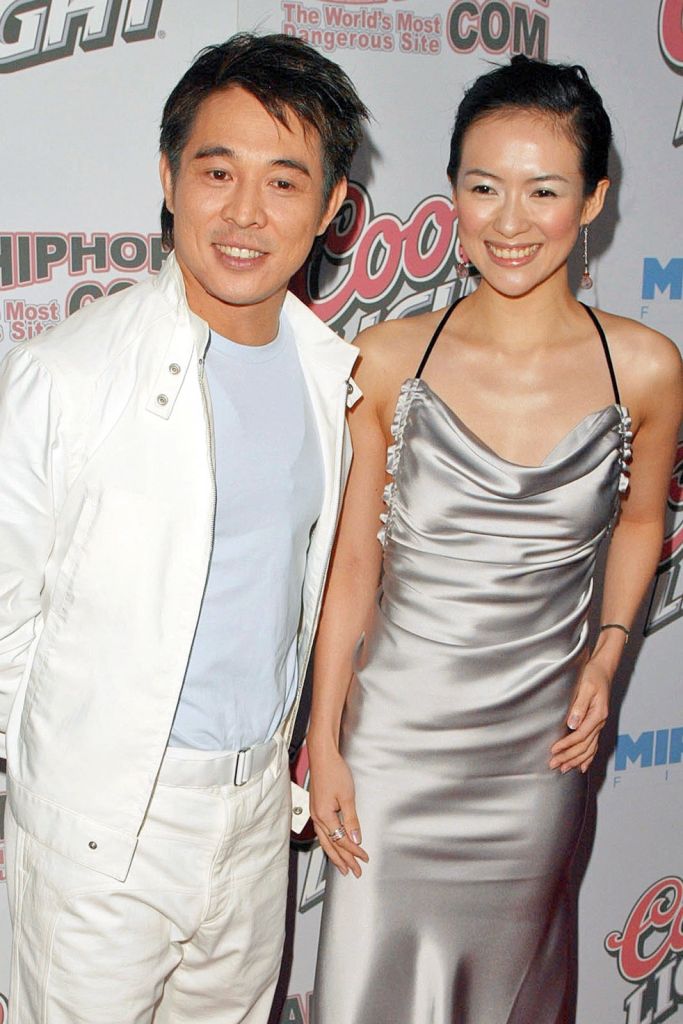
Jet Li and Zhang Ziyi at Miramax Films’ “Hero” premiere, Hollywood (08-17-04)
THE SHAW BROTHERS MACHINE AND A GOLDEN AGE
During this period, Shaw Brothers Studio industrialised Kungfu filmmaking. The studio introduced structured story conferences, dedicated stunt teams, and an assembly-line system of directors and choreographers. Martial arts on screen were treated with near-scientific precision.
Two filmmakers shaped this era in distinct ways. Chang Cheh injected the genre with a muscular ethos of blood, loyalty, and brotherhood. Meanwhile, Lau Kar-leung, himself a martial artist, emphasised authenticity and technique. His films grounded action in real styles and philosophy.
As a result, the era produced its first wave of legends. Ti Lung and David Chiang became icons of heroic brotherhood. Gordon Liu’s monk in The 36th Chamber of Shaolin crystallised the image of Shaolin discipline.
Audiences responded not only to the action, but also to the moral clarity. Honour still mattered. A lone, skilled fighter could confront corruption head-on. Then, almost overnight, everything changed.
BRUCE LEE AND THE GLOBAL SHOCKWAVE
In 1971, Bruce Lee burst onto screens with The Big Boss and Fist of Fury. He brought a raw, modern energy that transformed Kungfu cinema.
Lee’s speed, charisma, and philosophical confidence rewired the global imagination. Suddenly, Kungfu broke free from folklore. It became international, aspirational, and undeniably cool. Hollywood and Europe scrambled to import Hong Kong films. Drive-in theatres and Chinatown cinemas across the West filled with fans mimicking Lee’s iconic yells.
For the first time, a Chinese martial artist became a global superstar.
Even after Lee’s death in 1973, the industry did not collapse. Instead, it adapted.
THE SEVEN LITTLE FORTUNES AND A NEW WAVE
That adaptation arrived through the Seven Little Fortunes of Hong Kong’s China Drama Academy. Jackie Chan fused slapstick comedy with daredevil stunts. Sammo Hung expanded ideas of body type and movement. Yuen Biao added acrobatic grace.
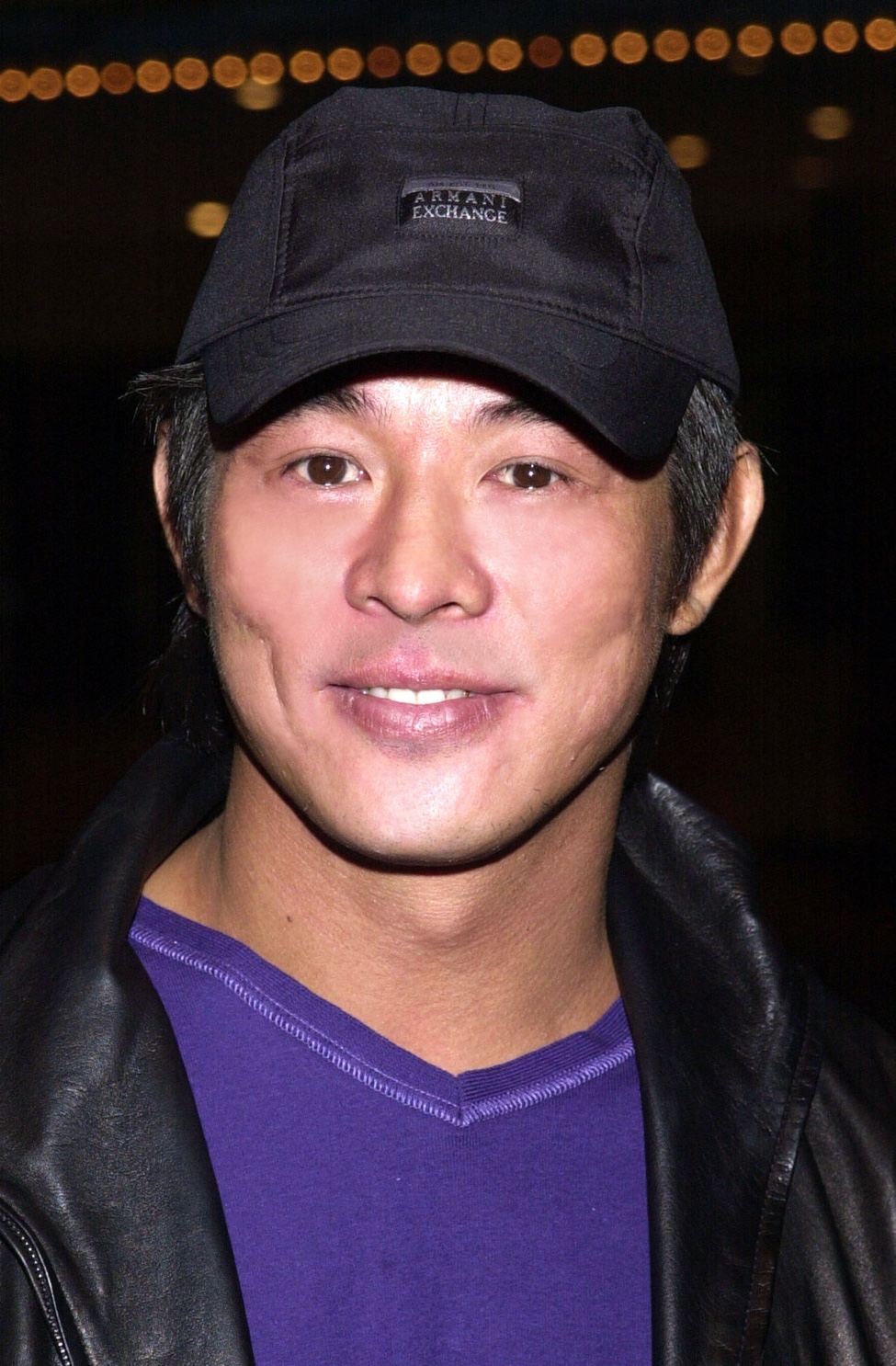
Jet Li at the premiere of “The Transporter,” Westwood (10-02-02)
At the same time, technical advances reshaped the genre. Filmmakers layered wirework, camera tricks, and increasingly complex choreography. This “new wave” dominated the 1980s and 1990s.
By then, Kungfu cinema had become a global language. Its stars moved fluidly between Hong Kong, Taiwan, Hollywood, and Southeast Asia.
Each era forged a new archetype. Bruce Lee embodied the philosopher-fighter. Jackie Chan became the clown-daredevil. Sammo Hung emerged as the big-man technician. Donnie Yen refined the disciplined modern warrior.
Among them stood a different kind of dragon: Jet Li.
WUSHU PRODIGY: A CHILD FORGED BY DISCIPLINE
Jet Li was born Li Lianjie on 26 April 1963 in Beijing. As the youngest of five children, he grew up in modest circumstances. His father died when he was only two, leaving his mother to raise the family alone.
That early experience of insecurity shaped both Li’s work ethic and his empathy for hardship.
By most accounts, Li was a model child. He was polite, obedient, and academically gifted. At Changqiao Primary School, he frequently earned top marks and gained the affection of his teachers.
Like many Chinese children, he joined sports through school. In 1971, at the age of eight, his life shifted during a summer course at what is now Beijing Sport University.
A COINCIDENCE THAT BECAME DESTINY
Li later recalled that students were divided randomly into sports groups. “It was just coincidence I went into the wushu class,” he said.
Yet his talent stood out immediately. Wu Bin, the class instructor, noticed the skinny boy’s balance, flexibility, and intense focus. Soon after, Wu invited Li to continue training at the university. Only a handful of students received that invitation. Li was the youngest.
Alongside fellow coach Li Junfeng, Wu took Li under his wing.
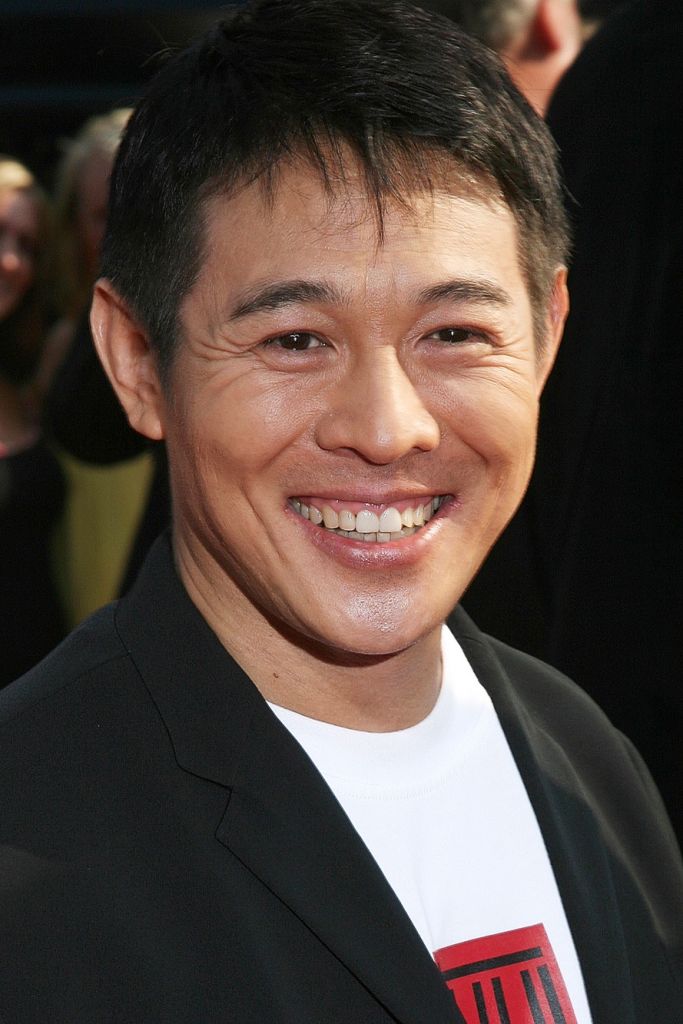
Jet Li arriving at the 2008 ESPYs, Los Angeles (07-16-08) © Kathy Hutchins
POVERTY, FATIGUE, AND A WAY FORWARD
At home, Li’s mother protected him fiercely. She discouraged risk and even forbade him from riding a bicycle.
Despite that caution, Li trained relentlessly. Although naturally gifted, he often appeared fatigued. His mother worried. Even so, Li persevered, training every day regardless of weather or exhaustion.
Poverty sharpened his motivation. Wushu represented a way out and a promise of stability. According to Li, Wu Bin even used his own money to buy him extra food so he could recover from training.
Over time, wushu became more than sport. It became both a calling and an escape.
FROM NATIONAL PRODIGY TO INTERNATIONAL STAGE
In 1974, at just eleven years old, Li joined the Chinese national wushu team. That same year, he toured the United States and other countries as part of cultural exchanges near the end of the Cold War.
At an exhibition on the White House lawn, Li performed for President Richard Nixon. When Nixon jokingly asked if Li would one day become his bodyguard, the young prodigy replied, “I don’t want to protect one individual. I want to defend my one billion Chinese countrymen.”
The line became legend.
That year also marked Li’s first National Championship win. He dominated domestic competitions from 1974 to 1979, mastering multiple styles and weapons. However, intense training came at a cost. By seventeen, knee injuries forced him into retirement from competition.
Instead of stopping, Li shifted into coaching. Another chapter was about to begin.
REWRITING THE FOLK HERO: HONG KONG AND WONG FEI-HUNG
Li’s move to Hong Kong brought opportunity and uncertainty. Early projects struggled, and his career briefly stalled. Then Once Upon a Time in China arrived.
Director Tsui Hark’s decision to cast Li as Wong Fei-hung surprised many. Li spoke no Cantonese and specialised in northern styles, while Wong was associated with southern Hung Gar. On paper, the fit seemed wrong.
In practice, it proved inspired.
Under Tsui’s direction, Wong Fei-hung became scholarly, restrained, and morally grounded. Li’s precise, explosive movement contrasted sharply with earlier swaggering portrayals. As a result, the film transformed a familiar folk hero into a vessel for exploring Chinese identity amid foreign encroachment.
The film became a cultural phenomenon. Overnight, Li was no longer just a martial artist on screen. He was a symbol.
SHAOLIN TEMPLE AND THE BIRTH OF A STAR
Mainland China Finds a New Hero
In the early 1980s, China’s film industry sought fresh energy. Hong Kong had long dominated martial arts cinema through studios like Shaw Brothers. Mainland audiences wanted stories that combined tradition with modern pride.
Li’s screen debut arrived at the perfect moment: Shaolin Temple.
Released in 1982, it told a simple story. A young man finds refuge and training among monks at the legendary Shaolin Temple, often described as the mythical birthplace of Chinese martial arts.
Li played the lead. He had no acting training. He did have something more valuable: he could perform high-level wushu on camera without a double. His fame as a national champion also helped. Many viewed him as a “national treasure,” and the role fit.
A Box Office Explosion
Shaolin Temple exploded at the Chinese box office. It helped revive national interest in martial arts. It became China’s highest-grossing film at the time, earning over RMB160 million.
Tickets reportedly cost around 0.1–0.15 RMB then. Estimates suggest around 500 million tickets sold. Overseas markets responded too. In Hong Kong, the film grossed HK$16 million. It made over $1.7 million in Singapore, ¥4 billion in Japan, and ₩5.1 billion in South Korea.
The budget was only about US$264,000. Li reportedly earned RMB1 per day during filming.
Two sequels followed: Kids from Shaolin (1984) and Martial Arts of Shaolin (1986). The trilogy cemented Li’s image as an earnest, lightning-fast martial arts hero. It also opened the door to Hong Kong cinema.
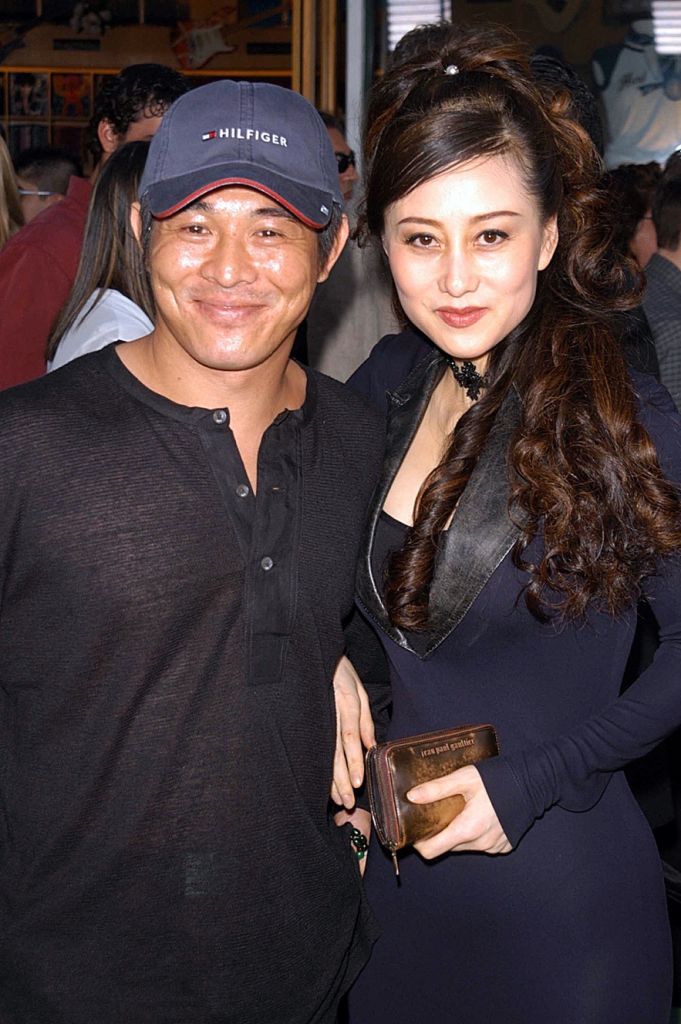
Jet Li and wife Nina at the world premiere of The Hulk, Universal City (2003)
REWRITING THE FOLK HERO
Becoming “Jet Li” and Learning Hong Kong Cinema
Li’s move to Hong Kong also brought a new name. When Shaolin Temple reached the Philippines, distributors worried “Li Lianjie” would be hard to pronounce. They chose “Jet” to suggest speed and modern flair. The name stuck internationally. Li officially used it after moving to Hong Kong.
Li also tried to learn another craft: directing. His first Hong Kong film, Born to Defence (1988), made him both star and director. He played a Chinese soldier returning from World War II who clashes with foreign sailors. The film disappointed at the box office, but it showed ambition.
Next came Dragon Fight (1989). Li worked with Stephen Chow and Nina Li Chi. The film failed to take off. Li’s Hong Kong career seemed to stall.
Then Once Upon a Time in China (1991) changed everything.
Tsui Hark’s Gamble: Casting Jet Li as Wong Fei-hung
Tsui Hark wanted to modernise the folk hero Wong Fei-hung for a new generation. He originally proposed casting Jackie Chan as Wong, with Sammo Hung and Yuen Biao in major roles. Only Yuen remained in the final cast.
Tsui’s decision to cast Li sparked controversy. Li’s wushu mastery made him a rare talent. Tsui also used wires and a kinetic filming style that made movement more spectacular.
Still, the casting surprised many. Li could not speak Cantonese, so he spoke Mandarin on set and the film dubbed him in Cantonese. There was another mismatch too. Li specialised in Long Fist and Tai Chi. Wong Fei-hung was associated with Hung Gar, a southern style with low stances and strong handwork.
Despite this, Tsui’s instincts proved right.
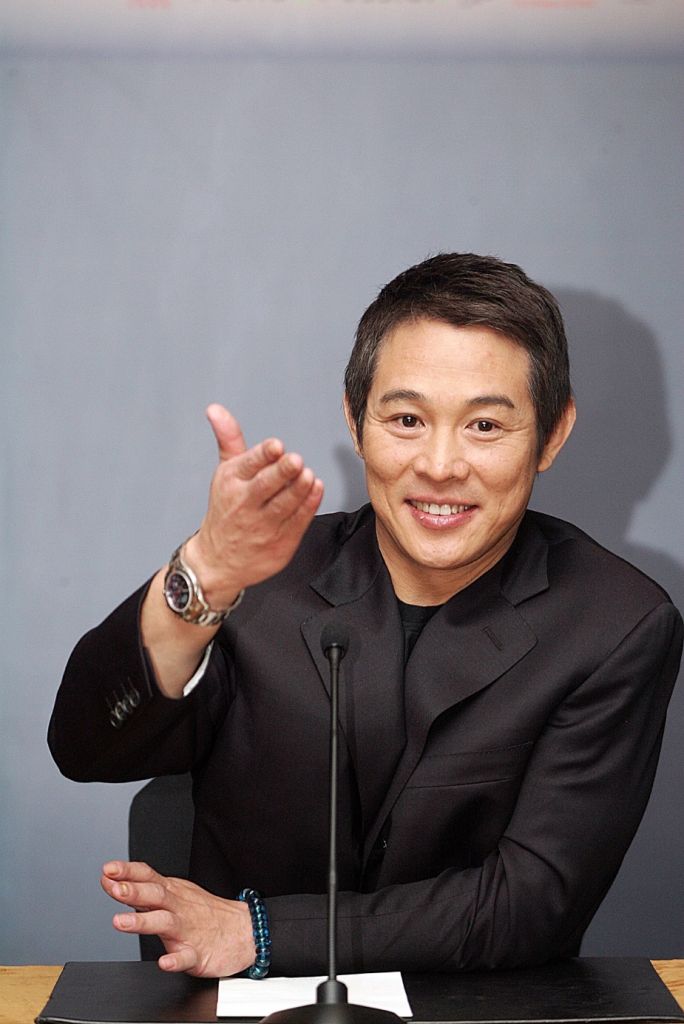
A New Wong Fei-hung: Reserved, Scholarly, Precise
Wong Fei-hung—physician and martial arts master—had appeared in dozens of films and TV shows. Tsui’s reboot made Wong a vessel for exploring Chinese identity amid foreign encroachment and internal unrest.
Li played Wong differently from earlier swaggering heroes. His Wong felt scholarly and reserved, almost shy. He would rather heal than hurt. When he did fight, he moved with explosive precision.
Once Upon a Time in China became a box office smash and cultural phenomenon. BBC’s Almar Haflidason called it “one of the finest movies to come out of Hong Kong during the 90s.” The film earned over HK$29 million and repositioned Li as both athlete and cultural symbol.
Sequels, Rivals, and Peak Form
Li followed with Swordsman II (1992), adapted from Louis Cha. He played Ling Hu Chong, taking over from Samuel Hui. His martial skills gave him an advantage, but replicating Hui’s playful charm proved harder.
Then came Once Upon a Time in China II (1992). The sequel did more than cash in. It surpassed the original for many viewers.
Li’s performance felt more confident. He handled both serious themes and comedic moments with ease. The film’s standout fight paired Li’s pole work against Donnie Yen’s cloth staff. Yuen Woo-ping choreographed the fight, and the speed and precision made it iconic.
The sequel earned HK$30 million and brought Li a Golden Horse Best Actor nomination. Once Upon a Time in China III (1992) earned HK$27 million, though it lacked the earlier magic.
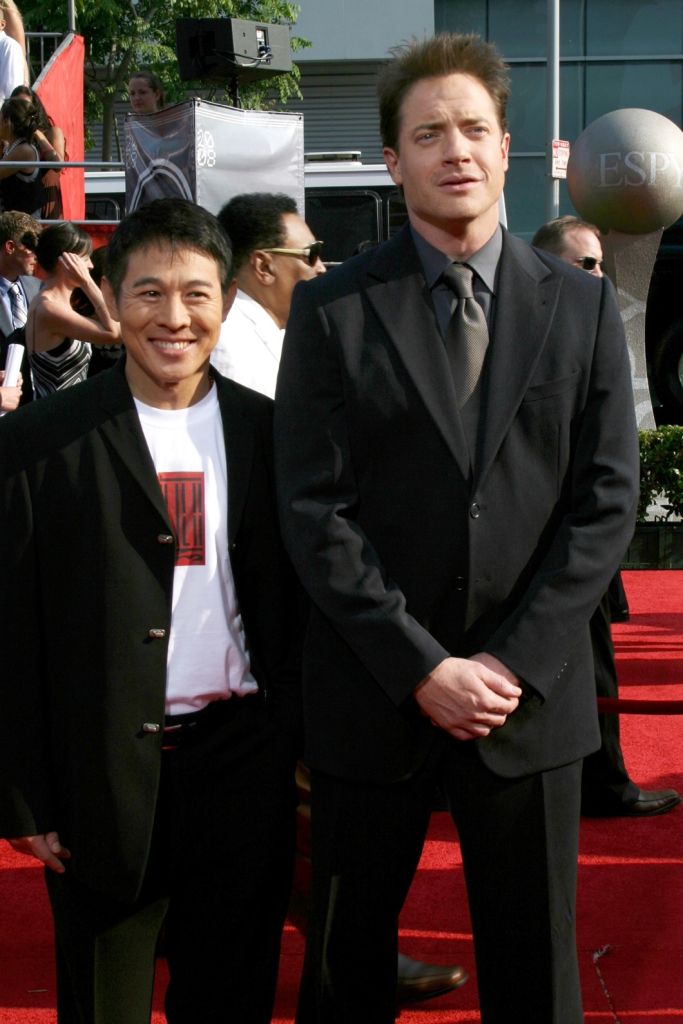
Jet Li & Brendan Fraser at the ESPYs, Los Angeles (07-16-08) © Kathy Hutchins
More Folk Heroes—and the Risk of Typecasting
Li’s next major hit arrived with The Legend (1993), where he played Fong Sai-yuk. The action comedy earned HK$30 million. Veteran star Josephine Siao, playing his mother, added spark and humour. Their chemistry made the film sing.
However, updated folk heroes began to define Li’s image too strongly. Wong Jing recruited him for Last Hero in China (1993), which exploited the Wong Fei-hung association without Tsui Hark’s depth.
Li returned again as Fong Sai-yuk in The Legend of Fong Sai-Yuk 2 (1993). It earned HK$23 million but did not match the first film.
Li continued playing classic figures: Zhang Sanfeng in Tai Chi Master, Zhang Wuji in Kung Fu Cult Master (both 1993), and Hung Hei-gun in The New Legend of Shaolin (1994). The results were mixed. Li began to see the need to break the mould.
BREAKING THE MOULD
Modern Roles and a Key Turning Point
Li stepped away from folk heroes with The Bodyguard from Beijing (1994). He played a bodyguard who protects a witness. The film earned over HK$11 million and drew mixed reviews. Still, it proved Li could carry modern roles.
Li soon returned to an iconic character: Chen Zhen in Fist of Legend (1994), previously made famous by Bruce Lee in Fist of Fury (1972).
Li’s Chen Zhen differed from Lee’s. Lee played him as fury-driven. Li played him colder, more composed, and more restrained. The fight choreography emphasised clarity and realism. Many see it as one of the purest showcases of Li’s wushu skills on film.
Fist of Legend also reached American cinemas in an English-dubbed version. Western martial arts fans began paying attention.
Experimenting in the Late 1990s
In the late 1990s, Li’s filmography became more experimental. He still worked in action, but he changed tone and genre.
He starred in My Father Is a Hero and High Risk (1995). He followed with Dr. Wai in the Scripture with No Words and Black Mask (both 1996).
Black Mask mattered for another reason. The film became the first Jet Li movie to receive a US theatrical release. It earned US$12 million in the US. More importantly, Hollywood noticed.
It wasn’t just “Kungfu.” It was elite screen fighting. Offers came.
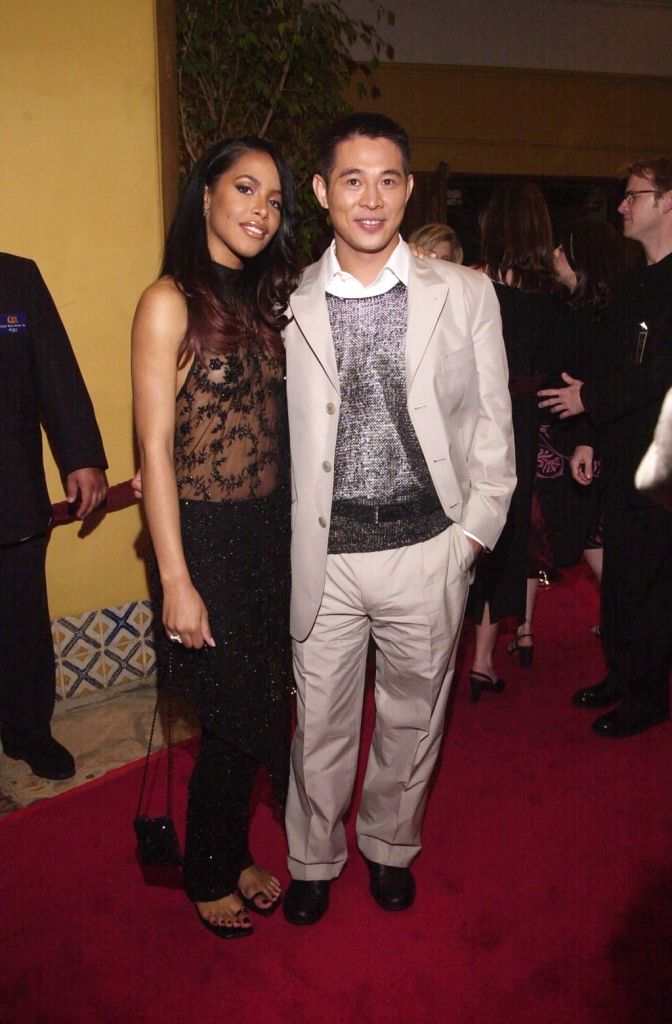
Aaliyah and Jet Li at the “Romeo Must Die” premiere, Westwood (03-20-00)
HOLLYWOOD, REINVENTION, AND A SHIFT IN PURPOSE
When Li crossed into Hollywood, audiences noticed his speed and control immediately. Films like Lethal Weapon 4 and Romeo Must Die introduced him to Western viewers, even as they boxed him into limited archetypes.
Still, Li pushed against those confines. In Unleashed, he revealed vulnerability and emotional depth. At the same time, he continued making major Chinese films such as Hero and Fearless, where martial arts became a vehicle for philosophy and identity.
Eventually, the physical toll caught up. Injuries accumulated. Hyperthyroidism slowed him down. Gradually, Li stepped away from relentless action roles.
After surviving the 2004 tsunami, his priorities shifted further. Philanthropy, faith, and family moved to the centre of his life.
What emerged was not a retreat, but a recalibration.
Leading Roles—and Stereotypes to Push Against
Producer Joel Silver cast Li in Romeo Must Die (2000). The film remixed Shakespeare with gang warfare, wire-enhanced fights, and a hip-hop soundtrack. It co-starred Aaliyah. The film earned over US$91 million worldwide.
More projects followed: Kiss of the Dragon, The One (2001), and Cradle 2 the Grave (2003).
These films sometimes leaned on stereotypes—like the silent Asian assassin, or the “outsider” figure. Li kept working to expand his characters’ emotional range.
One of his most interesting Hollywood roles came in Unleashed (2005), also known as Danny the Dog in some territories. He played a man raised as a human attack dog by a crime boss. The role let Li explore trauma and vulnerability. Ebert noted the premise could have become laughable, but the performances made it work.
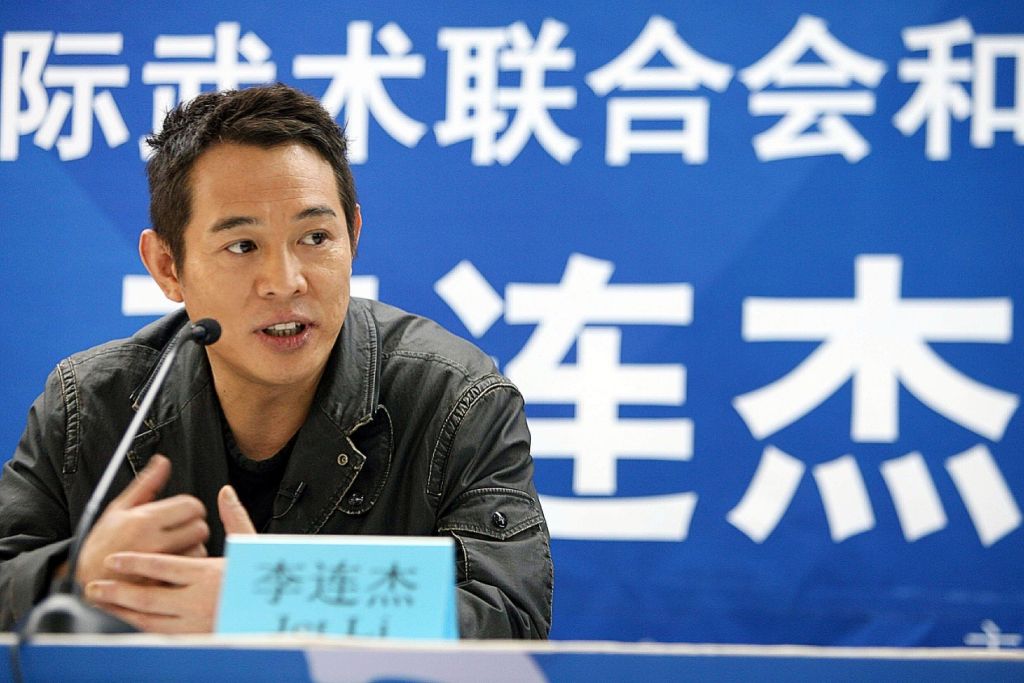
Jet Li speaking at the opening of the 9th World Wushu Championships, Beijing (2007)
RETURNING TO CHINESE CINEMA AT FULL POWER
Hero: Wuxia as Philosophy
Despite Hollywood success, Li continued making major Chinese films. In fact, some of his best work came during this period.
Hero (2002), directed by Zhang Yimou, co-starred Tony Leung, Maggie Cheung, Zhang Ziyi, and Donnie Yen. The film used colour-coded sequences and stylised fights. It explored the tension between individual heroism and national unity.
Li played Nameless, an assassin whose story shifts each time he tells it. Li said: “Zhang Yimou tried to use martial arts film to talk about Chinese culture, Chinese people – what do they think, what do they want and what do they hope.” Ebert agreed, calling Hero an example of martial arts cinema becoming “poetry, ballet and philosophy,” with violence only incidental.
With a budget of US$31 million, Hero became a major critical and commercial success. It earned over US$177 million worldwide and received an Oscar nomination for Best Foreign Language Film.
Fearless and a Closing Chapter
Li followed with Fearless (2006). He portrayed Huo Yuanjia, founder of the Chin Woo Athletic Association. The film earned US$68 million worldwide and brought new respect for Li’s acting. He earned a Best Actor nomination at the Hong Kong Film Awards and won Best Actor at the Hong Kong Film Critics Society Awards.
Li announced then that Fearless would be his last “pure” wushu film. He said: “Fearless is a conclusion to my life as a martial arts star.”
During production, Li suffered a serious accident. He fell from a 12-foot tower, broke ribs, fractured his ankle, and suffered internal injuries. The injuries caused significant pain later. They also contributed to long-term health issues and influenced his decision to step back from demanding action roles.
Blockbusters and a Serious Actor’s Recognition
By the late 2000s, Li appeared in major global films. He starred in The Forbidden Kingdom (2008) with Jackie Chan, The Mummy: Tomb of the Dragon Emperor (2008), and The Expendables (2010) and sequels. He also appeared in Disney’s Mulan (2020).
Li also gained respect for acting. The Warlords (2007) became a crowning achievement. Li played General Pang Qingyun, a man torn by ambition, loyalty, and moral conflict. Critics praised his haunted performance. He received multiple Best Actor nominations and won Best Actor at the Hong Kong Film Awards—his first major acting award.
THE WAVE THAT CHANGED EVERYTHING
The 2004 Tsunami and a New Purpose
On Christmas Day 2004, Li, his wife Nina Li Chi, and their two young daughters arrived in the Maldives for a beach holiday. The next morning, the Indian Ocean tsunami hit.
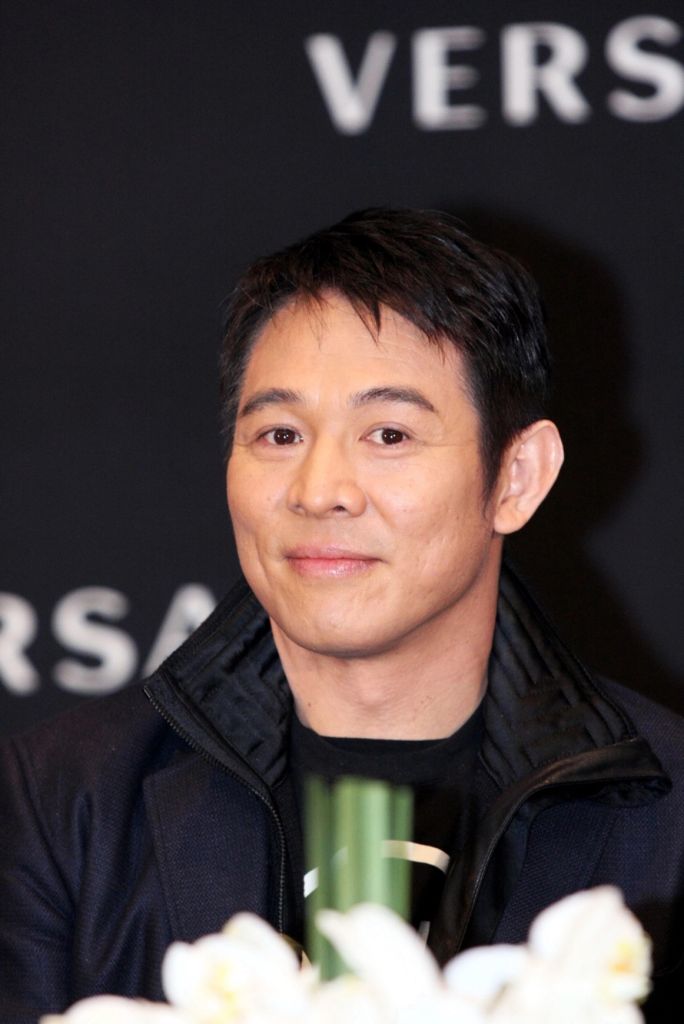
Jet Li
Li later told Newsweek he walked on the beach when the water receded, then surged back. The waves knocked them down. He held a daughter in each arm as the current dragged them toward open sea. He said: “In that moment, I understood the power of nature. No matter how famous or rich you are, you are still just a human being.”
His family survived. The experience changed him. He began to question success and meaning. Out of that crisis came One Foundation.
One Foundation and “Charity by All”
Li launched One Foundation in 2007. It later registered in Shenzhen. The idea was simple: if each person donated one yuan or one dollar a month, collective impact could be enormous.
The organisation focuses on disaster relief, children’s welfare, and support for China’s philanthropy sector. It trains professionals and supports grassroots NGOs.
Forbes profiled Li in 2009. They described him as both movie star and philanthropist. They noted he used celebrity connections and business relationships to build an independent, transparent charity in a system where private foundations were still evolving.
Li often stresses that philanthropy belongs to ordinary people, not only billionaires. The slogan is often translated as “Charity by All, Doing What I Can.” Li has also supported causes linked to the Red Cross and children’s health.
He has said: “I survived the 2004 tsunami and was grateful for all the help I received… I am also doing my best to help others recover these days.”
He once quipped: “Love is more powerful than kicking ass.” The line captures his shift from action hero to charity advocate.
ILLNESS, FAITH, AND A QUIETER STRENGTH
When the Body Pushes Back
Decades of physical work took a toll. Li carried old spinal and leg injuries. Around 2010, doctors diagnosed him with hyperthyroidism. The condition affects metabolism, energy, and heart rate.
In 2013, Li revealed he had battled the illness for years. He said doctors warned he “could end up in a wheelchair” if he did not slow down.
In 2018, a photo of Li looking frail went viral. Speculation surged. His manager reassured fans that the condition was “nothing life-threatening,” but it required medication and careful management.
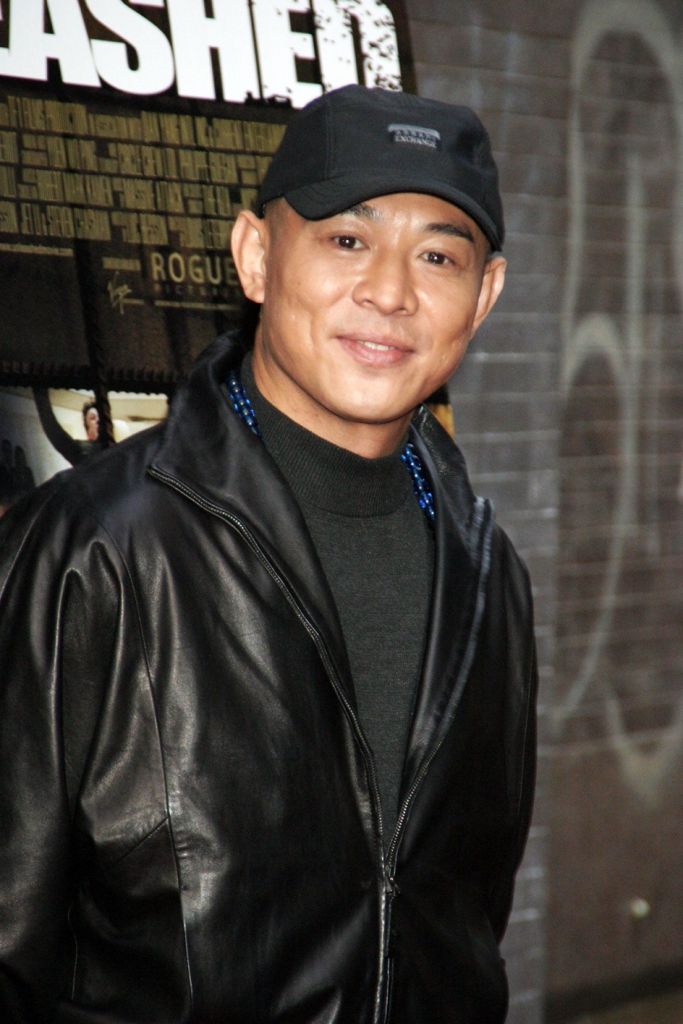
Jet Li at the Unleashed screening, New York, 2005. Photo: Rob Rich/Everett Collection
Tibetan Buddhism, Meditation, and Balance
Li’s health intersected with another shift: Tibetan Buddhism and meditation. He first met Tibetan Buddhist teachers while promoting Lethal Weapon 4 in Taiwan in the late 1990s. He later took formal refuge in the tradition.
In recent years, he has appeared at Buddhist events, including large pujas in Singapore. He has also collaborated with meditation organisations like Tergar, led by Mingyur Rinpoche, speaking about mindfulness and balance.
Li has said: “I think in martial arts, the biggest enemy is self.” Meditation became another kind of training for him. This time, he trained to let go of proving himself.
These changes reduced his screen output. After Mulan, reports linked him to potential projects, but few materialised. His focus seemed to shift toward philanthropy, spiritual practice, and selective appearances.
LOVE, FAMILY, AND A NEW PASSPORT
A Public Life Off-Screen
Li’s personal life has drawn attention. In 1987, he married Huang Qiuyan, a fellow Beijing Wushu Team member. They had two daughters, Si and Taimi, and divorced in 1990.
During Dragon Fight (1989), Li met actress Nina Li Chi. They married in 1999 in California and had two daughters, Jane and Jada, born in 2000 and 2002.
Li has spoken publicly about his love for Nina. He once said he would “give up everything, even [his] life” for her.
Citizenship and Singapore
Li’s citizenship journey has also drawn attention. Li is a Singapore citizen.
Born Chinese, he became a US citizen in 1997 during his Hollywood peak. He renounced that citizenship in 2009 and took up Singaporean citizenship.
In interviews around 2009, he cited safety, cleanliness, bilingual education, multiculturalism, and a business-friendly environment. He said: “Singapore is much cleaner and safer… I was also attracted to the country’s bilingual education policy, diverse culture and the Western-style corporate culture.”
His younger daughters grew up in Singapore and attended school there. Photos of Li in Singapore—shopping, visiting temples, attending events—circulated online. They reinforced his image as a global star living quietly on the island.
Some critics mocked him online for changing nationalities. Li tends to shrug it off. He focuses on family, health, charity, and spiritual growth. He has said: “Everywhere I go, I still have time to meditate.”
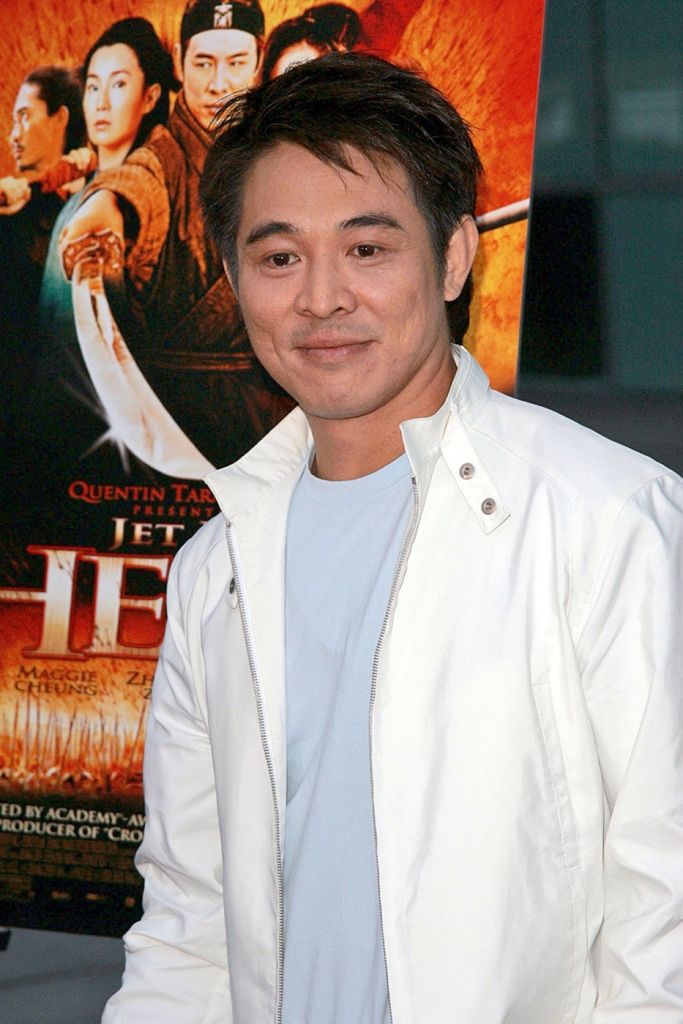
Jet Li at Miramax Films’ “Hero” Premiere at the ArcLight Cinemas, Hollywood, CA. 08-17-04
BLADES OF THE GUARDIANS
A Rumoured Return and a New Chapter
Li has never officially announced retirement. That fuels anticipation around his reported return in the Chinese New Year blockbuster Blades of the Guardians, linked to a 2026 release window.
Reports suggest the film wrapped production in late 2024. It is said to reunite Li with action choreographer-director Yuen Woo-Ping. It also reportedly stars Wu Jing and Nicholas Tse.
The film adapts a popular Chinese graphic novel. It blends historical fantasy with martial-arts spectacle. The story takes place in 607 AD during the late Sui dynasty. It follows an elite escort crossing western deserts and stumbling into a larger conspiracy.
Details of Li’s character remain under wraps. Still, his name on the billing raises a natural question: can he still move with the speed and poise that once defined his screen legend?
Jet Li at Miramax Films’ “Hero” premiere, Hollywood (08-17-04)
Yet for Jet Li today, this is no longer only about action. With health challenges and a shifted focus, the next era may centre more on legacy than spectacle.
Li once said: “One cannot choose how one’s life begins but one can choose to face the end with courage.” With that courage, he faces the next chapter—calm-eyed, purposeful, and ready. PRIME
Author

You Might Also Like:
 A Voice Across the World | Evergreen Idol Fei Xiang Makes a Triumphant Return in Creation of the Gods
 Rachel McAdams and the Quiet Architecture of Stardom
 INCREDIBLE HUNK : BRAD PITT
 Scarlett Johansson’s Rise to Become the Highest-Grossing Actor in the World
 From Rom-Com Royalty to Scene-Stealing Villain: The Hugh Grant Reinvention That Hollywood Can’t Ignore


Leave A Comment