

Five New Year Resolutions for Healthy Eyes
A New Year, A Fresh Start for Eye Health

Portrait of a woman with eyeglasses displaying “2026” on the lens
The start of a new year often inspires us to take stock of our lives and set goals for the months ahead. We vow to eat better and exercise more, as we aspire towards better health. What many people may not realise is that these lifestyle changes can also have a positive impact on our eyes.
As an ophthalmologist practising for the last 20 years, I have seen how adopting healthy habits can make a lasting difference to eye health. This coming year, why not make a few resolutions that can help preserve your vision for the years to come?
Resolution #1: Eat Healthy for Your Eyes
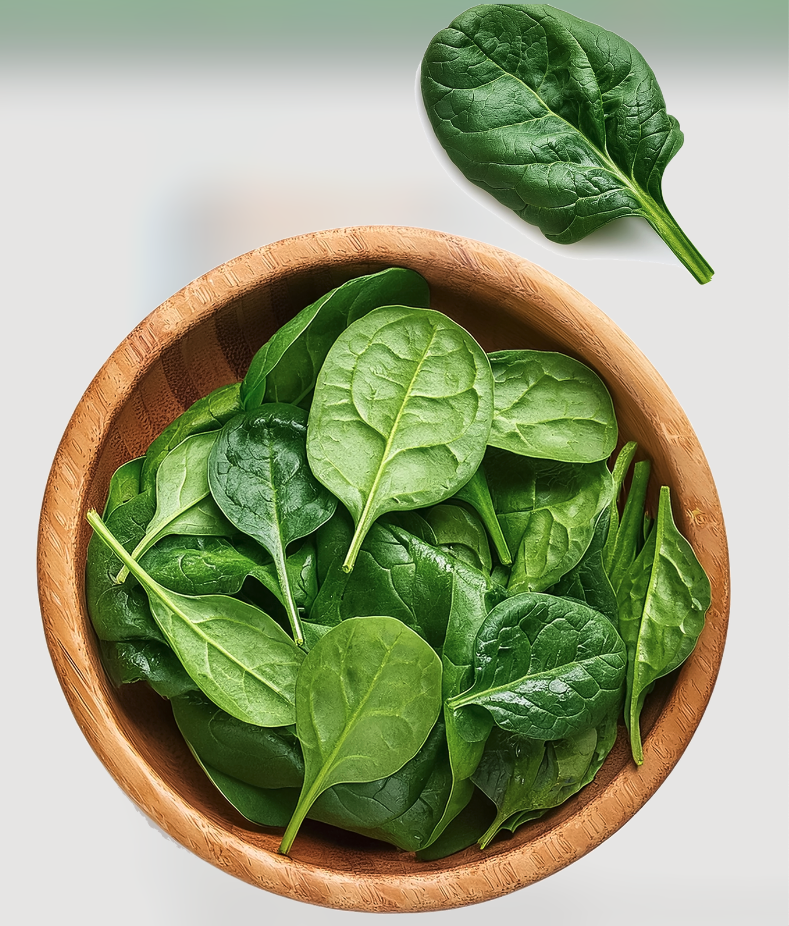
Spinach on a bowl
Singapore is a true foodies’ paradise, but a constant diet of chicken rice and char kway teow is not ideal for our bodies. In contrast, a healthy and balanced diet consists of foods that are rich in nutrients to nurture our bodies and eyes, as well as antioxidants that help prevent inflammation from damaging our cells.
Green leafy vegetables such as kailan, broccoli, and spinach are rich in lutein and zeaxanthin. These are powerful antioxidants found in the light-sensing cells of the retina. They help protect these important cells from damage caused by sunlight and ultraviolet radiation, acting like an inbuilt blue-light and UV filter for the retina. Lutein and zeaxanthin have been shown to reduce the risk of age-related macular degeneration (AMD), which is a common cause of poor vision in older adults.
Brightly coloured fruits and vegetables such as mangoes, carrots, and sweet potatoes provide beta-carotene. Beta-carotene is an antioxidant and a precursor to vitamin A, which is crucial for night vision. These fruits and vegetables get their bright red and orange colours from beta-carotene. In general, the brighter the colour, the higher the concentration.
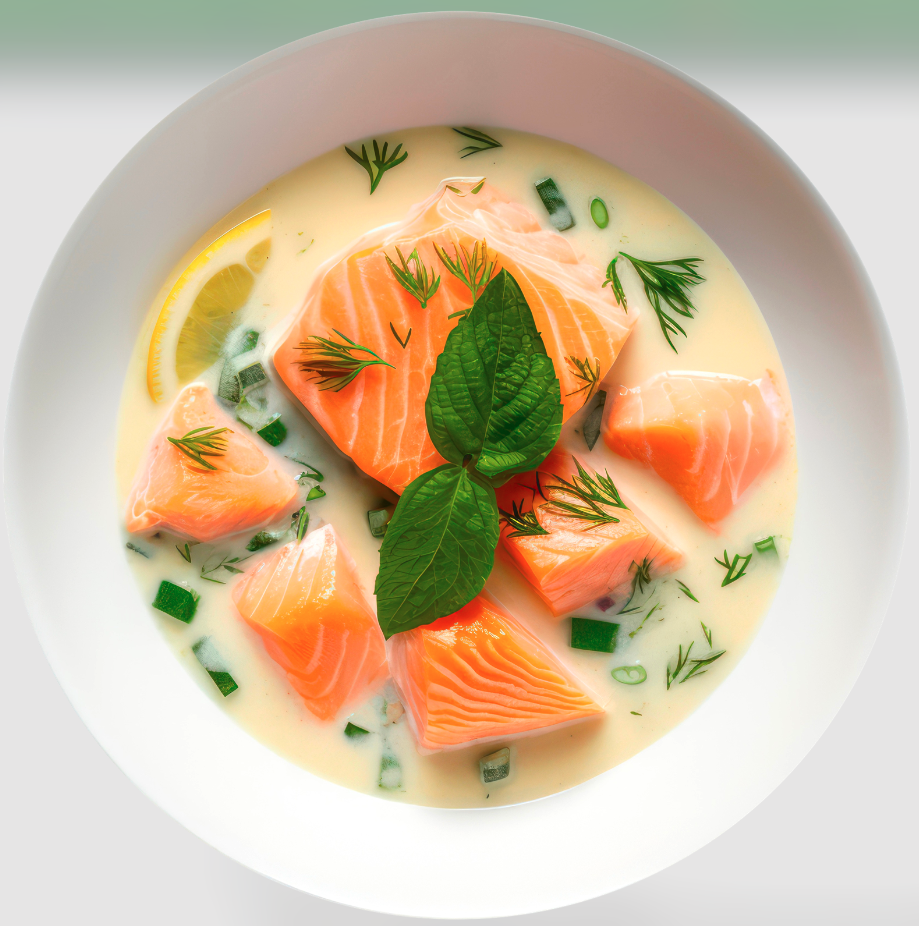
Salmon dish on a bowl
Oily fish such as salmon, sardines, and local favourites like ikan tenggiri (mackerel) are excellent sources of omega-3 fatty acids. These have anti-inflammatory properties and have been linked to a lower risk of cataracts, AMD, and dry eyes. Nuts, beans, and lentils are also rich in omega-3 fatty acids. In addition, they contain zinc, which is important for the proper function of the light-sensing cells of the retina.
On the other hand, it is best to limit sugary drinks, refined carbohydrates, and deep-fried foods. These increase the risk of diabetes and cardiovascular disease, both of which can lead to serious eye problems. Remember, a healthy diet supports healthy eyes. Include more greens, brightly coloured fruits, and oily fish in your meals, and go easy on sugary and fried foods.
Resolution #2: Keep Moving

Woman stretching with healthy lifestyle infographic icons.
Exercise is often associated with heart health or weight management, but regular physical activity also benefits the eyes. Exercise improves blood circulation, lowers blood pressure, and helps control cholesterol and blood sugar levels. All of these are vital for maintaining the delicate blood vessels in the retina.
Physical activity also helps reduce inflammation and oxidative stress, which can otherwise damage the cells of the eyes. Studies have shown that people who exercise regularly have a lower risk of developing cataracts, glaucoma, and AMD.
The Health Promotion Board (HPB) recommends at least 150 minutes of moderate-intensity physical activity each week to maintain good health. Recreational activities such as swimming, pickleball, or cycling along park connectors are popular options. However, physical activity can also include washing the car by hand, taking the stairs instead of the lift, or going for a brisk walk to the neighbourhood market.
It is advisable to check with your regular doctor about which exercises are suitable for you, especially if you have underlying medical conditions. Stay active in ways you enjoy. Walk, swim, or cycle — just keep moving. A healthy body supports healthy eyes.
Resolution #3: Keep Your Health in Check
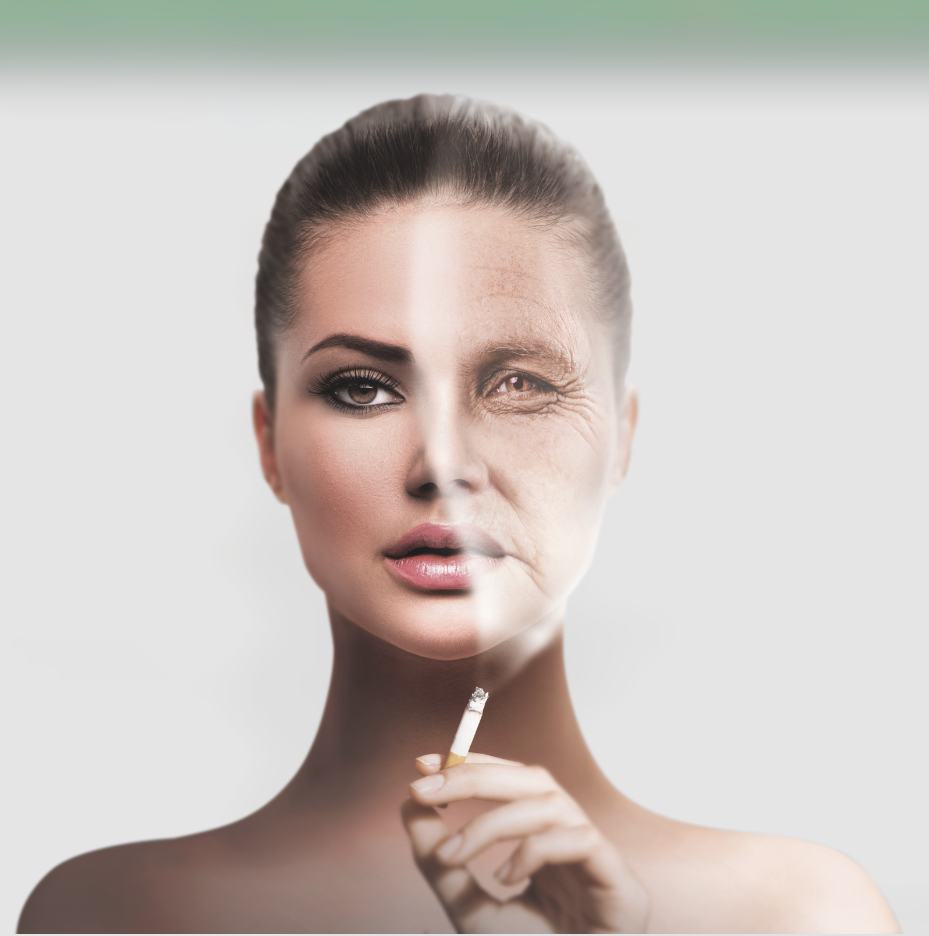
Visual depiction of a woman’s ageing process and the effects of smoking on health over time.
Singapore has one of the highest rates of diabetes among developed countries. About one in four Singaporeans is at risk of diabetes by the time they reach their 70s. Diabetes does not only affect blood sugar levels. It can also damage the eyes through a condition known as diabetic retinopathy.
Diabetic retinopathy occurs when high blood sugar damages the small blood vessels in the retina. This can lead to bleeding and swelling in the eye, and eventually to vision loss. Similar damage to blood vessels in the kidneys, brain, and heart can result in kidney failure, heart disease, and stroke. Other conditions such as uncontrolled high blood pressure and high cholesterol can also cause eye complications, including sudden vision loss due to blockage of blood vessels in the eye.
The good news is that many of these conditions are preventable. Keeping blood sugar, blood pressure, and cholesterol within a healthy range can significantly reduce the risk of eye disease, as well as other serious complications. If you have diabetes, it is important to undergo a comprehensive eye examination at least once a year, even if your vision appears normal.
Speak to your family doctor about arranging regular eye examinations. Work closely with your doctor to manage diabetes, hypertension, and cholesterol. Taking control of these conditions early can help protect both your general health and your vision.
Resolution #4: Stub That Cigarette Out
If there is one resolution that benefits every organ in the body, including the eyes, it is quitting smoking. Cigarette smoke contains chemicals and toxins, such as nicotine, that can directly damage eye cells through inflammation and oxidative stress. Smoking can also harm the blood vessels that supply the eyes.
Smoking increases the risk of developing cataracts and AMD by two to four times compared to people who have never smoked. Smokers also tend to develop these conditions at an earlier age. While cataracts can often be treated with surgery, AMD can result in irreversible and permanent vision loss. Smoking can also worsen conditions such as diabetic retinopathy and glaucoma.
The benefits of quitting smoking begin almost immediately. Breathing and circulation improve within weeks, and oxygen delivery to the eyes increases. Over time, the risk of vision loss gradually declines. To take the first step, consider the “I Quit” Programme by the HPB or speak to your family doctor for advice. Make 2026 the year you quit smoking. It may be one of the best decisions you make for your body and your eyes.
Resolution #5: See Your Eye Doctor Regularly
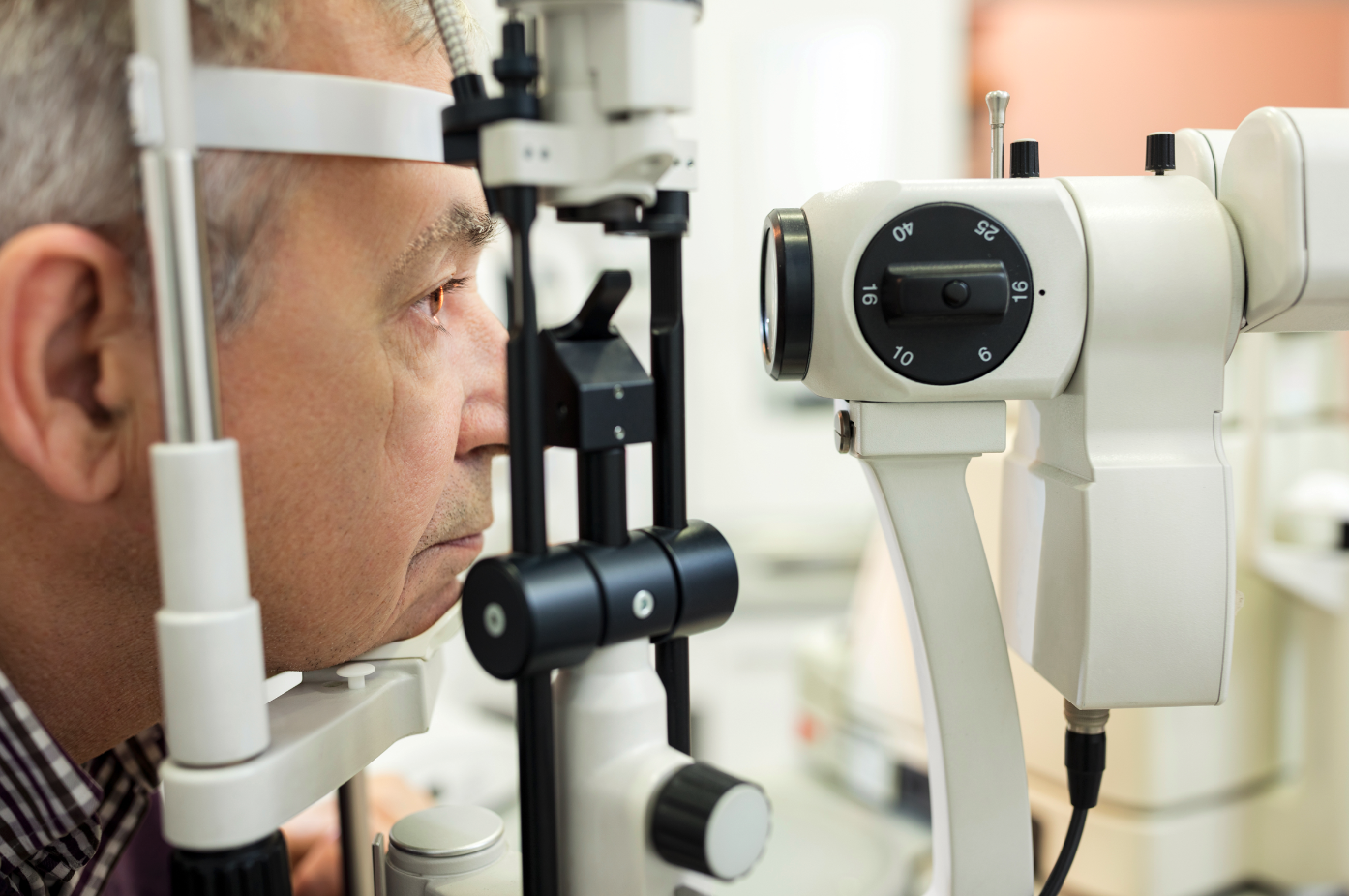
Eye checkup
In my clinic, I often meet patients who believe their eyes are healthy simply because they can see clearly. Unfortunately, there are sight-threatening eye conditions that can develop without early warning signs.
Glaucoma, for example, is often referred to as the “silent thief of sight”. It causes gradual, painless damage to the optic nerve before vision loss becomes noticeable. Similarly, diabetic retinopathy and macular degeneration can progress without pain or obvious symptoms until vision loss has already occurred.
A comprehensive eye examination can detect these conditions early, before permanent damage sets in. Such an examination may include checking eye pressure, examining the retina and optic nerve, and assessing visual function. In Singapore, adults aged 50 years and above are advised to have an eye examination every one to two years.
Some individuals should start eye checks earlier. This includes people with diabetes, high myopia, or a strong family history of glaucoma or AMD. Book an eye check today and do not wait until you notice a problem. Early detection can save your sight.
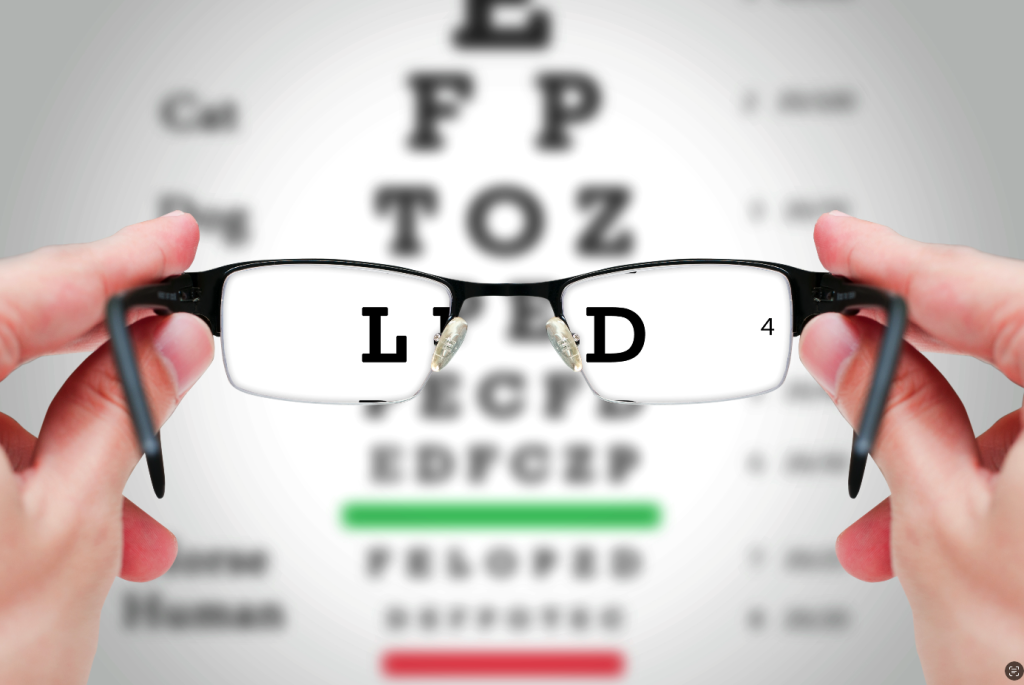
Close-up view of transparent eyeglasses.
A Clear Vision for the Year Ahead
Our eyesight connects us to the world, the people we love, and the beauty around us. For this reason, we should do our utmost to protect and preserve our vision. Many causes of vision loss can be prevented through a healthy and mindful lifestyle.
As we step into the new year, resolve to make your health and your eyes a priority. These small but meaningful changes can help preserve your vision, not just for the year ahead, but for many years to come. PRIME





Leave A Comment