


Importance of Breast Screening and How It Can Affect Your Life
A mother of two in her 40’s once said to me when she entered my consultation room:
“I think it is… I didn’t think it was anything, but now I think it is serious.”
The changes in her breasts from the progression of cancer were obvious over the course of one year since she first noticed a painless lump.
“I am also more breathless now when I walk.”
Sadly, the cancer had already spread to other parts of her body.
Are many of us taking our lives for granted? Why do we not take the initiative to take up preventive measures, such as screenings? How can we take care of our breast health, and is there a point in doing so?
Breast Cancer Awareness
Every October, pink ribbon efforts to raise awareness surrounding breast cancer abound globally. Major landmark buildings in different countries light up in pink, and departmental stores feature pink products. Various advocacy groups and activist individuals, including celebrities, athletes, survivors and family members, dress in pink or wear the breast cancer pin as they conduct or participate in various breast cancer awareness events and campaigns. All these efforts exist for a very good reason — to save lives.
Breast cancer awareness is incredibly important because early detection — often through screening — can catch the disease when it is most treatable. Increased awareness has led to a greater number of women being screened for breast cancer. This has translated to better outcomes for patients and a reduction in breast cancer mortality rates, due to earlier diagnosis and the availability of state-of-the-art treatment options. With greater awareness, the public is also better educated on the potential impact of breast cancer and how individuals can take personal responsibility for their health.
Facts About Breast Cancer

Breast cancer is a significant public health problem worldwide. In Singapore, it is the most common female cancer and the number one cause of cancer-related death in women. It is estimated that 1 in 15 women in Singapore will develop breast cancer in their lifetime; in the USA, this figure is 1 in 8. Breast cancer is not an exclusively female disease. Although much less common, it affects men too.
The majority of breast cancers occur sporadically, meaning they develop in individuals without a known genetic mutation or family or personal history of cancer. Early detection remains the cornerstone of breast cancer control. When breast cancer is detected early and patients undergo timely and effective treatment, they have the best chance of overcoming the disease. Early diagnosis and prompt treatment are key to reducing deaths associated with breast cancer.
Signs and Symptoms
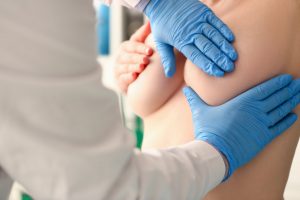
There are usually no signs or symptoms when breast cancer first begins. In the early stages, patients often look and feel normal. However, as the cancer progresses, symptoms and signs may appear. Not all breast cancer symptoms present in the same way. Signs may include:
-
A hard and usually painless lump in the breast or underarm
-
Swelling or thickening or hardening in part or all of the breast
-
Dimpling of breast skin
-
Redness, scaliness or rash of the nipple or breast skin
-
Changes in the size or shape of the nipple or breast
-
Nipple discharge
-
Localised, persistent breast pain
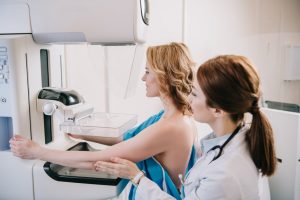
While it is important for a woman to know how her breasts normally look and feel, she should still undergo regular mammograms and clinical breast examinations, as these tests can help detect breast cancer before symptoms appear.
Risk Factors
The main risk factors for developing breast cancer include:
-
Gender (being a woman)
-
Age (risk increases with age)
-
Longer menstrual period history
-
Personal or family history of breast cancer and carrying mutated breast cancer genes
Although these risk factors cannot be changed, women should make an effort to take note of their family history. Women with a family history of breast, ovarian, melanoma or pancreatic cancer may be at increased risk. They should discuss possible genetic testing with their doctors and determine when screening should begin.
Other risk factors are lifestyle-related. These include drinking alcohol, having excess body weight, physical inactivity, prolonged use of birth control pills or hormone therapy after menopause, and not having children. For these factors, women can make healthy lifestyle choices that may help lower their risk.
To reduce the risk of breast cancer, you may try to:
-
Attain and maintain a healthy weight by balancing food intake with physical activity to avoid excess weight gain
-
Be physically active
-
Limit or avoid alcohol, as risk increases with the amount consumed
Greater risk is also associated with factors such as dense breast tissue, personal health history, family history and known gene mutations.
Breast Cancer Screening
Three tests are commonly used to evaluate breast changes and detect breast cancer. Each has its benefits and risks. Your doctor will recommend the most suitable option based on your individual risk profile.
-
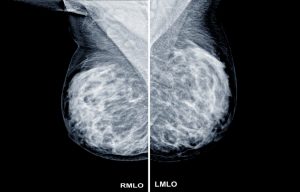
Mammogram – An X-ray examination of the breast. Its ability to detect cancer depends on factors such as tumour type, size and breast tissue density. In women with dense breasts, conventional 2D mammograms may not detect small tumours due to overlapping breast tissue. Tomosynthesis, also known as 3D mammography, has been shown to detect more cancers in women with dense breasts. Compression is similar to 2D mammography, but multiple low-dose images are taken to create a three-dimensional view of the breast. This method is safe and helps reduce false alarms.
-
Ultrasound – Often used alongside mammography in women with dense breast tissue. It is also used for high-risk women who cannot undergo MRI.
-
MRI – Breast MRI (Magnetic Resonance Imaging) is used to screen high-risk women and to further evaluate suspicious findings on mammography or ultrasound.
Importance of Screening
No one knows who will develop cancer or which type may occur. Regular breast screening helps detect breast cancer at an early stage, when signs and symptoms are absent. When cancer is detected early, survival rates are significantly higher.
Recommendations
Although there is no guaranteed way to prevent breast cancer, women can make informed lifestyle choices to reduce known risk factors and aim for early detection through age-appropriate screening. Breast self-examination helps women become familiar with their breasts and can begin from the age of 18. From the age of 40, women should begin screening for breast cancer. Women at higher risk may consider risk assessment and screening from the age of 30 instead.
Importance of Ongoing Awareness
Breast cancer awareness can change perspectives on health and empower individuals to take responsibility for their wellbeing. Breast cancer remains the most common cancer in women worldwide and can be life-threatening if not detected early. Changes in the breasts should never be ignored and should be evaluated promptly.
Risk factors increase the likelihood of developing breast cancer. Major contributors include gender, genetic mutations and certain lifestyle choices. Identifying personal risk factors and adopting healthy habits — such as balanced nutrition, avoiding alcohol and regular exercise — may help reduce risk.
If there is a significant family history, genetic testing may be considered and screening can begin earlier. Early detection through screening remains crucial, as early-stage breast cancer often produces no symptoms. Detecting cancer earlier allows for more effective treatment and saves lives.
Women in their 20s can develop breast cancer, although risk increases significantly after 40. Women above this age should strongly consider annual screening with mammography and/or ultrasound for dense breasts. Men, though less commonly affected, can also develop breast cancer.
Lower use of prescriptive hormone replacement therapy after menopause has contributed to a gradual decline in breast cancer incidence among women aged 50 and above. Death rates from breast cancer have also declined, due in part to increased awareness, improved screening and advances in treatment.
Breast cancer awareness month in October highlights the importance of early detection and treatment. Lack of awareness often leads to late-stage diagnoses, which can significantly affect outcomes and quality of life. PRIME









Leave A Comment