

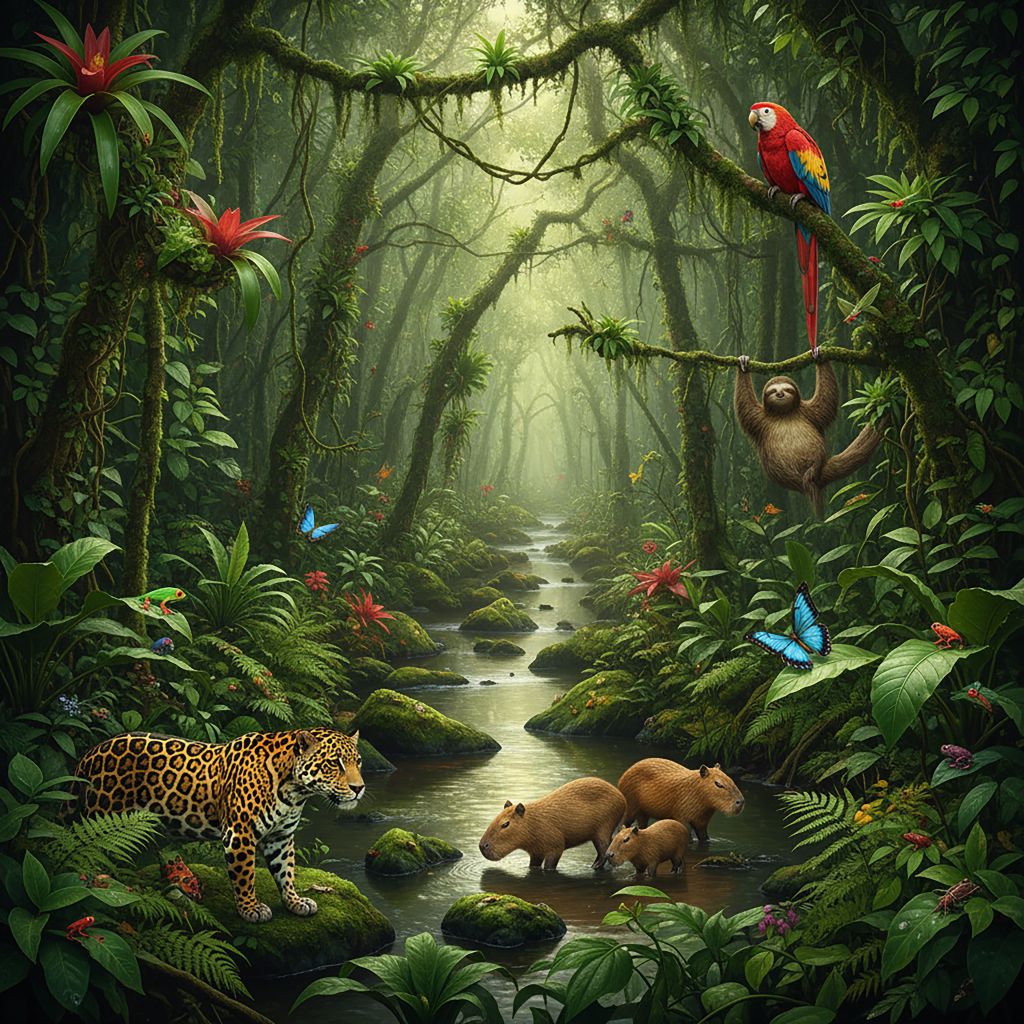
Lush rainforest ecosystem with diverse wildlife around a stream.
All of this is biodiversity in action. Rather than being an abstract scientific term, biodiversity tells the story of life on Earth in all its complexity. From city parks to coastal waters, it surrounds us every day. Whether you live in a high-rise flat or a private estate, biodiversity influences your life more than you might realise.
What Exactly Is Biodiversity?
When most people hear the word biodiversity, they picture tropical jungles, rare animals, or unfamiliar flowers. However, biodiversity is not limited to rainforests or remote wilderness. Instead, it exists everywhere — from the microbes in your gut to the moss growing between pavement cracks.
In simple terms, biodiversity refers to the variety and variability of life on Earth. This variety operates at several interconnected levels. Scientists typically group it into three main types, each of which plays a vital role in keeping ecosystems healthy and resilient.
Hand holding Earth symbolizing carbon reduction and green economy.
The Three Levels of Biodiversity
🍃 Genetic Diversity
Every living organism carries a unique set of genetic instructions. As a result, no two individuals are exactly alike. This genetic diversity acts as nature’s insurance policy.
In agriculture, for example, some rice varieties tolerate drought while others resist pests. In wildlife, genetic variation explains why some cheetahs run faster or why certain wolves survive colder climates. In humans, it shapes traits such as blood type and resistance to disease. Ultimately, the greater the genetic diversity within a species, the better its chances of adapting to change.
🍃 Species Diversity
Species diversity refers to the number of different species found in a particular area. This includes everything from towering Angsana trees to tiny plankton drifting through the seas.
For instance, a coral reef may support thousands of fish species, numerous invertebrates, multiple coral types, and vast communities of bacteria. Because of this variety, ecosystems with high species diversity tend to be more stable. When one population declines, others can fill similar roles. In contrast, ecosystems with little variety become fragile, much like a sports team that relies on a single star player.
🍃 Ecosystem Diversity
Ecosystems are communities of living organisms interacting with their physical environment. They range from deserts and icy tundras to urban parks and backyard ponds.
Ecosystem diversity means maintaining a wide range of habitats, each offering different benefits. For example, forests filter air and store carbon, wetlands absorb floods and purify water, and grasslands support pollinators and grazing animals. Consequently, losing entire ecosystems also means losing the services that keep the planet functioning smoothly.
Businessman standing in a glass sphere with green tree inside. Ecology concept
Biodiversity as a Living Web
It is tempting to think of biodiversity as a catalogue of species. In reality, it functions more like a living web. The strands represent relationships — predator and prey, pollinator and flower, decomposer and soil.
When too many strands are removed, the web weakens. However, when connections remain intact and balanced, life can continue to thrive even in the face of disruption.
Why Biodiversity Matters to All of Us
Biodiversity forms the invisible foundation of daily life. Every breath you take, every bite of food you eat, and every sip of water you drink connects back to the natural world. If biodiversity were to collapse, modern society would unravel in ways far more dramatic than many people expect.
🍃 Foundation of Our Food Supply
Imagine entering a supermarket where every shelf holds only a handful of foods. Without biodiversity, that scenario becomes reality. Our food systems depend on a vast diversity of plants, animals, fungi, and microorganisms.
Moreover, pollinators such as bees, bats, and butterflies fertilise a large proportion of major food crops. At the same time, soil microorganisms maintain fertility and make farming possible. When agricultural biodiversity declines, harvests become far more vulnerable to pests, disease, and climate extremes. The Irish Potato Famine remains a stark historical warning.
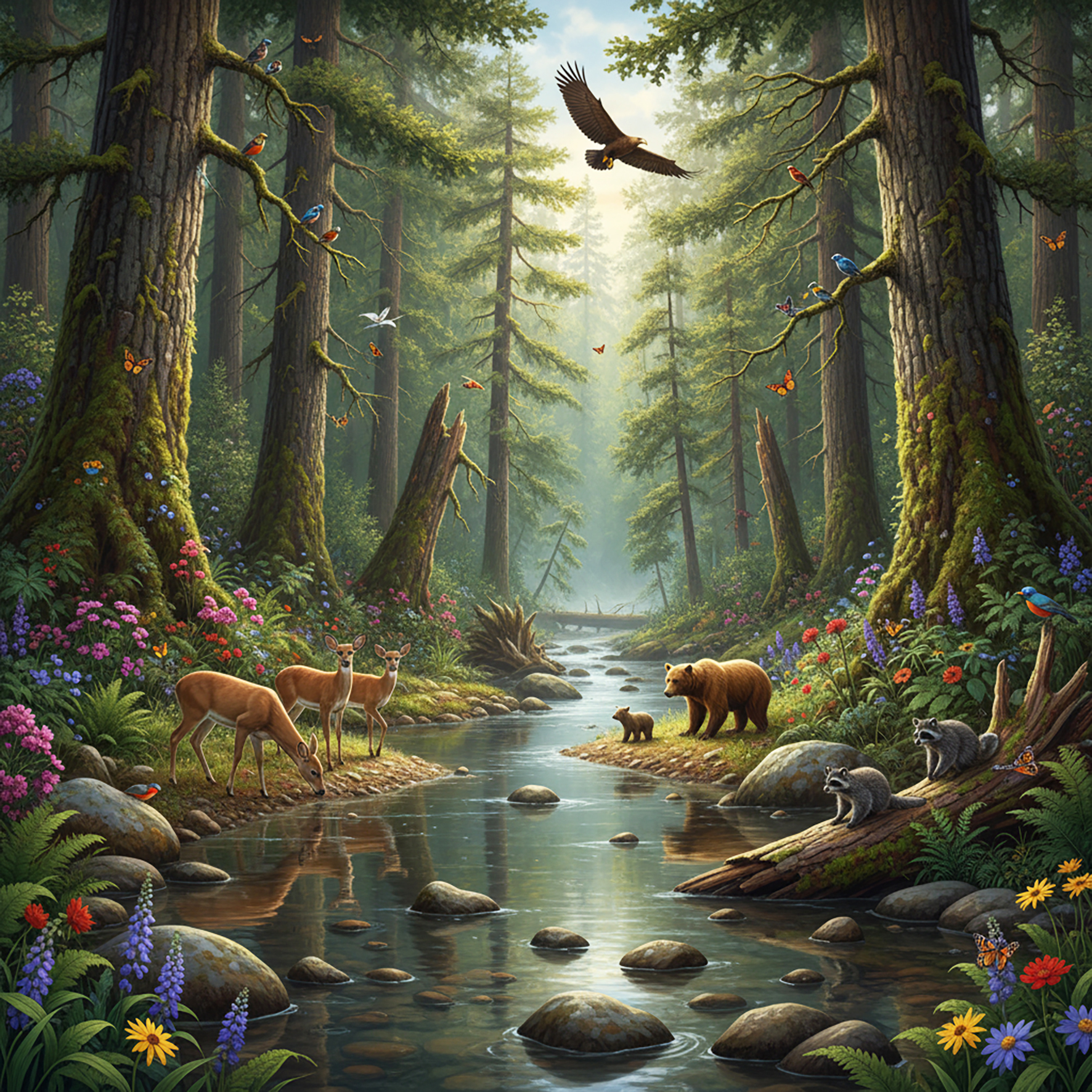
Serene forest ecosystem with animals and flowing water.
🍃 Source of Medicinal Advancement
Beyond food, biodiversity acts as a living pharmacy. Over half of modern medicines originate from natural compounds found in plants, animals, and microorganisms.
For example, paclitaxel — a cancer treatment — comes from the Pacific yew tree, while artemisinin for malaria is derived from sweet wormwood. As species disappear, potential cures may vanish with them. In addition, balanced ecosystems can reduce disease spread by regulating host populations.
🍃 Environmental Protection and Ecosystem Services
Nature also serves as a powerful form of protection. Healthy ecosystems quietly perform services that would cost trillions of dollars to replicate.
Forests absorb carbon dioxide and release oxygen. Wetlands act as natural water treatment systems. Mangroves and coral reefs buffer coastlines against storms. Scientists refer to these benefits as “ecosystem services,” and they are essential, not optional. Without them, crises in agriculture, water supply, and waste management would emerge rapidly.
🍃 Cultural and Economic Importance
Biodiversity shapes culture, tradition, and creativity. From folklore to seasonal festivals, nature influences how societies express identity. Meanwhile, access to biodiverse environments supports mental health by reducing stress and improving concentration.
Economically, biodiversity underpins global stability. The World Economic Forum estimates that more than half of global GDP depends on nature. When ecosystems decline, economic impacts ripple outward, affecting food prices, jobs, and disaster recovery costs.
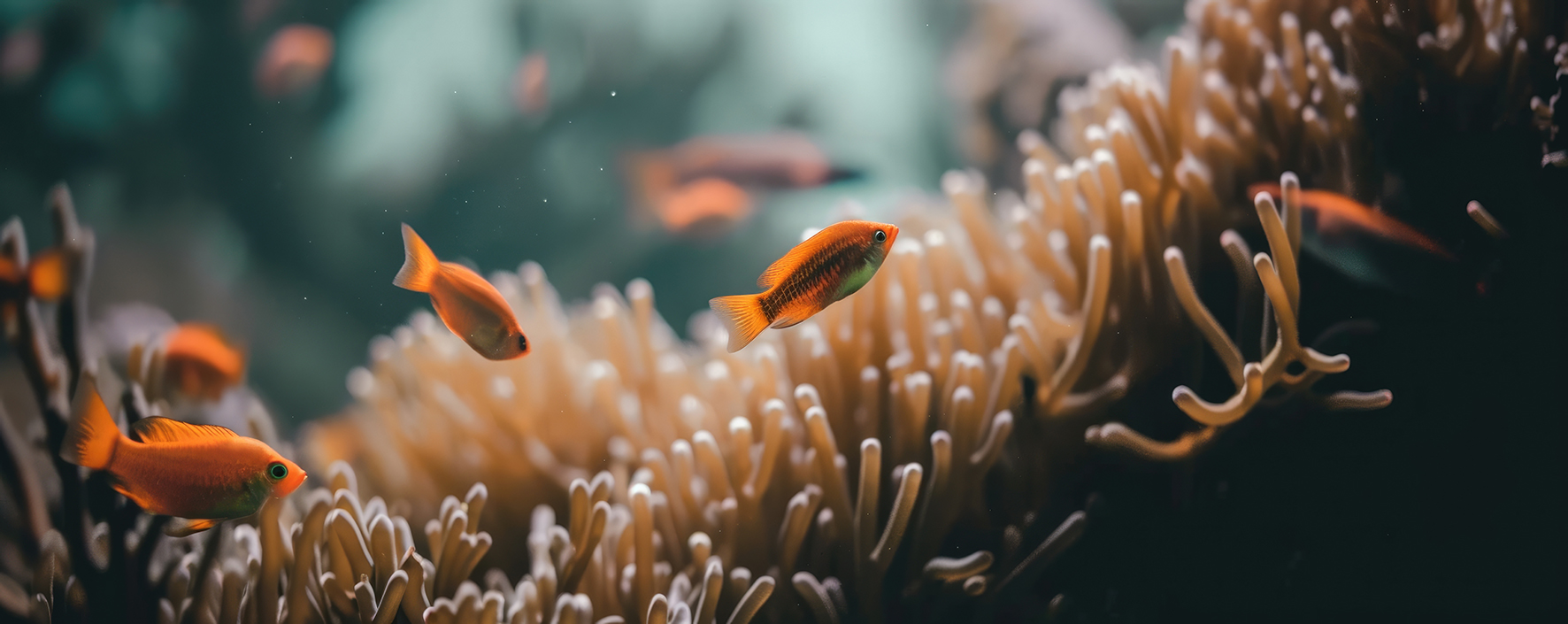
Underwater view of tropical coral reef with fishes and corals. Beautiful marine life, abstract natural background, gorgeous coral garden underwater, tropical. beauty of wild natu
What Is Threatening Biodiversity?
Despite its resilience, biodiversity faces mounting pressure. Today’s rapid species loss is driven largely by human activity, with several interconnected threats reinforcing one another.
🍃 Habitat Loss and Fragmentation
Deforestation, agricultural expansion, and urban development destroy habitats. Moreover, remaining habitats are often fragmented into isolated patches. As a result, species struggle to migrate, find mates, or access food.
🍃 Climate Change
Climate change is already reshaping ecosystems. Rising temperatures push species toward cooler regions, while shifting seasons disrupt breeding and migration. Extreme events such as floods, droughts, and wildfires further accelerate habitat loss.

Blank mockup card on green grass, top view. ai generative.
🍃 Pollution
Pollution affects biodiversity in many forms. Pesticides kill beneficial insects, fertiliser runoff creates dead zones in water bodies, and plastic waste enters food chains. Meanwhile, noise and light pollution disrupt animal behaviour and reproductive cycles.
🍃 Overexploitation and Invasive Species
Unsustainable harvesting depletes wildlife faster than it can recover. At the same time, introduced species can outcompete native organisms, spread disease, and destabilise ecosystems.
Why This Matters Now
Species are disappearing at rates far above natural background levels. Unlike past mass extinctions, however, this crisis occurs when solutions are known. Therefore, inaction may pose the greatest threat of all.
Nature can recover if given protection, space, and time. The challenge lies in acting decisively before losses become irreversible.
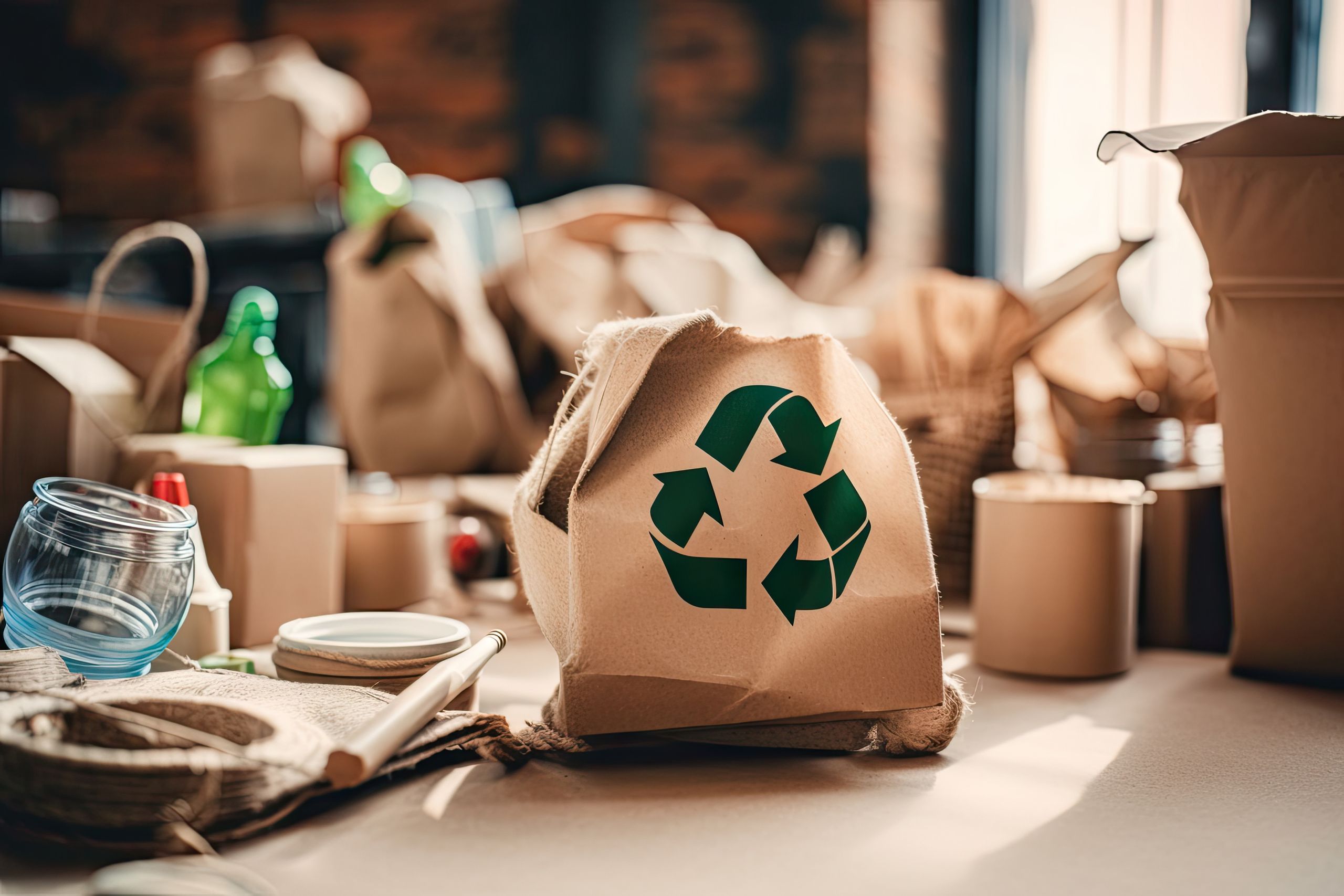
Circular economy school, teaching the next generation about zero waste solutions
What You Can Do Right Now
Protecting biodiversity does not require dramatic lifestyle changes. Instead, small, consistent actions create powerful collective impact.
-
Choose certified sustainable products
-
Reduce plastic use and pollution
-
Support conservation efforts
-
Travel responsibly
-
Learn about nature and share that knowledge
When millions of people take small steps, meaningful change follows.
We Are Part of Biodiversity
Humans are not separate from nature. We are part of the same web of life as every other species. Protecting biodiversity ultimately means protecting our own future. The choice remains ours — to weaken the threads of life or to strengthen them for generations to come. PRIME







Leave A Comment