

Oral Health & Dentistry
How Diabetes Affects Oral Health: Mouth and Gum Risks Explained
by Dr Raymond Lim – B9 Dental Centre
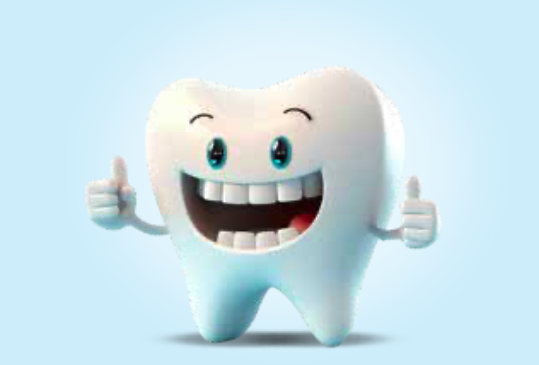
3d tooth smiling
Understanding Diabetes in Dental Care
Diabetes and oral health are closely linked, yet this connection is often overlooked. Diabetes mellitus is a group of metabolic conditions that cause persistently high blood glucose levels, either because the body produces too little insulin or cannot use it effectively. As diabetes is common, dentists frequently encounter patients living with this condition and must consider how blood sugar control affects oral health and dental care.
Good dental care plays an important role in overall diabetes management. Dentists must understand how diabetes affects oral health and how treatment plans may need adjustment.
Dental Considerations for People with Diabetes
These findings highlight why diabetes, and oral health must be managed together. Diabetes can affect people of any age. As with all patients, dentists should review medical history, record vital signs, and look for oral signs that suggest poor blood sugar control.
Common oral manifestations of uncontrolled diabetes include:
-
Dry mouth (xerostomia)
-
Burning sensations in the mouth
-
Delayed or impaired wound healing
-
Increased risk and severity of infections
-
Oral fungal infections such as candidiasis
-
Enlargement of the parotid salivary glands
-
Gingivitis and periodontitis
Recognising these signs early allows dentists to adjust care and refer patients when needed.

Cortisol word
Key Questions Dentists May Ask
To assess diabetes control and dental risk, a dentist may ask:
-
At what age were you diagnosed, and what type of diabetes do you have?
-
What medications are you currently taking?
-
How do you monitor your blood sugar levels?
-
How often do you see your doctor, and when was your last visit?
-
What was your most recent HbA1c (A1C) result?
-
Do you experience episodes of very low or very high blood sugar?
-
Have you noticed disorientation, agitation, or anxiety without a clear cause?
-
Do you have mouth sores, discomfort, or dryness?
-
Do you have diabetes-related conditions such as heart disease, stroke, eye problems, numbness, kidney issues, or a history of gum disease?
These questions help dentists plan safer and more effective treatment.

Diabetes and oral health
Appointment Timing and Cortisol Levels
Morning appointments often work best for patients with diabetes. Cortisol levels tend to be higher earlier in the day, which raises blood sugar slightly and lowers the risk of hypoglycaemia.
For patients using short- or long-acting insulin, dentists should avoid scheduling appointments during peak insulin activity. Dentists should also confirm that patients have eaten normally and taken their prescribed medications before treatment.
If a planned procedure requires fasting or altered eating patterns, such as conscious sedation, the dentist should coordinate with the patient’s physician to adjust diabetes medication safely.
Managing Dental Procedures Safely
Careful planning helps reduce complications related to oral health complications of diabetes. Patients with well-controlled diabetes usually tolerate most dental and surgical procedures without special modification. However, when treatment affects eating after surgery, dentists should establish a clear plan to balance food intake and medication use in advance.
For patients with marginal or poorly controlled diabetes, dentists may need to postpone elective procedures until blood sugar levels stabilise. In such cases, coordination with the patient’s physician helps ensure safe and effective care.
Medical–Dental Collaboration Matters
Physicians should provide relevant laboratory results when requested and inform dentists of any diabetes-related complications before dental procedures. In some cases, doctors may adjust diabetes medications to support stable blood sugar levels before, during, and after surgery.
People living with diabetes benefit most from regular medical follow-ups and consistent dental care. Routine dental visits allow early detection of oral complications and support long-term oral and overall health. PRIME





Leave A Comment