


Lifestyle factors, particularly stress, can significantly impact gastrointestinal health. Chronic stress is known to exacerbate symptoms of GERD (Gastroesophageal Reflux Disease) and other acid-related conditions.
There are a number of ways in which stress can affect our health, including:
- Increased Acid Production: Stress can lead to increased stomach acid production, worsening GERD symptoms. The body’s fight-or-flight response activates processes that can result in heightened gastric secretions.
- Digestive Disruptions: Stress affects digestion by altering gut motility and increasing the likelihood of acid reflux. It can lead to symptoms like bloating, discomfort and changes in appetite.
- Psychological Impact: Chronic stress can lead to anxiety and depression, which are often linked to gastrointestinal disorders. A holistic approach to treatment may involve addressing both the psychological and physical aspects of health.
- Healthy Coping Mechanisms: Incorporating stress management techniques, such as mindfulness, meditation, exercise and proper sleep, can improve overall health and may help to mitigate GERD symptoms.
As a result of stress, millions of people face issues of heartburn or gastritis daily, and many seek relief through medications.
One such medication is Dexlansoprazole, known generically as dexlansoprazole. This article aims to demystify Dexlansoprazole, exploring its role in managing acid-related conditions, how it compares to older proton pump inhibitors (PPIs), and the potential side effects of long-term use.
WHAT IS DEXLANSOPRAZOLE?
Dexlansoprazole belongs to a class of medications called proton pump inhibitors (PPIs). These drugs work by reducing the amount of acid your stomach produces. By lowering gastric acid levels, Dexlansoprazole helps to alleviate symptoms related to excess stomach acid, making it an effective treatment option for various gastrointestinal conditions.
Dexlansoprazole plays a crucial role in managing various acid-related conditions, particularly GERD and erosive oesophagitis. By reducing
stomach acid production, it helps to alleviate symptoms and promotes healing in the oesophagus.
CLINICAL USES
Dexlansoprazole has clinical uses for treating certain medical conditions, these include:
- Gastroesophageal Reflux Disease (GERD)
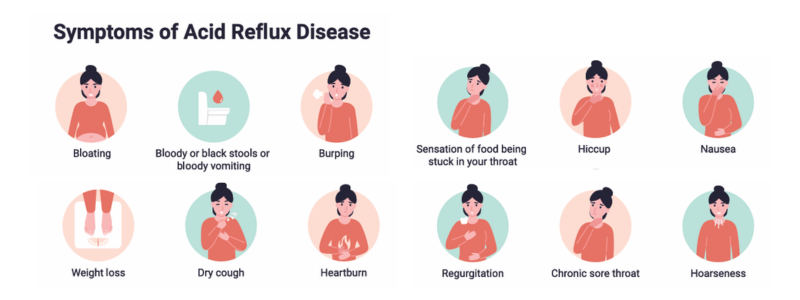
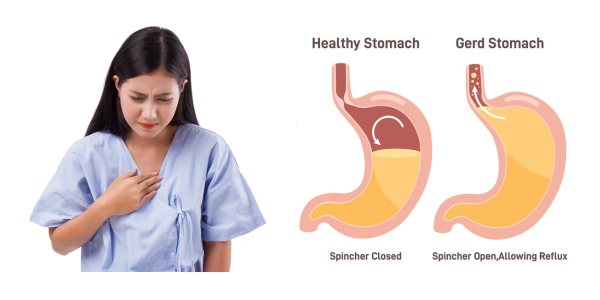
GERD is a chronic condition where stomach acid frequently flows back into the oesophagus, leading to symptoms like heartburn, regurgitation and difficulty swallowing. Dexlansoprazole is often prescribed for individuals with GERD to help manage these symptoms and promote healing of the oesophagus. - Erosive Oesophagitis
One of the severe consequences of GERD is erosive oesophagitis, an inflammation that occurs when stomach acid damages the lining of the oesophagus. Dexlansoprazole is effective in healing this condition, allowing individuals to regain normal function and comfort. - Maintenance Therapy For GERD
After initial treatment, many patients require ongoing therapy to keep symptoms at bay. Dexlansoprazole is suitable for long-term maintenance in those who have successfully healed from erosive oesophagitis, helping to prevent the recurrence of symptoms. - Symptomatic GERD
Even in patients without erosive oesophagitis, Dexlansoprazole can provide relief from the discomfort of GERD symptoms. This makes it a versatile option for many people struggling with acid-related issues. - Peptic Ulcer Disease
While not its primary indication, Dexlansoprazole can also be used in the treatment of peptic ulcers. It helps to reduce stomach acid, allowing ulcers to heal and decreasing the risk of complications.
HOW DOES DEXLANSOPRAZOLE WORK?
Dexlansoprazole operates by blocking the proton pumps in the stomach lining that produce acid. It features a unique dual delayed-release formulation, meaning it releases its active ingredient at two different times. This provides a longer duration of acid suppression and more consistent relief from symptoms compared to some older PPIs. Comparing Dexlansoprazole to older PPIs, the differences are:
- Duration of Action
One of the significant advantages of Dexlansoprazole over older PPIs (like omeprazole or lansoprazole) is its extended duration of action. While traditional PPIs typically provide acid control for 24 hours, Dexlansoprazole’s dual-release mechanism can offer more prolonged acid suppression, which may benefit patients requiring steady symptom relief. - Dosing Flexibility
Dexlansoprazole can be taken without regard to meals, which offers more convenience compared to some older PPIs that might require specific timing with food intake to maximise effectiveness. This flexibility can help to improve adherence to the medication regime. - Efficacy in Healing Erosive Oesophagitis
Studies indicate that Dexlansoprazole may be more effective in healing erosive oesophagitis than some older PPIs. This enhanced efficacy can be particularly important for patients experiencing severe symptoms or complications.
SIDE EFFECTS AND RISKS
Like all medications, both Dexlansoprazole and older PPIs have potential side effects, including nausea, diarrhoea and headache. Long-term use of PPIs, including Dexlansoprazole, has been associated with several side effects that patients should be aware of. Although these side effects are usually not serious, some of the common ones include:
- Nutrient Deficiencies: Prolonged use of PPIs can lead to deficiencies in vitamin B12, magnesium and calcium.
- Increased Risk of Infections: Research has indicated that long-term PPI use may increase the risk of gastrointestinal infections, such as Clostridium difficile, due to reduced stomach acidity.
- Bone Fractures: Long-term use of PPIs has been associated with an increased risk of fractures, particularly hip fractures. In 2011, the British Medical Journal reported that patients on long-term PPI use had a higher risk of bone fractures compared to those not taking them.
CONCLUSION
Dexlansoprazole plays a crucial role in managing various acid related conditions, particularly GERD and erosive oesophagitis. By reducing stomach acid production, it helps to alleviate symptoms and promotes healing in the oesophagus. Compared to older PPIs, Dexlansoprazole offers unique benefits, including extended duration of action and greater dosing flexibility.
However, it is important for patients to be aware of the potential side effects associated with long-term PPI use. If you are struggling with heartburn or related issues, speak with your healthcare provider about whether Dexlansoprazole might be the right choice for you.
Understanding your treatment options is key to managing your health effectively, and Dexlansoprazole can be an essential tool in reclaiming your comfort and quality of life.










Leave A Comment