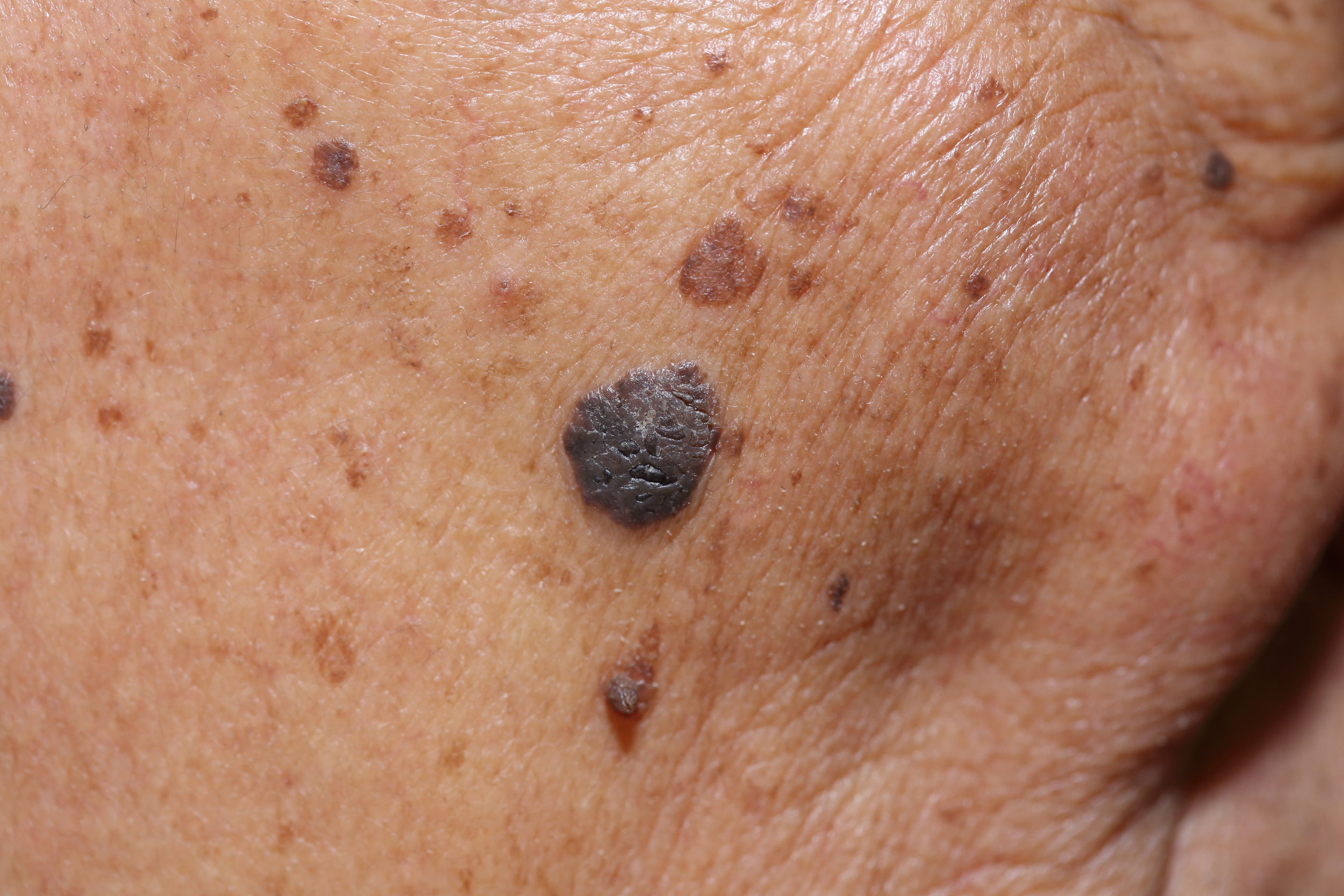

Pigmentation which commonly appears as a few spots could in more severe cases affect the whole body. We explore the condition skin
Understanding Skin Pigmentation
Pigmentation often appears as small spots on the skin, but in more severe cases, it can affect larger areas of the body. While commonly viewed as a cosmetic concern, pigmentation can also influence emotional well-being and self-confidence. To understand pigmentation properly, it helps to look beneath the surface.
The Role of Melanin
Melanin is the pigment responsible for skin colour. In addition to determining tone, it plays a vital protective role by shielding the skin from environmental damage caused by sunlight and pollution. When melanin production becomes uneven or dysregulated, visible pigmentation changes can occur.
Sunscreen with SPF 50 providing UVA and UVB protection.
Types of Skin Pigmentation
Pigmentation generally falls into two main categories: hyperpigmentation and hypopigmentation.
Hyperpigmentation
Hyperpigmentation occurs when the body produces excess melanin. Common triggers include prolonged sun exposure, pregnancy, hormonal changes, and skin inflammation. Mild cases may improve with over-the-counter treatments, while more persistent conditions often require medical advice.
When spending extended periods outdoors — whether gardening, exercising, or enjoying a picnic — using a broad-spectrum sunscreen with SPF 50 or higher is strongly recommended. Mineral sunscreens containing zinc oxide or titanium dioxide help block UV rays by forming a protective barrier on the skin’s surface.
Hypopigmentation
Hypopigmentation results from reduced melanin production, leading to lighter patches on the skin. Causes may include skin injury, autoimmune conditions, or inherited disorders. While pigmentation caused by trauma may improve over time, autoimmune and genetic forms are often long-term and difficult to reverse.
Because melanin helps protect the skin from UV damage, reduced levels may increase vulnerability to sun exposure. As a result, individuals with hypopigmentation are advised to apply sunscreen consistently to reduce long-term skin risks.

Common Types of Pigmentation
Freckles
Freckles commonly appear in individuals with lighter skin tones. These flat, round spots are usually tan or light brown and tend to develop in sun-exposed areas. Genetics and UV exposure play significant roles, and freckles may become more noticeable with age.
While freckles are harmless, many people feel self-conscious about their appearance. Makeup can help conceal them, and regular sunscreen use can reduce the formation of new freckles and prevent existing ones from darkening.
Post-Acne Pigmentation
Acne frequently leaves behind red or dark marks after healing. Scratching or inflaming acne can damage small blood vessels and trigger increased melanin production, resulting in lingering spots. These marks may fade slowly, often over several months or longer.
Acne can occur beyond adolescence and may be linked to allergies, unsuitable skincare products, or excessive skin dryness. When the skin overcompensates by producing more oil, further breakouts may follow.
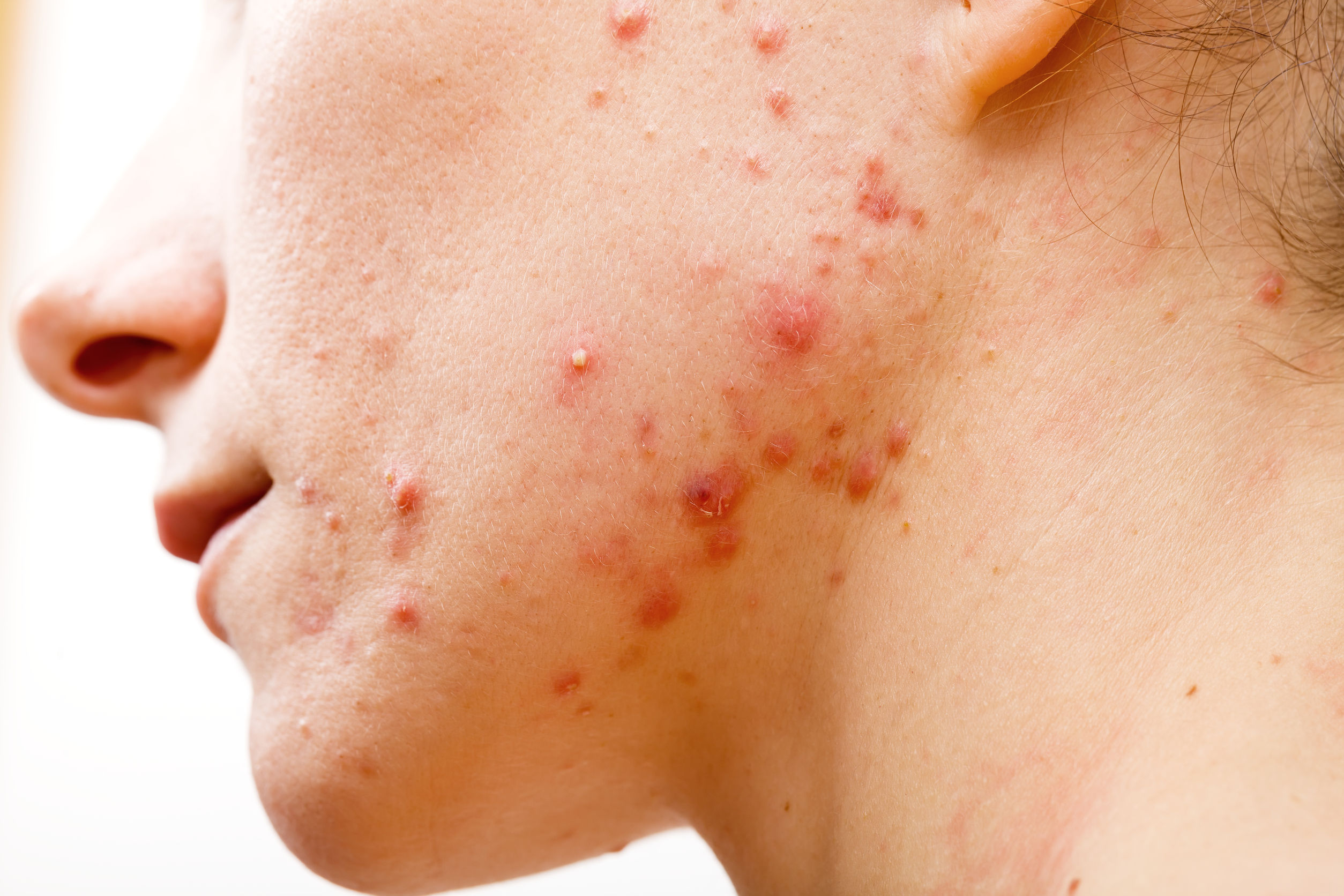
Visible facial acne with red, inflamed pimples.
Vitiligo
Vitiligo is a more severe form of pigmentation disorder. This autoimmune condition occurs when the immune system attacks melanin-producing cells, leading to light patches on the skin. These patches may gradually spread to more visible areas over time.
Vitiligo affects approximately 0.5–2% of the global population and occurs across people of all genders. While there is no known cure, treatments such as topical corticosteroids, cosmetic camouflage, light-based therapies, and surgical approaches may help improve appearance in selected cases.
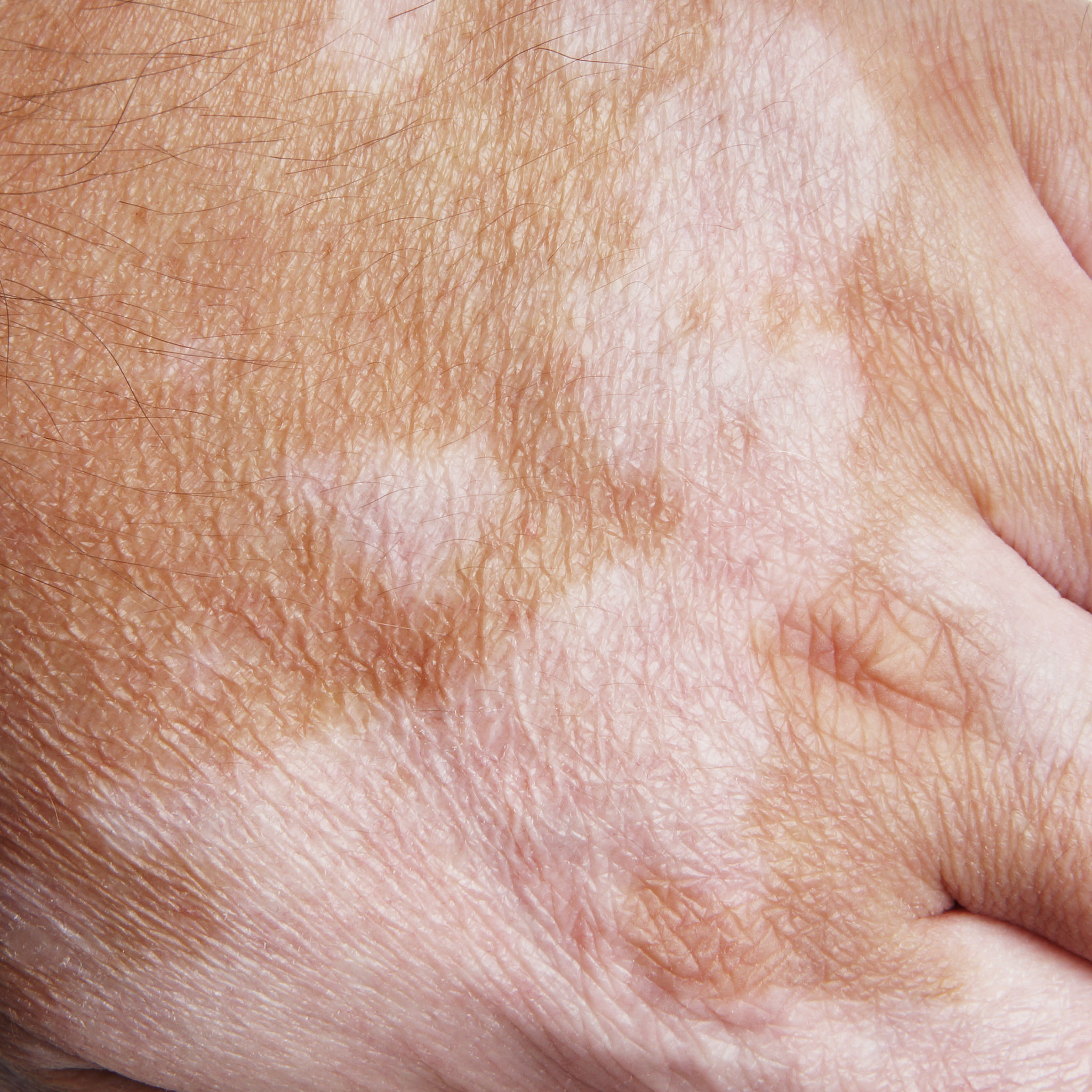
Uneven skin pigmentation on the hand.
Caring for Your Skin
As the body’s largest and most exposed organ, the skin requires consistent care. Using sunscreen daily, maintaining a balanced diet, and following a simple skincare routine can help preserve skin tone and overall radiance. Small, preventive steps often make the greatest long-term difference.
Looking Beyond the Surface
Skin pigmentation is more than a cosmetic concern — it often reflects how the skin responds to genetics, hormones, environment, and inflammation. While many forms of pigmentation are harmless, understanding their causes allows for better care and prevention. With consistent sun protection, appropriate skincare, and timely medical advice when needed, most people can manage pigmentation effectively and confidently. PRIME