

Defibrillators are often shown in movies as devices that can “bring someone back to life” when their heart stops. In reality, this is a common misunderstanding. While defibrillators save lives, they do not restart a heart that has completely stopped.
Understanding what defibrillators can—and cannot—do helps the public respond more effectively during cardiac emergencies.
What Does a Defibrillator Actually Do?
A defibrillator is a medical device used to treat life-threatening abnormal heart rhythms, known as cardiac arrhythmias. The most common rhythms treated with defibrillation are:
-
Ventricular fibrillation (VF)
-
Ventricular tachycardia (VT) without a pulse
In these conditions, the heart’s electrical signals become chaotic. As a result, the heart cannot pump blood properly. A defibrillator delivers a controlled electric shock to stop the abnormal rhythm, giving the heart a chance to reset and return to a normal rhythm.
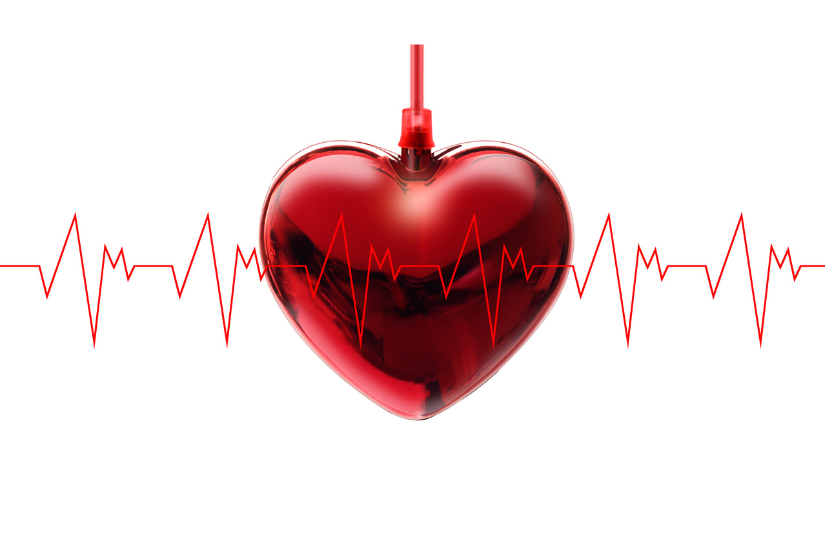
When a Heart Has Completely Stopped: Asystole
When a heart has no electrical activity at all, the condition is called asystole, often referred to as a “flatline.”
In asystole:
-
There is no organised electrical signal
-
The heart muscle cannot respond to a shock
-
Defibrillation is ineffective
Because there is nothing to “reset,” a defibrillator cannot restart a heart in asystole.
Why CPR Is Critical in a Flatline Situation
When a person is in asystole, the most important immediate action is high-quality cardiopulmonary resuscitation (CPR).
CPR helps by:
-
Manually pumping blood to the brain and vital organs
-
Delivering oxygen until advanced medical care arrives
-
Creating conditions that may allow medications or advanced interventions to work
Emergency responders may also give medications to try to stimulate the heart’s electrical system. However, CPR remains the foundation of care.
Defibrillation Works Only for Certain Rhythms
Defibrillators are effective only when specific abnormal rhythms are present. They work best when used quickly in cases of ventricular fibrillation or pulseless ventricular tachycardia.
Defibrillation:
-
Stops chaotic electrical activity
-
Allows the heart’s natural pacemaker to regain control
-
Improves survival when used early
It does not start a heart that has already stopped.
The Chain of Survival Still Saves Lives
Survival from cardiac arrest depends on several critical steps, often called the chain of survival:
-
Early recognition of cardiac arrest
-
Immediate CPR
-
Early defibrillation (when appropriate)
-
Rapid access to emergency medical services
Public training in CPR and widespread access to automated external defibrillators (AEDs) have been proven to save lives, especially in community settings.
Conclusion: Knowing the Truth Can Save Lives
Defibrillators are powerful, life-saving tools—but they are not magical devices that restart a stopped heart. They correct certain dangerous rhythms, not flatlines.
Understanding this distinction empowers people to act correctly in emergencies. When someone collapses, start CPR immediately and use an AED if advised. These actions, taken together, give the best possible chance of survival.
Accurate knowledge, fast action, and calm response remain the real lifesavers. PRIME
Author

You Might Also Like:
 All Clear: Advancements in Coronary Angioplasty for the Treatment of Coronary Artery Disease by Dr Joshua Loh
 Potassium Power: The Vital Mineral Your Heart and Muscles Can’t Live Without
 Scientists Reveal Breakthrough Blood Pressure Treatment That Works When Others Fail
 Presbyopia (Lao Hua): Why Near Vision Gets Blurry After 40
 Advances in Retinal Disease Treatment by Dr Leonard Ang


Leave A Comment