Bones, Joints & Muscles
Understanding bone strength, joint health and mobility for an active, independent life.
1. Introduction
Your bones, joints and muscles work together to support movement, posture, balance and everyday activities. Bones provide structure and protect vital organs, joints allow different parts of the body to move, and muscles generate the strength needed for activities such as walking, climbing stairs and lifting objects.
Conditions affecting these structures are commonly known as musculoskeletal conditions. They include osteoporosis, osteoarthritis, inflammatory arthritis, muscle weakness and disorders affecting the spine, tendons and surrounding tissues.
Some musculoskeletal conditions develop gradually, while others result from injuries or underlying medical problems. Although changes in bone density, muscle mass and joint function can occur with age, persistent pain and significant mobility limitations should not simply be dismissed as normal ageing.
Understanding musculoskeletal health can help you recognise potential problems, maintain physical function and take appropriate steps to protect your long-term mobility.
2. Why It Matters
Maintaining healthy bones, joints and muscles becomes increasingly important from midlife onwards.
Bone density can decline with age, increasing the risk of osteoporosis and fractures. Women may experience more rapid bone loss after menopause because of changes in oestrogen levels.
Muscle mass and strength also tend to decrease with age, particularly when physical activity is limited. Reduced muscle strength can affect balance, walking ability and the performance of everyday tasks.
Joint conditions such as osteoarthritis may cause pain, stiffness and reduced mobility, making activities such as climbing stairs, exercising or getting out of a chair more difficult.
For adults aged 40 and above, protecting bone health, maintaining muscle strength and addressing persistent joint problems can help preserve independence, reduce the risk of falls and support a more active lifestyle.
3. Common Conditions
Osteoporosis
Osteoporosis is a condition in which bones become less dense and more fragile, increasing the risk of fractures. It often develops without symptoms until a fracture occurs. Common fracture sites include the hip, spine and wrist.
Osteoarthritis
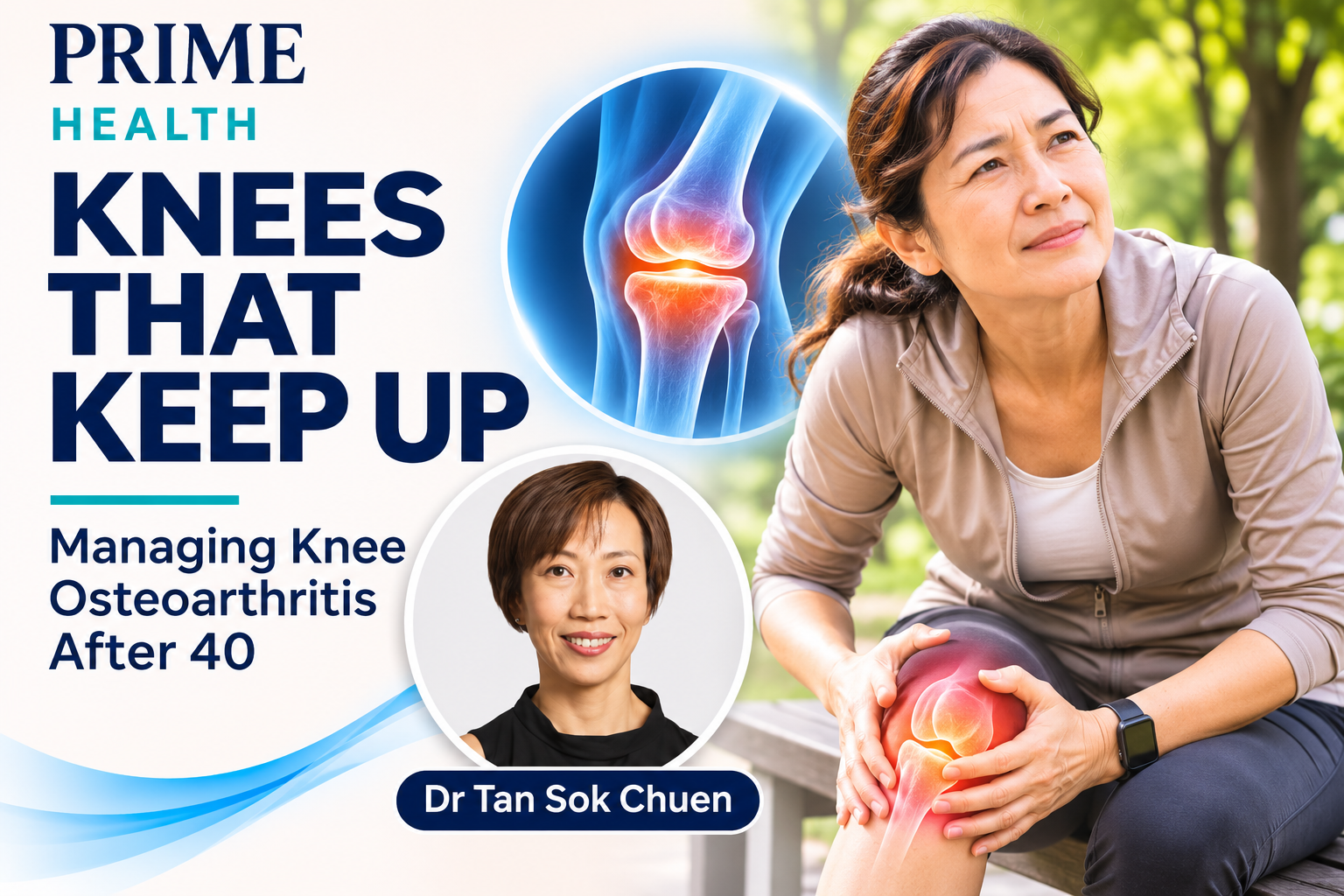
Osteoarthritis is a joint condition involving changes to cartilage, bone and other joint tissues. It commonly affects the knees, hips, hands and spine. Symptoms may include joint pain, stiffness and reduced movement.
Rheumatoid Arthritis
Rheumatoid arthritis is an autoimmune inflammatory disease in which the immune system attacks tissues lining the joints. It can cause joint pain, swelling and prolonged stiffness, particularly in the hands, wrists and feet. Early diagnosis and treatment can help limit joint damage.
Sarcopenia
Sarcopenia refers to a progressive loss of skeletal muscle strength and muscle mass associated with ageing. It can affect walking speed, balance and the ability to carry out daily activities, increasing the risk of falls and loss of independence.
Spinal Conditions
Conditions such as spinal stenosis and degenerative changes in the spine can cause back or neck pain, stiffness, numbness or weakness. Some spinal changes are common with age, but symptoms and their severity vary considerably between individuals.
Tendon and Soft Tissue Conditions
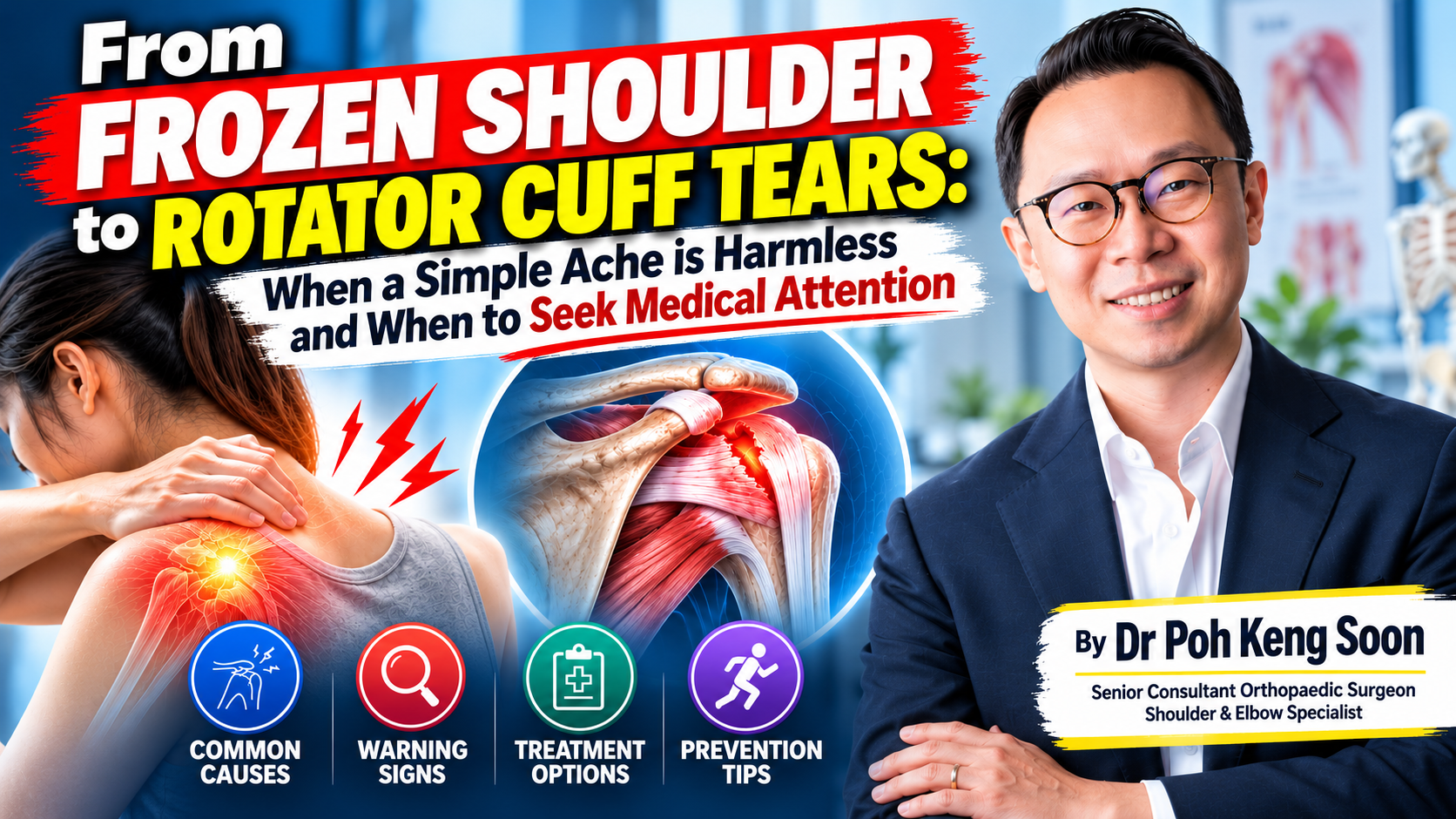
Conditions affecting tendons, ligaments and surrounding tissues include tendinopathy, bursitis and certain repetitive strain injuries. They may cause pain, tenderness or difficulty moving the affected area.
4. Signs & Symptoms
Musculoskeletal conditions can affect different parts of the body and may develop gradually or appear after an injury.
Common signs and symptoms include:
- Persistent joint pain or stiffness.
- Swelling, warmth or tenderness around a joint.
- Back or neck pain.
- Reduced flexibility or range of movement.
- Muscle weakness or difficulty performing everyday activities.
- Difficulty walking, climbing stairs or getting up from a chair.
- Problems with balance or an increased tendency to fall.
- Numbness, tingling or pain radiating into the arms or legs.
Osteoporosis may not cause noticeable symptoms until a fracture occurs. A fracture after a minor fall or injury may indicate underlying bone fragility.
Some conditions, such as rheumatoid arthritis, may cause prolonged morning stiffness and swelling in several joints.
Persistent pain, worsening weakness or reduced mobility should be assessed rather than assumed to be an unavoidable part of ageing.
5. Prevention & Healthy Living
Healthy habits and appropriate medical care can help maintain bone strength, muscle function and joint mobility.
Stay Physically Active
Regular physical activity helps maintain muscle strength, flexibility and overall mobility. Walking, swimming and cycling can support fitness, while resistance exercises help preserve muscle strength.
Include Weight-Bearing and Strengthening Exercises
Weight-bearing activities and resistance training can support bone health. Balance exercises, such as tai chi, may also help reduce fall risk in older adults. Exercise choices should be adapted to individual abilities and medical conditions.
Get Adequate Calcium and Vitamin D
Calcium and vitamin D are important for maintaining healthy bones. A balanced diet can provide calcium, while vitamin D may come from sunlight exposure, food or supplements when medically appropriate. Supplement needs vary between individuals.
Maintain a Balanced Diet
Adequate protein intake supports muscle maintenance, particularly in older adults. A varied diet containing vegetables, fruits, whole grains and suitable protein sources contributes to overall musculoskeletal health.
Protect Your Joints and Prevent Falls
Maintain a safe home environment, wear suitable footwear and use appropriate techniques when lifting or carrying objects. People with balance problems may benefit from strength and balance training or a falls-risk assessment.
Manage Existing Conditions
If you have osteoporosis, arthritis or another musculoskeletal condition, follow your healthcare professional’s recommendations. Treatment may include medication, physiotherapy, exercise programmes or other interventions.
6. When to Seek Medical Advice
Consult a healthcare professional if you experience persistent joint pain, swelling, prolonged stiffness, recurring back or neck pain, unexplained muscle weakness or difficulty carrying out normal activities.
Medical assessment is also important after a fall, particularly if you experience significant pain or difficulty bearing weight.
If you have risk factors for osteoporosis, such as a previous low-trauma fracture, prolonged use of certain medications or a strong family history, discuss whether a bone health assessment is appropriate.
Seek urgent medical attention if you experience:
- Severe pain or an obvious deformity after an injury.
- Sudden inability to stand or bear weight following a fall.
- A hot, swollen joint accompanied by fever or feeling seriously unwell.
- New or rapidly worsening limb weakness.
- Back pain accompanied by new bladder or bowel dysfunction, numbness around the groin or loss of sensation in the saddle area.
These symptoms may indicate conditions requiring prompt assessment.
In Singapore, call 995 for an emergency ambulance if you are experiencing a medical emergency.
Early diagnosis and appropriate management can help relieve symptoms, protect mobility and reduce the risk of complications.