

Diagnosing and Treating Carpal Tunnel Syndrome (CTS)

Wrist pain often starts subtly — early attention can prevent worsening carpal tunnel symptoms.
Carpal tunnel syndrome (CTS) ranks among the most common repetitive strain injuries and accounts for up to 90% of nerve compression disorders. Around 3.8% of people experience CTS, with rates rising to 9.2% in women and 6% in men. Symptoms usually include numbness, tingling, discomfort or weakness in the thumb, index, middle and part of the ring finger. Over time, these issues can affect how well the hand functions during daily activities.
What Is CTS?
The median nerve travels from the upper limb into the hand through the carpal tunnel — a tight passageway formed by wrist bones and a strong ligament. This nerve supplies sensation and controls several thumb and finger muscles.
When inflammation, fluid retention or poor wrist mechanics increase pressure in the tunnel, the median nerve struggles to glide freely and symptoms begin to appear.
Risk Factors
Doctors cannot usually trace CTS to one single cause. Some people naturally have narrower carpal tunnels, which increases their risk. This anatomical difference may explain why women develop CTS more frequently than men.
Several medical conditions also raise risk, including diabetes mellitus, rheumatoid arthritis and hypothyroidism. Pregnancy, obesity, trauma and repeated forceful hand use at home or work add to the strain. Research also shows higher CTS rates among workers who frequently handle tools, clean, assemble products or perform other manual tasks.

workers who frequently handle tools, clean, assemble products or perform other manual tasks.
Symptoms
People with CTS often experience:
-
Numbness, tingling or pain in the median-nerve fingers
-
Symptoms that intensify at night or upon waking
-
Reduced coordination or clumsiness during tasks that require fine movements
Without timely care, the muscles at the base of the thumb can shrink. Grip strength may drop, and simple tasks — holding a cup, turning a key, opening a bottle — can gradually become harder.
Diagnosis
Doctors emphasise early diagnosis because long-term nerve compression can lead to permanent injury.
During assessment, the doctor reviews your symptoms, checks your hand and wrist, and performs tests that trigger or reproduce symptoms. The doctor may also order:
-
Nerve conduction studies to measure how quickly the median nerve sends signals
-
Electromyography (EMG) to check muscle activity
-
Ultrasound or MRI when imaging can help clarify the cause
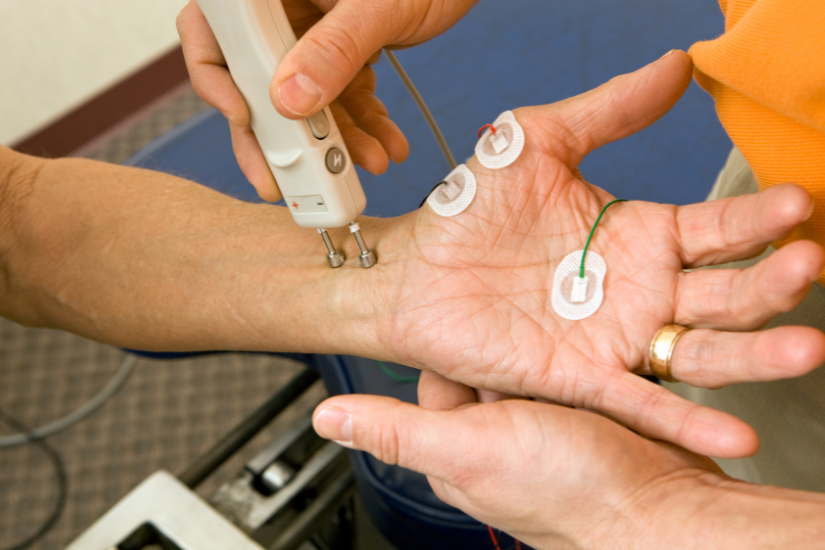
A nerve conduction study measures how quickly electrical signals travel through the median nerve in suspected carpal tunnel syndrome.
Treatment
Treatment depends on how long symptoms have lasted and how severe they are. Many people improve with early, non-surgical care. More advanced cases may require surgery.
Non-Surgical Treatment
Doctors may recommend:
-
Oral medications like anti-inflammatory drugs or vitamin B supplements, which may help reduce inflammation and support nerve health
-
Occupational therapy, which offers:
-
Guidance on modifying daily activities that strain the wrist
-
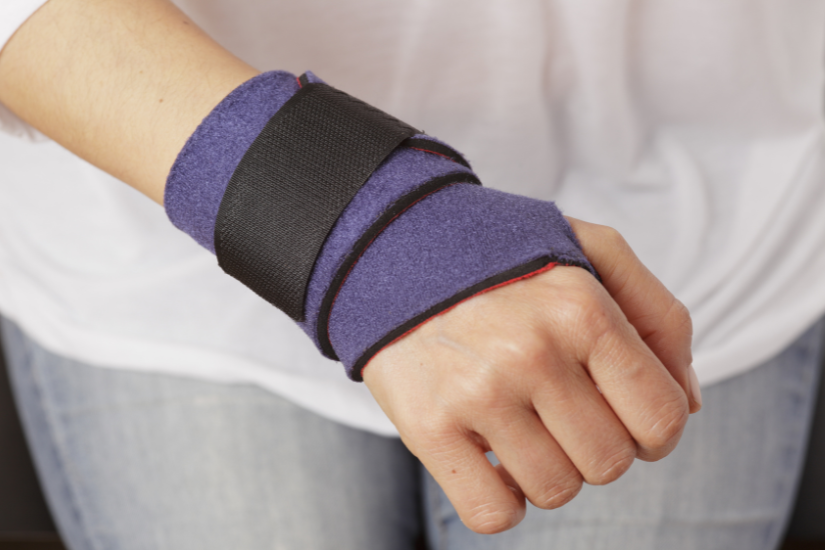
Custom night splints to keep the wrist neutral and reduce nocturnal symptoms
-
Nerve and tendon gliding exercises to improve movement within the tunnel
-
Heat or ultrasound therapy for short-term relief
-
Surgical Treatment
Doctors usually consider surgery when:
-
Non-surgical care fails to improve symptoms
-
Tests show severe nerve compression
-
The thumb muscles begin to waste away or weakness worsens
Two common procedures include:
-
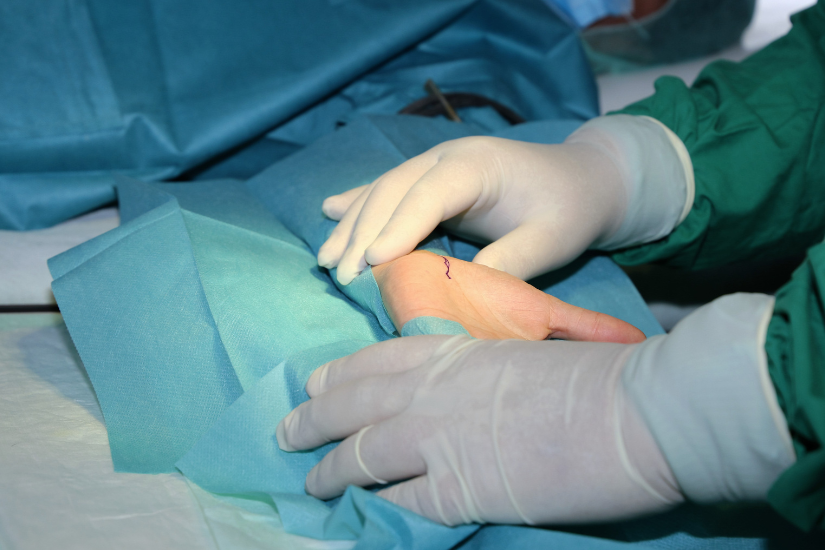
Open carpal tunnel release: The surgeon makes a small incision on the palm and cuts the transverse carpal ligament to create more space around the nerve.
-
Endoscopic release: The surgeon inserts a small camera through one or two tiny incisions and uses a cutting tool to divide the ligament from within.
Recovery can take several weeks to months. Occupational therapy often helps restore strength, movement and function.

Precautions & Prevention
You can reduce the risk of CTS by adjusting daily habits:
-
Keep your wrists straight during activities like typing or gaming.
-
Set up your workstation so your keyboard sits at elbow height and your forearms rest comfortably.
-
Avoid pressing your wrists directly onto the table when typing.
-
Avoid sleeping on your hands or bending your wrists under your pillow.
-
Take short breaks every 20–30 minutes during demanding tasks.
-
Spread out heavy chores across several days instead of doing them all at once.
Most importantly, respond early when your hands send warning signals. Rest, adjust your activities and seek advice if your symptoms persist. PRIME







Leave A Comment