
Ear, Nose & Throat (ENT) Health
What Causes Tinnitus? Common Triggers and How to Protect Your Hearing
PRIME
In our previous article, we explored the different types of tinnitus and the treatments available. But what causes tinnitus, and are there ways to reduce your risk? While tinnitus itself is not a disease, it is often a symptom of an underlying condition. Understanding the possible causes can help you take better care of your hearing and know when to seek medical attention.
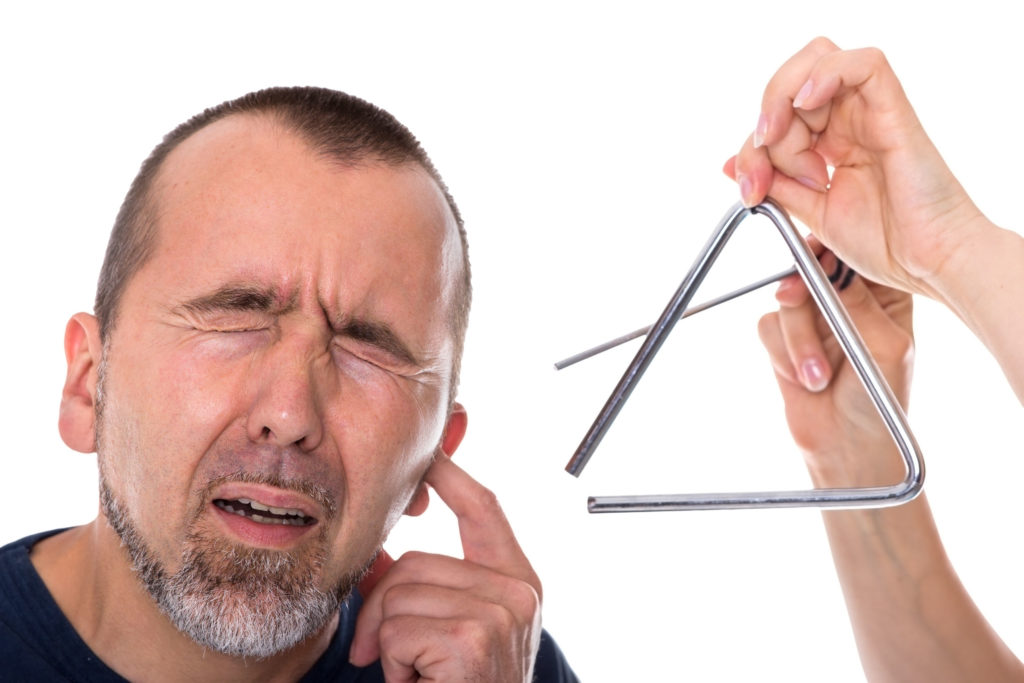
Tinnitus is often described as a ringing, buzzing or high-pitched sound in the ears, even when no external sound is present. Exposure to loud noise is one of the most common causes.
Common Causes of Tinnitus
Disorders of the Ear
Age-Related Hearing Loss (Presbycusis)
Age-related hearing loss, known as presbycusis, becomes increasingly common with advancing age and is one of the most frequent causes of tinnitus. As hearing declines, the brain may compensate by generating sounds such as ringing, buzzing or humming.
Otosclerosis
Otosclerosis is a condition in which abnormal bone growth affects the tiny bones of the middle ear. This can interfere with sound transmission and may lead to hearing loss and tinnitus.
Ménière’s Disease

Ménière’s disease may cause vertigo, hearing loss and tinnitus.
Ménière’s disease is an uncommon inner ear disorder that may cause:
- Episodes of vertigo (spinning sensation)
- Hearing loss
- A feeling of fullness or pressure in the ear
- Tinnitus
Symptoms may come and go and vary in severity.
Blood Vessel and Circulation Problems
Certain conditions affecting blood flow may trigger pulsatile tinnitus, a form of tinnitus that sounds like a rhythmic pulsing or heartbeat.
These include:
- High blood pressure (hypertension)
- Cardiovascular disease
- Narrowing of blood vessels
- Turbulent blood flow
- Arteriovenous malformations (AVMs)
- Idiopathic intracranial hypertension (increased pressure inside the skull)
People experiencing pulsatile tinnitus should seek medical evaluation, particularly if the sound is heard in only one ear.
Exposure to Loud Noise
Repeated exposure to loud sounds is one of the leading causes of tinnitus and hearing loss. Sources of excessive noise include:
- Heavy machinery
- Firearms
- Loud concerts
- Personal music devices played at high volumes
Even short periods of extremely loud noise can damage delicate structures inside the inner ear.
Medications
Some medications have been associated with tinnitus, including:
- High doses of aspirin
- Certain antibiotics
- Chemotherapy drugs
- Some antidepressants
- Certain diuretics
Symptoms may improve when the medication is adjusted or discontinued. However, patients should never stop prescribed medications without consulting their doctor.
Stress and Anxiety

Stress and poor sleep may make tinnitus symptoms more noticeable.
Stress does not directly cause tinnitus in everyone, but it can make existing symptoms more noticeable. Many people report that ringing in the ears becomes worse during periods of emotional stress, fatigue or poor sleep.
For some individuals, tinnitus can act as a “barometer” of stress.
Ear Injuries and Head Trauma
Injuries affecting the head, neck or ears can damage hearing structures and sometimes lead to tinnitus. Symptoms may develop immediately or appear some time after the injury.
Earwax Buildup and Ear Infections
A blockage caused by earwax or an ear infection may temporarily affect hearing and trigger tinnitus. In many cases, treating the underlying problem can improve symptoms.
Jaw Disorders (TMJ Disorders)

Jaw disorders may sometimes be linked to tinnitus symptoms.
Problems involving the temporomandibular joint (TMJ), which connects the jaw to the skull, may also contribute to tinnitus. Jaw pain, clicking sounds and difficulty chewing may occur alongside ringing in the ears.
Protect Your Ears

Follow the 60/60 Rule
A practical guideline for safe listening is the 60/60 rule:
- Keep the volume below 60% of the maximum setting.
- Limit listening sessions to about 60 minutes at a time.
- Take regular breaks to allow your ears to recover.
Use Noise-Cancelling Headphones
Noise-cancelling headphones reduce background noise, allowing you to enjoy music at lower volumes and potentially lowering the risk of hearing damage.
Wear Hearing Protection
Use earplugs or earmuffs when:
- Attending concerts
- Operating heavy machinery
- Using power tools
- Participating in shooting sports
Keep Ear Devices Clean
If you wear hearing aids or use reusable earplugs, clean them regularly to reduce the risk of infection.
Manage Cardiovascular Risk Factors
Maintaining healthy blood pressure, exercising regularly and avoiding smoking may also help support hearing health.
When Should You See a Doctor?
Seek medical attention if tinnitus:
- Persists for several weeks or months.
- Occurs suddenly.
- Is heard in only one ear.
- Is accompanied by hearing loss, dizziness or balance problems.
- Has a pulsating or heartbeat-like quality.
Although tinnitus is common, early assessment can help identify treatable causes and improve quality of life.