

Preventive Health & Immunity
Tattoos After 40: Why More Adults Are Getting Inked
PRIME
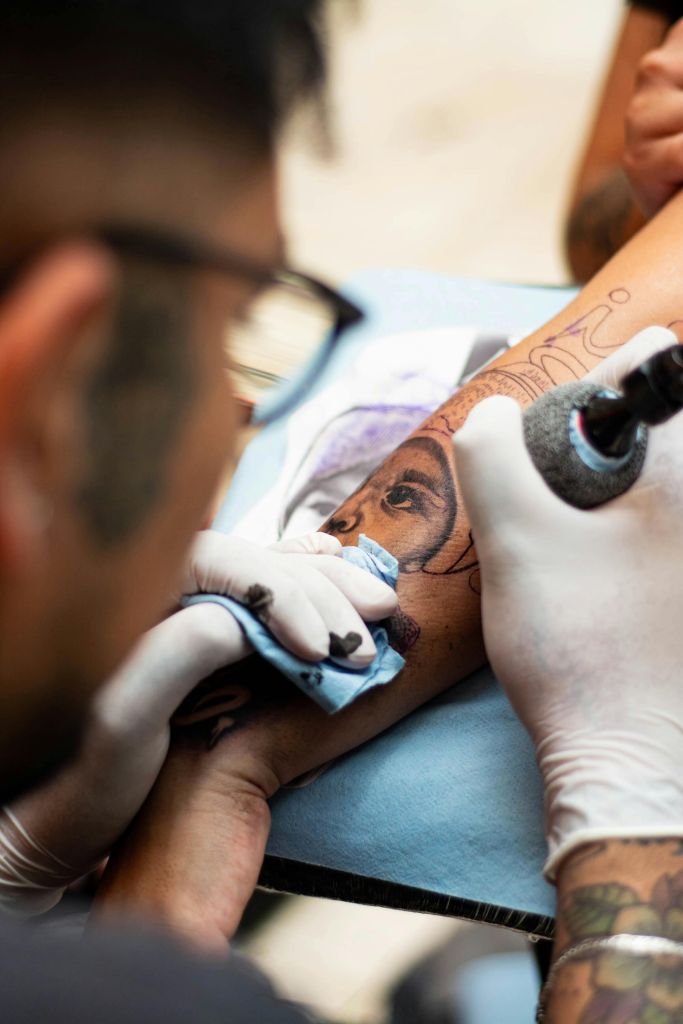
Tattoo artist creating a portrait tattoo on a client’s forearm.
Once seen as the province of rebels, sailors, punks, or youth countercultures, tattoos have steadily become mainstream. Across North America and Europe, roughly a third of adults now have at least one tattoo. While younger generations remain the most heavily tattooed, older adults are increasingly part of this trend.
A Pew Research Centre survey in the US found that around 13% of baby boomers—those born between 1946 and 1964—have at least one tattoo. This growing number of people over 40 getting inked reflects more than statistics. It signals a deeper cultural shift in how we understand identity, ageing, and self-expression.
A Lifetime Marked in Ink
A Shift from Impulse to Intention
To understand why more people choose tattoos later in life, we need to look beyond novelty or fashion. For many in midlife and beyond, tattoos are not impulsive decisions. They are deliberate choices rooted in personal meaning.
Life Transitions and Self-Reflection
Middle age often brings transitions. Children grow up and become independent. Careers evolve or wind down. Life may shift after divorce, loss, or health challenges. These moments can prompt reflection.
Where identity was once shaped by roles—such as career, family, or social status—it can become more internal. Tattoos, in this context, allow individuals to express that internal evolution outwardly.
Meaningful Designs Over Trends
Older tattoo seekers often choose designs linked to memory and meaning. These may include tributes to loved ones, symbols of resilience, or reminders of personal values.
Unlike younger individuals, who may be influenced by trends or peers, those over 40 tend to approach tattoos with deeper intention.
From Counterculture to Mainstream
This shift also reflects broader cultural changes. Many adults today have seen tattoos move from the margins into mainstream acceptance. Media, workplaces, and creative industries have helped normalise tattooing as a form of self-expression.
This has opened the door for older individuals to embrace it more freely.
A Growing Global Industry
The market reflects this growth. The global tattoo industry, already worth over US$2 billion in 2023/2024, is projected to exceed US$4 billion by the early 2030s. Demand continues to rise, driven by both traditional designs and newer innovations such as organic pigments and customised artwork.
Health and Safety Considerations

Professional tattoo artist working on a detailed sleeve tattoo in a studio.
While tattoos later in life can be meaningful, they require thoughtful consideration. Tattooing is, after all, a controlled form of skin injury. Ink is injected into the dermis using needles, which carries potential health risks such as infection, allergic reactions, and inflammation.
For older adults, it is important to understand how the body changes with age.
Skin Changes and Healing
As we age, the skin becomes thinner, less elastic, and slower to regenerate. Collagen and elastin production decline, affecting both appearance and healing.
This means tattoos on older skin may take longer to heal. In some cases, they may heal differently. Lines can spread slightly, colours may settle unevenly, and fine details may not remain as sharp over time.
This does not mean older skin cannot be tattooed well. Many experienced artists work beautifully with mature clients. However, design choices and artist skill become even more important.
Healing Time and Aftercare
Younger skin typically recovers quickly from tattooing. Older skin often needs more time and attentive care.
Proper aftercare includes keeping the area clean, moisturised, and protected from the sun. It also means avoiding scratching or picking at healing skin. While many people heal within three to four weeks, older individuals may require longer. Patience plays a key role in achieving a good outcome.
Chronic Conditions and Health Risks
Overall health also matters. Many individuals over 40 live with conditions such as diabetes, cardiovascular disease, or autoimmune disorders.
These do not automatically prevent someone from getting a tattoo. However, they can affect healing and increase risks. For example, poorly controlled diabetes can slow wound healing and raise the likelihood of infection. Autoimmune conditions may alter how the body reacts to tattoo pigments.
In such cases, consulting a healthcare professional beforehand is advisable.

Elegant floral upper-arm tattoo on a woman.
Medications and Their Impact
Medications can also influence the tattooing process. Blood thinners may cause excessive bleeding during tattooing. Steroids and immunosuppressive drugs can reduce the body’s ability to fight infection.
Even common medications may affect skin sensitivity or healing. Being transparent with your tattoo artist about medications and health conditions is essential. In some cases, an artist may decline to proceed if they believe it is unsafe.
Infection and Hygiene
Infection risk is generally low in professional studios but should not be overlooked. Reputable artists follow strict hygiene practices, including single-use needles, disposable gloves, and sterilised equipment.
However, the body’s immune response can weaken with age. This makes proper aftercare even more important. Signs of infection—such as increasing redness, swelling, warmth, pain, or discharge—should be addressed promptly.
Tattoo Ink and Long-Term Effects
Tattoo inks introduce another layer of complexity. In many countries, they are not regulated as strictly as medications. Some may contain heavy metals or synthetic compounds that remain in the body.
While most people tolerate tattoo ink well, some may develop allergic or delayed inflammatory reactions. These can appear months or even years later.
Research has also shown that ink particles can travel to nearby lymph nodes. The long-term health effects are still being studied, but this highlights that tattoos interact with the body in lasting ways.

Small star and minimalist tattoos on the forearm, reflecting the growing popularity of subtle and symbolic body art.
Skin Monitoring and Cancer Awareness
As people age, regular skin checks become more important. Tattoos can make it harder to detect changes in moles or pigmentation.
Dermatologists recommend avoiding tattooing over moles and monitoring tattooed skin carefully. Ongoing vigilance is key to early detection of potential skin issues.
Will Your Tattoo Age Well?
Bodies continue to change over time. Weight fluctuations, muscle loss, and sun exposure can affect how tattoos look.
Ink may fade, and skin changes can alter the appearance of designs. Tattoo removal or revision is possible, but it is often costly and less predictable on older skin.
None of these considerations are meant to discourage. Instead, they emphasise the importance of making informed decisions.
Making Thoughtful Choices
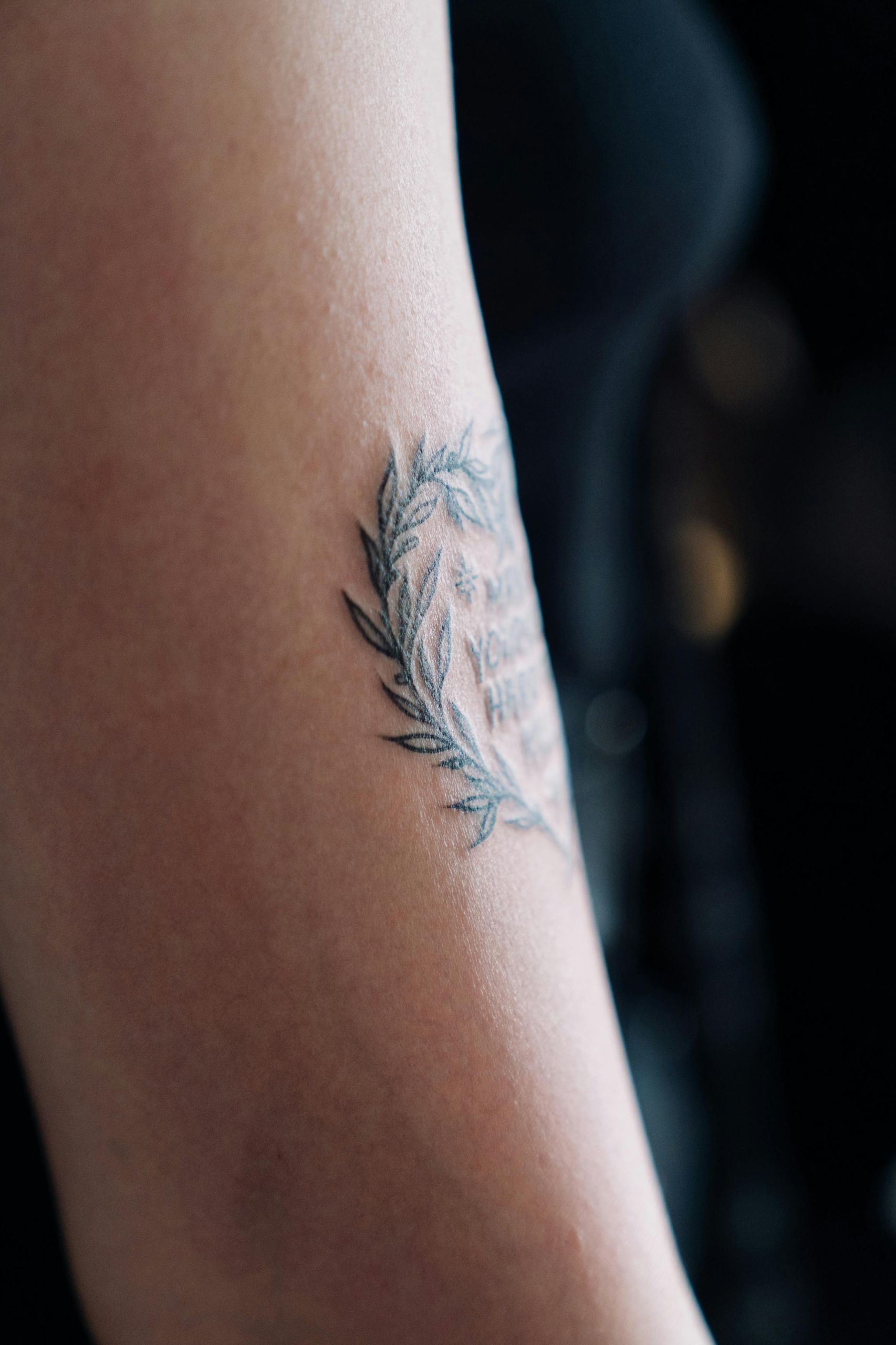
Minimalist forearm tattoo design demonstrating how simple, clean ink styles can age well on mature skin.
For those considering a tattoo after 40, a few key steps can help ensure a positive experience.
Consult a healthcare professional if you have underlying conditions or take regular medication. Choose a reputable, licensed tattoo studio that follows strict hygiene standards. Speak with the artist about their experience working with mature skin.
Design and placement also matter. Larger, simpler designs often age better than very fine or intricate ones. Areas less exposed to sun may retain colour more effectively.
Aftercare remains essential. Keeping the tattoo clean, moisturised, and protected from sunlight supports proper healing.
Finally, allow yourself time to reflect. Tattoos are permanent, and even meaningful designs deserve careful consideration.
A Mark of Identity and Change
Tattoos after 40 are more than an aesthetic choice. They reflect a broader shift in how we view identity, ageing, and self-expression.
Today’s older adults are redefining what it means to age. Rather than being confined by expectations, they are choosing to express themselves in ways that feel authentic.
Getting a tattoo later in life can be a powerful affirmation of self. With the right knowledge, preparation, and intention, it can also be a deeply meaningful one.







Leave A Comment