

(Temporary Relief, Not a Substitute for Dental Care)
A toothache can strike at the most inconvenient time, causing persistent discomfort and pain. While seeing a dentist is essential to diagnose and treat the underlying cause, certain home remedies may help temporarily ease symptoms until professional care is available.
These remedies do not cure toothaches, nor do they replace dental treatment. However, when used correctly and cautiously, they may provide short-term relief and support basic oral hygiene.
Important Reminder Before Trying Home Remedies
Toothaches often signal problems such as cavities, gum disease, cracked teeth, or infection. Home remedies may help reduce discomfort, but they do not address the root cause.
If pain persists, worsens, or is accompanied by swelling, fever, or pus, seek dental care promptly.

Coconut Oil (Oil Pulling)
Coconut oil contains lauric acid, a fatty acid with mild antibacterial properties. Oil pulling is a traditional practice that may help reduce oral bacteria and improve overall mouth cleanliness. Some people report temporary relief from gum irritation or discomfort.
How to Use:
-
Take 1 tablespoon of coconut oil
-
Swish gently around the mouth for 10–15 minutes
-
Spit it out (do not swallow)
-
Rinse with warm water and brush your teeth
What to Know:
-
Oil pulling may support oral hygiene
-
Evidence for toothache pain relief is limited
-
Use as a complementary practice only

Hydrogen Peroxide Rinse (With Caution)
Hydrogen peroxide is a mild antiseptic that may help reduce oral bacteria when properly diluted. Dentists sometimes recommend it short-term for gum inflammation or oral wounds.
How to Use:
-
Mix equal parts of 3% hydrogen peroxide and water
-
Swish gently for 20–30 seconds
-
Spit out completely and rinse with water
Precautions:
-
Do not swallow
-
Do not use undiluted
-
Avoid frequent or prolonged use
-
Not suitable for children without supervision
If irritation occurs, stop use and consult a dentist.

Clove Oil
Clove oil contains eugenol, a compound with mild numbing and antibacterial properties. It has a long history of use in dentistry for temporary pain relief.
How to Use:
-
Dilute 1 drop of clove oil in 1 teaspoon of carrier oil (olive or coconut oil)
-
Apply a small amount to a cotton ball
-
Gently place on the affected tooth or gum
-
Remove after a few minutes and rinse
Precautions:
-
Always dilute before use
-
Avoid contact with tongue or soft tissues
-
Do not swallow

Garlic
Garlic contains allicin, a compound with antibacterial properties. Some people use garlic as a traditional remedy for oral discomfort, although scientific evidence for toothache relief remains limited.
How to Use:
-
Crush a fresh garlic clove to release its juices
-
Apply briefly to the affected area
-
Rinse thoroughly afterward
Note:
-
Garlic may irritate gums or oral tissues
-
Discontinue use if burning or discomfort occurs
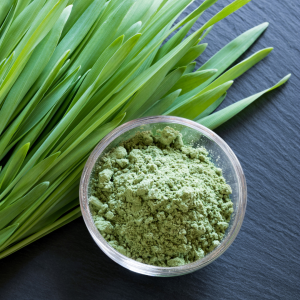
Wheatgrass
Wheatgrass contains vitamins, minerals, and chlorophyll, which may support oral hygiene. Some people use wheatgrass juice as a mouth rinse to help reduce inflammation.
How to Use:
-
Rinse with diluted wheatgrass juice for 30–60 seconds
-
Spit out completely
What to Know:
-
Evidence for toothache relief is limited
-
Best viewed as a gentle oral rinse, not a treatment
When to See a Dentist Immediately
Seek professional dental care if you experience:
-
Severe or persistent pain
-
Swelling of the face or gums
-
Fever
-
Bad taste or pus
-
Pain lasting more than 1–2 days
These may indicate infection or serious dental issues requiring treatment.
Final Thoughts
Home remedies may offer short-term comfort for toothaches, but they should never replace proper dental care. Maintaining good oral hygiene, avoiding irritants, and seeking timely treatment remain the best ways to protect your teeth and gums.
If in doubt, consult a dentist — early care can prevent complications and preserve your natural teeth for years to come. PRIME








Leave A Comment