


Woman smiling outdoors, applying sunscreen
The Importance of Applying Sunscreen: Love Your Skin
The importance of applying sunscreen cannot be overstated — it’s your skin’s first line of defence against harmful UV rays. Whether you’re enjoying the outdoors or simply commuting, daily sunscreen use protects your skin from premature ageing, dark spots, and even skin cancer. Understanding the importance of applying sunscreen helps you make sun protection a consistent, lifelong habit.
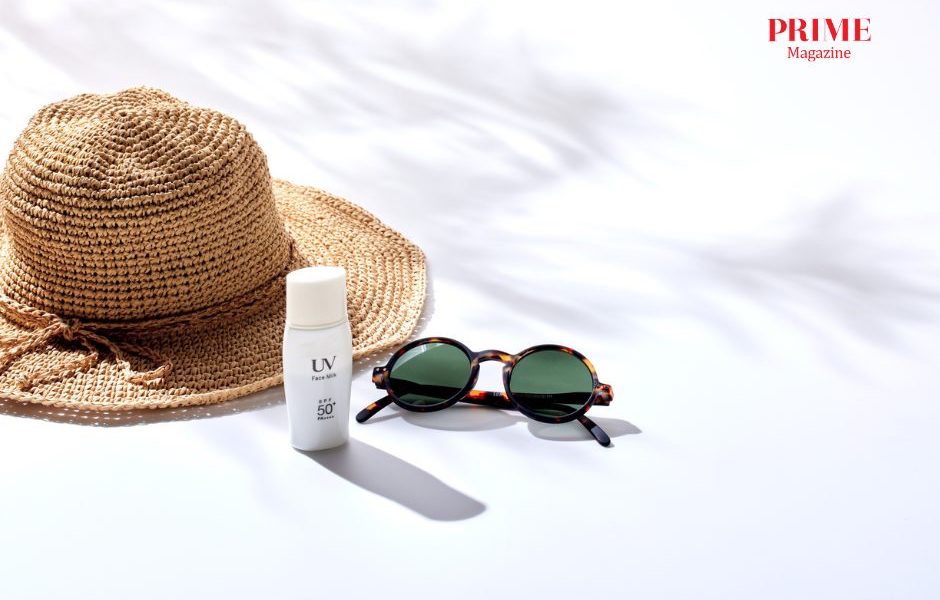
Sunscreen, hat and shades
Why the Importance of Applying Sunscreen Matters
While a bit of sunlight helps your body produce vitamin D, too much exposure can be harmful. The sun emits UVA and UVB rays — both contribute to skin damage.
-
UVA rays cause wrinkles, pigmentation, and early ageing.
-
UVB rays burn the surface and can lead to skin cancer.
According to the National Cancer Centre Singapore, skin cancer ranks 6th among men and 7th among women locally. The most common type, basal cell carcinoma (BCC), usually develops in sun-exposed areas. Regular sunscreen use helps prevent this damage — that’s the real importance of applying sunscreen.

Woman walking the dog
Does SPF Rating Really Make a Difference?
SPF — or Sun Protection Factor — measures how well sunscreen shields your skin from UVB rays.
-
SPF 15 blocks about 93% of UVB rays.
-
SPF 30 blocks about 97%.
-
SPF 50 blocks about 98%.
The American Academy of Dermatology recommends using a broad-spectrum sunscreen with SPF 30 or higher. Apply one teaspoon for your face and about six for your body. To maximise the benefits of wearing sunscreen, reapply every two hours or after swimming or sweating.
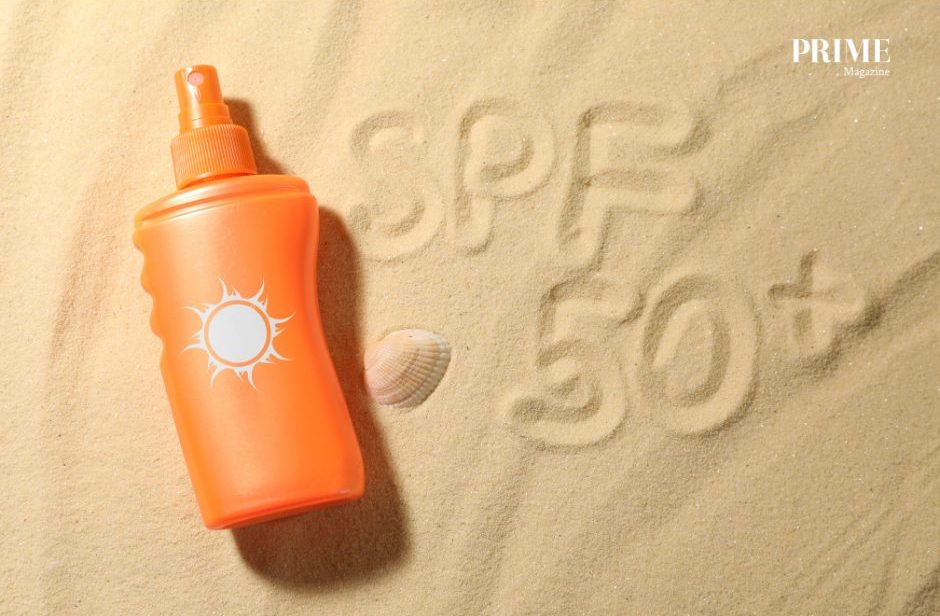
SPF 50 on beach sand
PA Rating and Daily Sun Protection Tips
The PA rating on sunscreen shows its level of UVA protection. More plus signs (PA+, PA++, PA+++) mean stronger protection. For full coverage, choose a broad-spectrum sunscreen that guards against both UVA and UVB.
Even on cloudy or indoor days, UV rays can still reach you — another reason the importance of applying sunscreen should never be underestimated.

uv rays hitting on skin
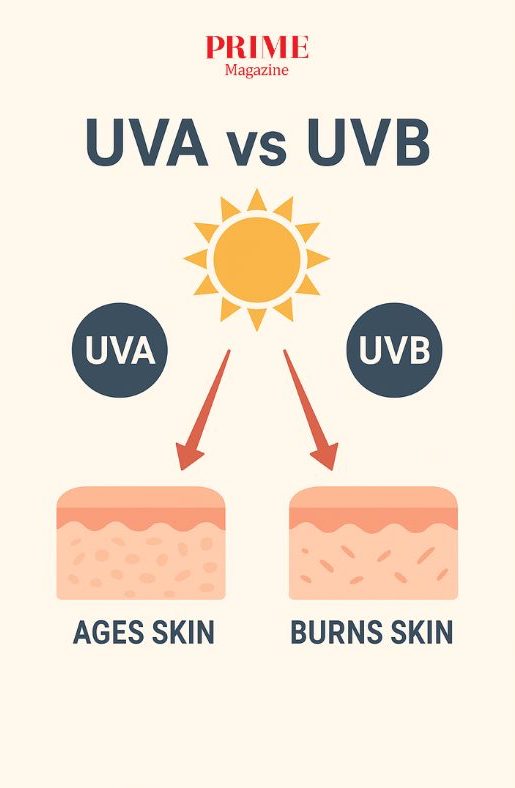
UV vs UVB infographic
Chemical vs. Physical Sunscreen
Sunscreens fall into two main categories — and both can be effective when used correctly.
Chemical sunscreens contain UV filters (like avobenzone, octocrylene, or oxybenzone) that absorb UV rays before they can harm your skin. They need about 20 minutes to take effect and often provide a lightweight, invisible finish. However, some people with sensitive skin may react to certain chemical ingredients.
Physical sunscreens, on the other hand, use zinc oxide or titanium dioxide to reflect and scatter UV rays. They work immediately upon application and are generally gentler on the skin, though older formulas can feel thicker. Many modern versions now blend easily without leaving a white cast.

A woman protecting herself from UV rays in a presentation.
Physical sunscreens protect your skin by using physical UV filters (titanium dioxide and zinc oxide) to block out UVB and UVA. The ingredients in physical sunscreens form a shield over the skin and reflect the rays from the surface of the skin. Physical sunscreens may be harder to apply due to their thick texture but is immediately effective against sun protection upon application.
Whether you use a chemical or physical sunscreen, be sure to apply sunscreen generously before you step outside into the sun and even on a cloudy day, as sun rays can penetrate clouds and cause damage as well. PRIME

Man applying sunscreen outdoor
The Bottom Line
Whether you choose a chemical or physical sunscreen, consistency is key. Apply it generously every day — even when it’s cloudy or you’re indoors, as UV rays can penetrate through clouds and windows.
Think of sunscreen as your skin’s best daily habit — a small step that keeps your complexion healthy, youthful, and radiant for years to come.
Love your skin. Protect it. Every day. PRIME









Leave A Comment