

Nutrition for immune system health plays a crucial role in how well our bodies defend against viruses and infections. Every day, billions of influenza-causing viruses and other microbes surround us. According to the United States Centers for Disease Control and Prevention (CDC), influenza has caused between 12,000 and 61,000 deaths annually since 2010.
Despite these sobering figures, the human body has an impressive ability to protect itself. With proper nutrition for immune system support, our natural defences can respond faster and more effectively to invading bacteria and viruses.
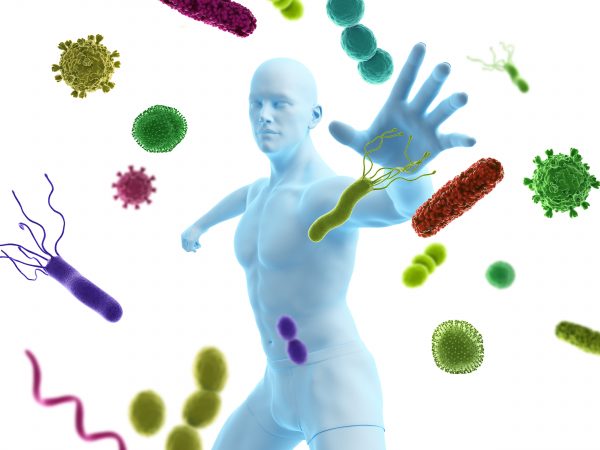
How the Immune System Protects the Body
The immune system is a highly organised network that guards the body against infections. It consists of specialised cells that communicate through chemical signals. These cells identify harmful pathogens, coordinate responses, and remove threats.
Some immune cells remain stationed at key entry points such as the skin and gut. Others travel through the bloodstream to areas where infection occurs.
Nutrition for Immune System Support: Two Lines of Defence
Innate Immunity: Immediate Protection
Innate immunity forms the body’s first line of defence. It reacts quickly and does not require prior exposure to pathogens.
This system includes physical barriers, inflammatory responses, and immune cells that destroy pathogens directly. Importantly, good nutrition for immune system function helps these responses work efficiently.
Adaptive Immunity: Long-Term Defence
Adaptive immunity responds more slowly but with precision. It creates immune memory after the first encounter with a pathogen. As a result, future infections become easier for the body to control.
Both innate and adaptive immunity rely on adequate nutrition to perform at their best.
Immune-Enhancing Diet: Nutrition for Immune System Strength
A balanced diet forms the foundation of immune health. Immune cells contain receptors that respond directly to nutrients. This means food choices can influence immune activity.
In addition to sufficient protein, fruits, and vegetables, certain nutrients play a particularly important role in immune defence.

Gut Health and Nutrition for Immune System Resilience
Around 70–80% of immune cells are located in the gut. The gut microbiome interacts closely with these cells, supporting immune development and communication.
Studies show that probiotics may reduce flu-like symptoms and shorten illness duration.
Probiotics and Fibre
Include probiotic-rich foods such as yogurt, kefir, kimchi, miso, and natto. Look for strains from the Lactobacillus and Bifidobacteria groups.
Fibre is equally important. Soluble fibre feeds beneficial gut bacteria and helps maintain a healthy microbiome.
β-Glucans and Immune Activation
β-glucans are soluble fibres with immune-supporting properties. They act as prebiotics and promote the growth of healthy gut bacteria.
Foods rich in β-glucans include mushrooms, oats, barley, sea vegetables, and certain microalgae.
Beyond gut health, β-glucans can bind to receptors on immune cells in the intestine. This interaction enhances immune cell communication and strengthens innate immunity.

Vitamins in Nutrition for Immune System Health
Vitamin D
Vitamin D supports immune regulation and inflammation control. Immune cells contain vitamin D receptors that activate when blood levels are sufficient.
Because deficiency is common, testing vitamin D levels and supplementing when necessary can support immune health.
Vitamin C
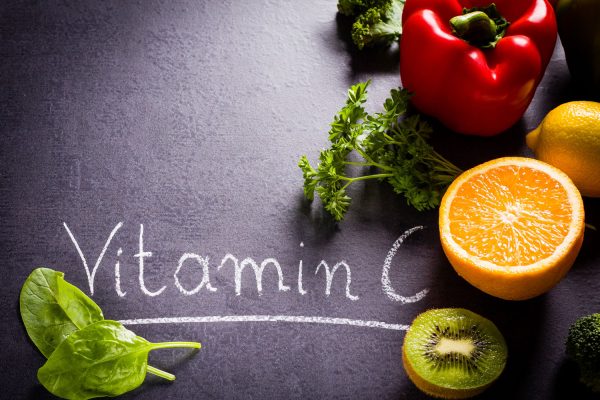
Vitamin C supports both innate and adaptive immunity. During infection, immune cells actively absorb vitamin C to enhance their antiviral and antimicrobial activity.
A regular intake of vitamin C, through diet or supplementation, helps maintain nutrition for immune system readiness, especially during flu season.
Minerals That Support Immune Defence
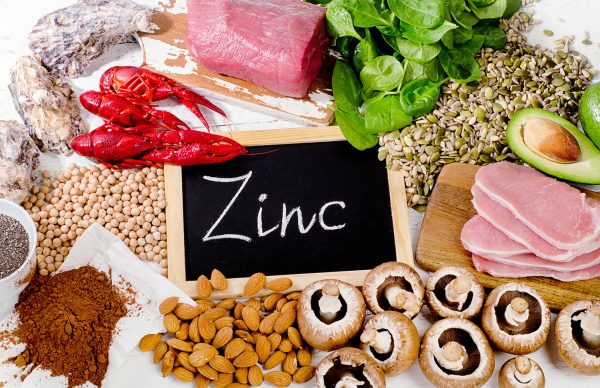
Zinc
Zinc plays a key role in immune cell development and function. Food sources include lean meats, seafood, wholegrains, nuts, and seeds.
Zinc lozenges may provide short-term support during the early stages of cold symptoms. However, they are not intended for daily use.
Herbal Support for Immune Health
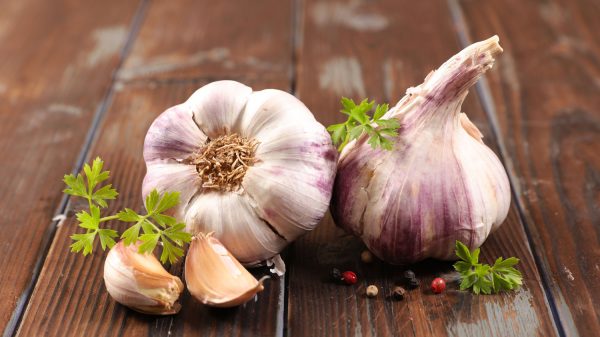
Garlic
Garlic contains allicin and sulphur compounds with antiviral and antimicrobial properties. Fresh garlic releases these compounds when chopped or crushed.
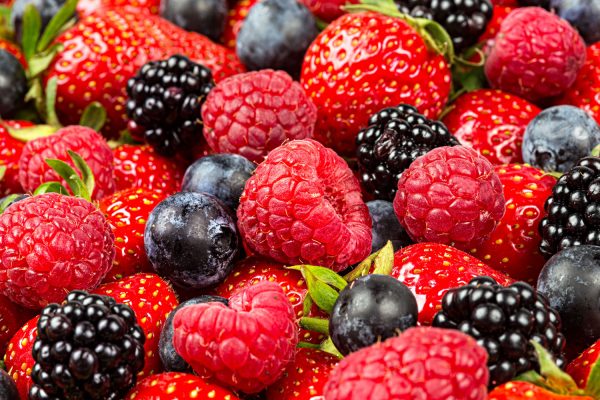
Berries
Berries provide flavonoids and antioxidants that support immune defence. Elderberries, in particular, show strong activity against flu-causing viruses.
Building Your Defence Through Nutrition
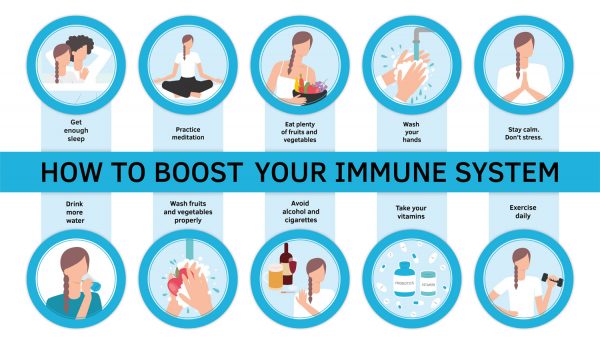
Nutrition alone does not determine immunity, but it forms a strong foundation. Managing stress, getting adequate sleep, staying hydrated, and practising good hygiene all support immune function.
With the right nutrition for immune system support, the body is better prepared to respond to infections. Build your defence today by choosing foods that nourish your immune system from within. PRIME