

Celebrity & Culture
Fei Xiang: The Evergreen Idol Who Returns in Creation of the Gods
PRIME
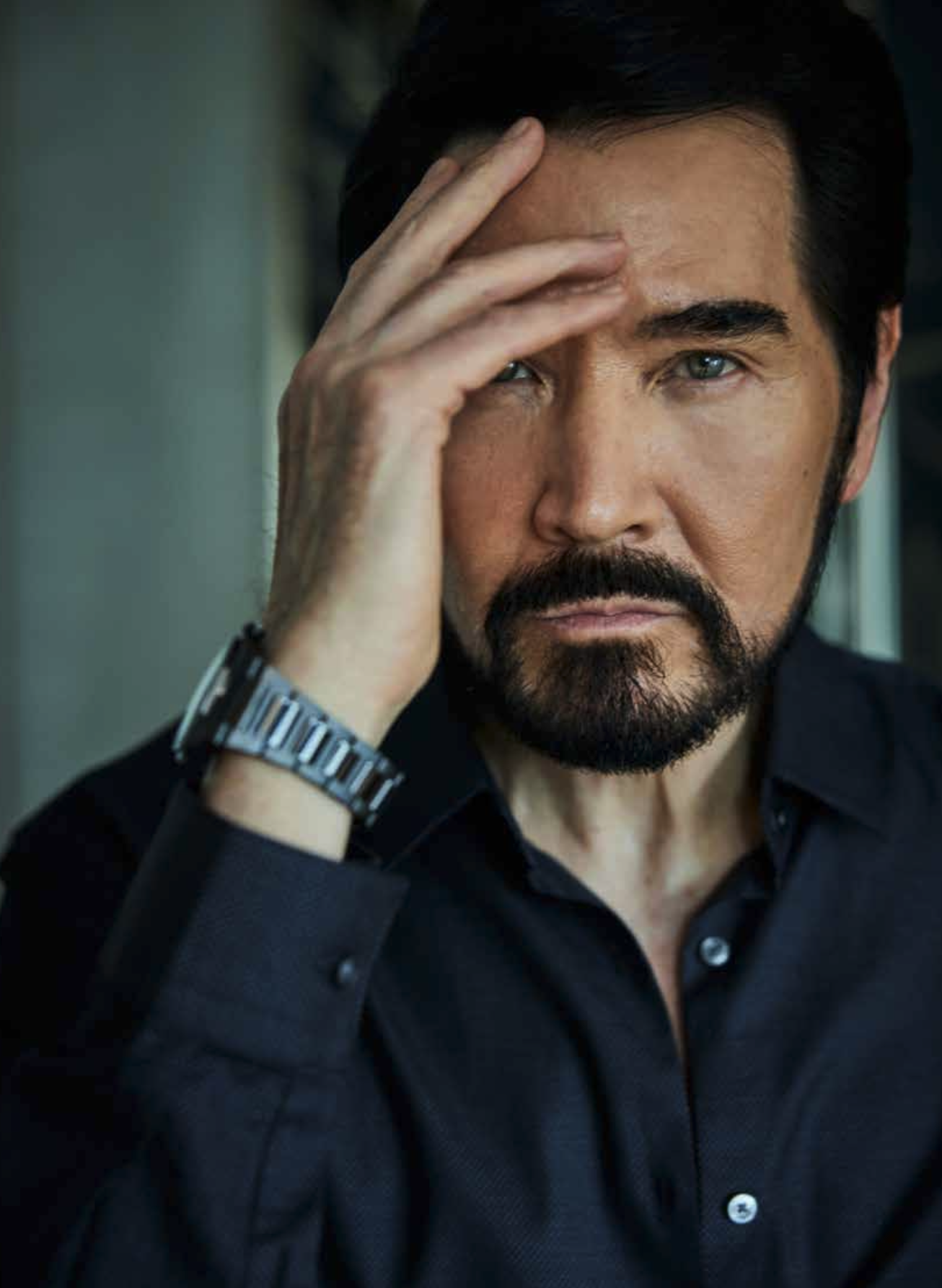
A Star Across Generations
For Millennials (Generation Y: those born between 1981 and 1994) and Zoomers (Generation Z: those born between 1995 and 2009) who grew up with Mandopop in the 90s and 2000s, the prominence of Taiwanese American singers in the Chinese music scene may feel almost natural. During that era, American music strongly shaped Mandopop. R&B (Rhythm & Blues) and rap frequently topped the charts, while Taiwanese American pop stars like Wong Leehom, Vanness Wu, and Stanley Huang enjoyed immense popularity.
But for those born a little earlier (stand up, Generation X’ers!), things were very different.
In the early 80s, only one name truly came to mind when people spoke of Taiwanese-American pop stars. That icon dominated the Mandopop scene of the decade. His fame and talent shone so brightly that, even as younger stars like Wong, Wu, and Huang gradually faded, he continued to command the admiration of loyal fans across generations. Decades later, he staged a remarkable comeback through a Chinese action-fantasy blockbuster in 2023.
His name is Fei Xiang — also known as Kris Phillips.
Early Life and Background
Fei Xiang was born on 24 December 1960 in Taipei. His father was an American military serviceman stationed in Taiwan, and his mother worked as a Chinese radio broadcaster. At birth, he was named Christian Rand Phillips (Kris Phillips for short).
He had an elder sister, Anya Phillips, who had a different father. She later became a fashion designer and co-founded the legendary New York nightclub, the Mudd Club.
His Chinese name reflected both heritage and aspiration. “Fei” came from the transliteration of Phillips (Fei Li Pu), while “Xiang” reflected his mother’s wish for him to soar and strive. The name also echoes the Chinese phrase for “flying.”
Childhood and Education
Fei Xiang grew up mainly in Taiwan, in the suburban Xindian district of Taipei County. His parents often stayed busy, and his sister spent much of her time out, so he formed a close bond with his caregiver. As a child, he was shy, chubby, and not fluent in Chinese — very different from the confident idol he would later become.
He attended the Taipei American School in Shilin, which required a daily hour-long commute. Because he stayed up late at night, he often struggled to wake up. His caregiver had to bundle him onto the school bus each morning, where he would sleep through the journey.
Despite this, he performed exceptionally well in school. He worked hard, achieved strong grades, and graduated fourth in his cohort. These results earned him admission to Stanford University, where he initially enrolled to study medicine.
During his university years, he slimmed down significantly. His refined features began to stand out, revealing the striking looks that would later captivate audiences.
A Life-Changing Turning Point
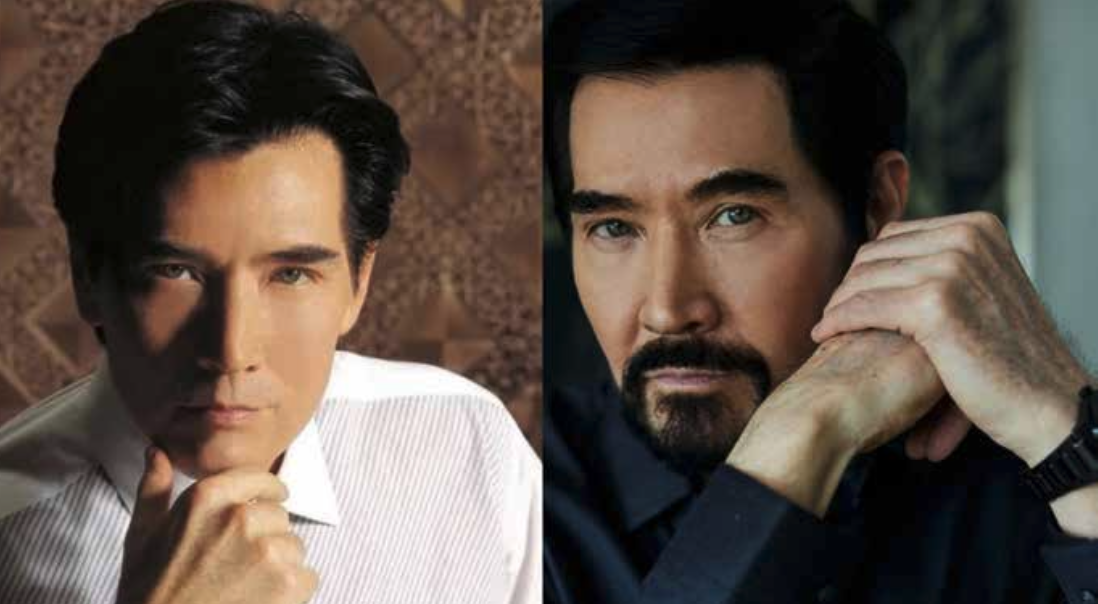
Two major events soon changed his life.
First, his sister passed away after battling cancer. Shortly after, his parents divorced. These experiences deeply affected him and reshaped his outlook.
At her deathbed, his sister urged him to live fully on her behalf. He took her words seriously and decided to treasure each day instead of dwelling on the past.
This shift led him to rethink his career. While he had chosen medicine partly because of his sister’s illness, he realised his true passion lay elsewhere.
Choosing the Stage
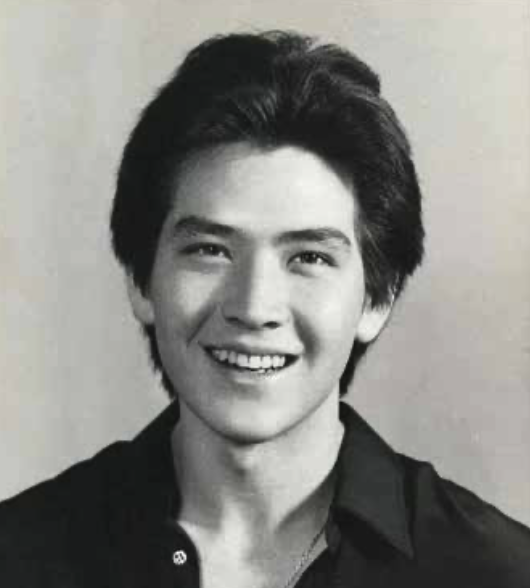
Determined to follow his heart, Fei Xiang left Stanford and pursued the arts. He enrolled at the Neighbourhood Playhouse School of the Theatre in New York, one of the most prestigious acting conservatories in the United States.
This decision marked the beginning of a journey that would eventually take him across continents and industries.
Rise to Stardom in Taiwan
In 1981, Fei Xiang returned to Taiwan to pursue a career in entertainment. Through his mother’s connections, he met Sylvia Chang, who immediately recognised his potential and cast him in the TV miniseries Eleven Women. This marked his debut.
In 1982, he signed with EMI and released his debut album Lingering. The album became an instant success. It achieved gold status in Taiwan, and its title track stayed at the top of the charts for weeks.
His popularity quickly spread across Southeast Asia. In Singapore, Lingering sold 6,000 copies in a single day.
EMI capitalised on his rising fame. Between 1982 and 1983, he released several albums, including Asking the Sunset, Midnight Dance, and The Boundless Sea and Sky. These releases established him as one of Asia’s biggest pop stars.
Breaking Into the Chinese Market
Despite his success, China remained a challenge.
In 1986, Fei Xiang released A Voice Across the World in China. At the time, Taiwanese artists rarely entered the Chinese market due to political tensions and cultural restrictions. Many feared damaging their careers at home.
Initial reception was modest. However, everything changed in 1987.
The Defining Performance
Fei Xiang appeared on the CCTV Spring Festival Gala, the most important television event in China. Wearing a striking red tuxedo, he delivered a memorable performance. He first sang Clouds of My Homeland as a heartfelt tribute to his family. He then energised the audience with Winter Fire.
Despite attempts to censor parts of his performance, his presence captivated viewers nationwide.
Almost overnight, he became a sensation. Fans admired his looks, voice, and charisma. His album sales surged dramatically.
Unprecedented Success in China
Following his breakthrough, Fei Xiang released several albums in China. Together, they sold over 22 million copies.
He also embarked on a nationwide concert tour. He performed 65 consecutive sold-out stadium shows across 12 major cities — a record that still stands.
At the peak of his fame, however, he made a surprising decision.
Walking Away from Stardom
Fei Xiang chose to leave China and pursue a new path in Broadway.
He later explained that he wanted to rediscover himself beyond fame. He sought meaning and growth, rather than remaining a superstar indefinitely.
Reinventing Himself on Broadway
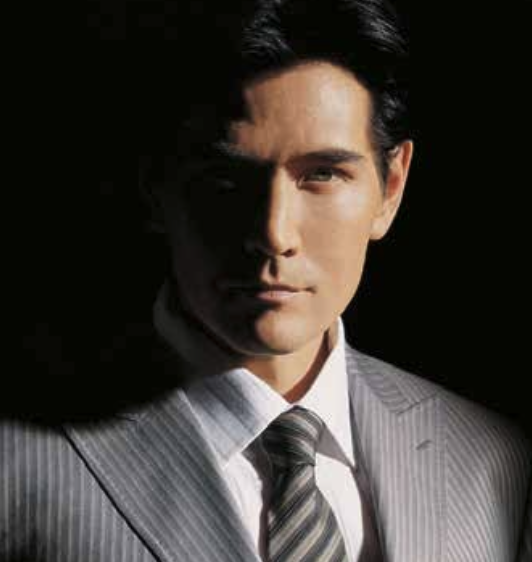
In New York, he started from scratch.
He underwent vocal training and auditioned for roles. After multiple rounds, he secured a role in the musical Miss Saigon. The work proved demanding, with eight performances each week, but he found it deeply fulfilling.
Unlike in Asia, he received no special treatment. This experience grounded him and helped him grow as an artist.
In 1993, he performed alongside Sarah Brightman in The Music of Andrew Lloyd Webber, touring over 40 cities across the United States.
Return to Asia
In 1997, a major historical moment drew Fei Xiang back into the Asian spotlight — the return of Hong Kong from Britain to China. The commemorative celebrations carried immense cultural significance, and Fei Xiang took the stage as part of the event.
For his performance, he chose to revisit a defining moment from his past. He sang Clouds of My Homeland, the very song that had first captured the hearts of millions during his iconic 1987 Spring Festival Gala appearance. This time, however, his voice carried greater depth and control, honed through years of rigorous Broadway training. Audiences immediately noticed the difference. The performance did not just evoke nostalgia — it signalled artistic growth.
The response was overwhelming. For many in China, it felt as though a long-lost icon had returned, stronger than ever.
Reigniting His Music Career
Following this high-profile return, Fei Xiang released NOW in 1998. The album combined his greatest hits with new material, bridging past and present. Among the new songs, Sons and Descendants of the Dragon stood out and was later named one of the top ten most popular songs of the year in China.
By this time, relations between China and Taiwan had improved. This shift allowed Fei Xiang to reconnect with audiences across both regions more freely. It also opened the door for him to re-establish his presence in Taiwan, where he had been largely absent for over a decade.
A Long-Awaited Return to Taiwan
In 2000, Fei Xiang made a highly anticipated return to Taiwanese television. He appeared as a special guest on Chinese Television System’s variety show Super Sunday.
The episode centred around a heartfelt segment. The producers sought to fulfil a long-held wish of popular TV host Matilda Tao, who had idolised Fei Xiang since her youth but had never met him in person. After years of absence from Taiwan’s entertainment scene, his sudden appearance created enormous excitement.
The studio filled with fans and media eager to witness the moment. When Fei Xiang finally appeared, the atmosphere turned electric. Dressed elegantly and carrying his signature charm, he looked almost unchanged despite the years.
The emotional highlight came when he embraced Tao, who broke down in tears. He then serenaded her, turning a television segment into a deeply personal and unforgettable moment.
The episode achieved record-breaking viewership. It became one of the most talked-about television events of the year. Following the broadcast, record companies rushed to release compilation albums, which sold rapidly. In a media poll for “Personality of the Year” in Taiwan, Fei Xiang even placed second — a remarkable feat after such a long absence.
A New Musical Chapter
After his return, Fei Xiang signed with Forward Music in Taiwan. In July 2000, he released his comeback album Having Loved You.
He continued to release music steadily over the next few years. Albums such as Wildflower (2001), the soundtrack for the idol drama Magic Ring (2004), and Broadway Classics (2005) showcased his evolving artistry.
Unlike his earlier work, these albums reflected a broader musical vision. Wildflower, for instance, featured an electronic sound that marked a clear departure from his signature ballads. He recorded the album across multiple cities — Taipei, Beijing, Shanghai, and Malaysia — before completing post-production in London. This international approach ensured a polished, high-quality result.
Similarly, Broadway Classics drew directly from his theatre experience. The album combined English and Chinese tracks and included songs he had performed in The Music of Andrew Lloyd Webber. Recording took place across major global cities, including New York and London, highlighting his commitment to excellence.
Championing Musical Theatre in Asia
Beyond recording, Fei Xiang played a pivotal role in introducing Broadway musical theatre to Chinese audiences.
In 2001, he collaborated with renowned composer Andrew Lloyd Webber to bring a large-scale production of The Music of Andrew Lloyd Webber to China. The production starred prominent performers, including Elaine Paige and Fei Xiang himself.
The concert was staged at prestigious venues such as the Great Hall of the People in Beijing and the Shanghai Grand Theatre. It was later filmed and broadcast widely, reaching audiences across the country through repeated television screenings.
Through this project, Fei Xiang helped introduce an entirely new genre of performance to many viewers in China. He did not just perform — he also acted as a cultural bridge, explaining and contextualising musical theatre for a new audience.
Concert Tours and Regional Influence
Between 2003 and 2005, Fei Xiang embarked on the Rainmaker World Tour. He performed in major cities including Shanghai, Beijing, Wuhan, Chengdu, Taipei, and Genting.
These concerts blended his Mandopop legacy with his Broadway influences. He invited guest performers, including international musical theatre artists, creating a unique cross-cultural experience.
His influence extended to Singapore as well. In 2006, he starred as the Emcee in Toy Factory’s production of Cabaret. The production sold out and received strong critical acclaim, with Fei Xiang’s performance earning particular praise.
Continued Presence and Later Work
Fei Xiang remained active in the years that followed. He contributed the song Big Big World to the 2008 Beijing Olympic Games, further cementing his connection to major national events.
In 2012, he returned once again to the CCTV Spring Festival Gala stage — his first appearance there since 1987 (aside from a satellite performance in 1995). He performed Clouds of My Homeland once more, along with a rendition of I Just Can’t Stop Loving You, originally by Michael Jackson.
In 2014, he released Human, his most recent album to date. The album received critical acclaim and earned multiple nominations at the Chinese Music Media Awards, including Best Male Artist and Best Producer. It also won the jury award for Album of the Year.
A Lasting Legacy Before His Return to Film
By this stage, Fei Xiang had already built a legacy that spanned pop music, theatre, and cross-cultural exchange. He had successfully reinvented himself multiple times — first as a Mandopop idol, then as a Broadway performer, and later as a cultural ambassador for musical theatre in Asia.
This long and varied journey set the stage for his eventual return to the big screen — a return that would once again capture the public’s imagination in a completely new way.
Film Career: From Heartthrob to Character Actor
Although Fei Xiang built his reputation primarily through music and theatre, he has never been a stranger to the screen.
In fact, his career began with television in Taiwan in the early 1980s. However, his appearances in TV dramas remained limited over the years. Instead, he found greater opportunities on the big screen, where his striking looks and commanding presence made him a natural fit for cinematic roles.
During the 1980s, before his move into the China market, he appeared in several films. These included romance and drama productions that capitalised on his rising popularity as a singer. After stepping away from Asia for Broadway, he largely paused his film career for nearly two decades.
When he returned to cinema, he did so with a very different approach.

A Bold Reinvention in Film
In 2012, Fei Xiang took on a surprising role in Painted Skin: The Resurrection. Instead of playing a romantic lead, he portrayed the sinister Witch Doctor of Tianlang.
The transformation shocked audiences. He underwent hours of prosthetic makeup each day, including a bald cap and heavily altered facial features. His appearance bore little resemblance to the suave idol fans remembered.
Beyond the physical transformation, the role also demanded vocal and linguistic adjustments. He delivered much of his dialogue in an unfamiliar dialect, adding another layer of difficulty.
Despite these challenges, his performance stood out. Audiences praised his ability to command attention even under layers of makeup. The film itself became a major commercial success, grossing over US$100 million and briefly holding the record as China’s highest-grossing domestic film at the time.
More importantly, this role redefined how directors viewed him.
The Rise of a Screen Villain
After Painted Skin, Fei Xiang began to receive offers for more complex and imposing roles. Rather than returning to conventional “heartthrob” characters, he embraced darker, more authoritative figures.
In The Monkey King 2 (2016), he played the King of Yun Hai Xi — another powerful and morally ambiguous character. His tall stature, deep voice, and commanding presence made him particularly suited to such roles.
By this stage, he had successfully transitioned from pop idol to character actor. Directors increasingly saw him as someone who could embody gravitas, authority, and menace.
This evolution set the stage for the most significant role of his film career.
Creation of the Gods: A Defining Role
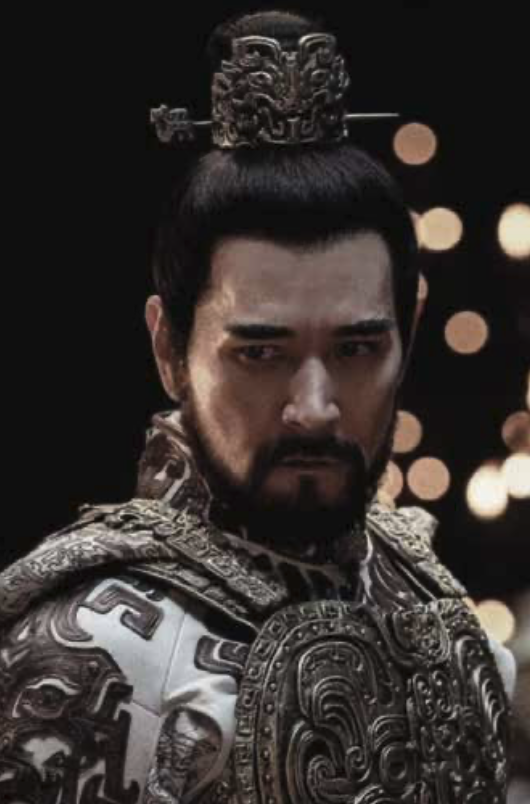
Fei Xiang’s most high-profile return came with Creation of the Gods I: Kingdom of Storms (2023), the first instalment of an ambitious blockbuster trilogy based on the Chinese literary classic Investiture of the Gods.
The project had been in development for nearly a decade. Director Wuershan spent several years refining the script before moving into production. When the script was ready, he sent it to Fei Xiang.
Fei Xiang immediately felt drawn to the story. He expressed interest in participating in the film, even stating that he would accept any role. However, one character stood out to him — Emperor Yin Shou.
Why Fei Xiang Was the Perfect Yin Shou
Director Wuershan had a very specific vision for the character of Yin Shou. In the original text, Yin Shou is described as tall, handsome, physically powerful, and intellectually formidable. He is a ruler who believes in his own superiority and dominates those around him through both strength and rhetoric.
In Wuershan’s eyes, Fei Xiang matched this description perfectly. His physical presence, refined bearing, and ability to project authority made him the ideal choice.
However, not everyone agreed at first.
Overcoming Doubts and Criticism
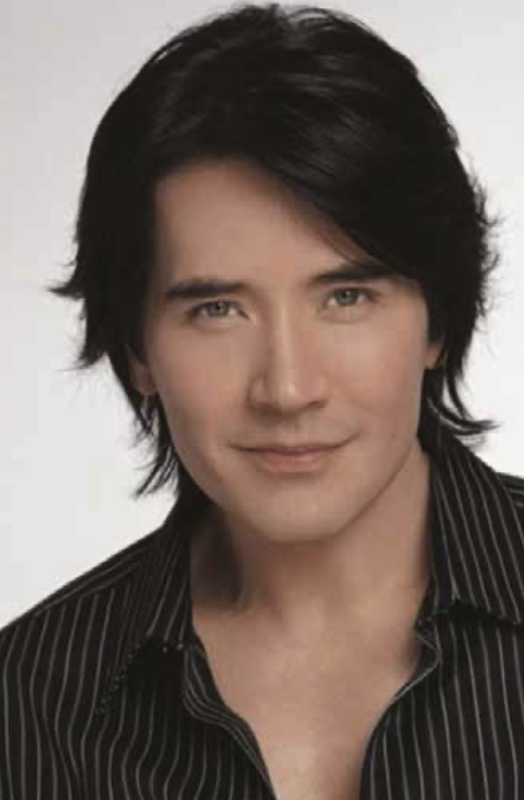
When the casting was announced, some critics questioned the decision. They argued that Fei Xiang appeared too Westernised for a historical Chinese role. Others doubted whether he could deliver the depth required for such a complex antagonist.
Fei Xiang responded in the only way that mattered — through preparation and performance.
During the film’s lengthy production period, which lasted over a year and a half, he committed himself fully to the role. He underwent extensive training in martial arts, equestrian skills, and court etiquette. He worked carefully on posture, movement, and speech to ensure authenticity.
He approached the character not just as a villain, but as a ruler with conviction, ambition, and internal logic.
A Performance That Silenced Critics
When Creation of the Gods I was released, Fei Xiang’s portrayal of Yin Shou drew widespread praise.
He brought a layered quality to the character. At times, Yin Shou appeared charismatic and even seductive. At others, he became ruthless and terrifying. This duality made the character compelling rather than one-dimensional.
One of the most talked-about aspects of his performance was a bathing scene in which he appeared bare-chested. It marked the first time in his long career that he had taken on such a physically revealing scene.
Initially, he resisted the idea. However, after discussions with the director, he agreed — on the condition that the scene would be filmed last. He wanted time to physically prepare and present the character convincingly.
The result spoke for itself. The scene became a highlight, showcasing both his discipline and his willingness to push beyond his comfort zone.
A Box Office and Critical Triumph
Creation of the Gods I: Kingdom of Storms achieved major success upon release. It dominated the Chinese box office for weeks and grossed over RMB2.6 billion domestically.
The film also received strong critical recognition. At the 36th Golden Rooster Awards — often regarded as China’s equivalent of the Oscars — it earned nine nominations and won three awards, including Best Picture.
Fei Xiang’s performance played a key role in the film’s impact. Many viewers saw it as a defining comeback, proving that he remained a powerful presence on screen even decades into his career.
Looking Ahead: The Trilogy Continues
The Creation of the Gods project was always envisioned as a trilogy. The second and third instalments, scheduled for release in subsequent years, will continue the story — and Fei Xiang will reprise his role as Yin Shou.
For audiences, this marks a rare opportunity to see him return to the spotlight in a sustained way. Unlike his earlier career, where he appeared frequently across music and television, his modern appearances remain selective.
This makes each performance feel more significant.
An Artist Who Knows When to Step Back
Interestingly, Fei Xiang took on the role of Yin Shou at a time when he had already begun stepping away from other aspects of his career.
Around 2018, he decided to end his long-running annual concert tours in China. He felt it was the right moment to conclude that chapter while he was still performing at a high level.
He has also not released a new album since Human in 2014. In interviews, he has openly acknowledged that every artistic journey has its limits. Unlike many performers, he has never sought to remain in the spotlight indefinitely.
Personal Life
Despite spending more than three decades in the Chinese entertainment scene — not counting his “lost” decade in Broadway — Fei Xiang has kept his personal life extremely private.
He does share glimpses of his daily life on social media, but little is publicly known about his relationships. He has never married. Over the years, he has had only one publicly known relationship: with fellow superstar Sally Yeh.
Fei Xiang and Sally Yeh
The two met at the start of their careers and connected quickly. They shared many things in common, including childhood experiences spent partly overseas.
However, Fei Xiang’s mother strongly disapproved of the relationship. She felt they were not compatible. Every time the couple went out together, his mother became angry, and this upset Yeh.
Rumours also suggested that Fei Xiang’s mother wanted him to pursue Taiwanese screen sweetheart Brigitte Lin instead. Fei Xiang, however, never made a move.
Eventually, the pressure became too much. His mother’s disapproval created friction between the couple, and they broke up after some time.
Yeh later shifted her base to Hong Kong, where she became a major star. The two gradually drifted apart. Even so, they left a lasting mark on each other. Fei Xiang never married, while Yeh later said that Fei Xiang was one of only three men she had ever loved.
The Evergreen Idol Returns
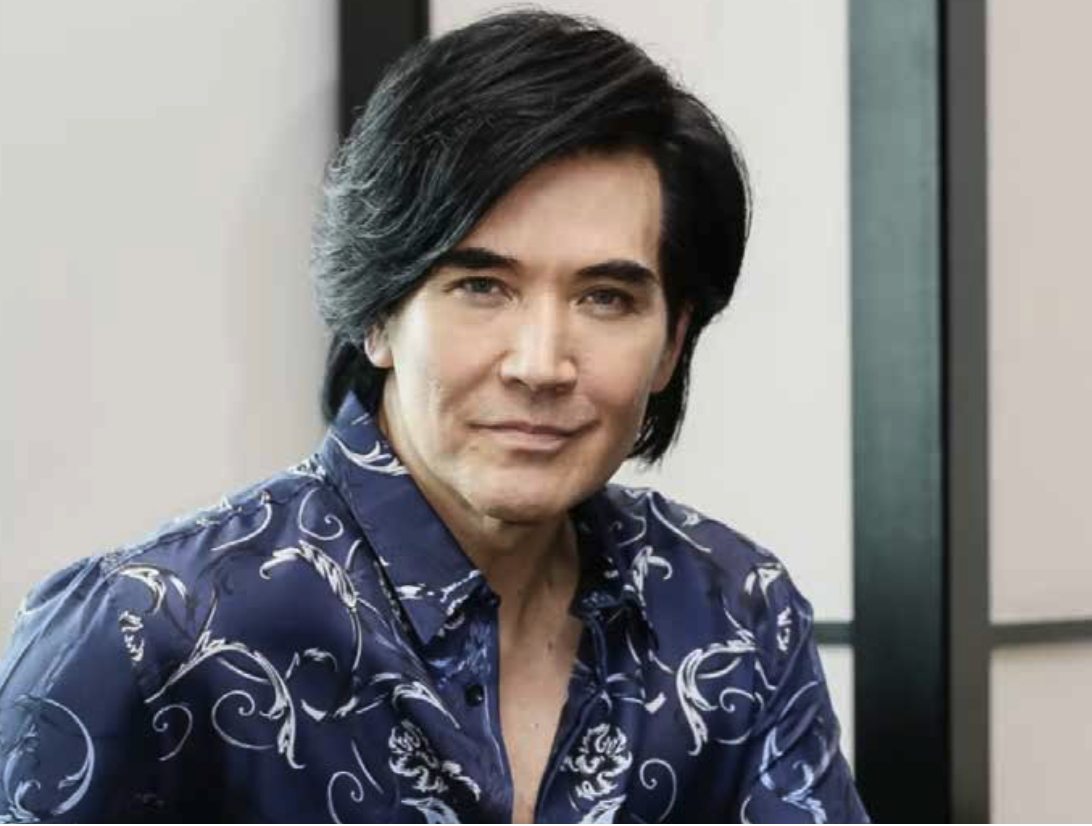
Fei Xiang will reprise his role as Yin Shou in Creation of the Gods Parts 2 and 3. The trilogy was filmed back-to-back, much like The Lord of the Rings trilogy and the Avatar sequels.
This marks a rare period where audiences can see Fei Xiang frequently in the public eye again. For an artist who has become increasingly selective, that makes the trilogy even more special.
Stepping Away on His Own Terms
Interestingly, when Fei Xiang accepted the role of Yin Shou in 2018, he had also decided to stop his annual concert tours in China for good. He had been doing these tours since 1998.
He later explained his decision with characteristic honesty. At the time, his voice was still fine, and he still looked presentable on stage. But he knew he could not continue forever. He felt it was better to end that chapter on a good note.
Fei Xiang has also not released an album since Human in 2014. A new album may never come. As he once admitted, he felt that he had already done what he could for Chinese pop music. He understood that this kind of artistic journey has a time limit, even if many artists do not like to admit it.
A Superstar Who Refuses to Overstay
Away from work, Fei Xiang spends most of his time at his home in London with his pet cats.
He does not seem eager to remain in the public eye beyond his time. Yet, he still carries the aura of a superstar from a bygone era — one who continues to shine brightly without overstaying his welcome.
So, savour the chance to see Fei Xiang at his glorious best on the big screen while you can. Opportunities like this do not come often.








Leave A Comment