

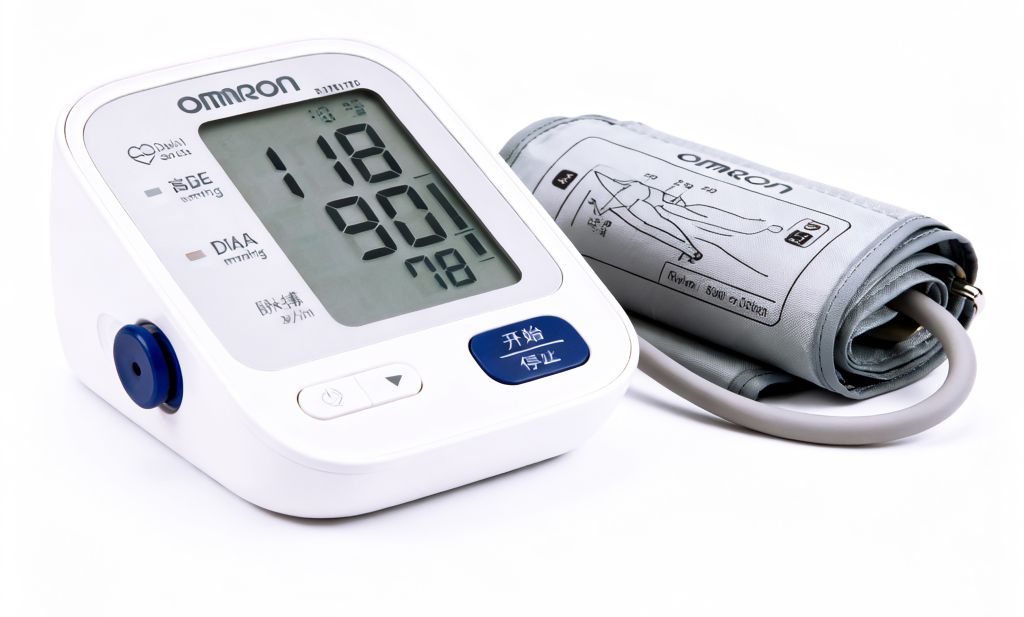
Blood Pressure device
Study Finds Overexposure to Light at Night Raises CVD Risk
Exposure to light at night may significantly increase the risk of cardiovascular disease (CVD), especially in adults over the age of 50. A large international cohort study suggests that reducing light exposure at night could help lower cardiovascular risk.
Researchers analysed data from 88,905 adults with an average age of 62.4 years. Women made up 56.9% of the study population. The participants came from the UK Biobank, a long-term health database that enrolled around 502,000 people between 2006 and 2010.
As part of the study, 103,669 participants wore light-tracking devices on their dominant wrist for one week between 2013 and 2016. The researchers followed cardiovascular outcomes through November 2022.
Measuring Night-Time Light Exposure
The wrist sensors recorded more than 13 million hours of light exposure. Researchers divided the data into four exposure groups, ranging from the lowest 50% to the highest 10% of night-time light exposure.
They also tracked over 700,000 person-years of follow-up data. The team adjusted their analysis for many known cardiovascular risk factors. These included physical activity, smoking, alcohol intake, diet, sleep duration, diabetes, socioeconomic status, genetic risk, ethnicity, and shift work.
Higher Light Exposure, Higher Heart Risk
Participants who experienced the brightest nights showed a significantly higher risk of developing several cardiovascular conditions. Compared with those in the lowest exposure group, individuals in the highest exposure group faced a 32% higher risk of coronary artery disease.
The risk of heart attack rose by 47%, while the risk of heart failure increased by 56%. The study also linked bright night-time light exposure to a 32% higher risk of atrial fibrillation and a 28% higher risk of stroke.
These findings align with earlier laboratory research. Previous experiments show that light can directly affect the body’s internal clock, even without disrupting sleep. Circadian changes may alter hormone release and metabolic processes that influence heart health.
Stronger Effects in Women and Younger Participants
The researchers observed stronger links between night-time light exposure and heart failure in women. Women also showed higher risks of coronary artery disease linked to night light exposure.
Among the younger participants in the study, brighter nights correlated more strongly with heart failure and atrial fibrillation. These results mirror earlier research showing that circadian disruption, such as shift work, increases heart failure risk more in women than in men.
Heart made of glass
Why This Study Stands Out
Most previous studies relied on satellite data to estimate night-time light exposure. Satellite images cannot accurately measure how much light reaches individuals indoors.
This study used personal light sensors, allowing researchers to assess light exposure at the individual level. The team confirmed that the increased cardiovascular risk remained even after accounting for sleep duration, sleep quality, physical activity, chronotype, and seasonal daylight changes.
These results suggest that night-time light exposure itself may raise cardiovascular risk, rather than acting only through poor sleep.
Possible Biological Explanations
Scientists still need to determine exactly how night-time light increases cardiovascular risk. One possible explanation involves melatonin, a hormone that regulates sleep and circadian rhythms.
Light exposure near bedtime can delay and suppress melatonin release. This disruption may affect blood pressure, glucose control, inflammation, and other processes linked to heart disease.
Conclusion
This large-scale study adds strong evidence that excessive exposure to light at night increases the risk of cardiovascular disease, especially in older adults. The findings suggest that reducing night-time light exposure may offer a simple and practical way to protect heart health.
While more research is needed to identify the most critical periods for intervention, limiting artificial light at night could become an important strategy for lowering long-term cardiovascular risk. PRIME
Author

You Might Also Like:
 Scientists Reveal Breakthrough Blood Pressure Treatment That Works When Others Fail
 Bone Up On Bone Health!
 Potassium Power: The Vital Mineral Your Heart and Muscles Can’t Live Without
 Study Finds Turning Point When The Body Starts Ageing Rapidly
 Our New Year’s Resolution: A Better Vision by Dr Khor Wei Boon
Leave A Comment