

Orthopaedic Health Series
Ageing Spine Understanding Lumbar Spondylosis Effects
by Dr Fong Poh Ling
Part of the Muscle, Bone & Mobility Health Series
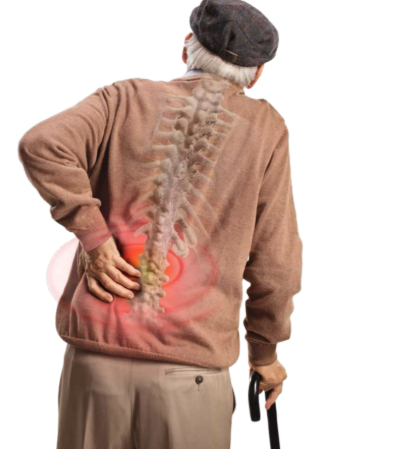
Man holding his lower back in pain.
Ageing in Singapore: Why It Matters
Growing older is a natural part of life. In Singapore, the population is ageing quickly. As of 2023, 17.3% of people are over 65, and fewer younger people are available to provide support.
This makes it even more important to stay healthy and age well.
How Ageing Affects the Body
As we age, our bodies go through many physical changes. Years of stress and strain affect our joints, ligaments, and muscles.
- Joint cartilage wears down
- Ligaments lose flexibility
- Muscles lose strength and size
These changes can lead to:
- Stiffness and joint clicking
- Reduced flexibility
- Lower endurance
- Fatigue and pain
Many people also find it harder to stay active for long periods.
What Is Lumbar Spondylosis?
Lower back pain is common in older adults. One major cause is lumbar spondylosis, which refers to age-related wear and tear of the lower spine.
Other causes of back pain include poor posture or spinal alignment.
Warning Signs That Need Attention
Some symptoms may point to more serious problems:
- Persistent or worsening pain
- Pain that affects sleep
- Weight loss, fever, or loss of appetite
- Numbness, weakness, or tingling
- Bladder or bowel problems
- Pain after an injury
If you notice these signs, seek medical advice early.

What Happens in the Ageing Spine?
Lumbar spondylosis affects different parts of the spine, including:
- Vertebrae (bones)
- Intervertebral discs
- Ligaments
- Muscles
Disc Degeneration
Disc changes can begin early in life. Over time:
- Discs lose nutrients due to reduced blood supply
- The disc structure weakens
- Cushioning between bones decreases
This shifts pressure to other parts of the spine and increases stress on joints.
Joint and Bone Changes
As stress increases:
- Joints wear down
- Bone spurs may form
- The spine becomes less stable
This can create a cycle of ongoing damage and pain. In some cases, discs may tear or slip (prolapse).
Ligament and Spinal Canal Changes
Ligaments become thicker and less flexible. This can:
- Reduce spinal stability
- Narrow the spinal canal
- Lead to nerve compression
Facet joints may also become inflamed, unstable, and enlarged.
Muscle and Bone Loss
From the 40s onward:
- Bone density decreases
- Muscle mass declines
In severe cases, this leads to osteoporosis or sarcopenia.

Osteoporosis: Weakening of the Bones
Osteoporosis causes bones to lose density and strength, increasing fracture risk.
Common signs include:
- Back pain
- Stooped posture
- Fractures from minor falls
Causes
- Age-related bone loss
- Menopause
- Medical conditions or long-term steroid use
Management
Treatment helps reduce fracture risk and may include:
- Calcium and vitamin D
- Weight-bearing exercise
- Medication when needed

Sarcopenia: Loss of Muscle Strength
Sarcopenia refers to the loss of muscle mass and function with age.
This condition is becoming more common worldwide.
Why It Matters
Sarcopenia can lead to:
- Higher risk of falls
- Disability
- Poor recovery after surgery
In Singapore, studies show that many adults already have low muscle mass—even before old age.
How to Manage Sarcopenia
Early action makes a big difference.
Focus on:
Nutrition
- Adequate protein intake
- Vitamin D support
Exercise
- Resistance training
- At least 2 sessions per week

Conclusion: Age Well with Early Action
Ageing affects the spine, but you can manage its impact.
Recognising early signs of conditions like lumbar spondylosis, osteoporosis, and sarcopenia allows for timely treatment.
Stay active, eat well, and seek medical advice when needed. These steps can help you maintain mobility and quality of life as you age. PRIME
Author

You Might Also Like:
 Bone Up On Bone Health!
 Staying Healthy Beyond Our Prime: Why Early Habits Shape Lifelong Well-being
 Guts & Glory by Dr Melvin Look
 Communities of Care for Chronic Conditions by Tan Tock Seng Hospital and its Partners by Adj Asst Prof Jerome Goh
 Understanding Osteoporosis and the Power of Exercise by Ms. Tay Ming Yi

Leave A Comment