

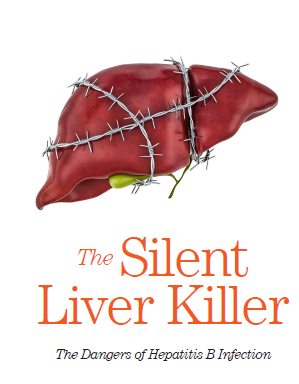
 Mr L, a patient in his late forties, came to my clinic one day looking anxious. He requested a liver check-up. As I do with all my patients, I explored his concerns and tried to reassure him.
He shared that his father had recently been admitted to hospital after vomiting blood. Doctors diagnosed his father with liver cirrhosis (liver hardening) and liver cancer.
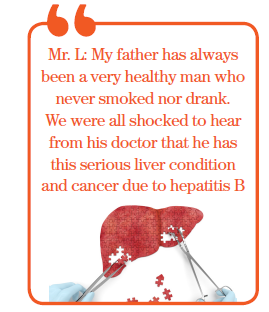
“My father has always been very healthy. He never smoked or drank,” Mr L said. “We were shocked to learn that hepatitis B caused his liver disease and cancer.”
As I listened, I reflected that earlier diagnosis, and treatment could have reduced his father’s risk of severe liver damage. However, sharing this at that moment would not have helped Mr L. Instead, I reassured him and affirmed his decision to come in early for a liver check.
I also explained common liver conditions, with a focus on hepatitis B infection and how long-term liver injury can lead to cirrhosis.
Why Hepatitis B Is Called a Silent Killer
Hepatitis B often causes no symptoms in its early stages. Many people feel completely well until significant liver damage has already occurred. For this reason, doctors often refer to it as a “silent killer”.
The hepatitis B virus causes the infection. In most cases, it becomes chronic, meaning it lasts longer than six months and may be lifelong. Chronic hepatitis B increases the risk of liver cirrhosis, liver failure, and liver cancer.
Worldwide, more than 300 million people live with chronic hepatitis B. In Singapore, about 3.6% of the population — around 180,000 people — carry the virus.
A simple blood test can detect hepatitis B. However, many people remain undiagnosed because they have no symptoms. Singapore currently does not have a nationwide screening programme for hepatitis B.
Some patients learn about their condition during routine health screenings. Others receive a diagnosis only after symptoms appear. These may include jaundice (yellowing of the skin or eyes), abdominal pain, fluid retention, or internal bleeding.

Abdominal pain can be a warning sign — get it checked early.
How Hepatitis B Spreads
Hepatitis B spreads through blood and certain body fluids. Infection can occur through contact with infected blood or through sexual contact.
In some families, multiple members may have hepatitis B. This often happens because an infected mother can pass the virus to her baby during childbirth. Transmission can also occur between partners.
However, everyday contact does not spread hepatitis B. People do not get infected by sharing food, hugging, shaking hands, or breathing the same air.
Treatment Options for Hepatitis B
Not everyone with hepatitis B needs medication. Many people have an inactive form of the infection. They only require regular follow-up, blood tests, and ultrasound scans to monitor liver health.
For patients with active disease that damages the liver, oral medications can effectively suppress the virus. These treatments help protect the liver and reduce the risk of complications. Most patients tolerate these medications well, and side effects are uncommon.
People without hepatitis B can protect themselves through vaccination. Three doses of the hepatitis B vaccine usually provide lifelong immunity.
Singapore introduced universal hepatitis B vaccination for newborns in 1987. Since then, infection rates among younger people have dropped significantly.
Mr L’s Liver Health Assessment
When I examined Mr L, he appeared generally well. He had a higher body weight than recommended for his height.
His blood tests showed that he did not have hepatitis B. He later completed three doses of the hepatitis B vaccine to protect himself.
However, his ultrasound scan revealed fatty liver disease. Blood tests also showed high cholesterol levels. These findings were linked to excess body weight and low physical activity.
The good news was that his liver showed no scarring. With timely action, his condition was reversible.
Understanding Fatty Liver Disease
“Fatty liver is common in Singapore and across Asia,” I explained to Mr L. “It affects about 10% to 30% of adults.”
Fatty liver disease often results from modern lifestyle habits. Risk factors include diets high in sugar and fat, physical inactivity, diabetes, high blood pressure, and high cholesterol.
Treating Fatty Liver Through Lifestyle Changes
I explained that lifestyle changes form the foundation of fatty liver treatment. These include:
-
Limiting alcohol intake
-
Eating a balanced, nutritious diet
-
Exercising regularly
These steps improve liver health in many people. Medications may help if lifestyle changes are not effective or practical.
Mr L chose to focus on lifestyle changes alone. He exercised five times a week and reduced his sugar intake. Over nine months, he lost nearly seven kilograms.
Follow-Up and Outcomes
Nine months later, Mr L returned for a follow-up liver check. His scan showed marked improvement. His liver was healthy, and the fatty liver condition was well controlled.
He also shared an update about his father. Antiviral treatment stabilised his father’s liver failure, and doctors brought the liver cancer under control. His father is now on the waiting list for a liver transplant.
Prevention Is Better Than Cure
The saying “prevention is better than cure” remains as relevant today as ever. Regular health checks allow doctors to detect silent conditions early, when treatment is simpler and more effective.
A health screening may take several hours, but it can prevent years of illness. Investing time in preventive care is one of the most important steps we can take to protect our long-term health. PRIME
Author

You Might Also Like:
 Safe Mode: Managing Hepatitis B during Immunosuppression from Steroids and Cancer Treatment by Dr Christopher Kong
 5 Ways to Protect Your Liver
 What is viral hepatitis?
 The Unfiltered Truth by Dr Wong Jen San
 Stop the Cirrhosis Tsunami! Everything You Need to Know about Liver Cirrhosis by Dr Robert Lo
Leave A Comment