

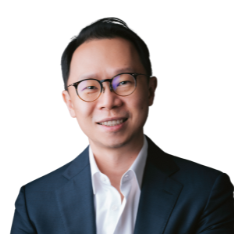
Dr Poh Keng Soon is a fellowship-trained shoulder surgeon in Singapore with extensive expertise in diagnosing and treating shoulder and elbow conditions. As a senior orthopaedic surgeon, he manages sports injuries, tendon disorders, fractures, arthritis and degenerative joint conditions using both non-surgical treatments and advanced surgical techniques, including arthroscopic (keyhole) surgery and shoulder replacement.
Dr Poh completed his specialist orthopaedic training in Singapore before undertaking advanced fellowship training in Melbourne, Australia. As a result, he combines evidence-based care with modern surgical techniques to help patients relieve pain, restore function and return to their daily activities. He also believes in helping patients understand their diagnosis and treatment options so they can make informed decisions about their care.
About the Doctor
Dr Poh specialises in diagnosing and treating conditions affecting the shoulder and elbow. These include common sports injuries as well as more complex degenerative disorders. For example, he manages rotator cuff tears, shoulder instability, recurrent shoulder dislocations, frozen shoulder, tendon injuries, arthritis and fractures involving the shoulder and elbow.
His approach focuses on selecting the most appropriate treatment for each patient. Whenever possible, he recommends non-surgical treatment before considering surgery. However, when an operation is needed, he performs arthroscopic (keyhole) procedures and advanced shoulder replacement surgery where appropriate. The aim is to restore movement, relieve pain and help patients return to the activities they enjoy.
Before entering private practice, Dr Poh served as a Consultant in the Department of Orthopaedic Surgery at the National University Hospital and Alexandra Hospital. In addition, he continues to contribute to public healthcare as a Visiting Consultant at the National University Hospital. He also remains actively involved in the education and training of future orthopaedic surgeons.
Qualifications & Training
Dr Poh completed his medical degree before pursuing specialist training in Orthopaedic Surgery. He subsequently completed fellowship training in shoulder, elbow and sports surgery in Melbourne, Australia.
His qualifications include:
- Doctor of Medicine (MD), Universiti Kebangsaan Malaysia
- Member, Royal College of Surgeons of Edinburgh (MRCS)
- Master of Medicine (Orthopaedic Surgery), National University of Singapore
- Fellow, Royal College of Surgeons of Edinburgh (Orthopaedic Surgery)
- Ministry of Health Human Manpower Development Plan (HMDP) Fellowship in Sports, Shoulder and Elbow Surgery, Melbourne, Australia
Clinical Interests & Areas of Expertise
Dr Poh manages a broad range of shoulder and elbow conditions. These include:
- Shoulder pain
- Rotator cuff tears
- Frozen shoulder
- Shoulder instability and recurrent dislocations
- Shoulder arthritis
- Sports injuries
- Elbow disorders
- Tendon injuries
- Shoulder and upper limb fractures
- Arthroscopic (keyhole) shoulder surgery
- Shoulder replacement surgery
Whenever appropriate, he incorporates evidence-based treatment strategies and modern surgical techniques to support recovery and improve long-term function.
Professional Contributions
Dr Poh continues to contribute to medical education and specialist training. In addition, he serves as an Adjunct Assistant Professor at the NUS Yong Loo Lin School of Medicine and as a Visiting Consultant at the National University Hospital.
Furthermore, his fellowship training in Australia strengthened his expertise in shoulder and elbow surgery, particularly in the management of sports injuries and complex reconstructive procedures.
Clinical Approach
Dr Poh believes that successful orthopaedic care begins with an accurate diagnosis and a personalised treatment plan. Therefore, he takes time to understand each patient's symptoms, lifestyle and treatment goals before recommending treatment.
In addition, his practice includes both non-surgical and surgical management of shoulder and elbow conditions. Whenever appropriate, he recommends conservative treatment first. However, when surgery is required, he uses minimally invasive arthroscopic techniques whenever suitable, together with advanced shoulder replacement procedures for patients with severe joint damage or arthritis. Throughout treatment, he places strong emphasis on patient education, shared decision-making and rehabilitation to support recovery and long-term outcomes.