

Reach for these nutrient-rich foods to strengthen your lungs and protect your airways. With the right choices, you can support easier breathing and keep your body well-oxygenated.
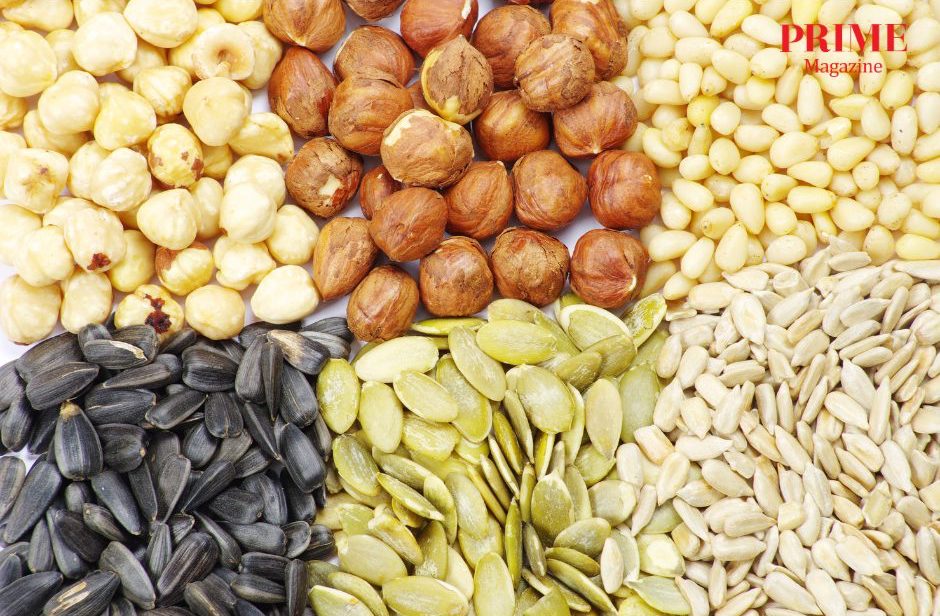
Seeds, Nuts and Beans
Seeds, nuts and beans offer a powerful mix of minerals and antioxidants. To begin with, many beans contain magnesium, a mineral that helps the airways stay relaxed and supports healthy lung function. People with asthma often benefit from higher magnesium intake. In addition, these foods provide selenium and other antioxidants that limit free-radical damage and protect delicate lung tissue.
Grapefruit

Grapefruit may taste slightly bitter, yet it delivers impressive lung-supporting benefits. Its flavonoids help the body process harmful substances, including some carcinogens. Moreover, several studies suggest that regular grapefruit consumption may improve lung function in people with chronic obstructive pulmonary disease (COPD). One study even reported that COPD patients who ate grapefruit frequently achieved better lung capacity and higher fitness scores.
Oranges

Oranges are excellent for lung health. They supply vitamin C, vitamin B6 and iron, which work together to help the lungs transfer oxygen into the bloodstream more effectively. Additionally, their rich vitamin C content enhances immune strength and shields cells from oxidative stress.
Spinach
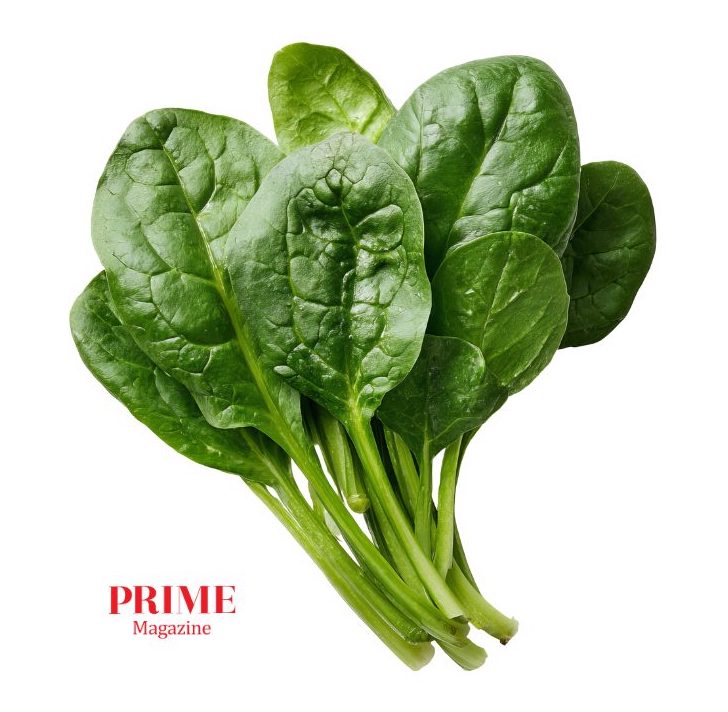
Spinach supports lung health in several ways. Smoking and frequent alcohol intake can reduce folate levels, increasing the risk of lung problems and anaemia. Fortunately, spinach is packed with folate, a B vitamin that helps the body protect cells from carcinogens in tobacco smoke. Research shows that former smokers with adequate folate intake lowered their lung-cancer risk by nearly 40%.
Onions

Onions contain sulphur-rich compounds that may improve symptoms of chronic coughing and asthma. These compounds help break down mucus, allowing the airways to clear more easily. Furthermore, onions offer antioxidants that strengthen the immune system and support respiratory health.
Garlic
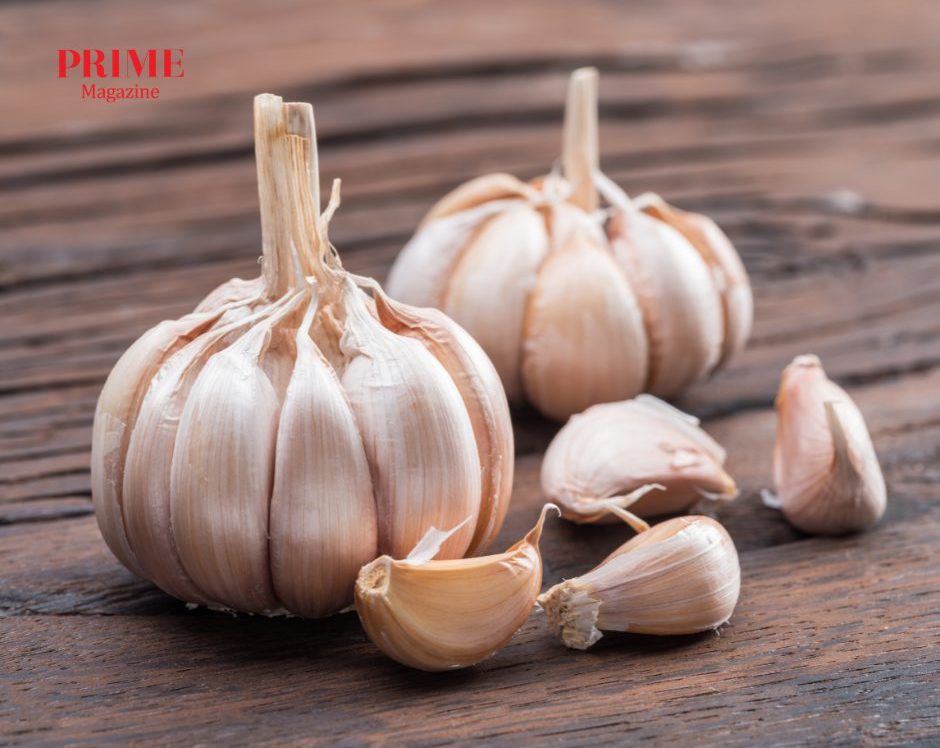
Garlic has strong anti-inflammatory and antimicrobial properties. When garlic is crushed or chopped, it releases allicin—a compound that may reduce airway inflammation, fight infections and support people with asthma. Additionally, garlic contains antioxidants that neutralise harmful free radicals.
Sage
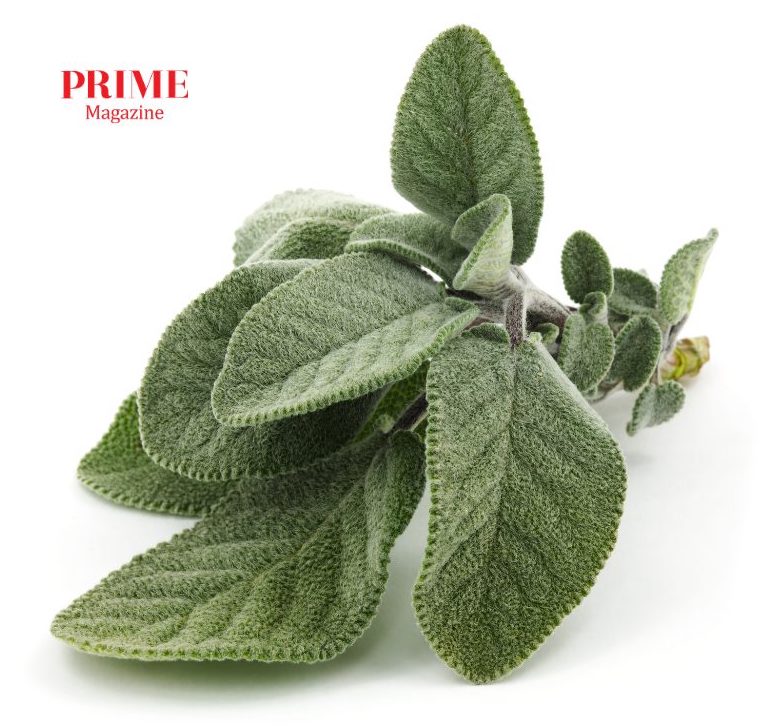
#Sage
Sage is known for its aromatic essential oils, including thujone, camphor and terpenes. People traditionally inhale sage tea vapour to soothe sore throats, coughs and sinus congestion. While research is still emerging, these compounds may offer mild respiratory relief.
Eucalyptus

#Eucalyptus
Eucalyptus is widely used in cough drops and syrups. It contains cineole, a natural compound that loosens congestion, reduces coughing and eases irritated sinus passages. Therefore, when you feel congested, a eucalyptus lozenge may provide quick comfort
Peppers

#Peppers
Peppers are rich in capsaicin, the compound responsible for their heat. Capsaicin boosts blood flow supports mucus movement and helps protect the lungs from infections. If your nose feels stuffed or you’re dealing with stubborn mucus, adding cayenne pepper to your food may help clear the congestion.
Peppermint
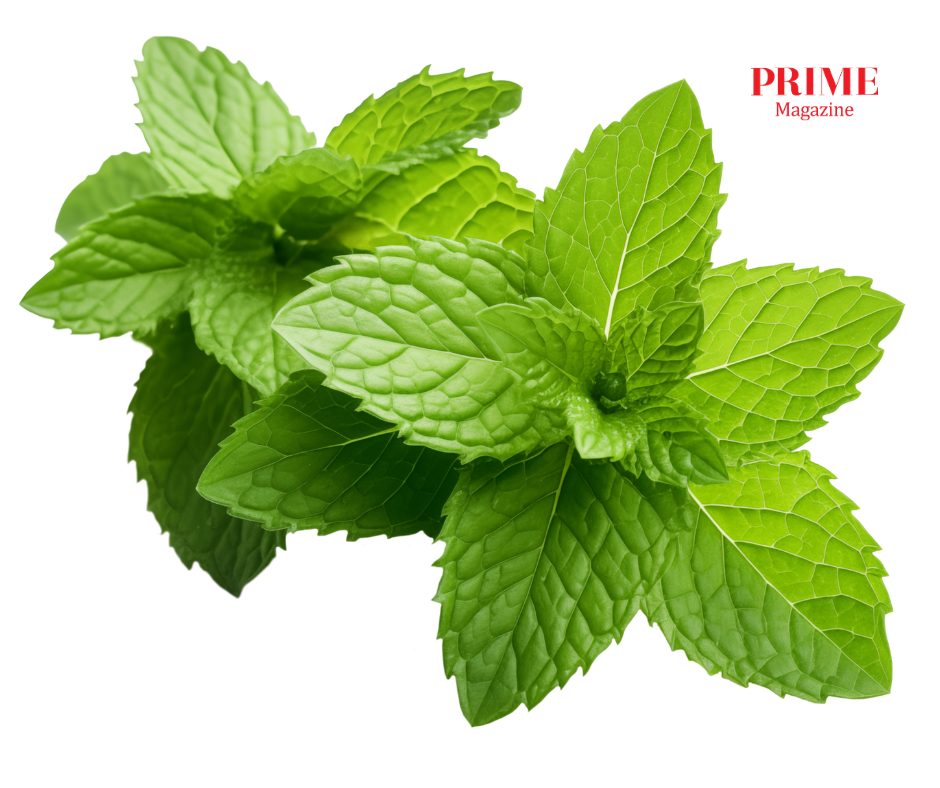
#Peppermint
Peppermint is a natural decongestant thanks to menthol, which relaxes the muscles in the respiratory tract. As a result, peppermint tea can promote freer breathing and help reduce nasal blockage.
Cranberries
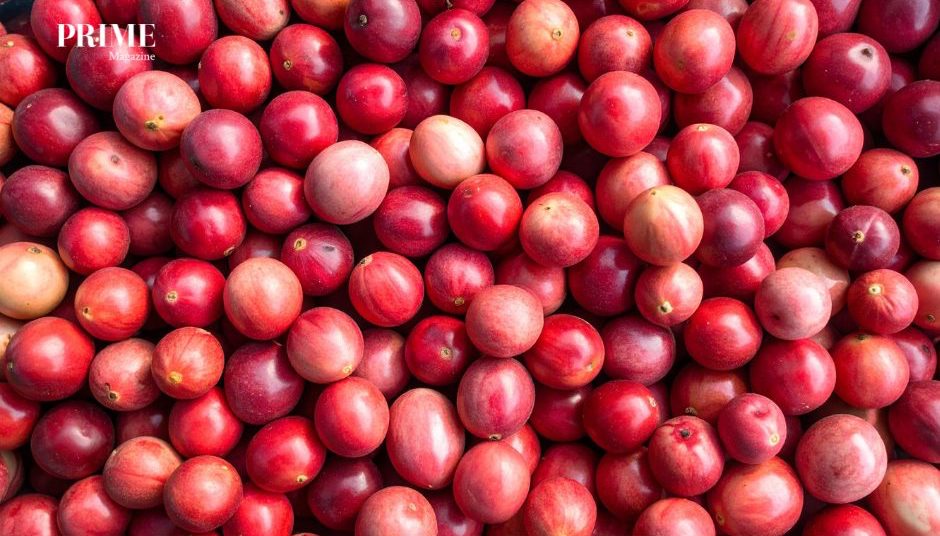
Fresh cranberries
Cranberries are loaded with antioxidants, vitamins and nondialyzable material (NDM)—a compound that may help fight influenza and certain viruses affecting the lungs. Because of this, cranberries are a helpful addition to a lung-protective diet.
Apples

Apples offer several compounds that support lung health. They contain vitamin C, vitamin E and flavonoids that guard the lungs against oxidative damage. Apples also provide quercetin, a natural antihistamine that may reduce allergy-related symptoms such as coughing, runny nose and hives. To maximise these benefits, eat apples with the skin on.
Cruciferous Vegetables
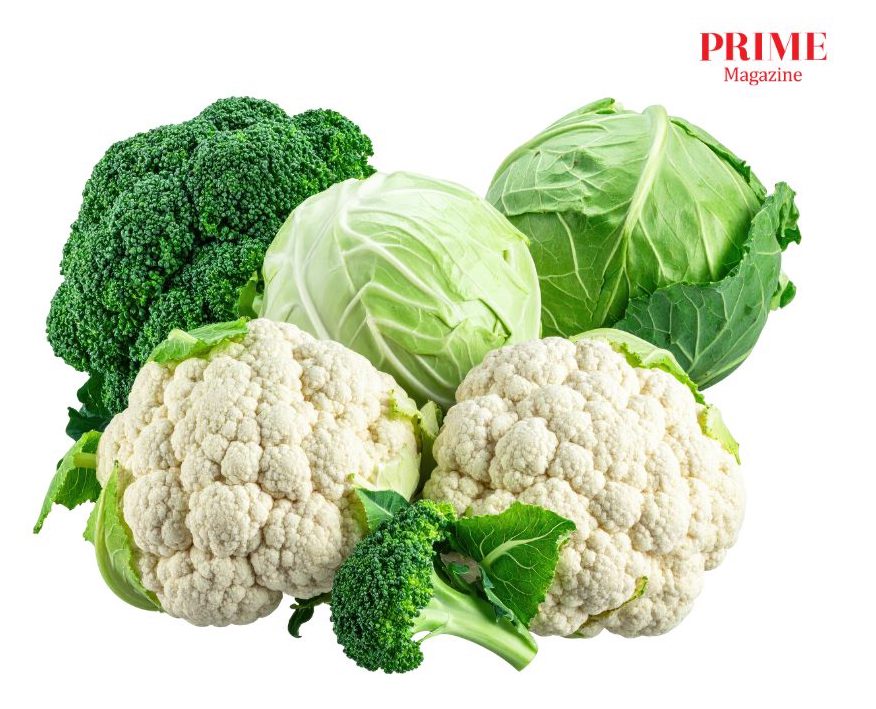
Cauliflower
Cruciferous vegetables—such as broccoli, cauliflower, cabbage and kale—are rich in chlorophyll and antioxidants. Studies show that people who consume more of these vegetables may have a lower risk of lung cancer. Consequently, adding them to your meals offers both lung and overall health benefits.
Carrots

Carrots contain beta-carotene, an antioxidant that protects lung tissue from pollution and cigarette smoke. Your body converts beta-carotene into vitamin A, which supports immune function and may reduce asthma risk. Carrots also provide vitamin C and lycopene, both of which promote healthier lungs.
Conclusion
Keeping your lungs healthy begins with daily food choices. By filling your diet with citrus fruits, leafy greens, herbs, colourful vegetables and antioxidant-rich produce, you can strengthen your lungs, reduce inflammation and support easier breathing. Although no single food can prevent disease, a nutrient-dense diet helps your lungs stay resilient against pollution, infections and ageing.
Key Takeaway
Choose a wide variety of whole foods—especially those rich in antioxidants and lung-supporting nutrients—to give your lungs the everyday boost they need to perform at their best. PRIME