

“I decided long ago
Never to walk in anyone’s shadow
If I fail, or if I succeed
At least I lived as I believe.”
These powerful lyrics from Greatest Love of All have resonated with generations. They speak to something deeply human — the desire to live authentically and to honour one’s own values, even in the face of uncertainty.
The greatest love of all begins with learning to honour who you truly are.
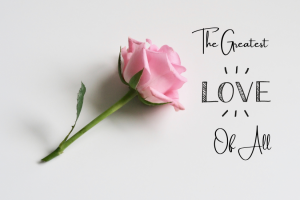
Originally recorded by George Benson for the 1977 biographical film The Greatest, the song gained worldwide recognition after Whitney Houston’s iconic 1985 rendition. Her version transformed the song into an enduring anthem of self-belief, courage, and inner strength.
Choosing Not to Live in Someone Else’s Shadow
At the heart of the song lies a clear decision: not to live in anyone else’s shadow. This idea challenges a common human tendency — comparing ourselves to others or measuring success by external standards.
From a young age, many people are taught to follow predefined paths. These paths may be shaped by family expectations, social norms, or cultural pressures. While guidance can be helpful, problems arise when individuals abandon their own beliefs to fit someone else’s mould.
The lyrics remind us that success is not defined by imitation. True fulfilment comes from choosing a path that reflects who we are, not who we are expected to be.
The Courage to Believe in Yourself
“If I fail, or if I succeed, at least I lived as I believe” captures a powerful truth. Living authentically requires courage. It means accepting that failure is possible and recognising that success is never guaranteed.
Yet, failure does not diminish worth. In many cases, it deepens self-understanding. When individuals act in alignment with their values, setbacks become lessons rather than sources of shame.
Self-belief is not arrogance. It is the quiet confidence that allows people to keep moving forward, even when outcomes are uncertain. This belief forms the foundation for resilience, growth, and emotional strength.

Choosing Not to Live in Someone Else’s Shadow
The Cost of Not Being True to Yourself
When people suppress their true thoughts and emotions, the effects can be profound. Over time, living out of alignment with one’s values may create a sense of emptiness or dissatisfaction.
This internal conflict often manifests emotionally. Anxiety, restlessness, or persistent unhappiness may arise when individuals feel disconnected from their authentic selves. In some cases, emotional suppression can also affect physical well-being.
Personal growth becomes difficult under these conditions. Without honesty toward oneself, self-discovery stalls. Dreams may be abandoned, and passions ignored, leading to a life that feels constrained rather than meaningful.
Loving Yourself as the Foundation of Loving Others
The song’s central message is often misunderstood as self-centred. In reality, it presents self-love as the foundation of meaningful relationships.
When people honour their own values and emotions, they develop greater empathy and compassion for others. Authentic self-acceptance allows individuals to connect more deeply, without fear or pretence.
Loving oneself does not mean rejecting others. It means showing up fully and honestly. From this place of wholeness, love becomes generous rather than dependent.
Love as a Universal Value
Greatest Love of All ultimately reminds us that love is universal. It begins within, but it does not end there.
By embracing self-awareness and authenticity, individuals align themselves with higher values. They make choices rooted in integrity rather than fear. This alignment brings clarity, peace, and a deeper sense of purpose.
In learning to love ourselves honestly, we create space to love others more fully. This, perhaps, is the greatest love of all — a love that honours truth, courage, and the freedom to live as we believe. PRIME







Leave A Comment