Oral & Dental Health
Protecting your teeth and gums, maintaining oral function and supporting a healthy smile throughout life.
1. Introduction
Oral and dental health is an important part of overall health and wellbeing. It involves maintaining healthy teeth, gums, tongue and other tissues within the mouth, while supporting essential functions such as eating, speaking and swallowing.
Common oral health conditions include tooth decay, gum disease, tooth sensitivity, dry mouth and oral infections. Some problems develop gradually and may cause few symptoms in their early stages.
As we grow older, changes in oral health may be influenced by gum disease, previous dental treatment, medication use, chronic medical conditions and difficulties maintaining oral hygiene.
However, tooth loss and severe dental problems are not inevitable consequences of ageing.
Understanding oral health, practising good daily hygiene and attending appropriate dental assessments can help preserve natural teeth, maintain oral function and support quality of life.
2. Why It Matters
Healthy teeth and gums contribute to comfortable eating, clear speech, social confidence and adequate nutrition.
Untreated dental problems can cause pain, infection, difficulty chewing and, in some cases, tooth loss. These problems may affect food choices and nutritional intake, particularly among older adults.
Oral health is also connected with general health.
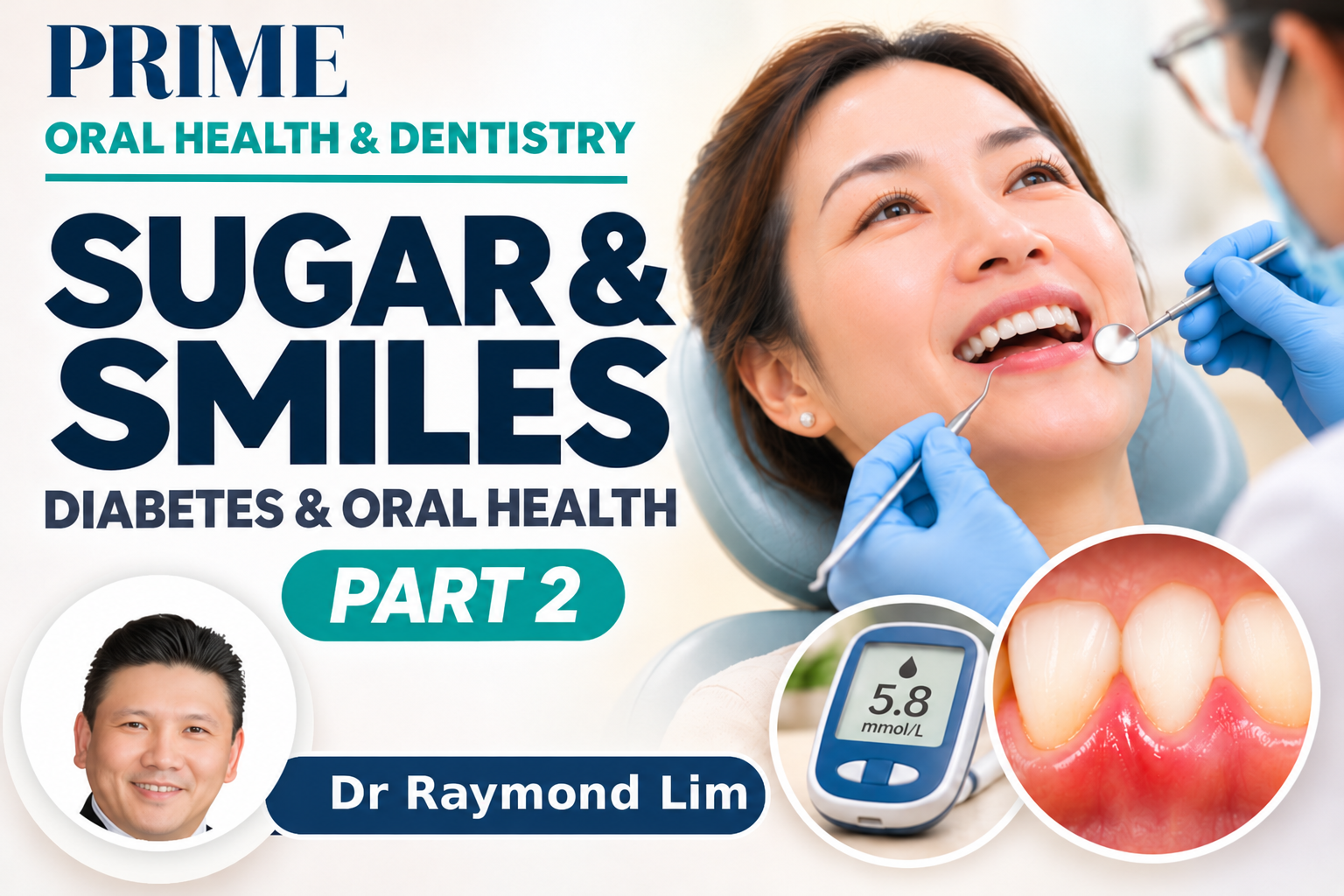
For example, diabetes and periodontal disease have a two-way relationship. Poorly controlled diabetes can increase the risk and severity of gum disease, while periodontal inflammation may make blood glucose management more difficult.
Certain medications can reduce saliva production, increasing the risk of tooth decay, oral discomfort and infections.
For adults aged 40 and above, maintaining oral health is particularly important because the effects of gum disease, tooth wear and previous dental problems may accumulate over time.
Regular dental care and early attention to symptoms can help prevent avoidable complications and maintain oral function.
3. Common Conditions
Tooth Decay (Dental Caries)
Tooth decay occurs when acids produced by bacteria in dental plaque damage the hard surfaces of teeth. It may cause cavities, sensitivity or pain, although early decay can be symptom-free. Untreated decay can progress to infection and tooth loss.
Gum Disease (Gingivitis and Periodontitis)
Gingivitis is inflammation of the gums, often associated with dental plaque. Symptoms may include redness, swelling and bleeding during brushing. Periodontitis is a more advanced condition involving damage to the tissues and bone supporting the teeth. Without appropriate treatment, it can lead to loose teeth and tooth loss.
Dry Mouth (Xerostomia)
Dry mouth occurs when the mouth feels insufficiently moist, often because of reduced saliva production. It may be associated with certain medications, medical conditions or treatments. Saliva helps protect teeth and oral tissues, so persistent dry mouth can increase the risk of cavities, oral infections and difficulty swallowing.
Tooth Sensitivity and Tooth Wear
Tooth sensitivity may cause discomfort when consuming hot, cold, sweet or acidic foods and drinks. It can result from exposed dentine, gum recession, tooth decay or other dental problems. Tooth wear may occur through grinding, erosion from acids or mechanical abrasion.
Oral Infections
Oral infections may affect the teeth, gums or soft tissues of the mouth. Examples include dental abscesses and oral thrush, a fungal infection caused by Candida species. Symptoms vary but may include pain, swelling, white patches or difficulty eating.
Oral Cancer
Oral cancer can affect the lips, tongue, gums, floor of the mouth and other oral tissues. Risk factors include tobacco use, alcohol consumption and, for some cancers in the wider oropharyngeal region, human papillomavirus (HPV) infection. Warning signs may include a persistent mouth ulcer, unexplained lump or red or white patch that does not resolve.
4. Signs & Symptoms
Oral and dental conditions may cause discomfort, visible changes or difficulties with everyday activities.
Common signs include:
- Bleeding gums during brushing or flossing.
- Persistent bad breath.
- Red, swollen or tender gums.
- Toothache or sensitivity.
- Loose teeth or changes in how teeth fit together.
- Gum recession or teeth appearing longer.
- Persistent dry mouth.
- Difficulty chewing or swallowing.
- White or red patches inside the mouth.
- Mouth ulcers that do not heal.
- Swelling of the gums, jaw or face.
Some symptoms may appear mild but indicate an underlying problem.
For example, bleeding gums are often associated with inflammation and should not be dismissed as a normal consequence of brushing.
Similarly, a persistent mouth ulcer may have a benign cause, but an ulcer that does not heal within approximately two weeks should be assessed by a dentist or doctor.
Persistent mouth ulcers, unexplained oral lumps, loose teeth or recurring gum bleeding deserve professional evaluation.
Severe facial swelling, particularly when accompanied by fever or difficulty swallowing, may indicate a spreading dental infection requiring urgent treatment.
5. Prevention & Healthy Living
Good oral hygiene, healthy habits and appropriate dental care can help prevent many common oral health problems.
Brush Twice Daily with Fluoride Toothpaste
Brush teeth thoroughly twice a day using fluoride toothpaste and a soft-bristled toothbrush. Gentle, effective brushing helps remove dental plaque and reduce the risk of cavities and gum inflammation.
Clean Between Your Teeth
Daily interdental cleaning with floss or suitable interdental brushes helps remove plaque from areas that a toothbrush may not reach. A dental professional can advise on the most appropriate method.
Limit Frequent Sugar Consumption
Frequent consumption of sugary foods and drinks increases the risk of tooth decay. Reducing the frequency of sugar exposure and choosing water instead of sweetened beverages can help protect teeth.
Attend Regular Dental Assessments
Dental examinations allow dentists to assess teeth, gums and oral tissues, identify early problems and recommend appropriate treatment. The frequency of visits should be based on individual oral health needs and risk factors.
Avoid Tobacco and Limit Alcohol
Tobacco use increases the risk of gum disease and oral cancer. Alcohol consumption is also an important risk factor for oral cancer, particularly when combined with tobacco use.
Manage Dry Mouth
People experiencing persistent dry mouth should discuss possible causes with a healthcare professional or dentist. Medication review, appropriate hydration and saliva-supporting measures may be helpful, depending on the underlying cause.
Care for Dentures and Dental Appliances
Dentures, retainers and other removable appliances require regular cleaning and proper maintenance. Poorly fitting dentures can cause irritation, discomfort and difficulty eating.
Manage Chronic Medical Conditions
Good management of diabetes and other relevant medical conditions can support oral health. People with conditions that affect immunity, healing or saliva production may require additional dental care.
6. When to Seek Medical Advice
Consult a dentist if you experience persistent toothache, bleeding gums, loose teeth, recurring mouth ulcers, dry mouth or difficulty chewing.
Seek assessment for persistent bad breath, changes in your bite, poorly fitting dentures or unusual changes in the appearance of oral tissues.
A mouth ulcer, red or white patch, or unexplained lump that persists for approximately two weeks should be professionally assessed.
Seek urgent dental or medical attention if you experience:
- Severe toothache accompanied by significant swelling.
- Fever with facial or jaw swelling.
- Rapidly spreading swelling of the mouth, face or neck.
- Difficulty opening the mouth, swallowing or speaking because of swelling.
- Uncontrolled bleeding following dental treatment or injury.
- Significant dental trauma, including a knocked-out permanent tooth.
Difficulty breathing or swallowing associated with facial, mouth or neck swelling is a medical emergency.
In Singapore, call 995 for an emergency ambulance if you experience serious breathing difficulties or another life-threatening emergency.
Early assessment and appropriate treatment can help relieve symptoms, prevent complications and preserve oral health.