


Metabolism, man writing on transparent screen
We all know someone who seems to eat anything they want without gaining weight — thanks to a naturally higher metabolic rate. But even if that’s not you, there are still plenty of ways to boost your metabolism naturally. Metabolism is the process where the body converts food into energy and supporting it can help you feel more energised and maintain a healthy weight.
Metabolism is a chemical process where food is converted into energy. A high metabolism therefore means more energy and the higher your metabolism, the more calories you burn. This is why those with higher metabolic rates find it easier to both lose and keep off the weight.

Maintaining a balanced metabolism is essential to your health
Do You Need to Boost Your Metabolism Naturally?
There are several factors that determine metabolism, including genes, body composition, gender, activity level and age. While some of these factors can be controlled, others cannot. So how do you know if you really need to take control of boosting your metabolism?
Here are some common signs that your metabolism may not be working as efficiently as it could:
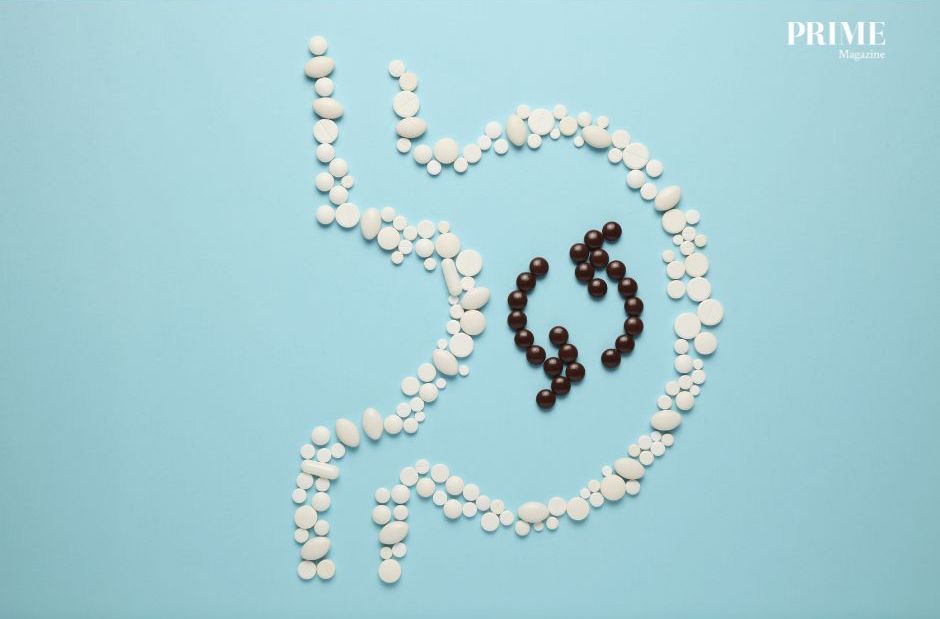
Human stomach from tablets, digestion. Healthy nutrition, metabolism in the body
- Ongoing fatigue
- Feeling cold all the time Thinning hair
- Dry skin
- Constipation
- Struggling to lose weight
- Dry mouth and excessive thirst Low energy levels
- Falling sick often
Here are some easy ways you can kick your metabolism into overdrive:
Try out High Intensity Interval Training (HIIT)

Woman exercising
Any form of exercise is always good for keeping metabolic function working, especially into old age. While metabolic function is generally thought to decline with age, some studies have found that staying active and maintaining muscle mass can prevent or slow down the decline.
High Intensity Interval Training (HIIT) is a form of exercise that features intervals varying between periods of all-out effort and periods of rest. HIIT is known for its ability to
kick start metabolic functioning better than steady-state workouts; quick bursts of intense exercises such as sprinting, cycling and plyometrics for instance can help the body to continue burning calories for hours even after the workout is complete. This is known as the “afterburn effect.”
As an added bonus, HIIT workouts by default require less time than traditional workouts. They pack in more health benefits in a shorter period as well. Besides burning more fat throughout the day, HIIT workouts are also beneficial for cardiovascular function and improving respiratory endurance and stamina.
Text on board high intesity interval training
Choose Foods That Help Boost Your Metabolism Naturally
Certain foods can slow down digestive processes while certain foods can help the body to use and expend energy better – it is important to make good choices when it comes to your diet. Inflammatory foods for instance are recognised and processed by the body as toxins. This triggers the immune system’s fight or flight response, increasing the production of stress hormones and simultaneously slowing down metabolic functioning. Many of these inflammatory foods are disguised as “healthy” food and are responsible for unwanted weight gain, thyroid dysfunction, hormone imbalance and digestive stress.
Here are some common inflammatory foods that should be avoided as far as possible:
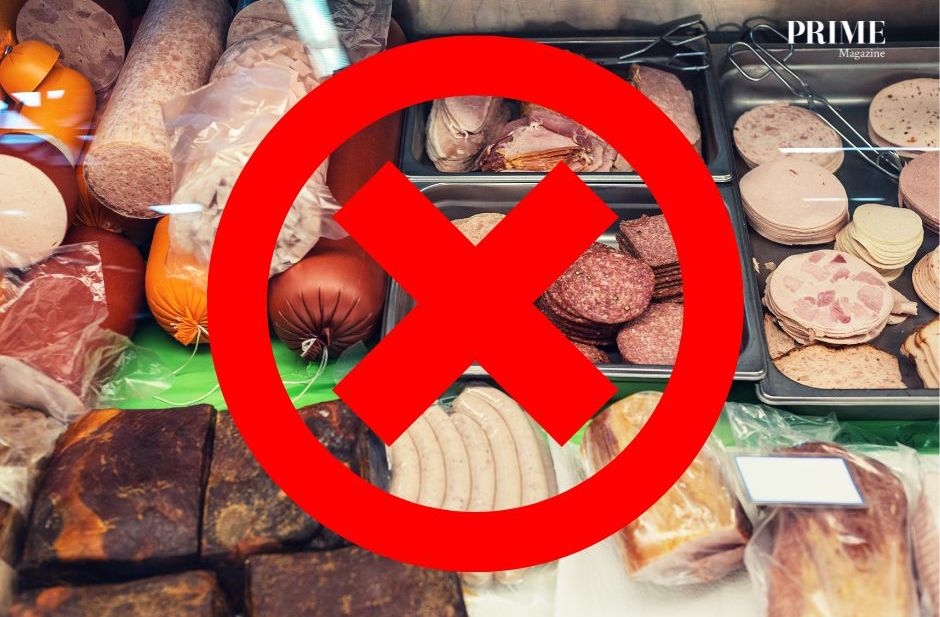
Foods to avoid
- Sugary drinks
- Processed foods
- Refined vegetable oils
- Artificial sweeteners
On the other hand, there are some fat-burning foods that make the body work harder to break down and metabolise, using up more calories. Protein for instance is associated with a strong metabolism – having healthy high-protein snacks throughout the day is one simple way to boost metabolism and also keep you full longer. Protein also helps to keep energy and blood sugar stable while building lean muscle mass which helps to burn more calories.
Other known metabolism boosters include:
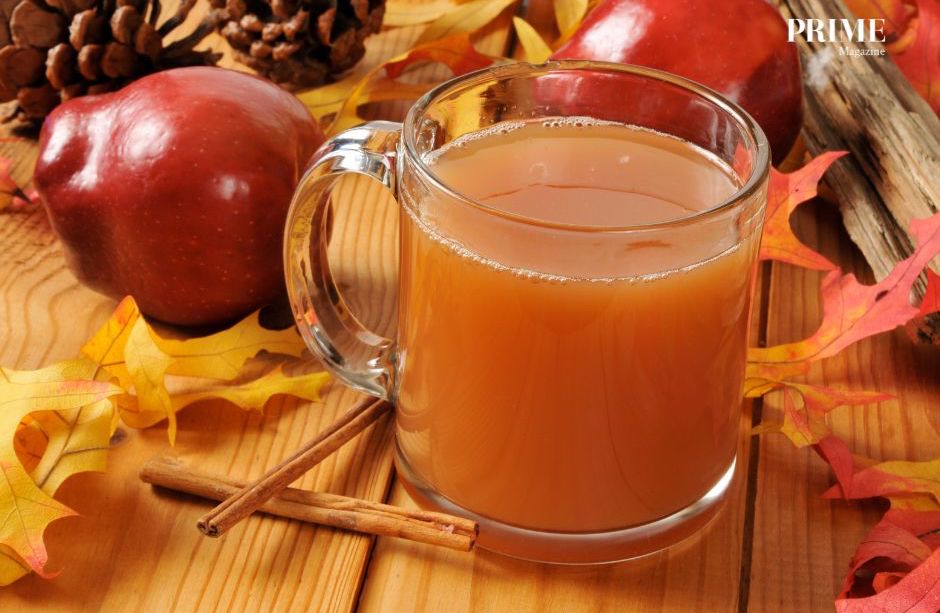
Apple cider
- Green tea
- Garlic
- Spicy food
- Apple cider vinegar
Getting adequate rest

Woman sleeping with a mask on
Insufficient sleep has been associated with a reduction in metabolic activity, as the body prioritises energy conservation when fatigued. Studies show that this might also have to do with the brain’s secretion of cortisol when the body is under stress, which leads the body to store more fat. High cortisol levels associated with a lack of sleep have been shown to be linked to poor mental functioning, weight gain and an increased resistance to insulin which controls blood sugar.
It is also important to make sure that you get enough rest between your exercise days so as to keep your hormone levels balanced. Too much exercise results in muscle loss, fatigue and a lower metabolic rate, contrary to what you
might expect. Intense workouts without proper rest will increase cortisol levels which can have adverse effects on health. The body will not be able to recover from the workouts and the processes that repair and build healthy muscle tissue will become affected as well.
Get off your butt!
Sitting for too long is detrimental to your health – this is especially unfortunate for many of us who are deskbound and tied to 9-5 jobs. Long periods of sitting burns fewer calories than standing and can lead to weight gain. For instance, did you know that standing up at work for an afternoon instead of simply sitting in your office chair can help you burn an extra 174 calories? Try standing up for short periods instead to break up the amount of time that you spend sitting down in
the office. Otherwise, if you are ready to fully commit to it, you could even invest in a standing desk!
Stop dieting and fuel your body

Full breakfast
Many assume that the surest way to lose weight would be to cut down on calories. While this is true to some extent, some take it too far and go on extreme diets that take a toll on metabolism. Our bodies use calories as fuel – we need to eat consistently to keep functioning at our best. It is essential that the body obtains various nutrients such as proteins, carbohydrates, fats, minerals and vitamins to produce energy. When you cut calories and increase exercise, the body goes into “starvation mode” and signals to your metabolic hormones to hold on to every calorie that you are consuming in order to ensure survival!
Lack of energy (calories) also means that the metabolism has less fuel and the body is therefore more vulnerable to illness and premature aging. A sluggish metabolism means lower levels of immunity and increased risk of infections.
It is therefore of utmost importance that we feed our body well and not deprive it of its required fuel.
Never skip breakfast
If it’s been said once, its been said a hundred times: breakfast is the most important meal of the day. While you were asleep, your body was working hard to repair and rebuild itself from the stress of the day and that takes up more energy than you think. Skipping breakfast would only slow down your metabolism because your body is not going to work on burning calories when it is in hunger. In fact, it goes into energy conservation mode, storing as much as it can. Starting the day with breakfast is therefore crucial to ensuring that your body burns more calories throughout the day.
Conclusion
Supporting your metabolism doesn’t have to mean extreme dieting or pushing yourself to burnout at the gym. Small, consistent habits — like choosing nourishing foods, staying active, getting enough rest, and allowing your body time to recover — can make a meaningful difference. The key is to listen to your body, fuel it well and give it the care and balance it needs. Over time, these simple everyday choices can help your metabolism work more efficiently and support your overall wellbeing. PRIME
Author

You Might Also Like:
 Red Sustenance: Fortifying Your Blood with the Right Foods by Ms Wong Hui Xin
 Breaking Free from Addiction: How to Quit for Good and Take Back Control
 Slim Outside, Fat Inside? The Hidden Danger of Visceral Fat
 Health Benefits of Pistachios: The Weight-Wise Snack for Energy and Heart Health
 Food for Your Blood Type