

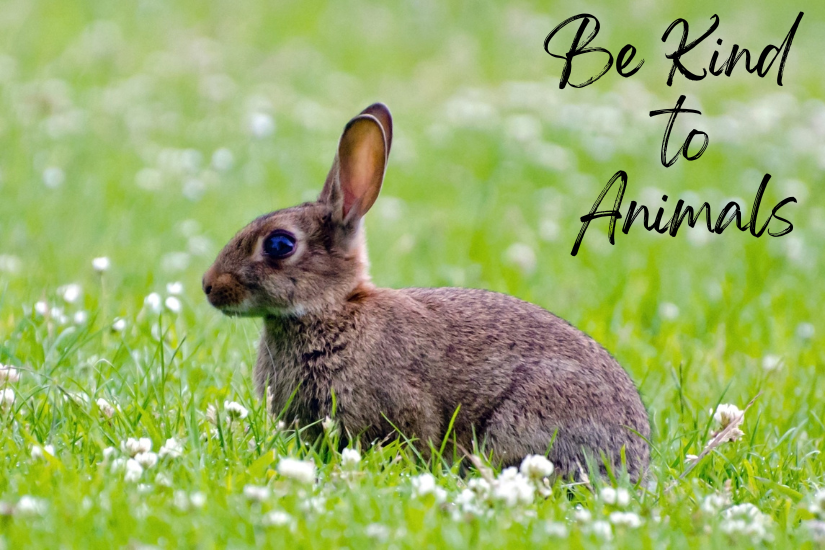
Kindness to stray animals begins with compassion and care.
Benefits of Helping Stray Animals for Emotional Wellbeing
The benefits of helping stray animals go beyond improving animal welfare — they can also positively affect our mental health, emotional wellbeing, and sense of purpose. Acts of kindness towards stray animals, such as feeding, fostering, or simply showing care, allow people to make a meaningful difference while experiencing personal fulfilment. Even small actions can create lasting emotional and social rewards.
Stray animals face daily challenges such as hunger, illness, injury, and exposure to harsh environments. Choosing to help them — whether by feeding, fostering, volunteering, or supporting rescue efforts — does more than ease their suffering. It can also bring meaningful emotional benefits to the people who care for them.
A Sense of Purpose and Meaning
One of the strongest psychological benefits of helping stray animals is the sense of purpose it creates. Caring for an animal gives people a reason to act with intention and responsibility. Even small actions, such as leaving food or arranging veterinary care, can feel deeply meaningful.
Studies in positive psychology show that helping others — including animals — contributes to a greater sense of life satisfaction. When people see tangible results from their efforts, such as an animal becoming healthier or safer, it reinforces feelings of usefulness and accomplishment. This sense of purpose can be especially valuable during periods of stress, loneliness, or emotional uncertainty.
Reducing Stress and Anxiety
Spending time with animals is widely known to have calming effects. Interactions with animals can lower heart rate, reduce cortisol levels, and promote relaxation. For many people, caring for stray animals provides a break from daily pressures and mental overload.
When people engage in compassionate behaviour, the brain may release oxytocin, sometimes called the “bonding hormone.” Oxytocin supports feelings of trust, calmness, and emotional connection. While not every interaction triggers the same response, consistent acts of kindness toward animals often contribute to improved mood and reduced anxiety over time.
Building Connection and Community
Caring for stray animals rarely happens in isolation. People who help animals often connect with others who share similar values, such as neighbours, volunteers, rescuers, and animal welfare groups. These shared efforts create opportunities for conversation, teamwork, and mutual support.
Community involvement around animal care fosters a sense of belonging. Whether through informal neighbourhood efforts or organised rescue networks, helping animals brings people together with a common goal. These connections can reduce feelings of isolation and strengthen social bonds, which are essential for emotional wellbeing.
Helping Stray Animals Builds Compassion and Empathy
Looking after stray animals encourages people to become more aware of vulnerability and need. Animals cannot express pain or fear in words, which requires caregivers to become observant, patient, and emotionally attuned. Over time, this sensitivity strengthens empathy.
Psychologists note that empathy developed through animal care often extends to human relationships. People who practise compassion toward animals may become more patient, understanding, and emotionally responsive toward others. This emotional growth contributes to healthier interpersonal interactions and greater emotional intelligence.
A Positive Impact on Mental Wellbeing
Acts of kindness activate reward pathways in the brain. Helping animals can generate feelings of warmth, fulfilment, and emotional satisfaction. These positive emotions help counter negative thought patterns linked to stress, anxiety, and low mood.
While caring for stray animals does not replace professional mental health support, it can be a valuable complementary practice. Purposeful, compassionate action supports emotional resilience and promotes a more positive outlook on life.
Small Acts, Lasting Effects
Helping stray animals does not require grand gestures. Providing food, supporting sterilisation programmes, fostering, donating, or spreading awareness all make a difference. Each act contributes to both animal welfare and personal wellbeing.
By showing kindness to animals, people participate in a cycle of compassion that benefits individuals, communities, and society as a whole. In caring for those who cannot care for themselves, we often discover that we nurture our own emotional health in the process. PRIME








Leave A Comment