

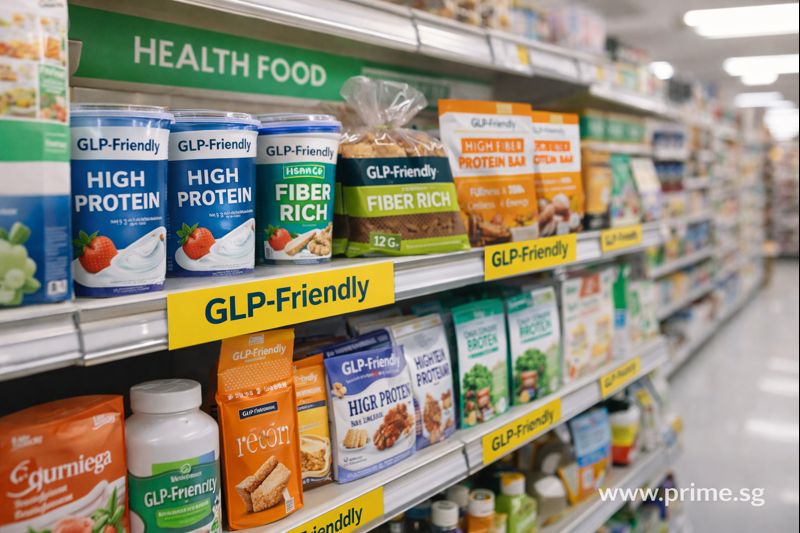
Health-focused food aisle in supermarket
Walk through a supermarket today and you may notice a new label appearing: “GLP-friendly”.
These products claim to support fullness, appetite control, or blood sugar balance — often riding on the popularity of GLP-related weight-loss conversations. But are these foods genuinely helpful, or simply clever repackaging of old nutrition ideas?
What “GLP-friendly” really means
There is no official definition of “GLP-friendly”.
In most cases, foods marketed this way share common features:
-
Higher protein content
-
Added fibre
-
Lower added sugar
-
Slower digestion
In other words, they follow basic principles of good nutrition — now given a trendy label.
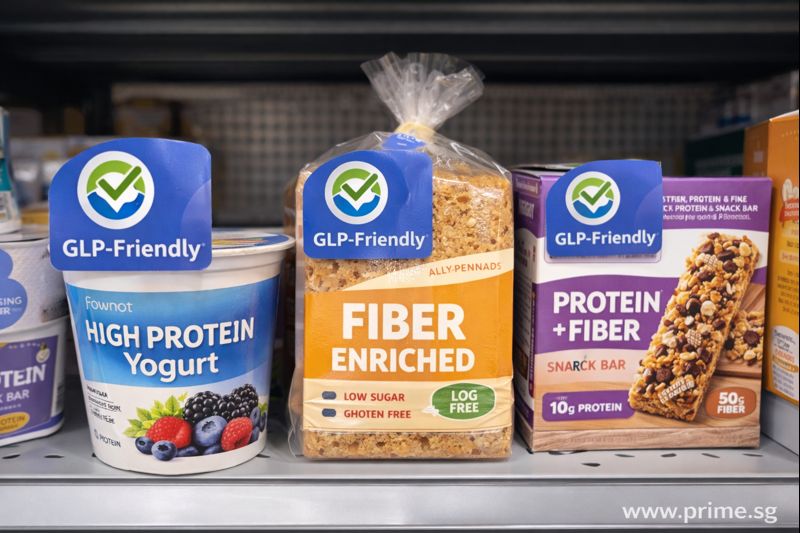
GLP-friendly healthy snacks on shelf
The good: why some GLP-friendly foods can help
Some of these products can be genuinely useful, especially for people who:
-
Struggle to eat enough protein
-
Need convenient meal options
-
Have smaller appetites
High-protein yoghurts, fibre-enriched breads, or protein-fibre snack bars can support fullness when used thoughtfully.
For people on GLP-1 medication, these foods may help deliver nutrients in smaller portions.
The problem: when marketing overshadows nutrition
The label “GLP-friendly” can also be misleading.
Some products:
-
Are still ultra-processed
-
Contain artificial sweeteners that cause bloating
-
Are low in micronutrients despite high protein claims
A product can be high in protein and still not be a balanced food.
This is why reading ingredient lists and nutrition panels matters more than front-of-pack claims.
Whole foods vs labelled foods
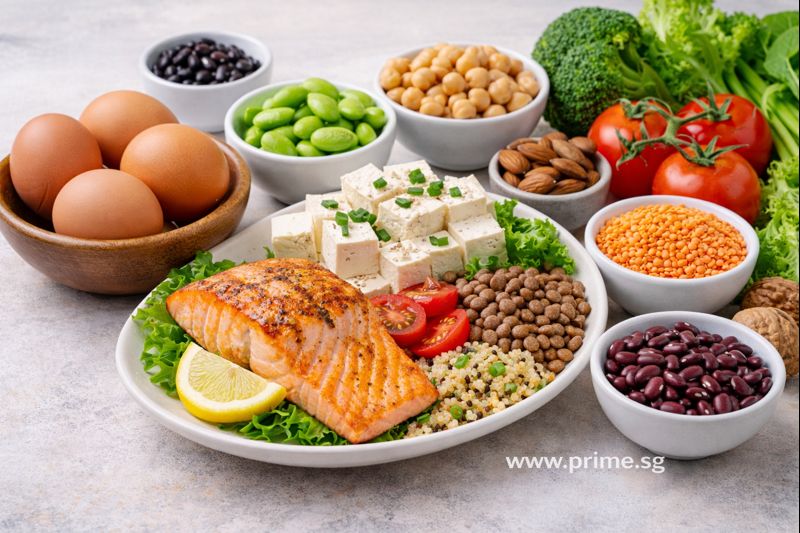
Healthy eating essentials on textured surface
It’s important to remember:
GLP-supportive eating existed long before the label.
Whole foods that naturally support fullness include:
-
Eggs
-
Fish
-
Lean meats
-
Tofu and tempeh
-
Legumes
-
Vegetables
-
Nuts and seeds
These foods stimulate fullness hormones naturally — without branding.
Packaged foods can play a role, but they should support, not replace, a whole-food diet.
How to choose wisely if you buy them
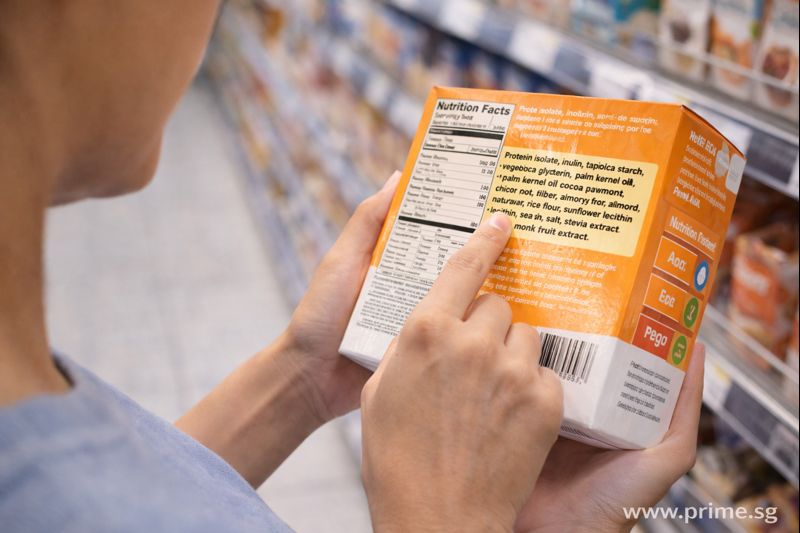
Examining ingredients in supermarket aisle
If you do buy “GLP-friendly” foods, ask:
-
Does it contain a real protein source?
-
Is fibre naturally present or artificially added?
-
Is sugar low without excessive sweeteners?
-
Would this still be a good food without the label?
If the answer is yes, it’s probably reasonable.
The takeaway
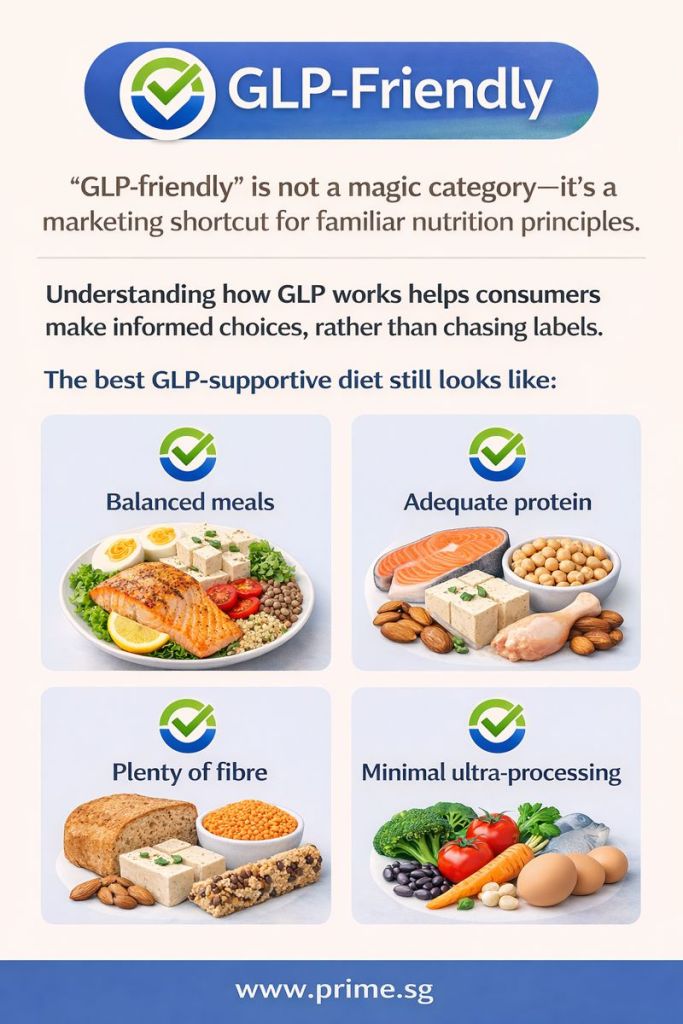
GLP-friendly nutrition infographics explained
“GLP-friendly” is not a magic category — it’s a marketing shortcut for familiar nutrition principles.
Understanding how GLP works helps consumers make informed choices, rather than chasing labels.
The best GLP-supportive diet still looks like:
-
Balanced meals
-
Adequate protein
-
Plenty of fibre
-
Minimal ultra-processing
Labels may change — biology does not. PRIME




Leave A Comment