

Orthopaedic Health Series
Foods and Dietary Tips for Bone Strengthening
by Dr Kevin Lau – ScolioLife
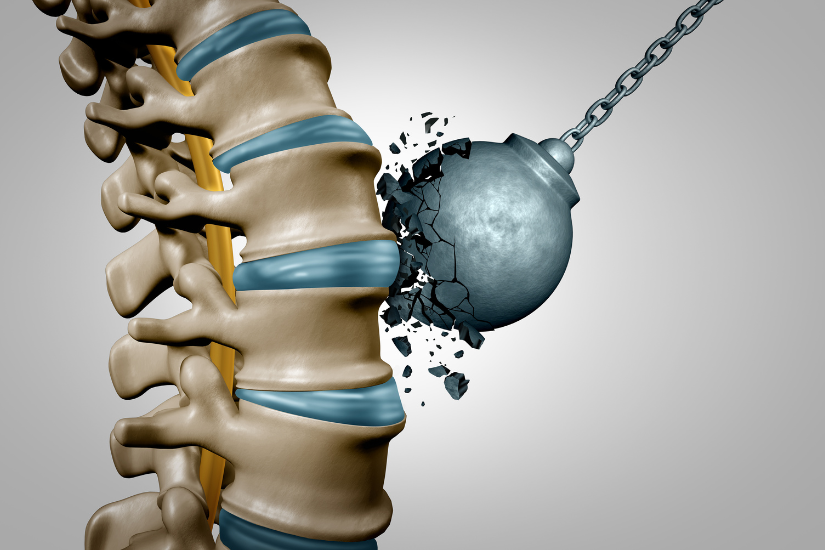
Weight management often takes centre stage in dietary advice, but food affects more than just body weight. Every meal supplies nutrients needed for the development and function of tissues, organs, and bones.
Research from Canada in 2011 showed that bone mass builds from early childhood. It usually peaks by around 30 years of age. Strong bones help you stand upright, move easily, and protect vital organs.
From about age 40, bone mass gradually declines because the body no longer produces new bone. Without proper nutrition, this process may lead to osteoporosis. For this reason, bone health requires attention throughout life. Every meal can support bone strength and preservation.
Below are key dietary tips and foods that help maintain a healthy skeletal system.
Bone Strengthening Foods Rich in Calcium
Calcium is the main mineral that gives bones their structure and strength. A 2017 study showed that calcium combined with vitamin D improved bone strength in adolescents with scoliosis.
The recommended daily calcium intake is:
-
1,000 mg for men
-
1,200 mg for women
-
1,300 mg for teenagers
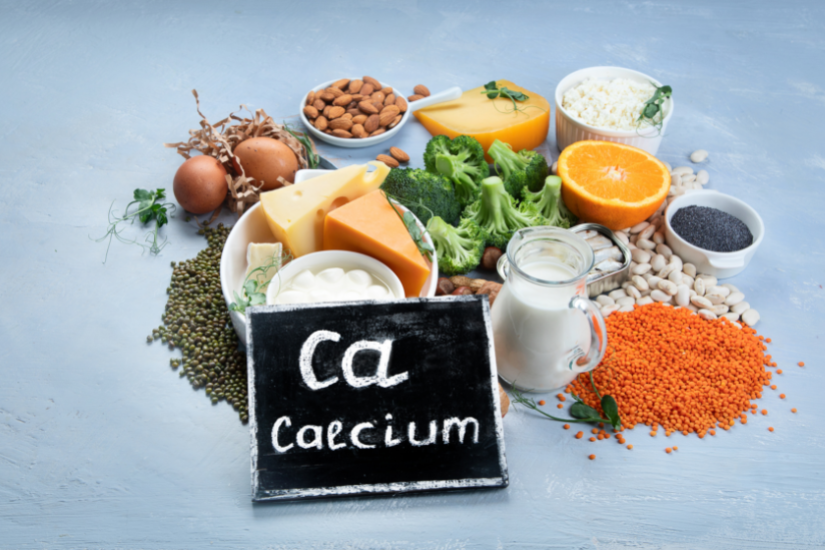
Calcium absorption differs between individuals. For better absorption, include calcium-rich foods at each meal.
Dairy products such as cheese, yoghurt, and kefir are excellent sources. You can also obtain calcium from sardines, lentils, and seeds.
Include Magnesium and Phosphorus in Your Diet
Some nuts provide calcium along with magnesium and phosphorus. Magnesium helps bones retain calcium and improves absorption. About 85% of phosphorus in the body is stored in bones and teeth.
Peanuts, almonds, cashews, walnuts, and pecans are good sources. Magnesium is also found in avocados, brown rice, bran cereal, edamame, soy milk, and pumpkin.
Phosphorus is present in dairy products, lentils, whole grains, and small amounts of fruits and vegetables.
Get Enough Vitamins D and K
Vitamin D plays a key role in bone health. It helps the body absorb calcium and protects against bone-weakening conditions.
Sun exposure is the most efficient way to produce vitamin D. Food sources and supplements can also help. Many adults benefit from up to 2,000 IU daily through supplements. Fatty fish, liver, and cheese also provide vitamin D.
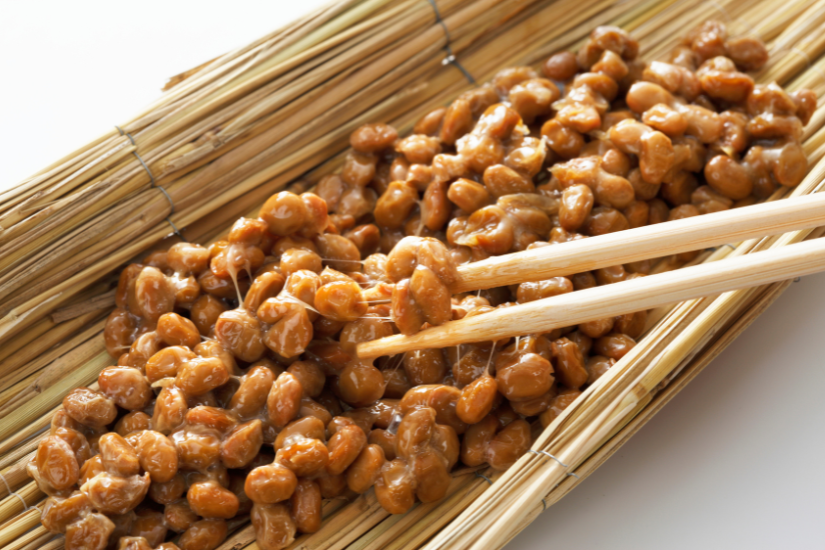
Vitamin K supports bone formation by activating osteocalcin, a protein that binds calcium to bone. Small amounts are found in meat and eggs. Natto and fermented foods contain MK-7, a common and well-studied form of vitamin K. A Japanese study showed that MK-7 significantly improves vitamin K levels in healthy women.
Consume Beans for Bone Health
Beans provide calcium, magnesium, phosphorus, protein, and fibre. They are especially helpful for people on vegetarian or vegan diets.
One cup of black beans contains about 84 mg of calcium and magnesium, and 259 mg of phosphorus. A cup of cooked white beans provides around 13% of the recommended daily calcium intake. Wing beans provide even more.
Eat Fatty Fish for Omega-3 Fats
Omega-3 fatty acids reduce inflammation and support bone health with age. Fatty fish such as salmon and mackerel are excellent sources.
Plant-based omega-3 fats may also support bone formation. Flaxseeds, chia seeds, and walnuts are good alternatives when fish is not consumed.
Ensure Adequate Protein Intake
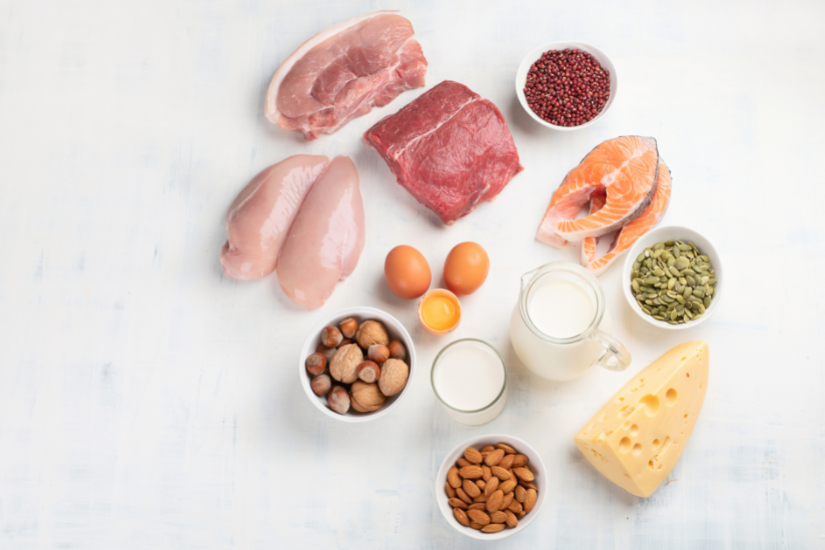
Protein forms about 50% of bone structure. Low protein intake may reduce calcium absorption and weaken bones.
A 2011 study found that higher protein intake helped preserve bone mass during weight loss. Most adults need up to 100 g of protein daily, depending on age, gender, and body size.
Seeds as Bone Strengthening Foods
Seeds contain calcium, magnesium, phosphorus, omega-3 fats, and fibre. One ounce of sesame seeds provides 280 mg of calcium and over 100 mg of magnesium.
Chia seeds, pumpkin seeds, flaxseeds, and sesame seeds can be added to soups, salads, and breakfasts. Chia pudding is an easy option. One tablespoon of chia seeds supplies meaningful amounts of calcium, magnesium, and phosphorus.
Choose Fortified Foods if You Avoid Dairy
People who are lactose intolerant can rely on fortified foods. Fortified cereals, juices, and plant-based milks often contain calcium and vitamin D.
Soy, almond, and rice milk, as well as calcium-set tofu, are good alternatives. Other calcium-rich options include canned sardines, canned salmon with bones, beans, and fortified orange juice.
Reduce Sugar Intake
A 2018 review showed that high sugar intake increases calcium and magnesium loss through urine. Sugar also reduces vitamin D levels and impairs calcium absorption.
Excess sugar may slow bone formation and increase bone breakdown. Over time, this raises the risk of osteoporosis and weakens bone structure.

Do Not Skip Vegetables
Vegetables support bone health by supplying calcium, minerals, and antioxidants. Vitamin C helps protect bone cells from oxidative damage.
Green and yellow vegetables are especially beneficial. This is important for women over 50, who face a higher risk of bone loss. A 2015 New Zealand study found that postmenopausal women who ate more vegetables retained more calcium and had lower bone turnover.
Avoid Extremely Low-Calorie Diets
Very low-calorie diets can harm bone density. Diets below 1,000 calories may weaken bones, even in physically active individuals.
For bone health, aim for at least 1,200 calories daily. Focus on nutrient-rich foods containing protein, vitamins, and minerals.

Use Supplements With Care
Some people need supplements to support bone health. However, a 2016 study showed that calcium and vitamin D supplements did not significantly reduce fracture risk in healthy adults.
In many cases, one glass of milk daily may be sufficient. Always consult a doctor before starting supplements. Needs vary based on age, bone health, and lifestyle. Unsuitable supplementation may cause more harm than benefit.
Bone Strengthening: Key Takeaway
Strong bones rely on nutrients such as calcium, vitamin D, magnesium, phosphorus, and protein. With professional guidance, dietary improvements can strengthen bones, reduce fracture risk, and support long-term quality of life. PRIME








Leave A Comment