
Beauty & Aesthetics
The Fragrance Formula: How to Choose a Perfume That Suits You
A familiar perfume can bring back a person, place or moment. It lingers on clothing and becomes part of how we remember an experience. Yet many of us choose fragrance almost as an afterthought.
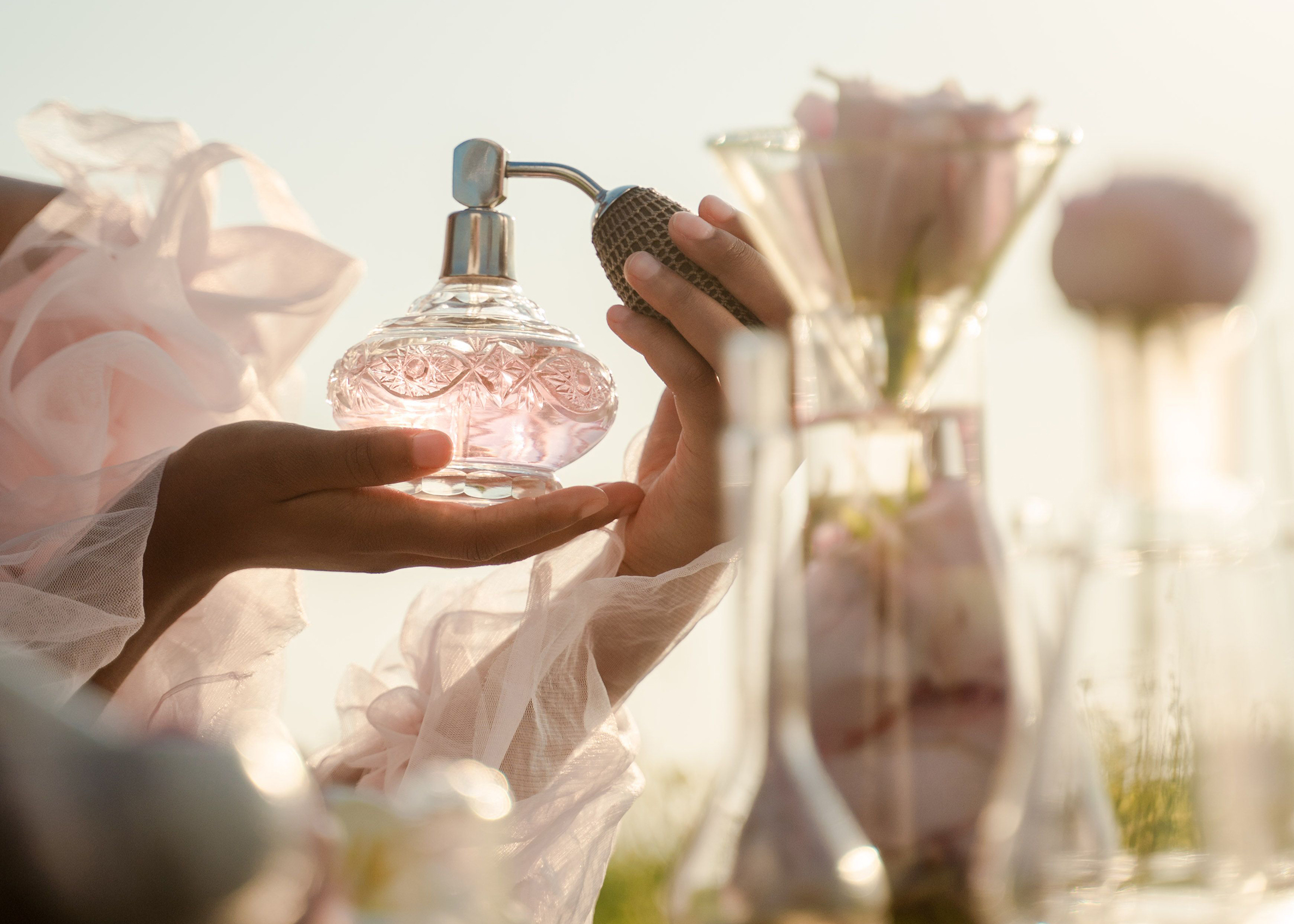
A personal fragrance adds a finishing touch to everyday moments and special occasions.
Perhaps you reach for the same bottle every morning. Alternatively, you may feel overwhelmed by the choice at a department store.
Learning how to choose a perfume makes that experience more enjoyable. Understanding fragrance notes, scent families and different concentrations gives you a useful starting point.
Think of fragrance as an invisible wardrobe. You might enjoy something fresh during the day and a warmer scent for evenings. However, one much-loved perfume can be enough, too.
The aim is to discover what you enjoy wearing. From there, you can choose scents that suit your routine, surroundings and personal style.
Understanding How a Perfume Develops
A perfume’s first impression does not tell its whole story. As it settles, different parts of the blend become more noticeable.
Perfumers often explain this progression through a fragrance pyramid. It describes top, heart and base notes.
However, these layers overlap. Their timing also varies between formulas, so treat the pyramid as a guide rather than a fixed sequence.
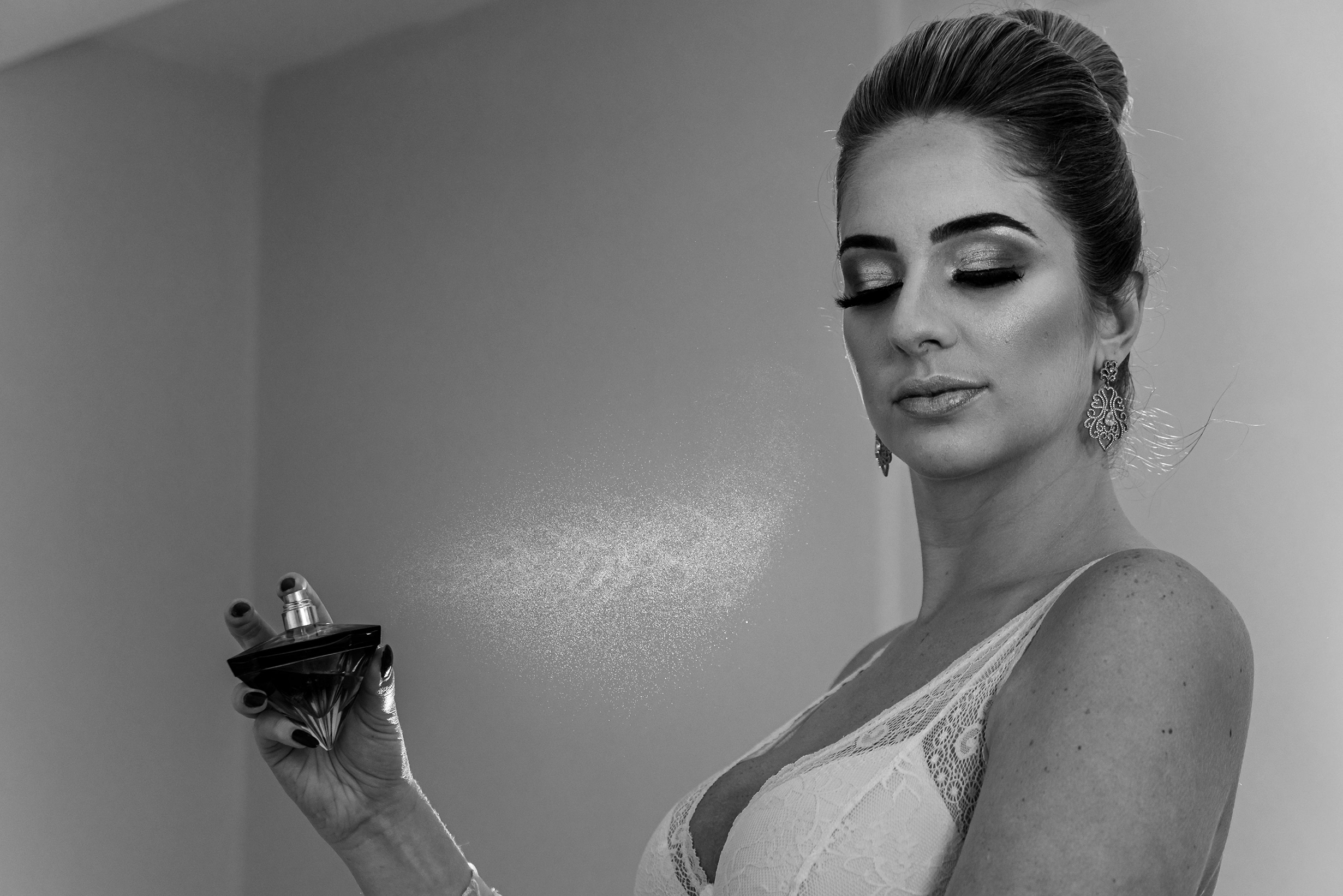
Start with a light application, then assess how your fragrance develops throughout the day.
Top Notes: The Opening Impression
A perfume’s first impression does not tell its whole story. As it settles, different parts of the blend become more noticeable.
Perfumers often explain this progression through a fragrance pyramid. It describes top, heart and base notes.
However, these layers overlap. Their timing also varies between formulas, so treat the pyramid as a guide rather than a fixed sequence.
Heart Notes: The Main Character
As the opening softens, the heart becomes more noticeable. These middle notes help define the perfume’s character.
You may encounter florals such as rose, jasmine and orange blossom. Spices, including cinnamon and cardamom, can also feature here.
The heart connects the bright opening with the deeper base. Together, these layers shape the fragrance you experience over time.
Base Notes: The Lasting Impression
Base notes add depth and influence the perfume’s later stages. Common examples include sandalwood, cedar, vanilla, patchouli and musks.
They may become clearer as the lighter notes fade. This later phase is often called the dry-down.
Before choosing a bottle, make sure you enjoy this stage. After all, it may stay with you much longer than the opening.
Understanding Perfume Concentrations
Perfume packaging often includes terms such as eau de toilette or eau de parfum. These generally describe different fragrance concentrations.
However, concentration alone does not determine strength, quality or staying power. Ingredients, formulation and application also matter.
Likewise, two versions of the same fragrance may smell different. An eau de parfum is not always simply a stronger eau de toilette.

Choose a fragrance that complements your mood and the occasion, then apply it lightly.
Eau de Cologne
Eau de cologne generally contains a relatively low concentration of fragrance. It often feels light and refreshing.
This format may appeal if you enjoy a brief burst of scent. However, you may need to reapply it more often.
Eau de Toilette
Eau de toilette, usually shortened to EDT, often offers a lighter fragrance experience.
It can suit everyday wear, depending on the formula. Nevertheless, some EDTs have a noticeable presence and good staying power.
Eau de Parfum
Eau de parfum, or EDP, generally contains a higher fragrance concentration than EDT.
It may feel richer or last longer. However, test it rather than assuming it will suit you better.
Parfum or Extrait de Parfum
Parfum and extrait formulas are usually more concentrated. Some feel rich and enveloping, while others stay relatively close to the skin.
A higher concentration does not necessarily create a bigger scent trail. Choose the version you enjoy wearing, rather than the most concentrated option.
Discovering the Fragrance Families
Fragrance families group scents with similar characteristics. Learning a few of these terms can help you describe your preferences.
Classification systems vary, and many perfumes cross several families. For example, a fragrance may combine a floral heart with a woody base.
Use the following descriptions as starting points for exploration.
The Fresh Family
Fresh fragrances often feel bright, crisp and airy. This broad group includes citrus, green and aquatic styles.
Citrus notes can suggest bergamot, grapefruit, mandarin or lemon peel. Meanwhile, green notes may recall crushed leaves, snapped stems or freshly cut grass.
Aquatic notes evoke impressions of water, rain or sea air. These effects often come from carefully constructed fragrance accords.
Fresh styles can be appealing in Singapore’s warm climate. However, they are not automatically subtle, so check how strongly each perfume wears.
Examples to explore include:
-
Acqua di Giò by Giorgio Armani: Known for its fresh, aquatic character.
-
CK One by Calvin Klein: A citrus-led fragrance with a clean, easy-going style.
-
English Pear & Freesia by Jo Malone London: A fruity floral option combining pear and freesia with a deeper base.
The Floral Family
Floral fragrances range from delicate rose scents to rich bouquets. Some focus on one flower, while others blend several floral impressions.
Rose, peony and lily-of-the-valley notes can create softer styles. By comparison, jasmine, tuberose and gardenia may produce a fuller effect.
Perfumers also combine flowers with fruit, woods and musk. As a result, two floral perfumes can feel very different.
Anyone can enjoy a floral fragrance. Let the scent guide you rather than the gender suggested by its packaging.
Examples to explore include:

Singapore Girl and Raffles Heritage offer two contrasting scent profiles: fresh floral notes and earthy woody depth.
-
Singapore Girl by Singapore Memories: Soft citrus notes introduce a floral heart of lotus and water lily. A teakwood base adds warmth, showing how floral fragrances can combine freshness with woody depth.
-
J’adore by Dior: A floral composition associated with jasmine, rose and ylang-ylang.
-
Gucci Bloom: A rich floral fragrance featuring jasmine and tuberose.
-
Chloé Eau de Parfum: A rose-centred fragrance with a fresh, powdery character.
The Amber Family
Amber fragrances often feel warm, rich and enveloping. They may combine vanilla, resins, incense and aromatic spices.
In perfumery, amber usually describes a scent effect or accord. It does not necessarily refer to one specific ingredient.
Some amber perfumes feel softly sweet. Others include smoky, leathery or spicy elements.
These fragrances can suit evenings or cooler settings. In warm weather, however, you may prefer a lighter application.
Examples to explore include:
-
Shalimar by Guerlain: A classic fragrance known for its warm vanilla and resinous character.
-
Libre Eau de Parfum by Yves Saint Laurent: A blend bringing together lavender, orange blossom and vanilla.
-
Tobacco Vanille by Tom Ford: A rich combination of tobacco, vanilla and spice.
The Woody Family
Woody fragrances can feel dry, creamy, earthy or smoky. Common notes include sandalwood, cedar, vetiver and patchouli.
Sandalwood often gives a smooth, creamy impression. Cedar can suggest dry timber or pencil shavings.
Meanwhile, vetiver may feel grassy, earthy or smoky. Patchouli can add a darker, earthy depth.
Woody perfumes often combine these elements with citrus, flowers or spices. Therefore, explore several styles before deciding whether the family suits you.
Examples to explore include:
-
Raffles Heritage by Singapore Memories: An aromatic lavender opening leads into iris and ambrette. Cedar and vetiver provide an earthy, woody finish.
-
Santal 33 by Le Labo: A woody fragrance with sandalwood, cedar and leathery facets.
-
Bleu de Chanel: A fresh woody style combining bright notes with a deeper base.
-
Tam Dao by Diptyque: A wood-focused fragrance associated with sandalwood, cedar and cypress.
Gourmand Fragrances
Gourmand fragrances feature notes associated with food or drinks. Think vanilla, caramel, chocolate, coffee and praline.
Some feel richly sweet. Others use woods, salt or patchouli to balance that sweetness.
You do not need to enjoy very sugary scents to appreciate this style. A gentle vanilla blend can feel quite different from a bold caramel perfume.
Examples to explore include:
-
Angel by Mugler: A well-known combination of sweet gourmand notes and earthy patchouli.
-
Black Opium by Yves Saint Laurent: A fragrance associated with coffee, vanilla and white flowers.
-
Baccarat Rouge 540 by Maison Francis Kurkdjian: A woody amber fragrance that some wearers perceive as having a sweet, burnt-sugar quality.
Matching Fragrance to Your Lifestyle
A perfume can complement your routine without defining your personality. You can enjoy different styles depending on your mood or plans.
Consider where you will wear it and who will share the space. The amount you apply matters as much as the fragrance itself.
For the Workplace
In an office, aim for a scent that stays reasonably close to you. A fragrance you love may feel overwhelming to someone nearby.
Fresh, soft floral and gentle woody styles can be useful starting points. However, test their strength before wearing them to work.
Prada’s Infusion d’Iris or a restrained application of Bleu de Chanel may be options to explore.
If you prefer creating something personal, a workshop at Scentopia offers another approach. Explain that you want a fragrance for everyday wear, then explore a fresh or softly woody direction.
Whichever fragrance you choose, start lightly. Always follow any fragrance-free workplace policy.
For Personal Expression
If you enjoy experimenting, look beyond familiar combinations. You might discover green notes with incense, rose with leather or woods with soft florals.
At Scentopia, its orchid-inspired perfume-making experience lets you explore fragrance oils and create your own blend.
Use the experience to discover the balance you enjoy. Perhaps you prefer a brighter opening, a floral heart or a warmer woody character.
Creating a personal fragrance also encourages you to consider when you will wear it. Let your daily routine guide you alongside your favourite notes.
For Casual Days and Time Outdoors
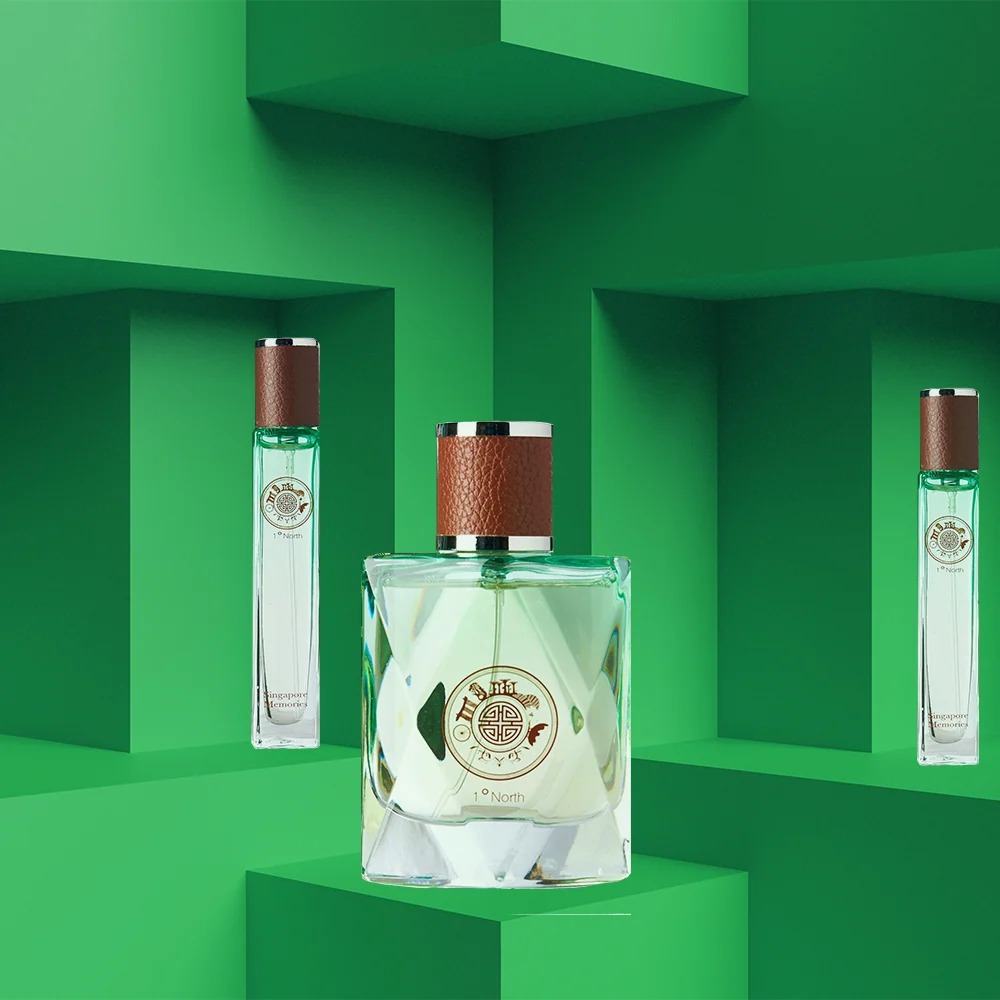
One Degree North by Singapore Memories combines orchid, citrus, sea-salt and aquatic notes.
Fresh, green and aquatic scents may complement a relaxed day. Look for citrus, herbal or sea-salt impressions.
For a local example, explore One Degree North by Singapore Memories. It combines orchid notes with sea salt, aquatic accords and citrus, drawing inspiration from equatorial rain and fresh breezes.
Its scent profile makes it worth sampling if you enjoy fresh, watery fragrances. Alternatively, compare it with Wood Sage & Sea Salt by Jo Malone London.
Nevertheless, warm weather can make a fragrance more noticeable. Start lightly and assess how it feels during your usual activities.
For Evenings and Celebrations
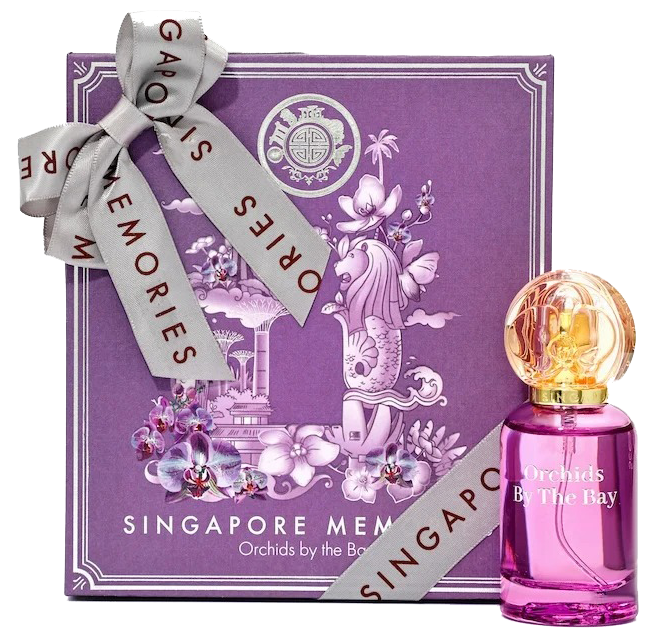
An evening occasion may invite a fragrance with greater warmth or depth. Amber, fuller florals and woody blends offer plenty of possibilities.
Orchids by the Bay by Singapore Memories is one option to explore. Bergamot and rosewood introduce a floral heart featuring orchid, lily, ylang-ylang and jasmine.
Its base includes amber, sandalwood, patchouli and musk. This combination may appeal if you enjoy floral fragrances with a warmer, woody foundation.
For a different direction, compare it with Libre Eau de Parfum or Tobacco Vanille.
Finally, consider the venue before applying more. A small restaurant or theatre calls for restraint, even during a special occasion.
Why Perfume Smells Different on Different People
Perhaps you have loved a fragrance on a friend but found it less appealing on yourself. This is a familiar experience.
Skin condition, temperature, other products and application can influence how a fragrance wears. Your perception of the scent also plays a part.
However, “skin chemistry” does not explain every difference. Testing a perfume on yourself remains more useful than trying to predict the result.
Skin Moisture and Other Products
Your skin’s condition may affect your fragrance experience. If your skin feels dry, try applying an unscented moisturiser before perfume.
Allow it to settle first. Then compare how the fragrance wears.
Meanwhile, scented body lotions, soaps and hair products add their own aromas. Keep these to a minimum when testing a new perfume.
There is no need to assume that oily skin guarantees better performance. Individual formulas behave differently.

Creating a personal fragrance during a perfume-making workshop at Scentopia.
Heat and Your Surroundings
A fragrance may seem stronger in warm conditions. You may notice this when moving from an air-conditioned shop into Singapore’s outdoor heat.
Therefore, assess a perfume in the places where you will actually wear it.
Notice its development during your commute, at work and later in the day. This gives you a more useful picture than a quick test at the counter.
How to Choose a Perfume in Store
Fragrance shopping becomes easier when you approach it with a few preferences in mind.
You do not need technical knowledge. Simply knowing that you enjoy citrus, dislike heavy sweetness or prefer soft woods can help.
Step 1: Explain What You Like
Tell the sales assistant about fragrances or familiar smells you enjoy.
For example, you might like fresh flowers, lemon peel, vanilla or dry wood. Mention anything you prefer to avoid as well.
Also, explain when you plan to wear the fragrance. This helps narrow the selection.
Step 2: Compare a Small Selection
Start with a few perfumes on paper strips. Write the name on each strip so you can identify it later.
Allow the initial alcohol smell to settle. Then smell gently rather than holding the strip directly against your nose.
If the fragrances become difficult to distinguish, take a break. You can always return another day.
Step 3: Test Your Favourites on Skin
Once you have shortlisted a favourite, apply it to your skin. If comparing two perfumes, use separate areas.
Avoid spraying several scents onto the same spot. Otherwise, you will be judging a mixture.
If a product irritates your skin, stop using it.
Step 4: Leave the Counter
Give yourself time before buying. Walk away from the fragrance department and continue your day.
Notice how the perfume changes over several hours. Does the opening soften into something you still enjoy?
Also, consider its strength. A scent that feels appealing at the counter may seem too intense in a smaller room.
Step 5: Try a Sample at Home
Where possible, obtain a sample or buy a small size first.
Wear it on more than one occasion. This helps you assess whether the fragrance suits your routine.
A thoughtful purchase is usually more satisfying than a bottle chosen under pressure.
Buying Perfume Online
Online shopping opens the door to brands you may not find locally. However, descriptions cannot fully convey how a perfume will smell to you.
Reviews can offer useful impressions, but preferences differ. Popularity does not guarantee that you will enjoy a fragrance.
Start with Samples or Discovery Sets
Look for official samples, discovery sets or smaller bottles from reputable sellers.
These let you explore several scents without committing to a full bottle. Check what is included before ordering.
You can also explore fragrances inspired by a sense of place. Singapore Memories offers perfumes drawing on Singapore’s orchids and cultural heritage, including Singapore Girl and Raffles Heritage.
These provide a local starting point for readers interested in fragrance for personal wear or gifting. Explore the individual scent descriptions, then sample where possible before choosing.
Check the Exact Version
Before paying, confirm the fragrance name, concentration and bottle size.
An EDT and EDP with similar names may have different compositions. Likewise, another version in the same range may smell quite different.
Check delivery charges and return terms, too. This helps you understand the full purchase before committing.
How to Apply Perfume
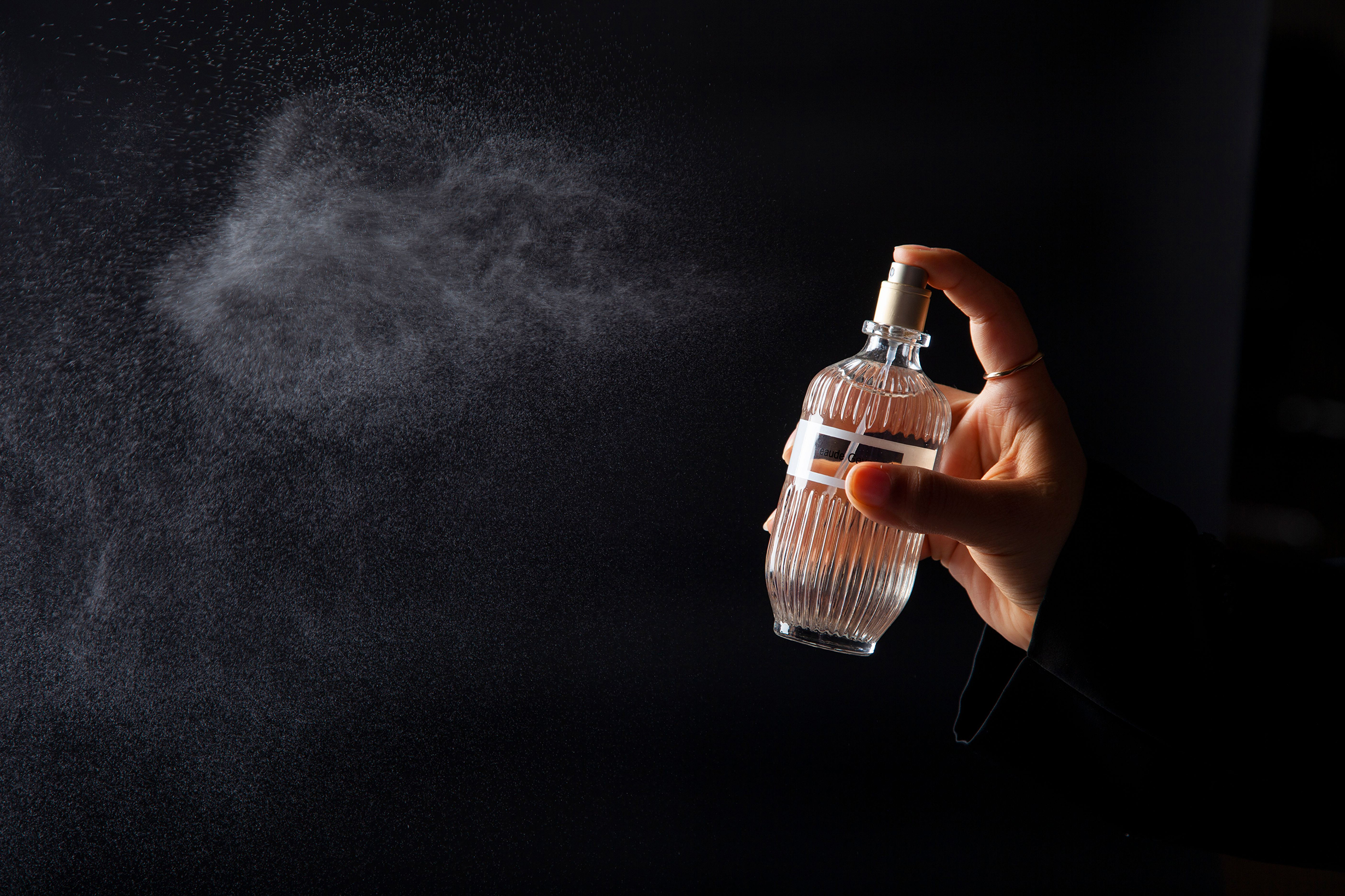
Once you have chosen a fragrance, start with a small amount. Learn how it wears before adjusting your application.
Follow the product’s directions and avoid spraying near your eyes or irritated skin.
Apply Lightly and Let It Dry
The wrists or other suitable areas can be convenient places to apply perfume. Allow it to dry naturally.
There is no need to rub your wrists together. Letting the perfume settle also makes it easier to follow its development.
Be cautious around jewellery and delicate fabrics. Some formulas can leave marks, so check before applying perfume to clothing.
Consider the People Around You
You may become less aware of your fragrance as the day continues. However, other people may still notice it.
Therefore, avoid automatically reapplying because you can no longer smell it.
Use particular care in enclosed spaces, during shared journeys and around people who are sensitive to fragrance.
How to Store Your Perfume
Good storage helps protect a fragrance from unnecessary exposure to heat and light.
A cool cupboard or bedroom drawer is often a practical choice. Keeping the bottle in its original box provides additional protection from light.
Avoid leaving perfume in a hot car or beside a sunny window. A bathroom with frequent temperature changes may also be less suitable.
Close the bottle properly after use. In addition, follow any storage guidance provided by the brand.
Find a Fragrance That Feels Right for You
Knowing how to choose a perfume gives you more confidence to explore. Start with the scent families that appeal to you, then test a few options.
Give each favourite time to develop. Consider how it feels in your daily surroundings, rather than judging only its opening.
You may find one fragrance you enjoy every day. Alternatively, you might prefer a small collection for different occasions.
Either approach works. Take your time, trust your preferences and choose something you look forward to wearing. PRIME
Author

You Might Also Like:
 Unlocking Youth: The Relationship Between Exosomes and Anti-Ageing by Dr Jeanel Goh
 QUEENA SPARKLE: Conversation with a CEO – Queen.Z Jewellery Founder and CEO Ms Queena Zhang
 Layer by Layer: Exercise for Your Skin – EHA Clinic’s Non-Injectable Anti-Ageing Strategy by Dr Elias Tam
 Why Some Hair Keeps Growing and Others Just Stop
 Emface: The 20-Minute Needle-Free Facelift Revolution












Leave A Comment