
According to the World Health Organization (WHO), 82% of people with blindness are aged 50 and above. Yet the encouraging news is that more than 80% of visual impairment is preventable or treatable with proper care — and nutrition is one of the most important pillars.

Our eyes work tirelessly every day. They gather light, focus images through the cornea and lens, and convert signals through millions of retinal cells before the brain processes what we see. Because the eyes rely on delicate tissues and constant oxygen flow, they benefit greatly from a nutrient-dense diet.
Here are six foods that help protect your eyesight, reduce the risk of age-related eye diseases, and support long-term vision health.
1. Dark, Leafy Greens
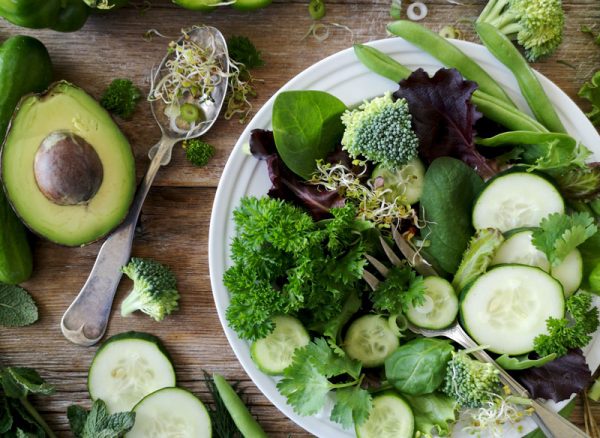
Leafy greens such as kale, spinach, collard greens, romaine lettuce, and vegetables like broccoli and Brussels sprouts are packed with lutein and zeaxanthin — two antioxidants that form part of the macular pigment responsible for central vision.
These nutrients act as natural filters against harmful blue light and may lower the risk of cataracts and age-related macular degeneration (AMD).
You can also find smaller amounts of lutein and zeaxanthin in bright fruits like kiwis and grapes.
2. Egg Yolk

Egg yolks are a highly bioavailable source of lutein and zeaxanthin, meaning your body absorbs these nutrients particularly well. They also contain vitamin A, which helps prevent night blindness and supports healthy corneas.
For best nutrient absorption, enjoy eggs soft-boiled or poached.
3. Fatty Fish
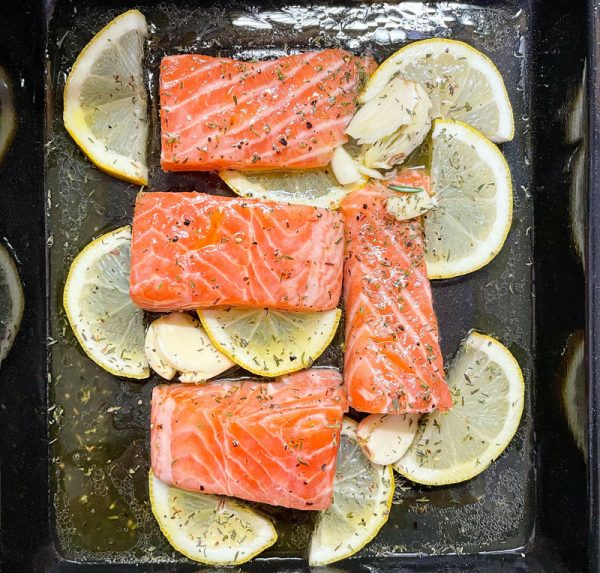
Fatty fish such as salmon, tuna, sardines, anchovies, mackerel, and halibut are rich in omega-3 fatty acids, especially DHA — a major structural fat in the retina.
DHA helps maintain retinal function, supports tear production, and may reduce inflammation associated with dry eye symptoms. Regular intake of omega-3s also supports overall vascular health, which is essential for the tiny blood vessels in the eyes.
4. Berries
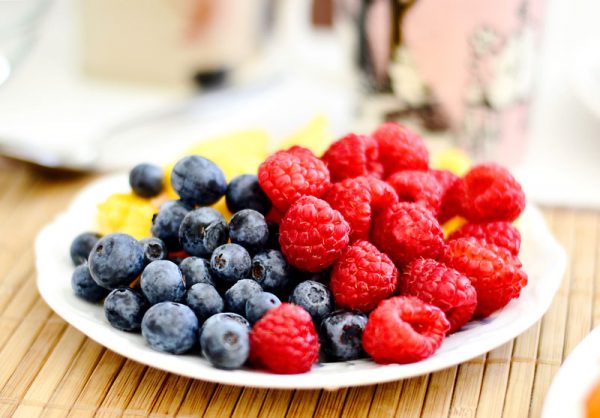
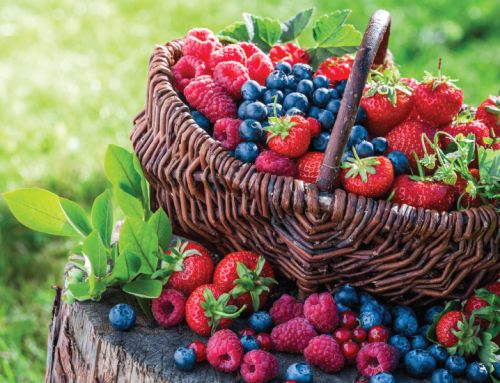
Berries get their vibrant red, purple, and blue hues from anthocyanins, powerful antioxidants that help fight free radical damage and support the blood vessels in the eyes.
Foods rich in anthocyanins include:
-
blueberries, cranberries, strawberries
-
red grapes, purple grapes
-
eggplant and red cabbage
These compounds have been linked to improved retinal health and may help protect against certain degenerative conditions over time.
5. Carrots
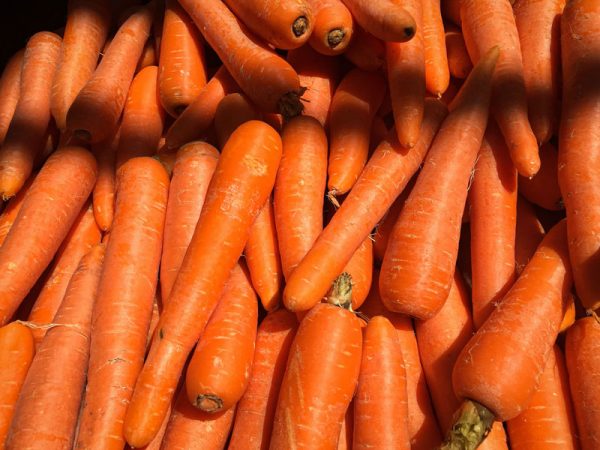
Carrots are well known for being “good for your eyes” thanks to their high content of beta-carotene, which the body converts into vitamin A. Vitamin A is essential for good night vision and maintaining the surface tissues of the eye.
Other good dietary sources of vitamin A include mangoes, dairy products (milk and cheese) and peas.
6. Nuts
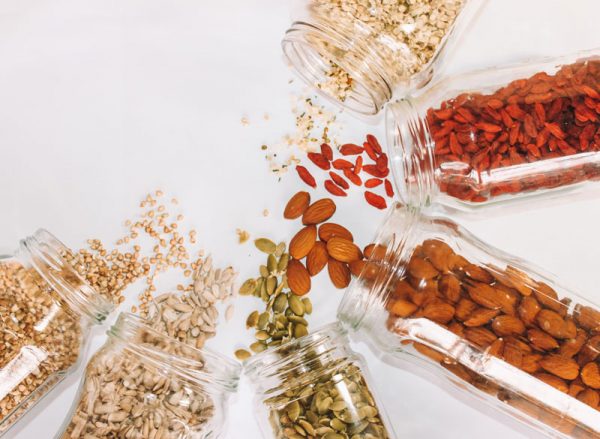
Nuts such as almonds, walnuts, hazelnuts, and pistachios are naturally rich in vitamin E, an antioxidant that protects eye cells from oxidative damage.
Vitamin E has been studied for its role in slowing age-related vision decline, especially when paired with other antioxidants. Other sources include peanut butter and vegetable oils.
Conclusion: Eat Well for Lifelong Vision
While ageing is unavoidable, vision loss does not have to be. A diet rich in antioxidants, healthy fats, and vitamins can help protect your eyes, reduce inflammation, and keep your vision clearer for longer.
Incorporating these six eye-friendly foods into your daily meals is a simple yet powerful step toward lifelong eye health. Combine good nutrition with regular eye exams, UV protection, and proper screen habits — and your eyes will thank you for years to come. PRIME