


Singapore’s favourite hawker dishes, enjoyed mindfully.
Introduction
Eating healthy does not mean giving up the foods we love. In Singapore, our daily meals often include rice, noodles, curries, soups, and stir-fries — many of which are deeply tied to our culture and routines. The good news is that it is possible to eat well and stay healthy while enjoying a Singaporean diet. The key lies in balance, portion awareness, and smarter choices — not restriction.
Why the Singaporean Diet Gets a Bad Reputation
Singaporean food is sometimes labelled “unhealthy” because it is:
-
Carb-heavy (rice, noodles, prata)
-
Often eaten outside
-
Rich in sauces, oils, and gravies
However, these foods are not the problem on their own. Health issues usually arise from large portions, frequent refined carbs, and lack of vegetables and protein balance, rather than local food itself.
The Golden Rule: Balance Your Plate
Instead of cutting out carbs completely, aim for a balanced plate:
-
½ plate vegetables
Leafy greens, stir-fried vegetables, soup vegetables, or mixed vegetable dishes -
¼ plate protein
Fish, chicken, eggs, tofu, tempeh, or lean meats -
¼ plate carbohydrates
Rice, noodles, or other staples — in moderated portions
This approach helps manage blood sugar, cholesterol, weight, and long-term energy levels.
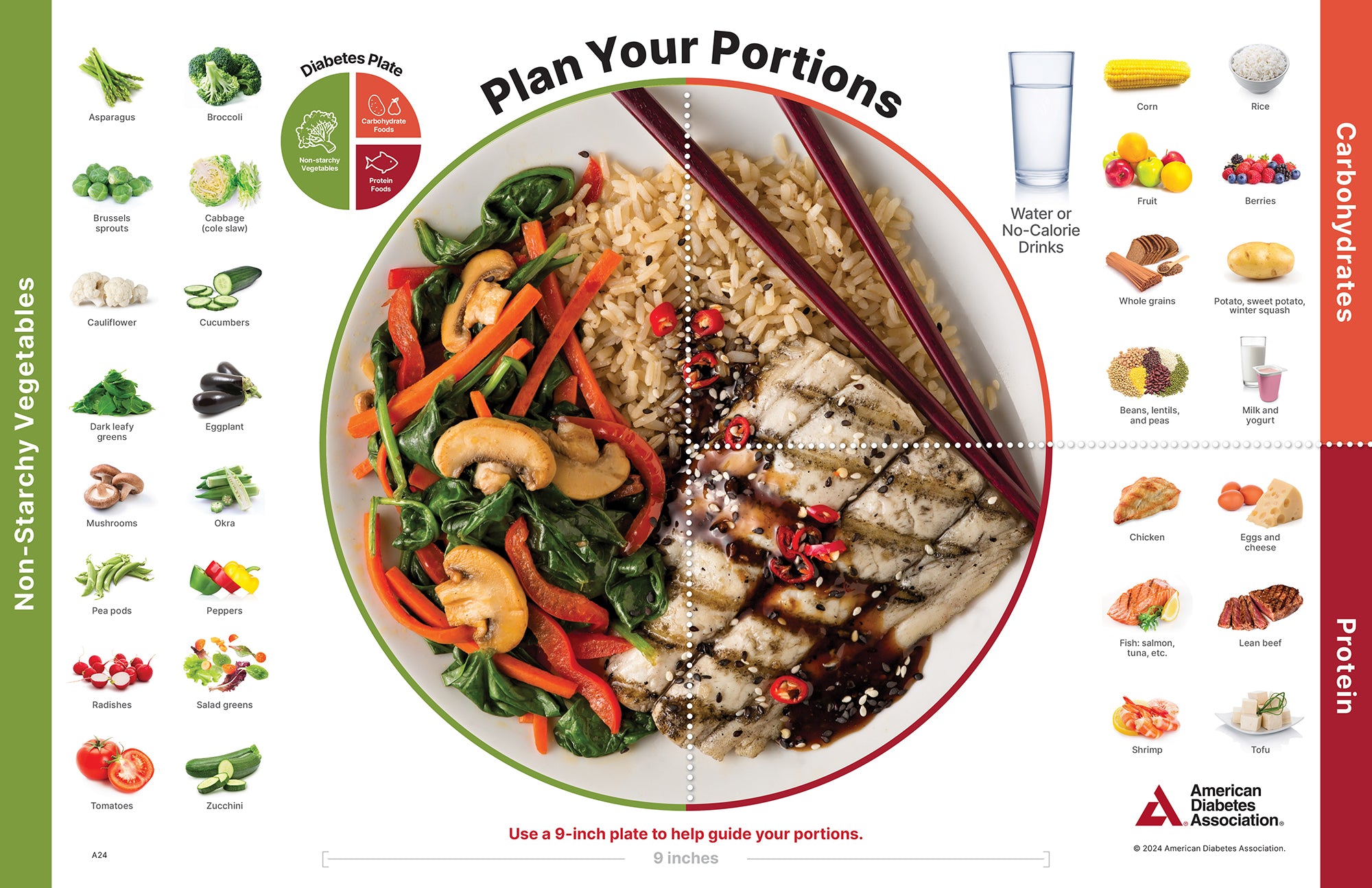
Rice Isn’t the Enemy — Portion Is
Rice is a staple in most Singaporean meals, and it does not need to be eliminated. Instead:
-
Reduce the portion slightly rather than removing it entirely
-
Choose brown rice or mixed grain rice when available
-
Balance rice with fibre-rich vegetables and protein
Eating rice with adequate protein and vegetables slows sugar absorption and helps you feel full for longer.
Smarter Hawker Choices (Without Feeling Deprived)
Hawker centres are part of everyday life, and healthy eating can still happen there.
Better choices include:
-
Fish soup with vegetables
-
Yong tau foo (more vegetables, less fried items)
-
Economic rice with more veg and one protein
-
Chicken rice — less rice, skin removed, add vegetables

Authentic Delicious Singaporean Chicken Rice in a Hawker Food Court
Simple tweaks that help:
-
Ask for less gravy or sauce
-
Avoid deep-fried sides
-
Choose soup-based dishes more often
Don’t Fear Fats — Choose Better Ones
Not all fats are bad. The issue is often excessive oil, not fat itself.
Healthier habits include:
-
Limiting deep-fried foods
-
Choosing steamed, boiled, grilled, or stir-fried dishes
-
Including healthy fats from fish, nuts, seeds, and certain oils
Moderation is key, especially for heart and metabolic health.
Watch the Hidden Sugars

EAT LESS SUGAR written on pile of sugar
Sugar hides in places we don’t expect — sauces, drinks, and desserts.
Tips to reduce sugar intake:
-
Choose kopi or tea with less sugar
-
Limit sweetened drinks and desserts to occasional treats
-
Be mindful of sauces like sweet chilli, ketchup, and thick gravies
Small changes add up over time.
Eating Well Is About Consistency, Not Perfection

Asian food in Singapore hawker center, traditional street food
Healthy eating does not require perfection. It is about consistent, realistic habits that fit your lifestyle. Enjoy festive foods, social meals, and favourite dishes — just not every day and not in excess.
When local food is eaten mindfully and balanced well, a Singaporean diet can be nourishing, satisfying, and sustainable.

Happy Singaporean man eating chicken rice and showing a thumbs-up gesture
Conclusion
You don’t need to abandon rice, noodles, or hawker food to stay healthy. By adjusting portions, increasing vegetables, choosing better proteins, and being mindful of oils and sugars, you can enjoy a Singaporean diet that supports long-term health. The goal is not restriction — it’s balance. PRIME




Leave A Comment