

Your bones make you who you are, literally! They support your body, protect your vital organs and even play a part in storage of mineral and blood cell production.
The bones in our body are not the dead, dry sticks we think they are. They are actually living tissue made of living cells and even have their own blood vessels which help them to grow.
 Bone Diseases
 Bone Diseases
Bone conditions and disease don’t only happen when you get old. People of all ages can be affected by different bone conditions as well.
Osteogenesis Imperfecta (Brittle bone disease)
This genetic disorder is caused by defects in genes responsible for producing collagen, a key protein that gives bones strength. There are several forms of the disease the body does not produce enough collagen or produces collagen that is of poor quality. Symptoms include deformities, multiple bone fractures, brittle teeth, weak muscles, curved spines and hearing loss.
Paget’s Disease of Bone
In people who suffer from Paget’s Disease, there is abnormal bone tissue breakdown and formation. New bones formed are often larger but weaker and over time, they become fragile and misshapen. This disease usually affects the spine, pelvis, skull and legs and can also lead to other health problems such as arthritis and hearing loss.
Osteoporosis
Osteoporosis means ‘porous bone’ and this disease causes bones to become weak and brittle due to loss of bone tissue. Bones may become so weak that they can break from a fall or in extreme cases, from sneezing or even lightly bumping into things. Osteoporosis can affect people of all genders. Risk increases with age, particularly after 50, and is higher among postmenopausal individuals, those with a family history of osteoporosis, low body weight, or prolonged steroid use.
Keep Your Bones Strong!
Follow these tips to ensure optimal bone health:
1.Make good lifestyle choices

Excessive intake of sugar, alcohol and caffeine may interfere with calcium absorption and bone metabolism over time. High alcohol intake and smoking are well-established risk factors for reduced bone density and fracture risk. Nicotine and free radicals in cigarette smoke can also affect hormone levels that are involved in keeping bones healthy. In fact, studies have shown that smokers have a higher risk of repeated fractures which also do not heal well. So stop smoking and include more bone-friendly foods and you’ll be on your way to a stronger, healthy bones!
2.Get more calcium
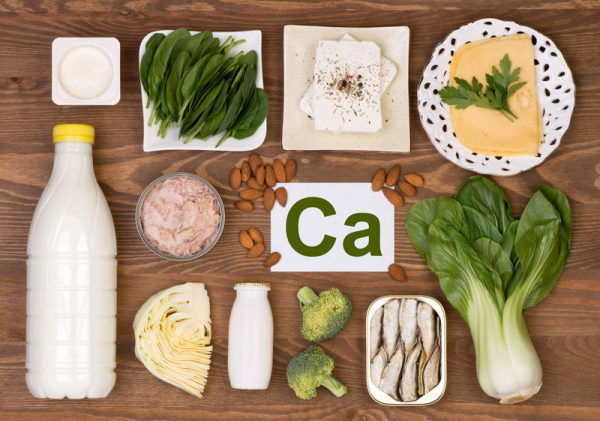
Peak bone mass is usually achieved by the late 20s to early 30s. Adequate calcium intake during these years helps reduce osteoporosis risk later in life, but maintaining sufficient calcium and vitamin D remains important at all ages. Besides dairy products, you can also choose broccoli, sardines, sweet potatoes and almonds for a calcium-rich alternative. Don’t forget to include vitamin D in your diet because this helps the body to absorb calcium better!
3.Keep moving

Weight-bearing and resistance exercises help maintain bone density and improve balance, reducing fall risk. Even for individuals with osteoporosis, appropriately guided exercise can be beneficial. However, high-impact or forward-flexion movements may not be suitable for everyone.
*If you are suffering from osteoporosis, always consult your doctor before engaging in any type of exercise.
Author

You Might Also Like:
 6 Foods to Boost your Eye Health
 The Long-Term Effects of Bone Implants Your Doctors Don’t Tell You
 Understanding Osteoporosis and the Power of Exercise by Ms. Tay Ming Yi
 Study Finds Turning Point When The Body Starts Ageing Rapidly
 Scientists Reveal Breakthrough Blood Pressure Treatment That Works When Others Fail


